



Global IT Engineer Salary Trends Highlight Japan's Position Among G7 Countries
Rising Salary Trends for IT Engineers Worldwide
A recent study by Human Resocia Corp, a comprehensive human resource service company based in Shinjuku, Tokyo, has unveiled the salary dynamics of IT engineers around the globe. This extensive survey covered 70 countries and is concentrated in the newly released report titled "2025 Edition: Global IT Engineer Salary Report Vol. 18."
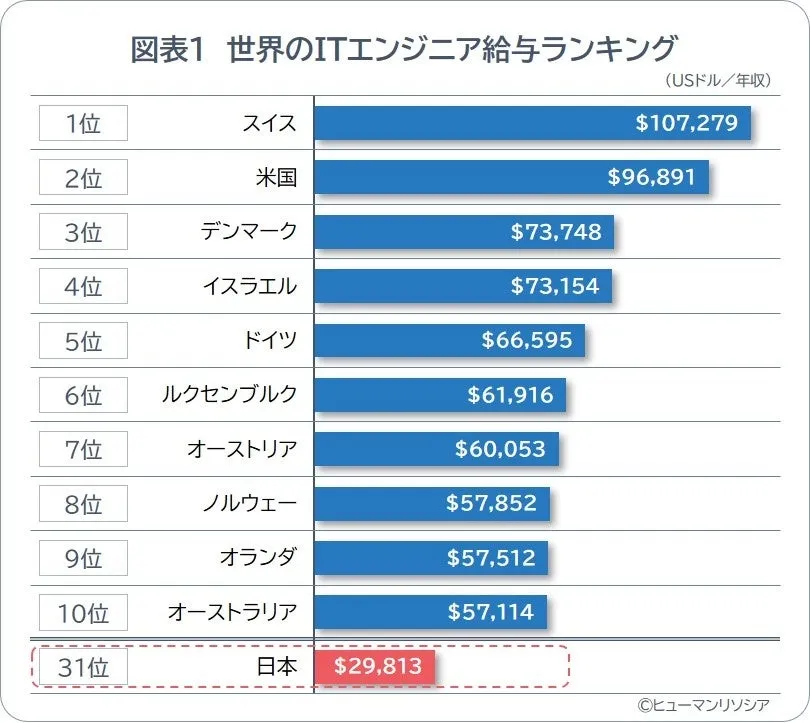
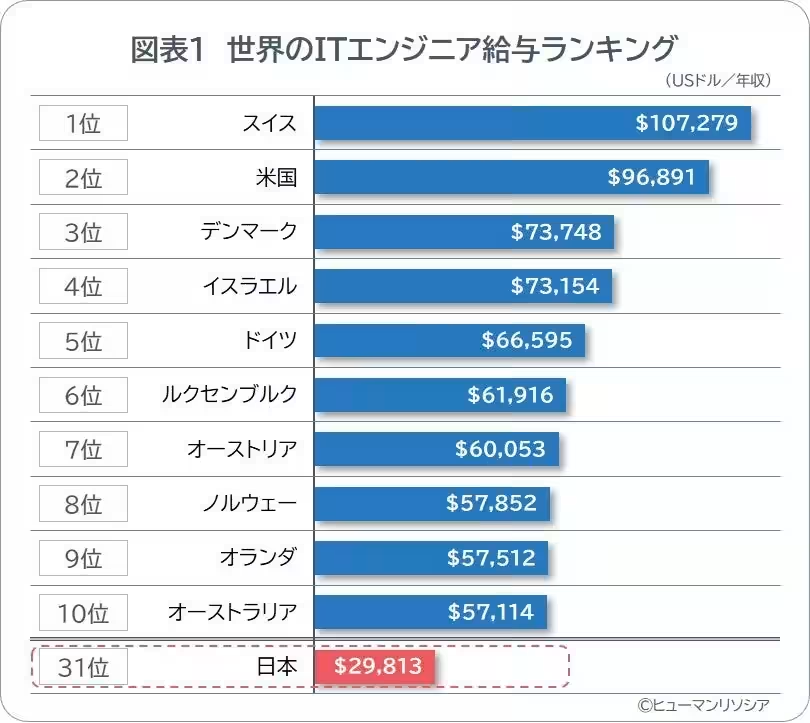
The report analyzes the salaries of IT engineers in USD, revealing that Switzerland leads with the highest average salary, followed by the United States. These rankings have remained unchanged since the last survey, indicating a stable precedence in these regions. Over 70% of the surveyed countries report a significant increase in salaries, with emerging markets showcasing considerable growth in this sector. Conversely, Japan, holding steady at 31st place among 70 countries surveyed, is notably the lowest ranked in the G7, highlighting a concerning disparity with its peers.
Key Insights from the Report
1. Global IT Salaries Overview: Switzerland and the United States continue to dominate the top two spots, maintaining average annual salaries around $100,000. Japan, however, trails significantly with an average salary of just $29,813 USD, which is roughly one-third that of the U.S.
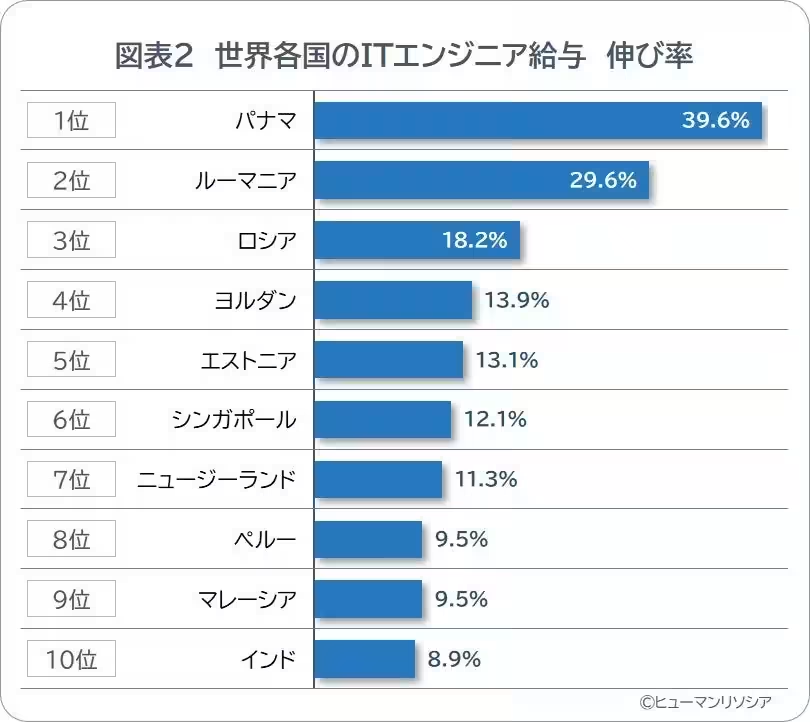
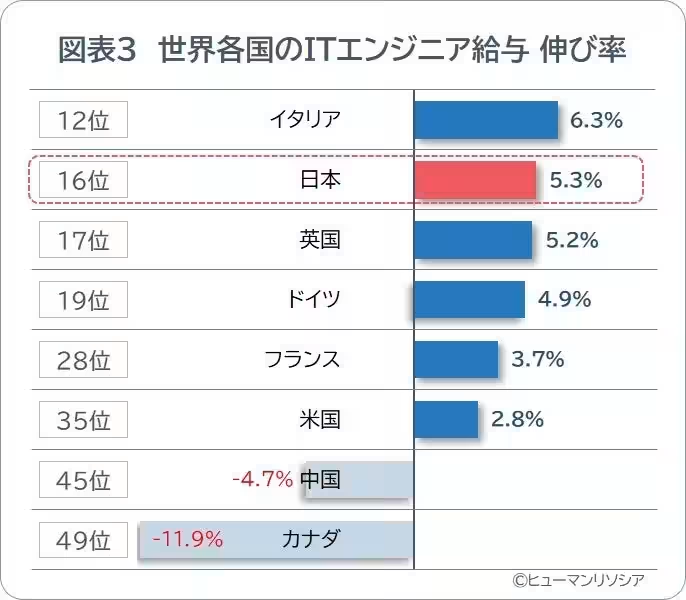
2. Salary Growth Dynamics: Globally, over 70% of countries have seen salary increases, with Japan's annual salary rise at a modest 5.3%. While this marks an improvement in domestic salary trends, Japan's ranking places it at 16th in year-on-year growth. Countries like Panama (39.6% increase) and Romania (29.6% increase) exemplify remarkable advancements, making Japan's growth appear limited in comparison to the flourishing international salary landscape.
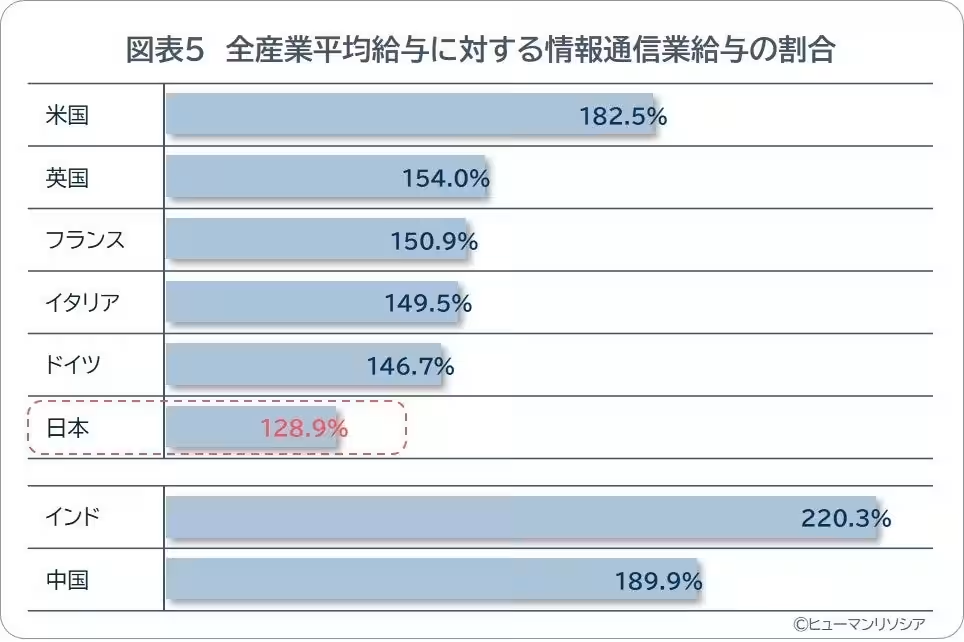
3. Concerns Over IT Sector Appeal: Despite an increase in salaries, Japan's IT exports and internal sectors still face challenges attracting talent. The proportion of average salaries in IT related industries against total work sectors is significantly lower in Japan at 128.9% when compared to countries like the U.S. (182.5%) and India (220.3%). This discrepancy underscores a potential talent retention issue in Japan's IT field.
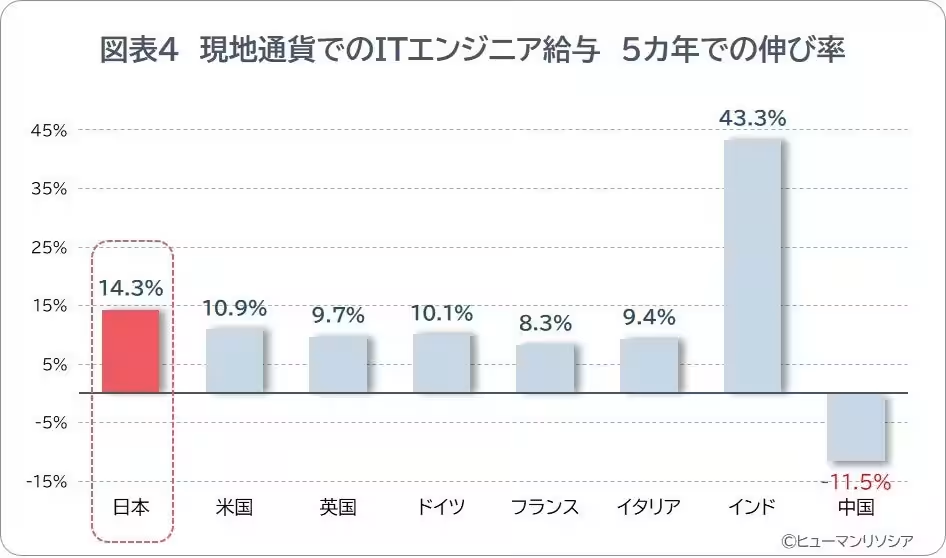
In this survey, data for IT engineer salaries were sourced from Payscale's metric for "Software Engineer" annual earnings, with Japanese comparisons based on the Ministry of Health, Labour and Welfare's wage data. An examination of local currency ranges showed Japan with a notable 14.3% growth in salaries over five years, evidencing a rise in compensation domestically, yet still reflecting lower positions in direct Dollar comparisons with other major nations.
Effect of Exchange Rates and Currency Fluctuations
It is essential to consider that USD-based evaluations can be heavily influenced by exchange rates, which complicates direct comparisons of local wage data. The analysis covering five years shows that while Japan's figures are rising positing closer to peers like the U.S. and Germany, they remain hindered amidst essentially foreign currency exchanges affecting overall standings. The study points out that Japan needs to enhance its attractiveness not only through salary adjustments but also by showcasing its cultural and operational advantages to elevate its international talent recruitments.
Recommendations for the Japanese IT Sector
The need for reformative action considerably echoes through the results of this survey. As companies focus on digital transformation, improving compensation and operational incentives for IT roles is critical. Rising demand for advanced IT capabilities signifies the necessity for Japan to both facilitate experienced talent and entice overseas professionals who may find the work environment appealing beyond monetary compensation. Thus, establishing a pathway for an enticing work culture, security, and a welcoming atmosphere for diverse backgrounds is crucial.
Conclusion
In summary, while Japan is recording growth in IT salaries, it still falls short when juxtaposed against the more vigorous competitive rates globally, particularly within its G7 counterparts. There lies an urgent call for Japanese enterprises to rethink their strategies in attracting, retaining, and developing IT personnel — a core asset in today's increasingly digital economy.
- ---
Human Resocia Overview
With a strong base in comprehensive human resource services, Human Resocia has been attending to the labor market's needs since 1988. We provide staffing solutions across sectors such as IT, caregiving, and education, with an emphasis on quality and innovation in service delivery.


Topics Business Technology)
【About Using Articles】
You can freely use the title and article content by linking to the page where the article is posted.
※ Images cannot be used.
【About Links】
Links are free to use.