



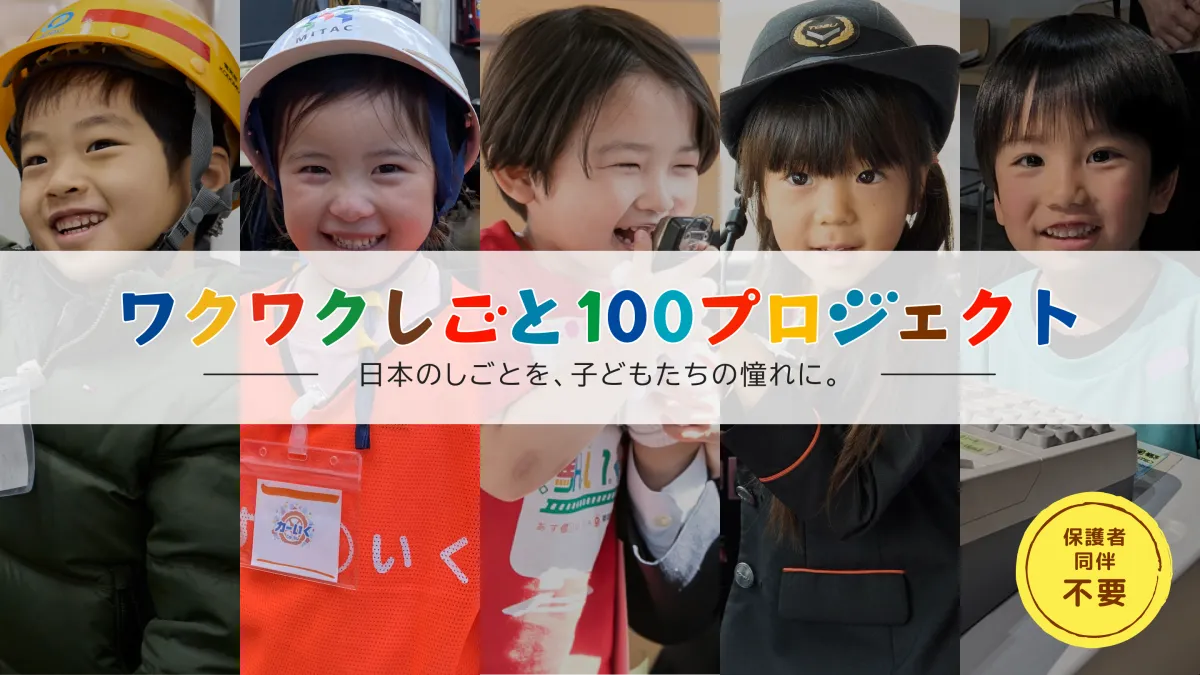
Experience-Based Temporary Childcare: Expanding Children's Career Choices through WakuWaku Business Project
Expanding Career Choices for Children: The WakuWaku Business Project
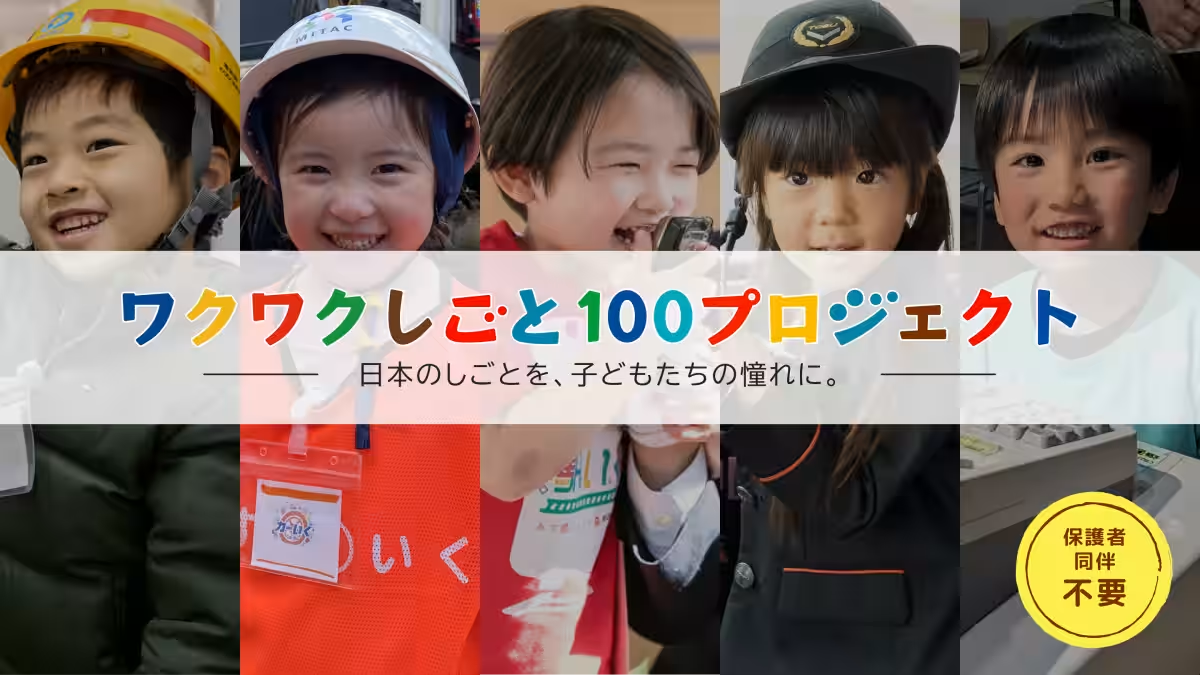
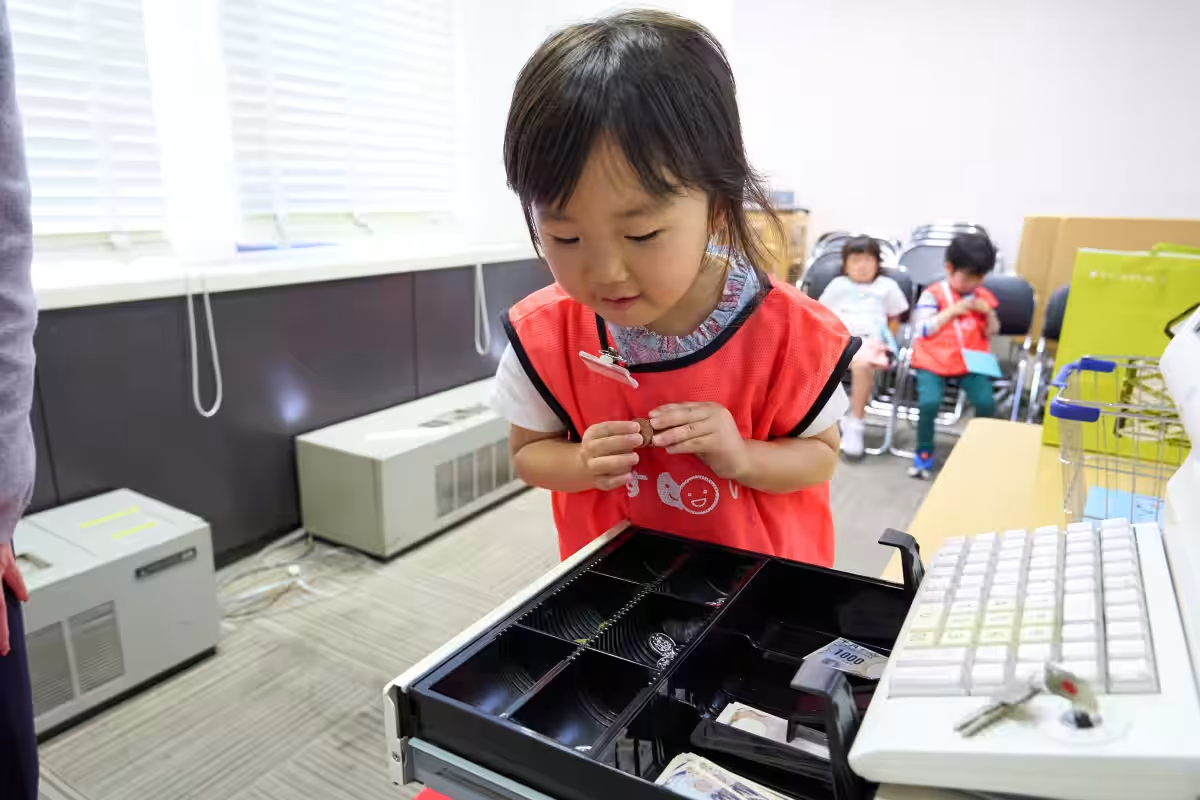
In a groundbreaking initiative, Asuiku Co., Ltd., based in Minato, Tokyo, has launched the WakuWaku Business Project. This program aims to create experiential temporary childcare programs that connect children with various professions across Japan, allowing them to encounter and experience the realities of these jobs firsthand. Set to kick off on August 18, 2026, the project encourages children to dream big and broaden their career aspirations through real-life interactions with the workforce.
Addressing the Gap in Career Awareness
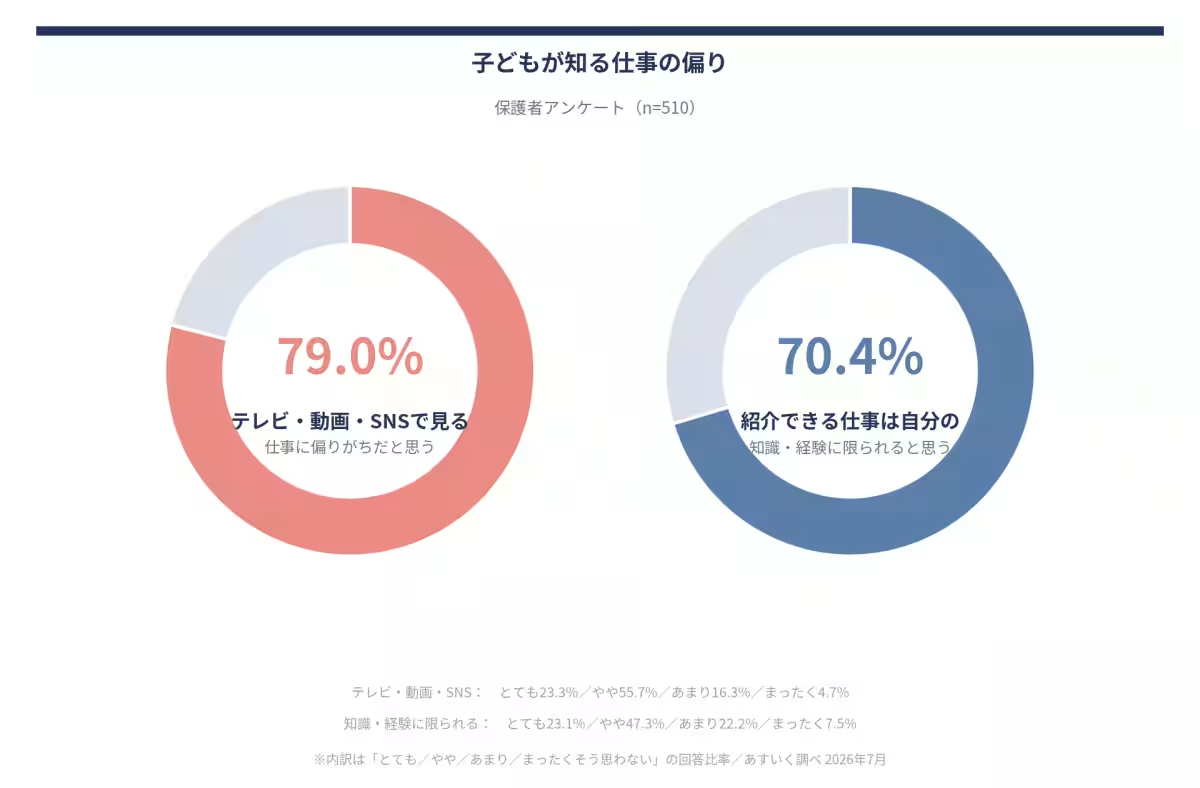
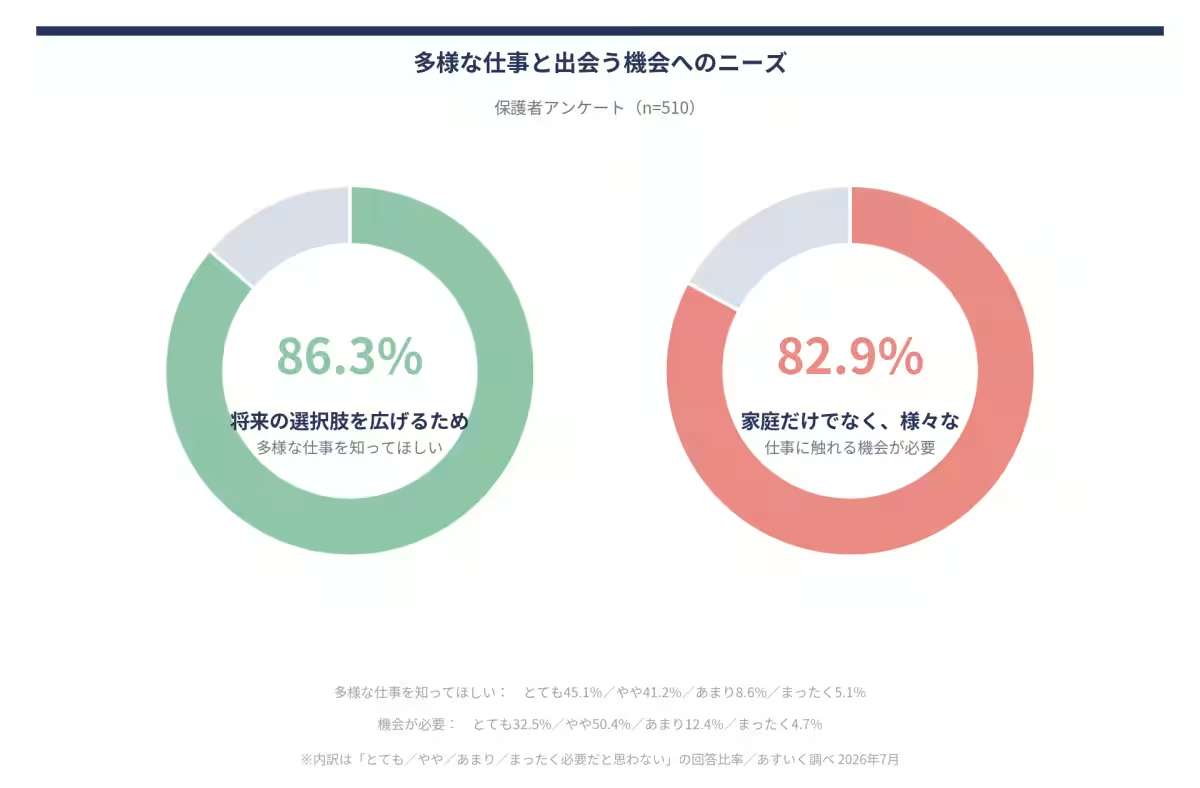
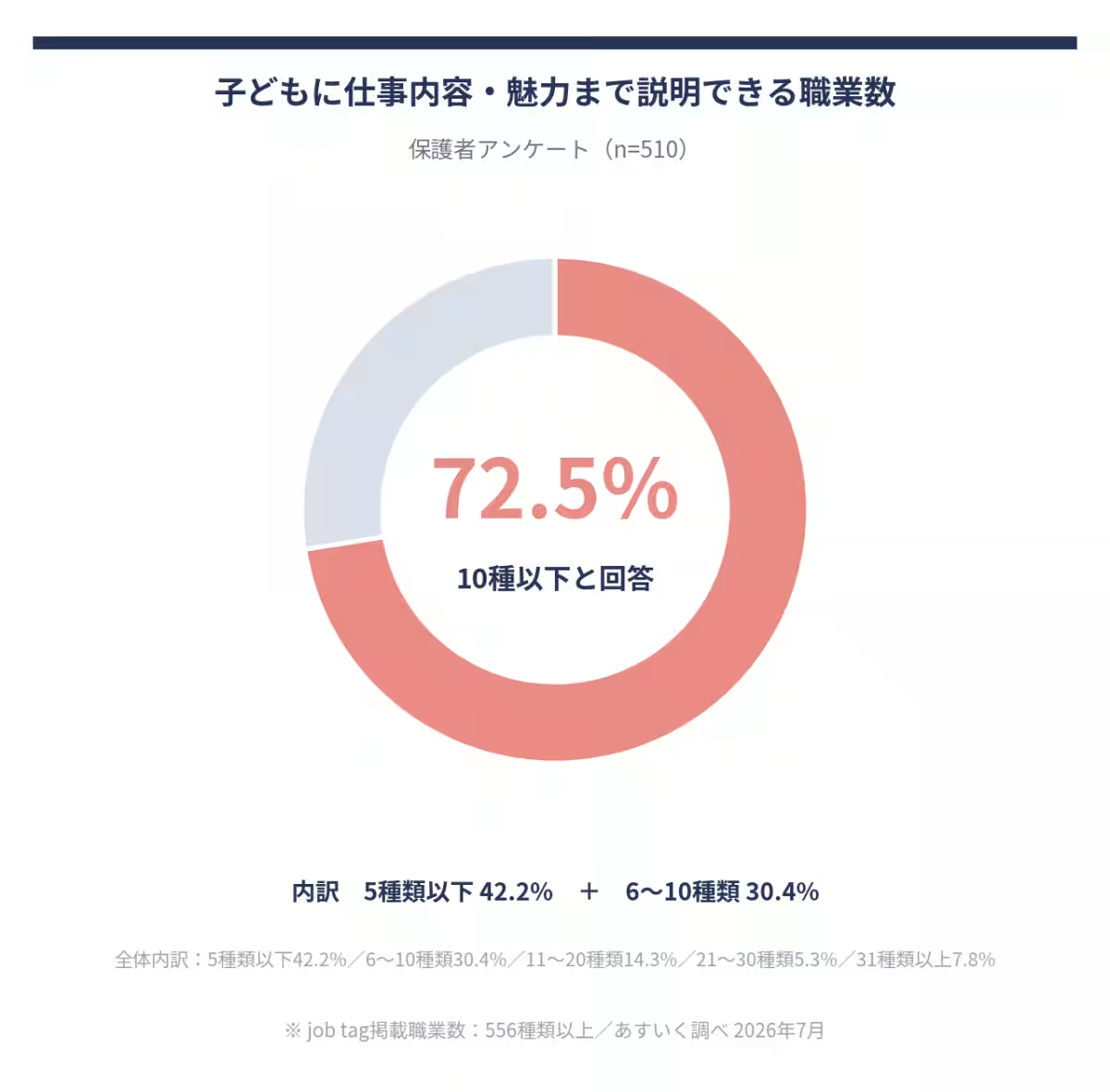
Research indicates that while there are over 556 professions available in Japan, more than 70% of parents can only describe ten or fewer professions to their children. This discrepancy highlights the limited exposure children have to the diverse and vibrant job market. Through surveys, it has become evident that many parents feel their ability to introduce various careers to their children is restricted by their own knowledge and experiences. Thus, there's a significant need to cultivate opportunities for children to explore a variety of jobs in an engaging manner.
The WakuWaku Business Project aims to address this issue by partnering with businesses and local governments to create environments where children can interact with real job scenarios. The theme of the project is “Inspiring Children’s Aspirations for Japanese Careers.” By doing so, Asuiku aims to not only open up future options for children but also to foster new connections between corporations and the next generation.
Project Highlights
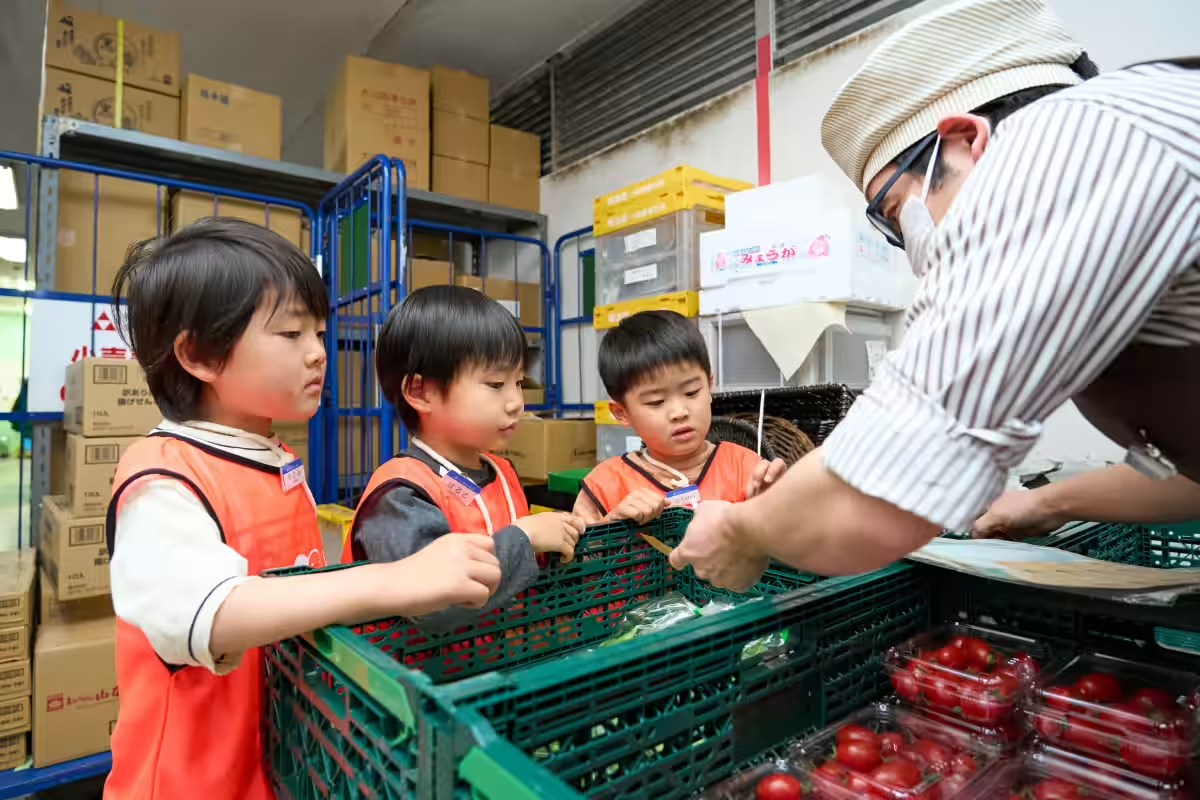
The project includes exciting one-off activities in collaboration with various sectors, such as railway and construction companies. The WakuWaku Job Trip initiative will offer structured programs that allow children to experience multiple professions in engaging formats, including:
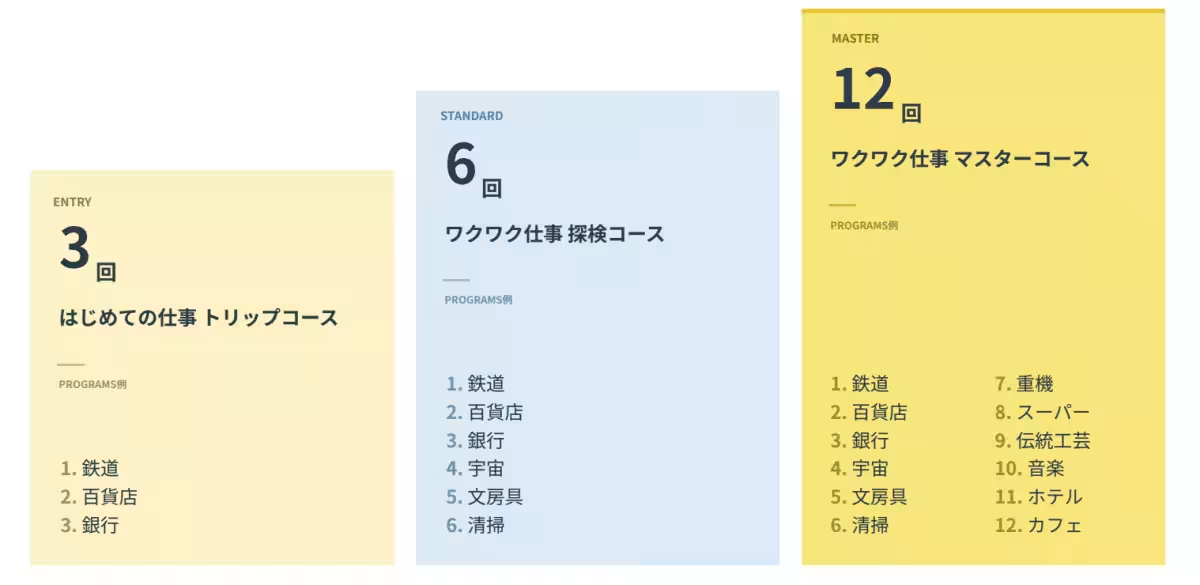
- - Introductory Course: The “First Job Trip Course” (3 sessions)
- - Intermediate Course: The “WakuWaku Job Exploration Course” (6 sessions)
- - Advanced Course: The “WakuWaku Job Master Course” (12 sessions)
For businesses, this is a cost-effective way to create meaningful interactions with children and their parents. It enhances recruitment branding, provides impactful corporate social responsibility (CSR) activities, and allows employees to reconnect with the intrinsic value and significance of their work. This renewed awareness can enhance employee engagement as they witness the genuine curiosity and excitement that children bring.
Upcoming Program Schedule
The first set of activities is scheduled as follows:
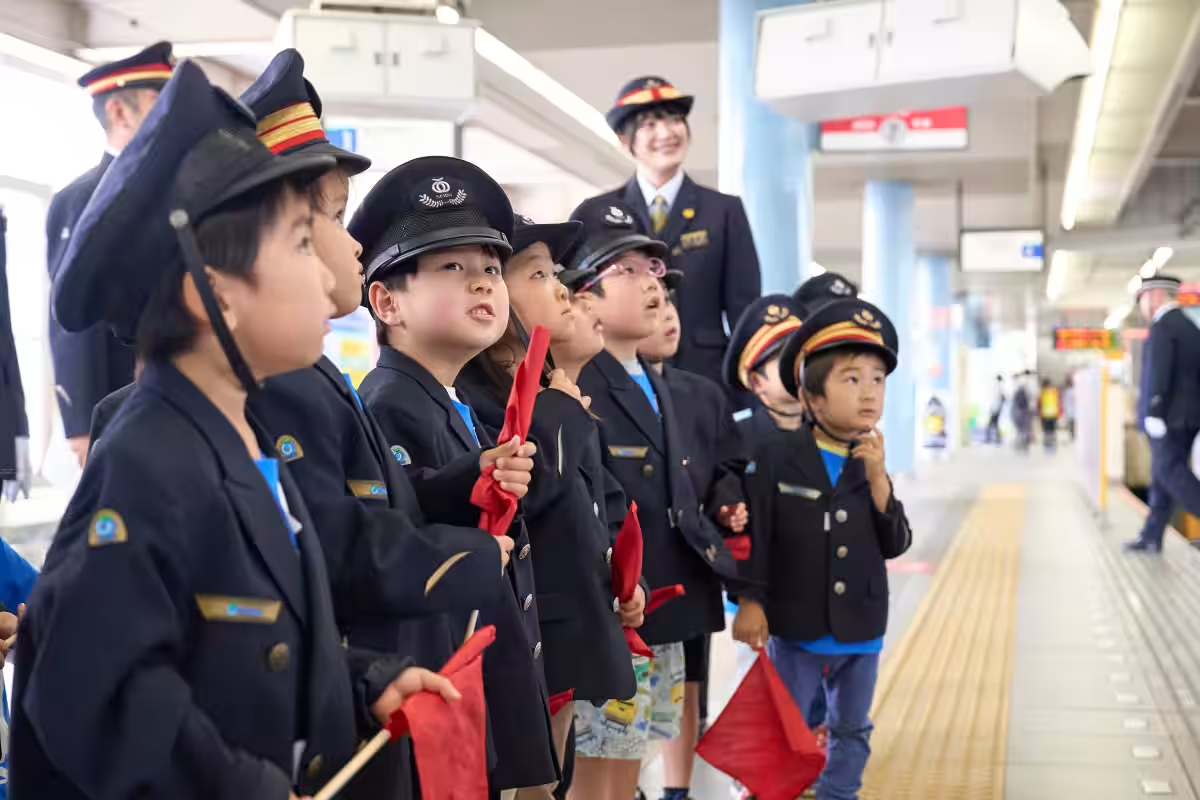
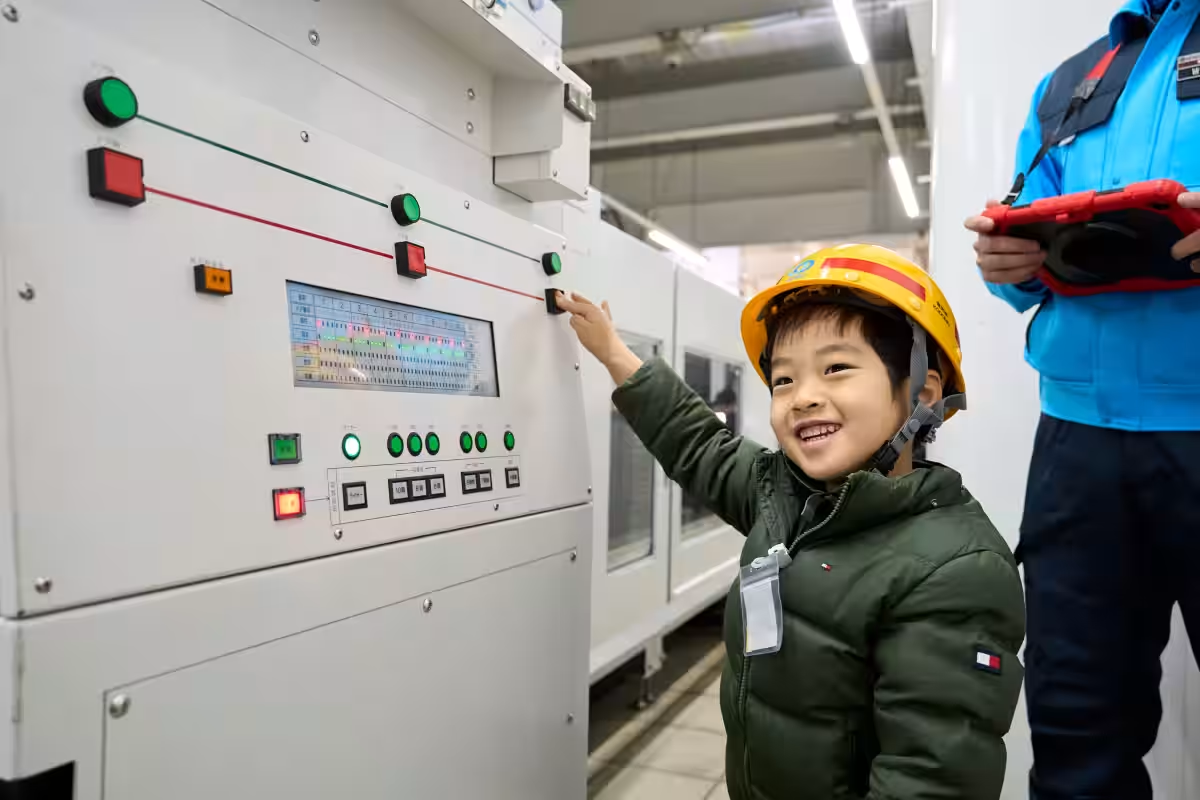
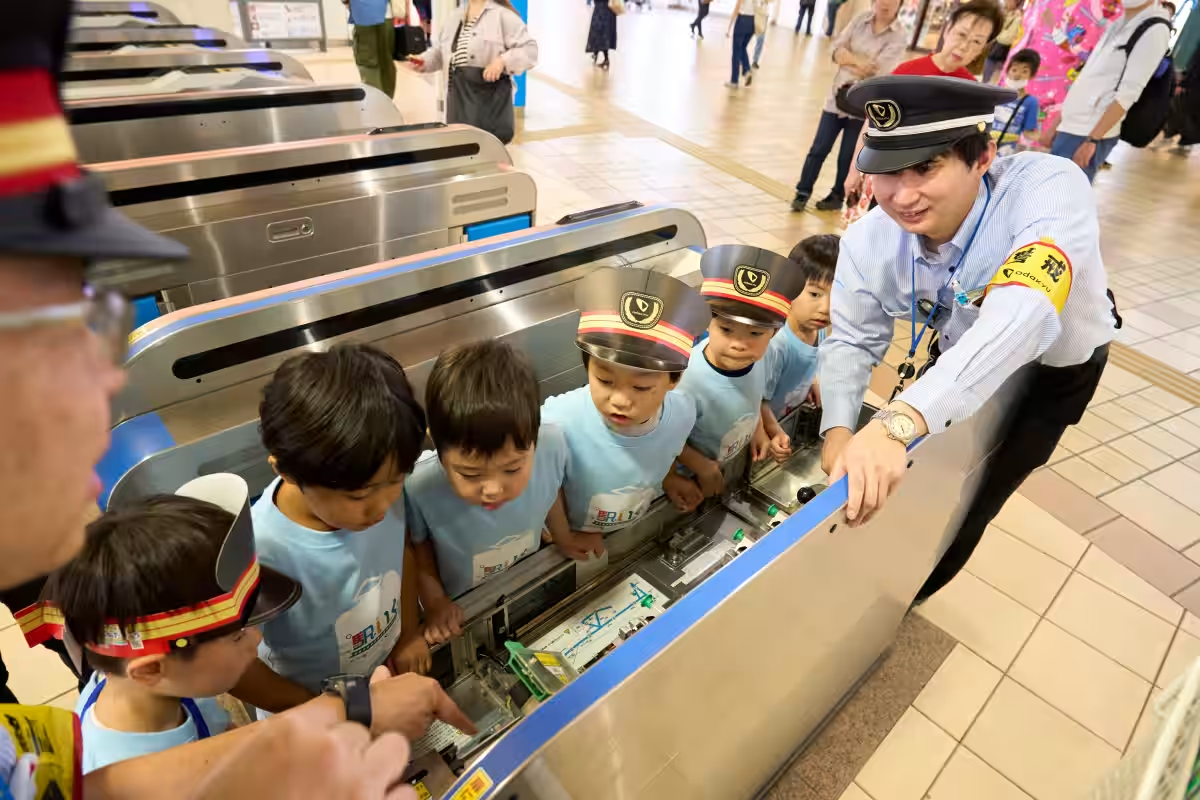
- - August 29, 2026: “Station Visit at JR Hachinohe Station” – Participants will engage in operations like wake-up devices, alcohol checks, and train cleaning experiences.
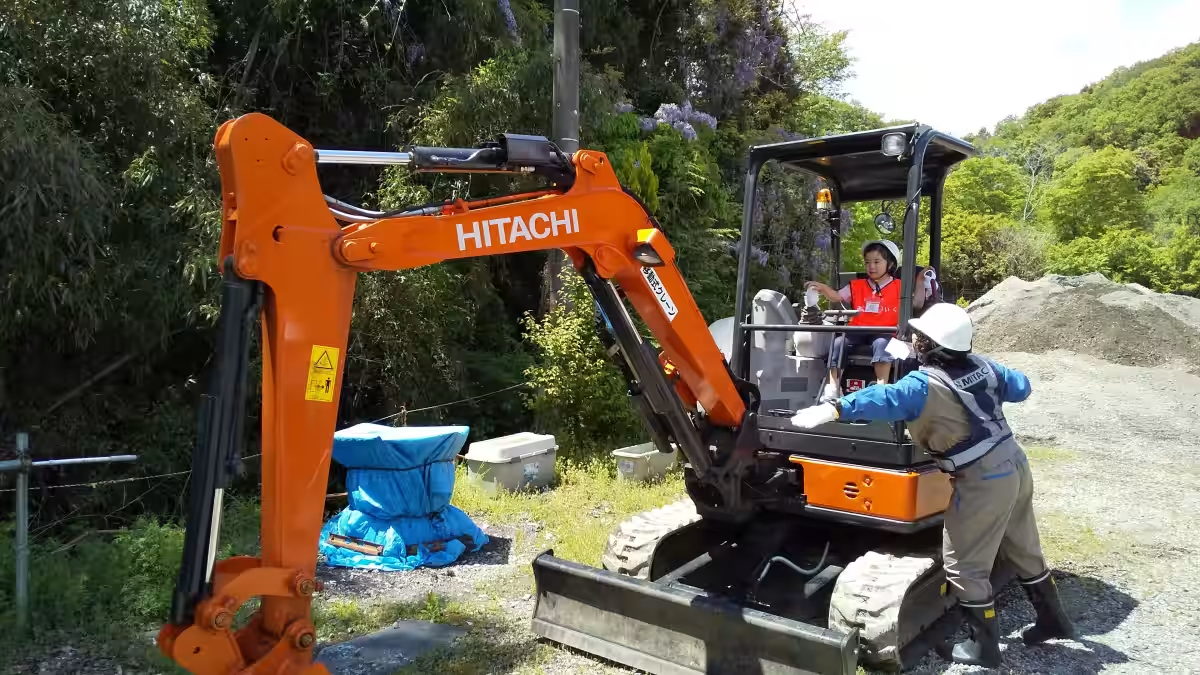
- - September 5, 2026: “Station Visit at JR East Tokyo Construction PMO Shiokawa Base” – A unique opportunity to sit in the driver's seat of a rare working vehicle, the Railway Crane.
- - September 12, 2026: “Station Visit at Romance Car Museum” – Children will explore the cockpit of the HiSE model, create original badges, and observe trains from a rooftop observation deck.
- - September 21, 2026: “Car Experience at Maitac Hachioji Maintenance Factory” – Attendees will experience operating forklifts and cranes in a heavy machinery maintenance facility.
Addressing Gender Bias
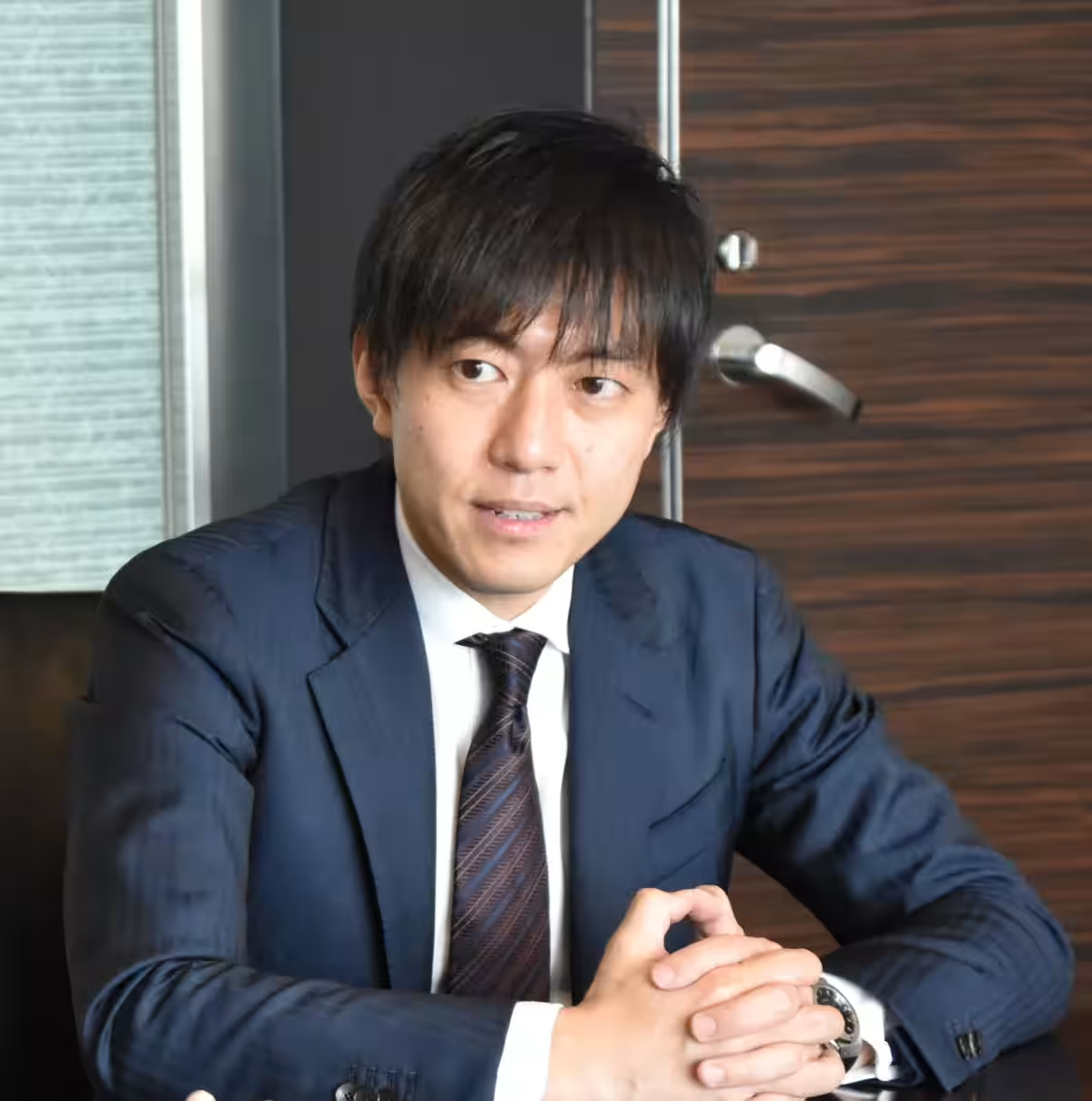
Kenji Fuma, CEO of Neural Co., emphasizes that the WakuWaku Business Project not only offers occupational experiences for children but also addresses deeper issues surrounding DEI (Diversity, Equity, Inclusion) and challenges unconscious biases related to professions. As Japan faces a declining population, reshaping fixed career perceptions and fostering an environment where everyone can thrive is crucial. This initiative provides an avenue to combat such biases by exposing children early to various professions, regardless of gender stereotypes.
Children will engage with real working environments that shed light on careers often misunderstood or viewed as undesirable due to outdated perceptions. Direct interactions can foster changes in both children and parents' mindset about these careers, thus influencing their understanding and appreciation of diverse professional fields.
Educational Perspective
Professor Kiyomi Akita from Gakushuin University states that experiencing genuine work environments has profound implications for children's emotional and intellectual development. Access to a variety of jobs fosters curiosity and motivation, as children translate these experiences into personal aspirations. As they encounter diverse professionals and craftsmanship, children can discover their own strengths and interests, furthering their self-confidence.
This project is not just a platform for children to learn about jobs but also serves as a means by which businesses can contribute to shaping a resourceful community that values diverse work experiences and professional engagements.
Conclusion
With the increasing necessity for children to understand the workforce and potential career paths, the WakuWaku Business Project signifies a substantial step towards empowering the younger generation. By fostering relationships between children, corporations, and various professions, this initiative aims to create a scaffold for future career explorations, ultimately building a network of possibilities that will benefit society as a whole.


Topics People & Culture)
【About Using Articles】
You can freely use the title and article content by linking to the page where the article is posted.
※ Images cannot be used.
【About Links】
Links are free to use.