



Most Companies Express Concern Over AI Search Visibility Crisis
The AI Search Visibility Crisis
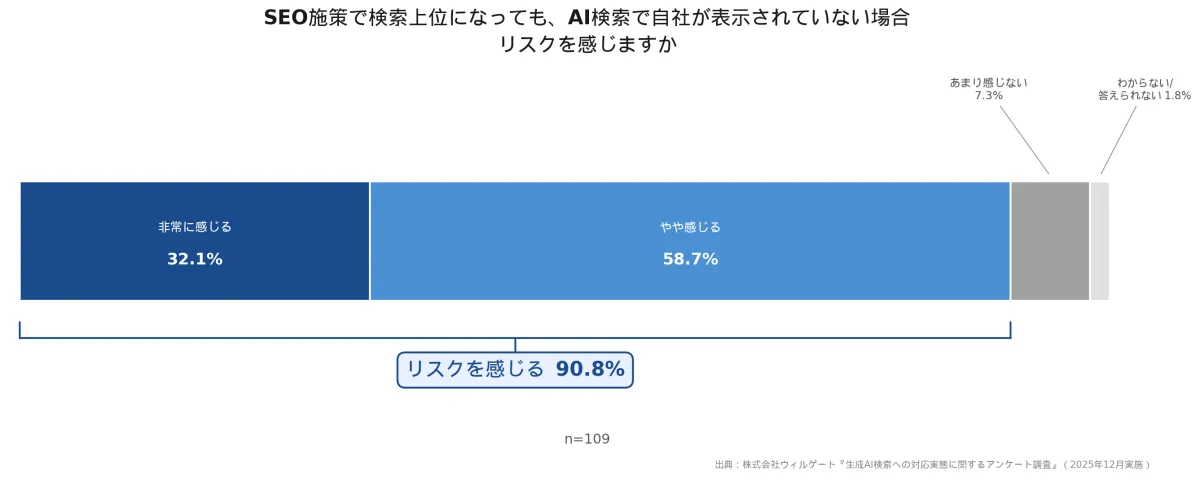
In a rapidly evolving digital marketplace, the impact of generative AI on search engine results cannot be overstated. A recent survey conducted by Willgate, a Tokyo-based content marketing firm, revealed that nearly 90% of companies are feeling the pressure as they navigate the new reality of AI search rankings. This has prompted many organizations to rethink their marketing strategies, focusing more on brand communication rather than traditional SEO.
Survey Background
As AI search platforms like ChatGPT and Google's AI Overviews gain popularity, firms are grappling with significant shifts in how they present their information online. The survey targeted 109 marketing and public relations professionals, exploring their perceptions of AI search and the newly emphasized strategy known as LLMO, or Large Language Model Optimization. This approach highlights the importance of ensuring that AI recognizes and accurately cites a company’s information.
Key Findings
1. Rising Anxiety Among Firms
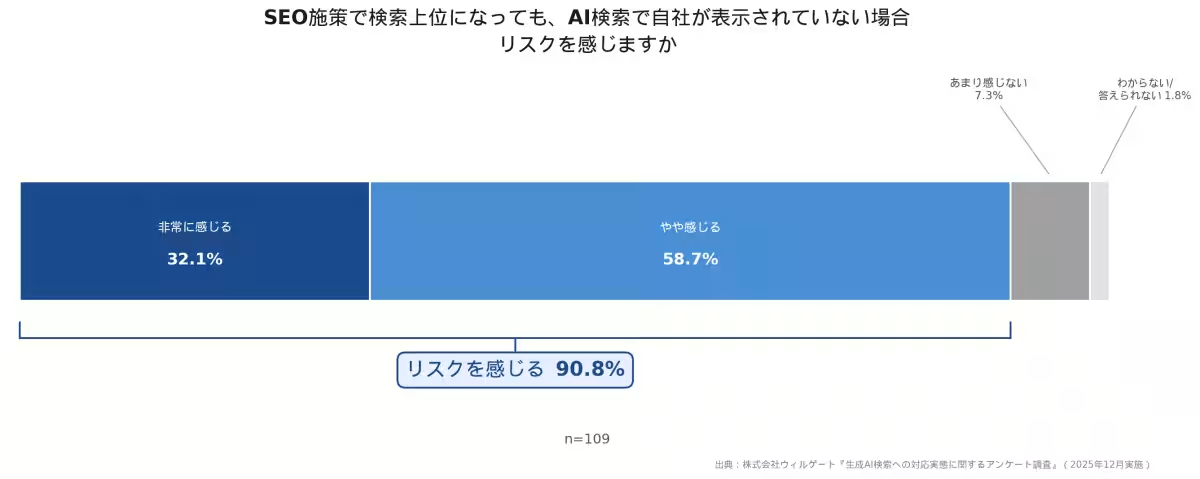
A staggering 90.8% of respondents indicated that they feel a sense of risk if their company’s content does not appear in AI-generated search results. This sentiment reveals a growing unease in the understanding that high search engine rankings are no longer sufficient. Moreover, 54.1% of marketers check their company's AI exposure frequently, underlining an urgent need to adapt.
2. Balancing SEO and Brand Messaging
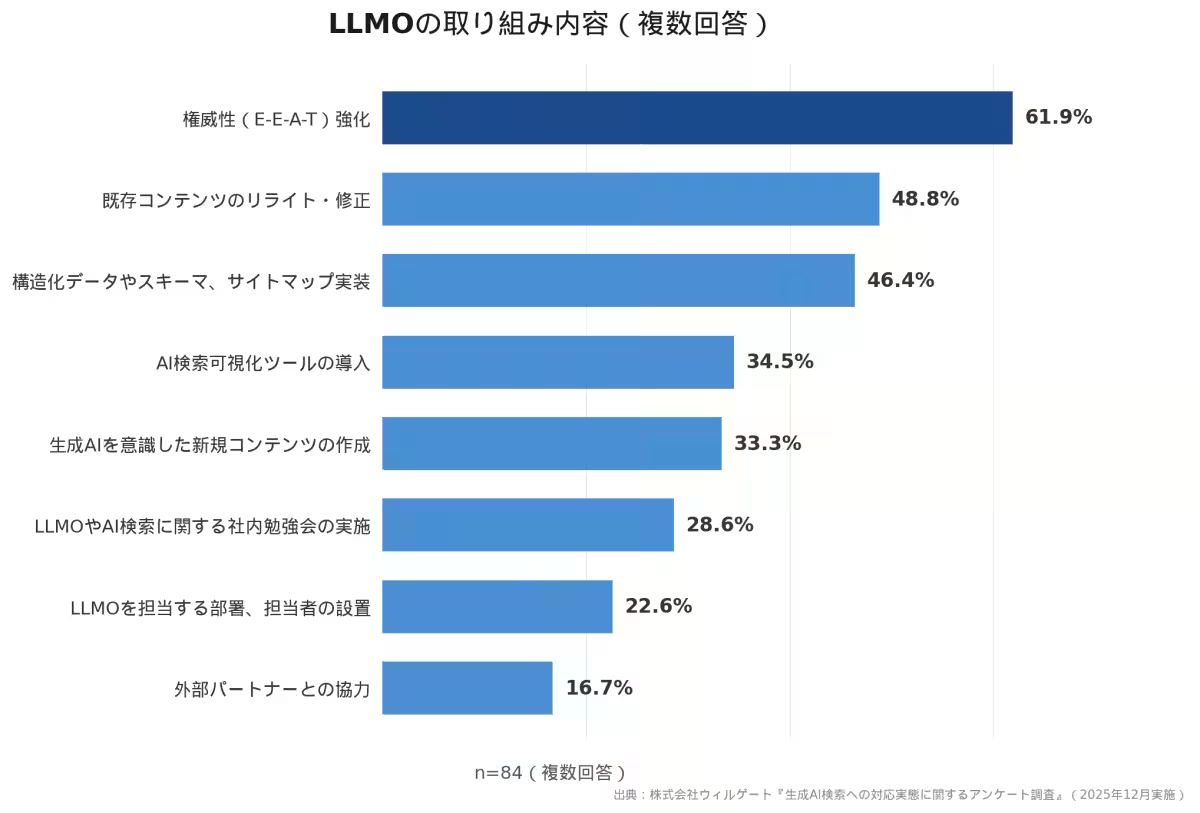
Surprisingly, 45.9% of participants believe that future web marketing strategies must sustain traditional SEO practices while equally prioritizing brand messaging. When companies were asked about the focus of their LLMO strategies, a significant 61.9% suggested that strengthening authority (E-E-A-T) in their messaging is essential. This shift signifies a move toward establishing credibility and reputation over mere technical optimization.
3. Increased Investment in LLMO
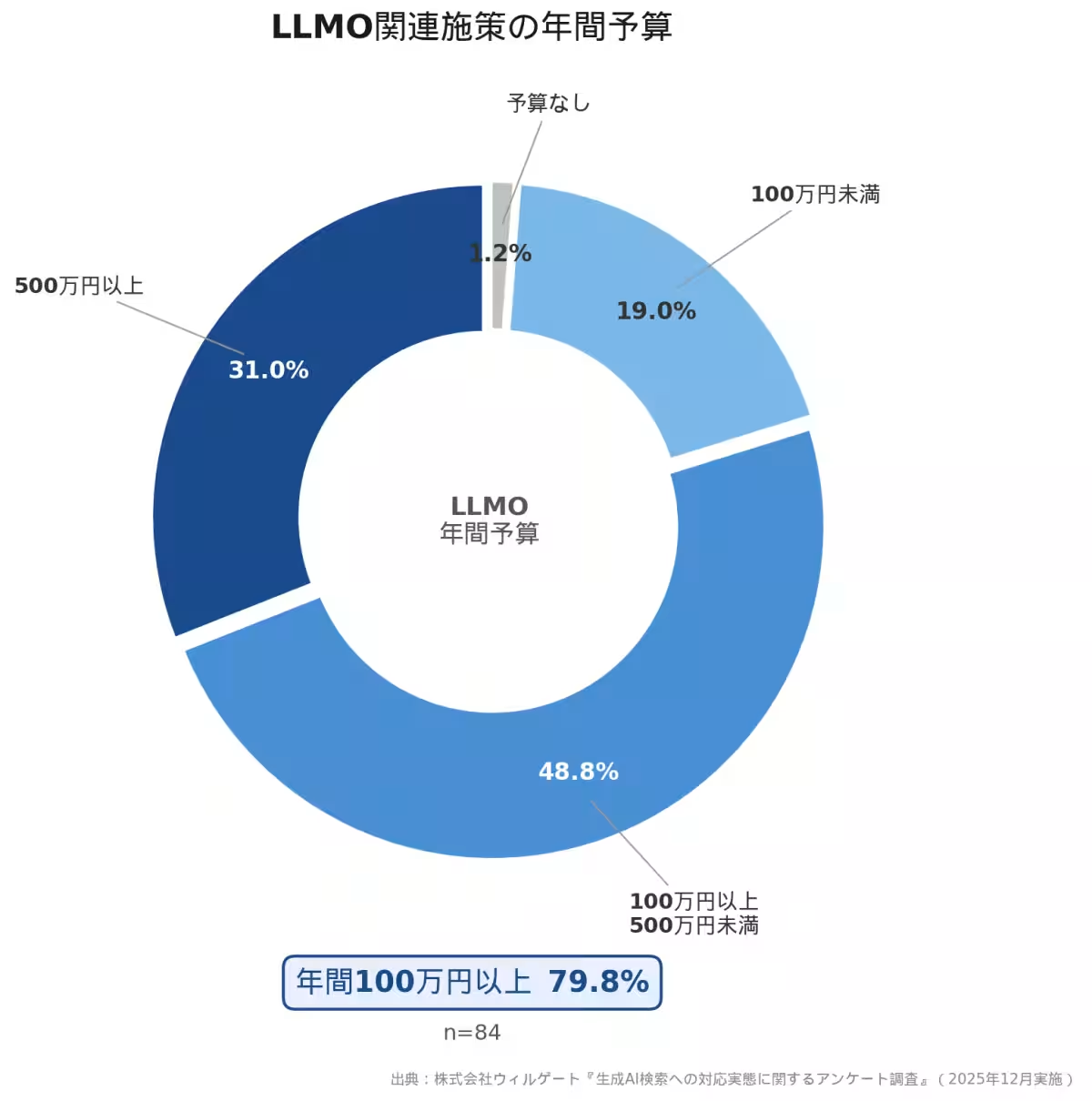
Financially, 79.8% of surveyed companies plan to invest over 1,000,000 yen annually in LLMO-related initiatives. Among these, 31% are allocating over 5,000,000 yen, reflecting a serious commitment to adapting their marketing frameworks to the evolving landscape. Companies that have already implemented LLMO strategies saw 64.3% reporting tangible results, suggesting that early investment is paying dividends in terms of visibility and customer engagement.
4. Internal Challenges Persist
Despite the pressing need for change, more than 43% of companies expressed challenges stemming from a lack of knowledge about LLMO and a disconnect in understanding its importance among executive leadership. This misalignment within organizations illustrates the potential for a digital divide in competitive advantage based on the early adoption of AI strategies.
Merging SEO and Public Relations
The findings of Willgate's survey suggest a significant transformation for marketing professionals. The focus is shifting from simply satisfying search engine algorithms to crafting messages that AI trusts. As more companies adjust their tactics to elevate their authority, it becomes increasingly clear that the role of public relations will also evolve. The integration of SEO and PR into a unified strategy for digital branding is not just beneficial but necessary for companies aiming to thrive in an AI-influenced market.
Conclusion
As companies adapt to the AI-driven search landscape, the emphasis on authority, brand messaging, and strategic investment is paramount. The findings reveal a crucial need for businesses to embrace LLMO and recognize the intertwined relationship of SEO and PR. Moving forward, organizations must innovate and ensure their online presence is not only visible but regarded as trustworthy by AI systems, positioning themselves for long-term success in this new digital age.
Topics Consumer Products & Retail)
【About Using Articles】
You can freely use the title and article content by linking to the page where the article is posted.
※ Images cannot be used.
【About Links】
Links are free to use.