



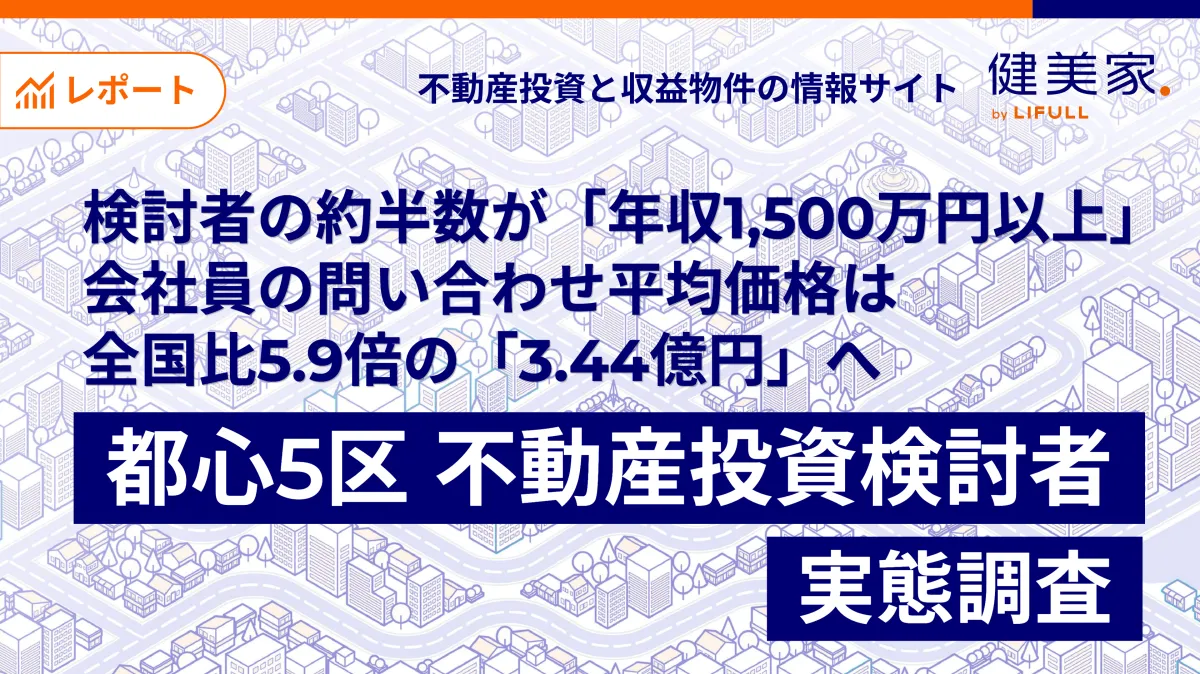
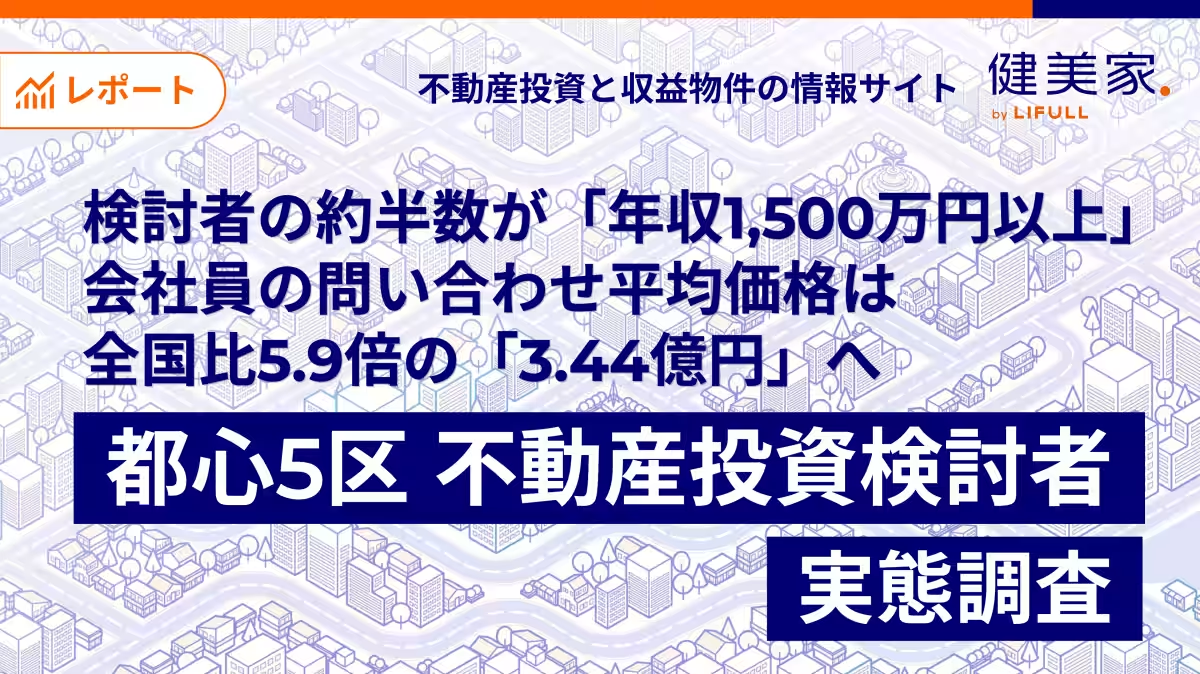
The Rising Trend of High-Income Real Estate Investors in Tokyo's Central District
Analysis of High-Income Real Estate Investors in Tokyo's Central Districts
In a recent study conducted by Kenbiya, a subsidiary of LIFULL Corporation, the demographics of real estate investors focused on Tokyo's central five districts (Chiyoda, Chuo, Minato, Shinjuku, and Shibuya) have been closely analyzed. The findings demonstrate a striking concentration of high-income investors within this competitive market segment.
Overview of the Market Trend
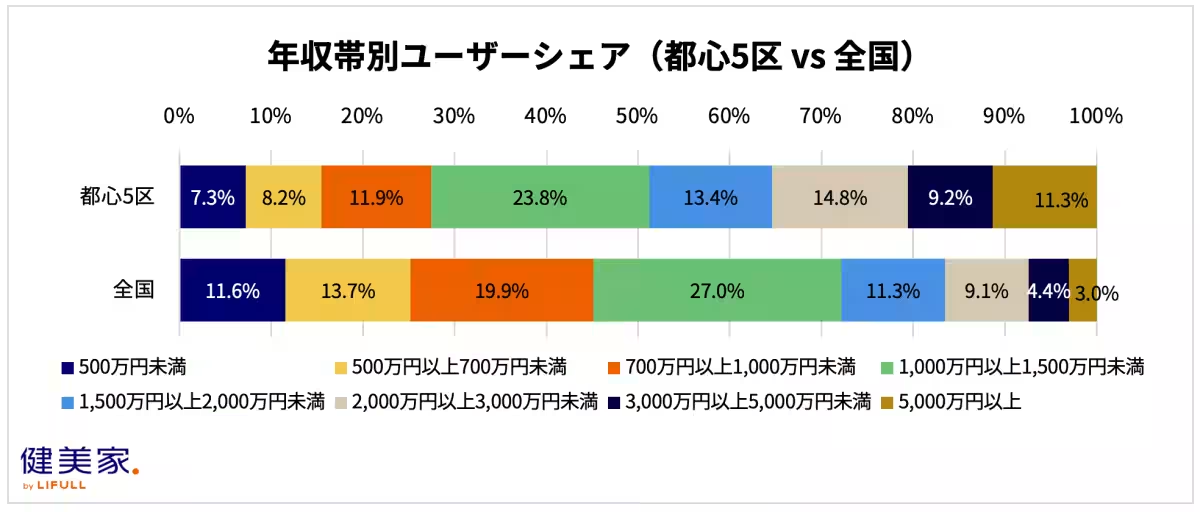
As property prices continue to rise across Japan, the central five districts of Tokyo have shown an unprecedented demand and pricing power compared to other regions. According to the report, nearly half of the inquiring users in this affluent market earn over ¥15 million annually, which is about 1.75 times the national average of 27.8% for this income bracket. This points to a substantial gap between the wealth demographics of investors in Tokyo’s prime areas versus those in the country at large.
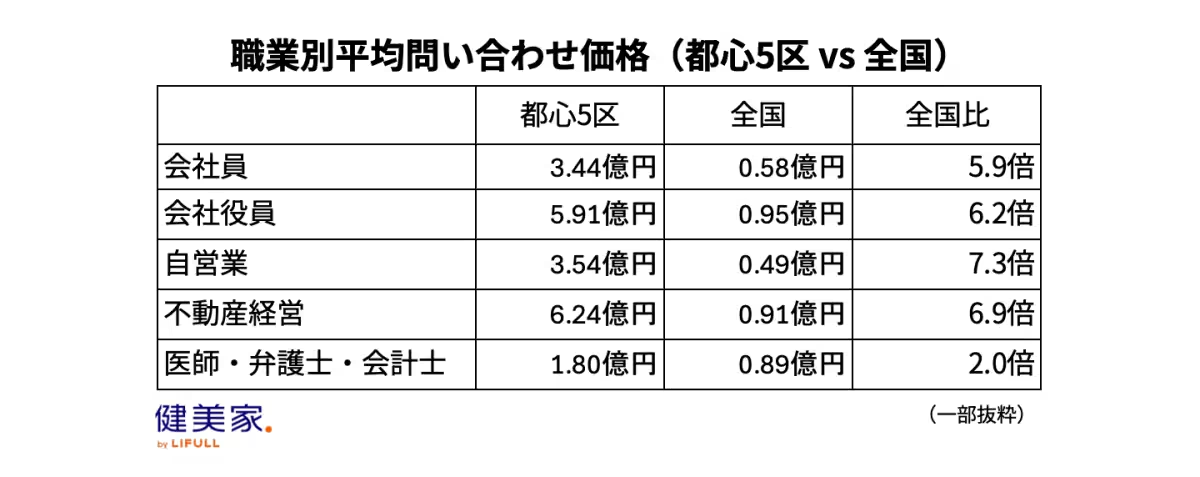
In fact, the average inquiry prices for properties sought by investors in the central five districts are anywhere from 2.0 to 7.3 times higher compared to national averages. The most notable figure being an astounding ¥624 million for full-fledged real estate entrepreneurs, which is 6.9 times the national average.
Demographic Breakdown
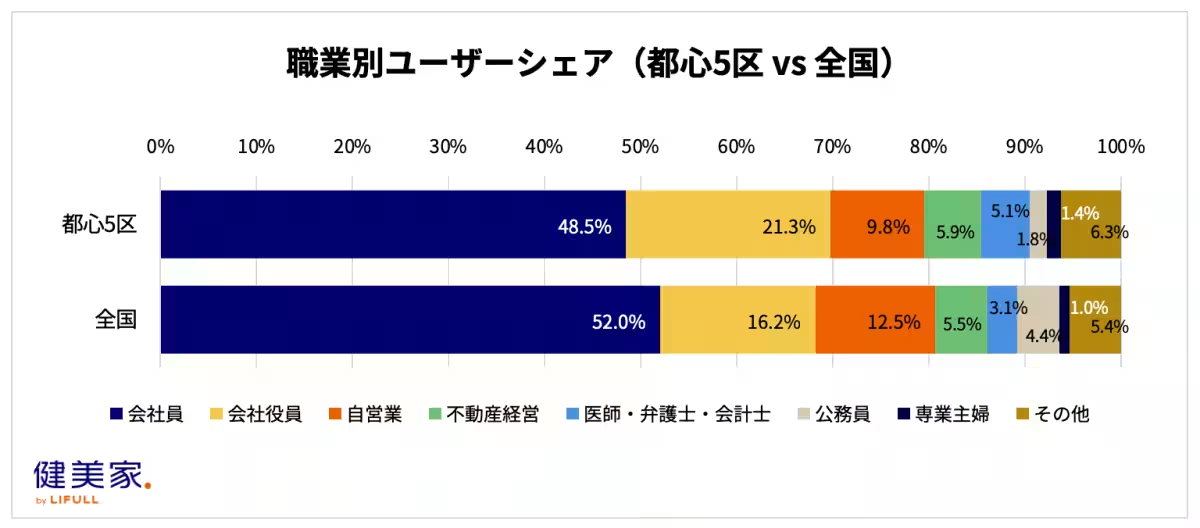
While the top profession among investors remains that of company employees at roughly 50%, the central area shows a higher ratio of executives and professionals such as doctors, lawyers, and accountants compared to the national average. This skew indicates a concentration of wealthier individuals with higher financial credibility entering the market.
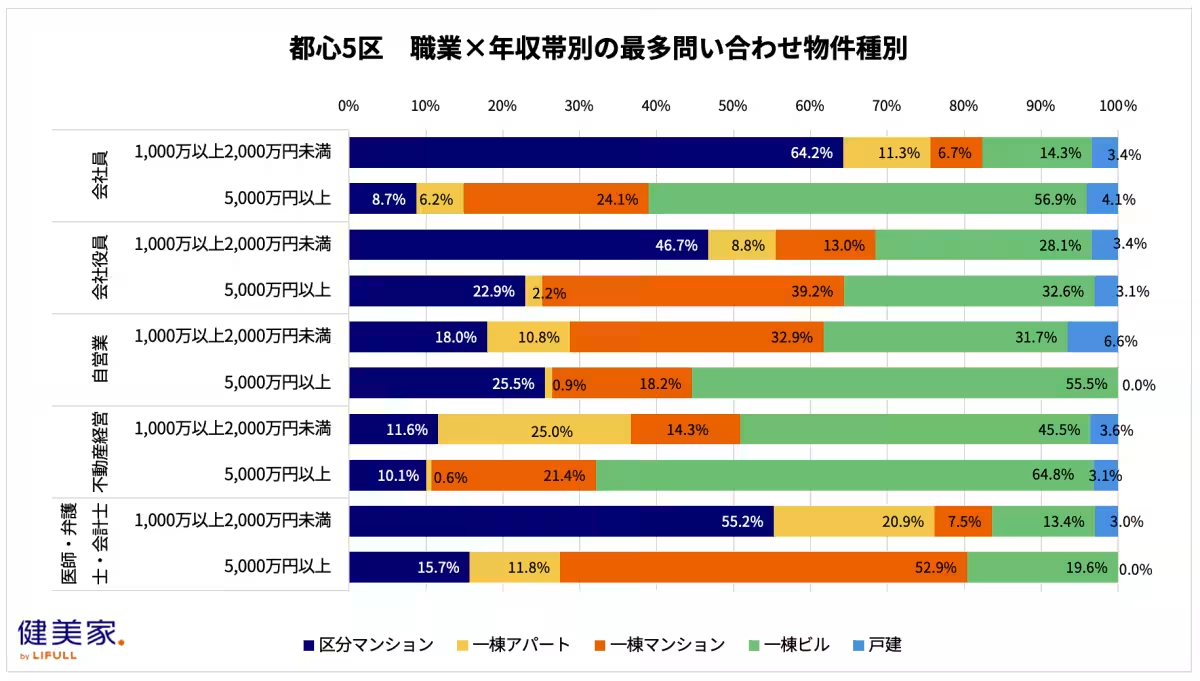
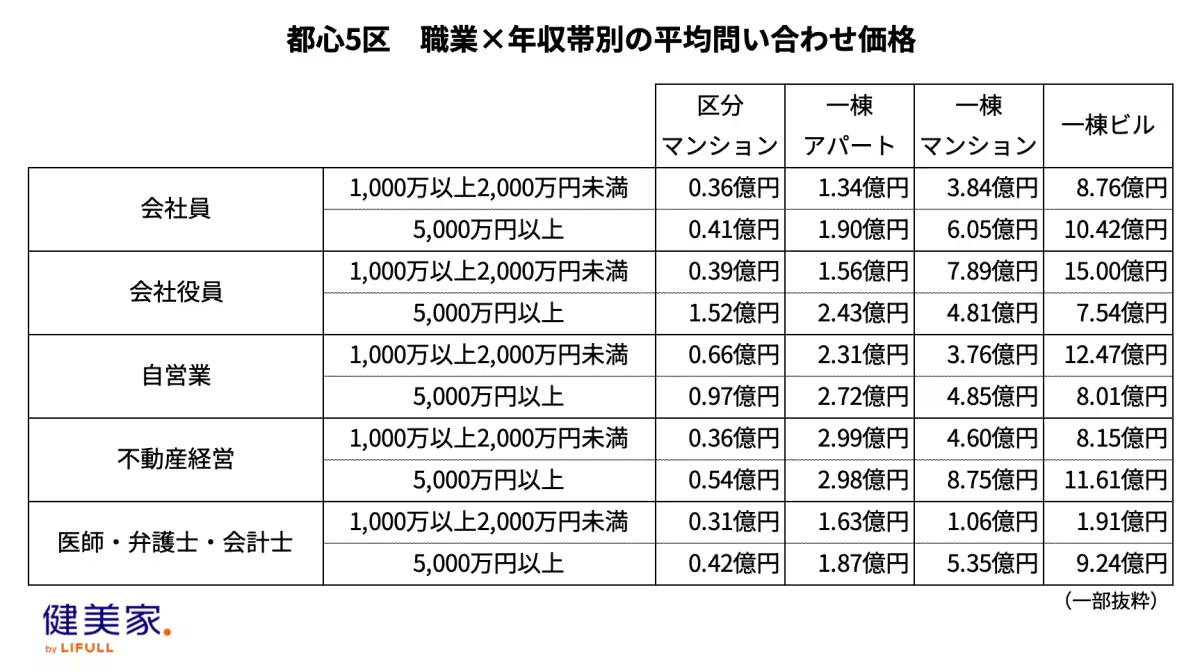
Furthermore, the distribution of inquiry prices among these individuals amplifies the distinction between wealth categories. A steep rise in inquiry prices corresponds with income elevation, highlighting that incomes over ¥50 million in particular transform investment preferences substantially, pushing these investors towards larger, multi-unit properties instead of segmental apartments.
The Shift in Investment Preferences
As incomes rise, the demand for larger properties increases. For instance, while employees and professionals generally inquire about segmented apartments at income levels of around ¥10 million, those earning ¥50 million and above predominantly shift their focus to larger buildings. This trend leaves a marked division based on professional stature; executives tend to favor larger apartment buildings, while self-employed individuals continue to show a preference for high-value segmented apartments, maintaining a robust demand even amid varying income levels.
Implications for Future Investments
The implications of Kenbiya’s findings indicate that a considerable portion of the investor demographic in Tokyo is composed of high earners, making property investments in the central districts increasingly selective and competitive. As entry barriers escalate, understanding market dynamics becomes even more critical for both current and prospective investors.
The data substantiates that despite the high stakes of investment in these prime districts, there remains a persistent demand rooted in substantial financial power among the investors. The differentiation in property type preferences, even among high earners, reveals a need for tailored investment strategies based on personal or professional financial status.
Conclusion
In conclusion, the report produced by Kenbiya underlines a distinct divide between the central Tokyo real estate market and the rest of the nation, driven largely by an influx of high-income investors. A deeper understanding of income sources and investor profiles will be essential for navigating the Tokyo real estate landscape going forward. Regardless of future economic changes or interest-rate adjustments, the high-value investment segment appears poised for continued growth, with nuanced demands that reflect a variety of professional backgrounds and investment strategies. Kenbiya aims to further illuminate these trends with ongoing data analysis and insights, ensuring that investors are well-informed for future decisions in this dynamic market.

Topics Consumer Products & Retail)







【About Using Articles】
You can freely use the title and article content by linking to the page where the article is posted.
※ Images cannot be used.
【About Links】
Links are free to use.