



Unveiling the Familial Gap: Understanding Real Estate and Succession Rights Before Inheritance
Unpacking the Reality of Succession Planning in Real Estate
Recent research conducted by Chuo Property Co., Ltd. surveyed 240 individuals aged between 40 and 70 across Japan to explore the awareness and communication surrounding real estate inheritance challenges. The study reveals some alarming statistics about the understanding of family real estate value and rights prior to inheritance.
Key Findings
A Significant Overlap of Potential Real Estate Inheritance
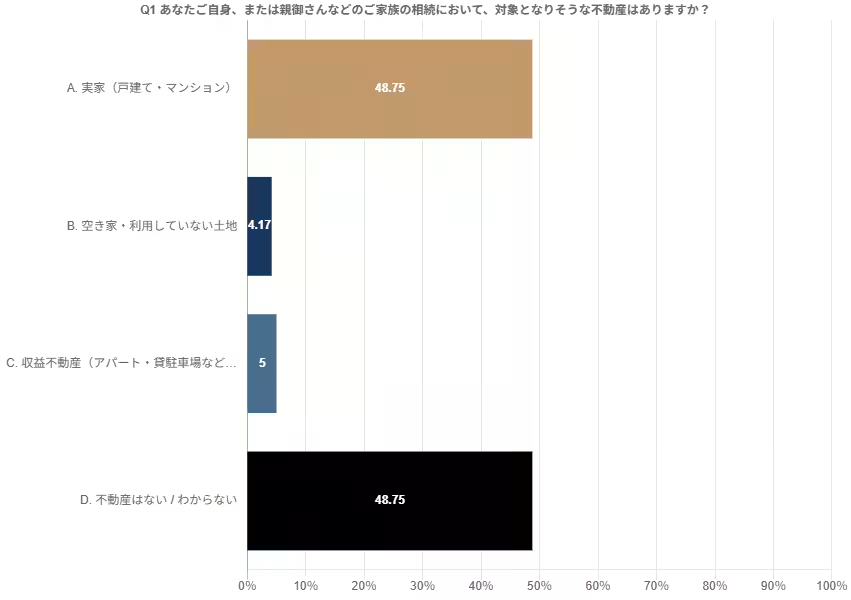
The survey indicated that nearly half of the respondents (48.75%) identified familial property—such as houses or apartments—as potential candidates for inheritance. This statistic highlights a concerning trend: while many individuals face the reality of inheriting property, there appears to be a lack of proactive discussions regarding these inheritances among family members.
Communication Gaps Among Families
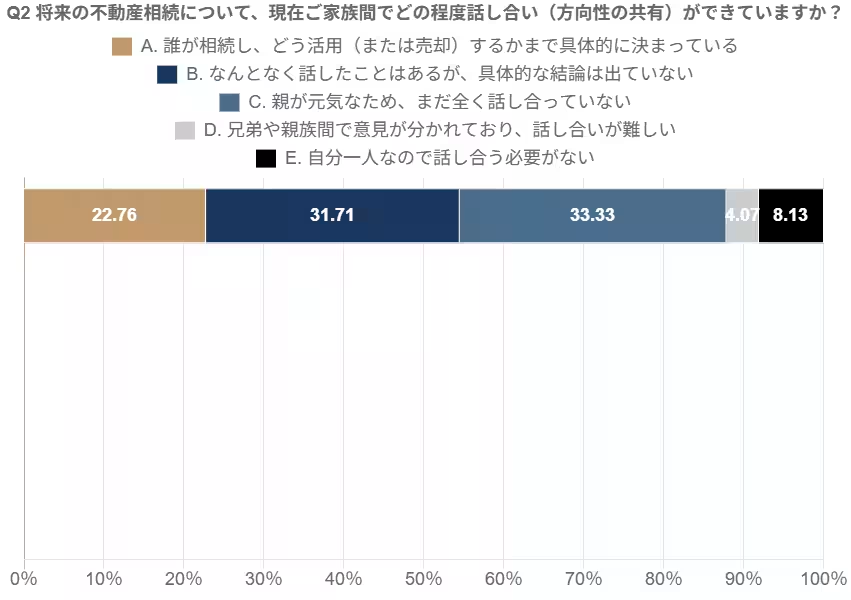
The findings illustrate that about 65% of participants admitted to having vague or no discussions about property inheritances. A significant portion of the respondents indicated they have either barely discussed these topics or have not done so at all—specifically, 31.71% acknowledged they have had some discussions but lack concrete conclusions, while 33.33% admitted they have not discussed it because their parents are still healthy. This lack of communication can lead to misunderstandings and complications later, especially when it comes to managing inherited real estate.
Recognizing Risks of Unawareness
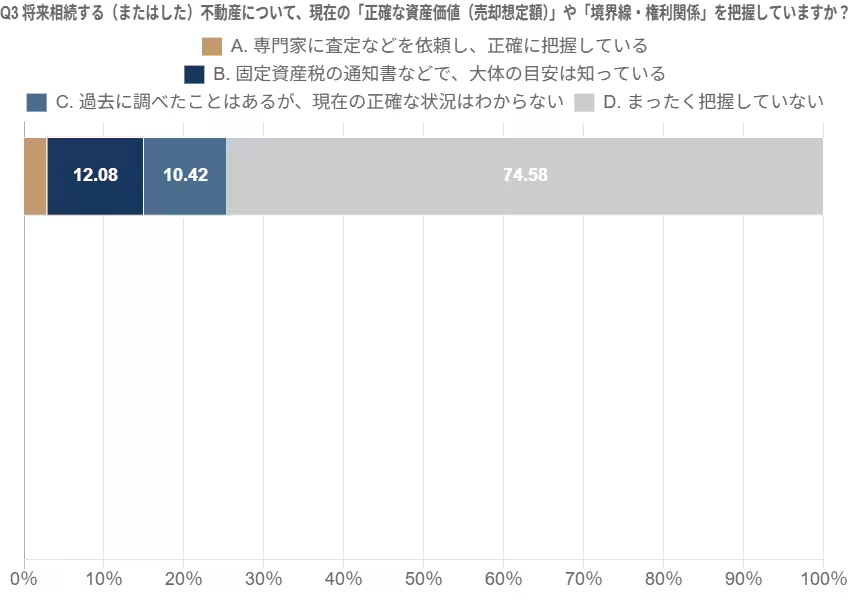
One of the most alarming insights from the survey disclosed that a staggering 74.58% of the respondents do not have a firm grasp on the accurate asset values, boundary lines, or rights linked to the properties they might inherit. In total, when accounting for those who had previously researched but are unsure about the current value (10.42%), about 85% lack an accurate understanding of their situation. This ignorance regarding real estate valuations and rights may subsequently lead to disputes among family members, particularly concerning the division and sale of inherited property.
Barriers to Taking Action
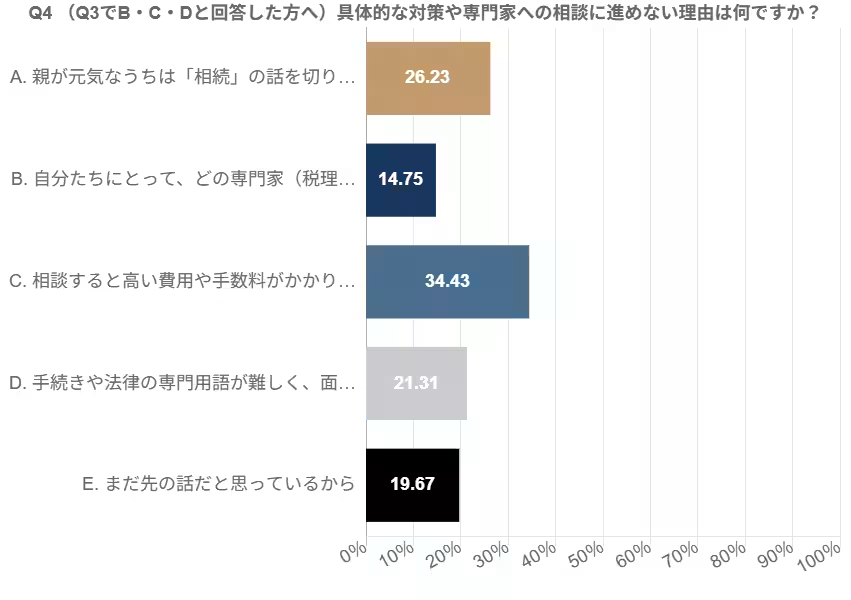
When questioned about why they are hesitant to pursue solutions or seek expert advice regarding these inheritances, respondents cited several factors. The primary reason, pointed out by 34.43%, was the anticipated financial burden associated with consultations. In addition, 26.23% shared that they find it challenging to bring up the inheritance discussions with their healthy parents. Other concerns include the complexity of legal terms and processes (21.31%) and an overall perception that these issues can be addressed later on.
Demand for Accessible Solutions
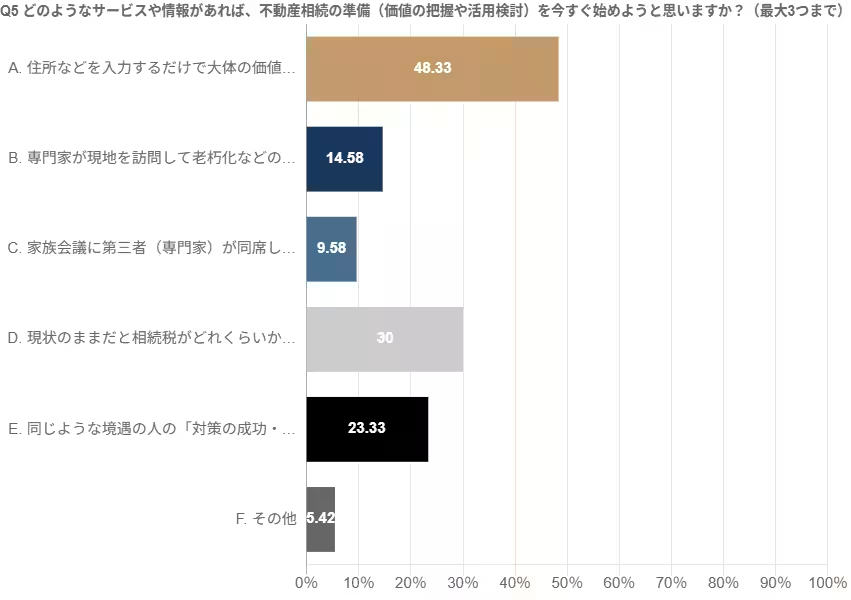
The survey also probed what kinds of services could facilitate easier transitions into effective inheritance planning. Nearly half (48.33%) expressed interest in a simple simulation tool where inputting property addresses could reveal approximate values. Furthermore, 30% indicated a need for free diagnostic reports predicting potential inheritance tax based on current circumstances, and 23.33% wanted access to informative resources detailing previous success or failures experienced by others in similar situations. Such tools and resources would significantly lower both financial and psychological barriers to initiating inheritance discussions.
Insights from the CEO, Masakazu Matsubara
Matsubara, the representative director of Chuo Property, commented on the survey insights, emphasizing the pressing need for families to confront these inheritances proactively. He recognized while it may be emotionally taxing to discuss inheritance with healthy parents, neglecting this crucial conversation can transform what could be manageable into substantial future burdens on families.
The common concern over high consultation fees can deter individuals from seeking professional assistance, but Chuo Property has structured its services to lessen the financial strain by offering a no-cost model for advising on property sales. Matsubara encourages families to approach inquiries as the first step in mitigating future concerns, reiterating the importance of transparent communication regarding family real estate assets.
Conclusion
This survey underscores a critical necessity for families to engage in dialogue about potential inheritances long before the need arises. As the landscape of familial real estate inheritance continues to evolve, creating accessible tools and fostering open communications are essential strides towards reducing confusion and preventing conflicts. Families should be mindful that starting these discussions now can lead to smoother transitions in the future, ensuring everyone is on the same page regarding property rights and values.
For further details on navigating these complexities, Chuo Property provides expert advice and tailored solutions for families confronting real estate inheritance.
Topics Consumer Products & Retail)


【About Using Articles】
You can freely use the title and article content by linking to the page where the article is posted.
※ Images cannot be used.
【About Links】
Links are free to use.