



Protecting Our Dining Tables: Modern Lifestyle Changes in Response to Rising Prices
Protecting Our Dining Tables: Modern Lifestyle Changes in Response to Rising Prices
In June 2025, Japan Information Co., a prominent marketing research firm based in Tokyo, conducted a nationwide survey across diverse demographics to assess the changing attitudes and behaviors of Japanese households in light of rising prices. The study, which surveyed 1,067 participants aged between 20 and 69, revealed intriguing findings about how inflation is reshaping consumer habits.
Key Findings
Gender and Age Disparities
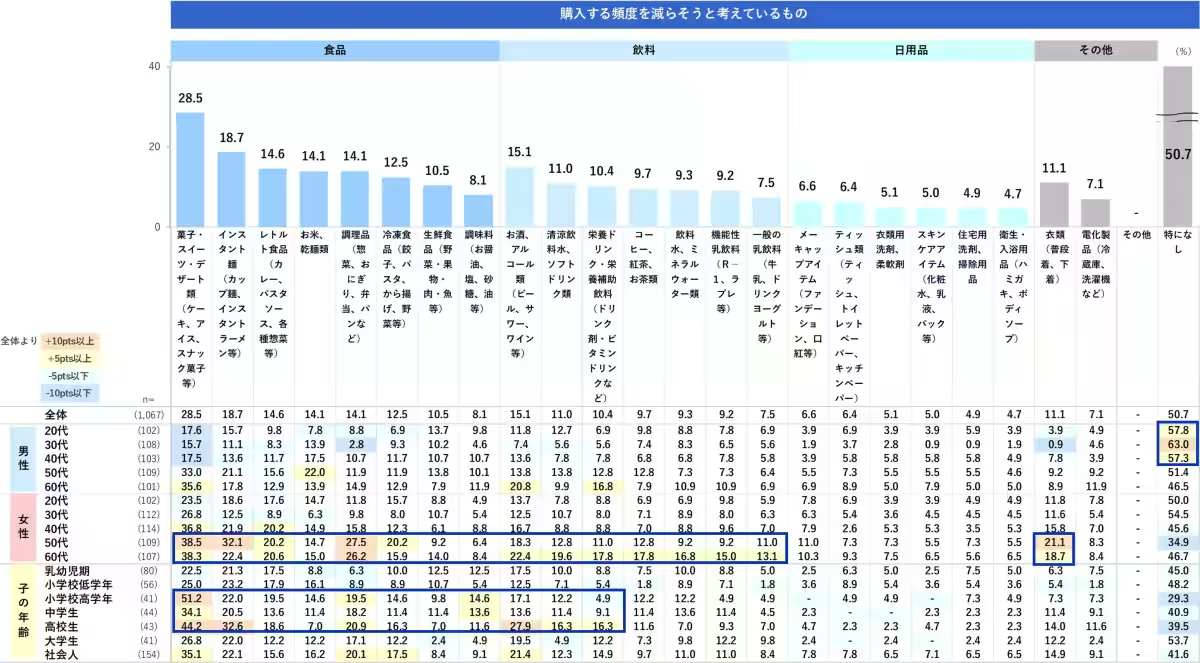
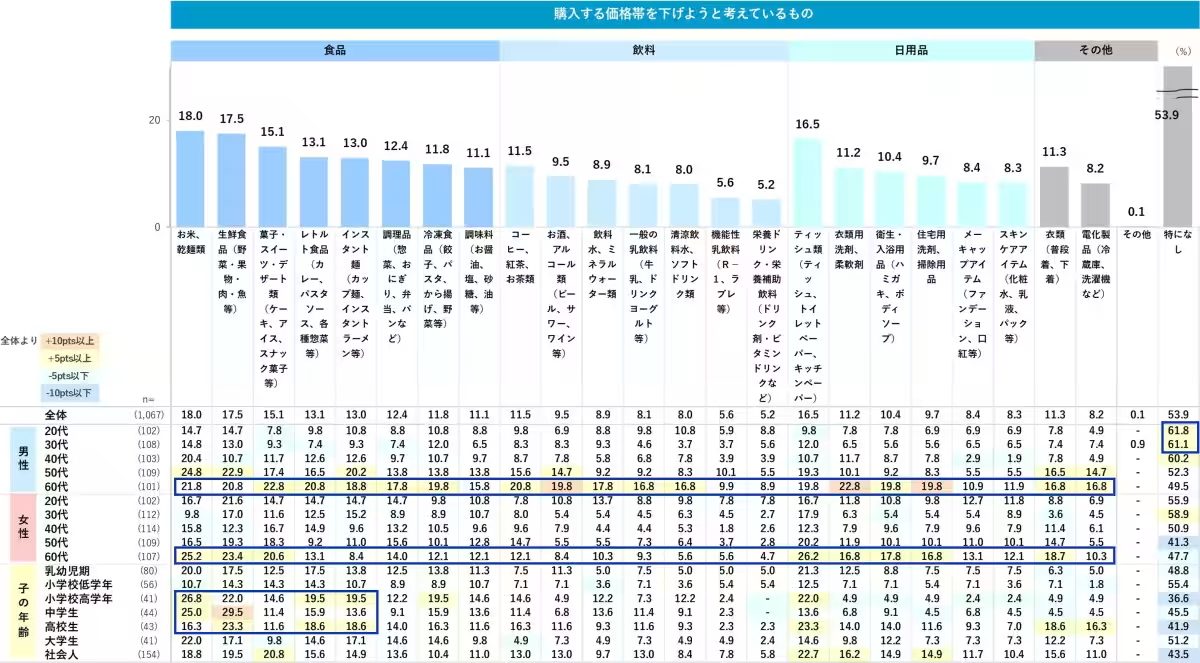
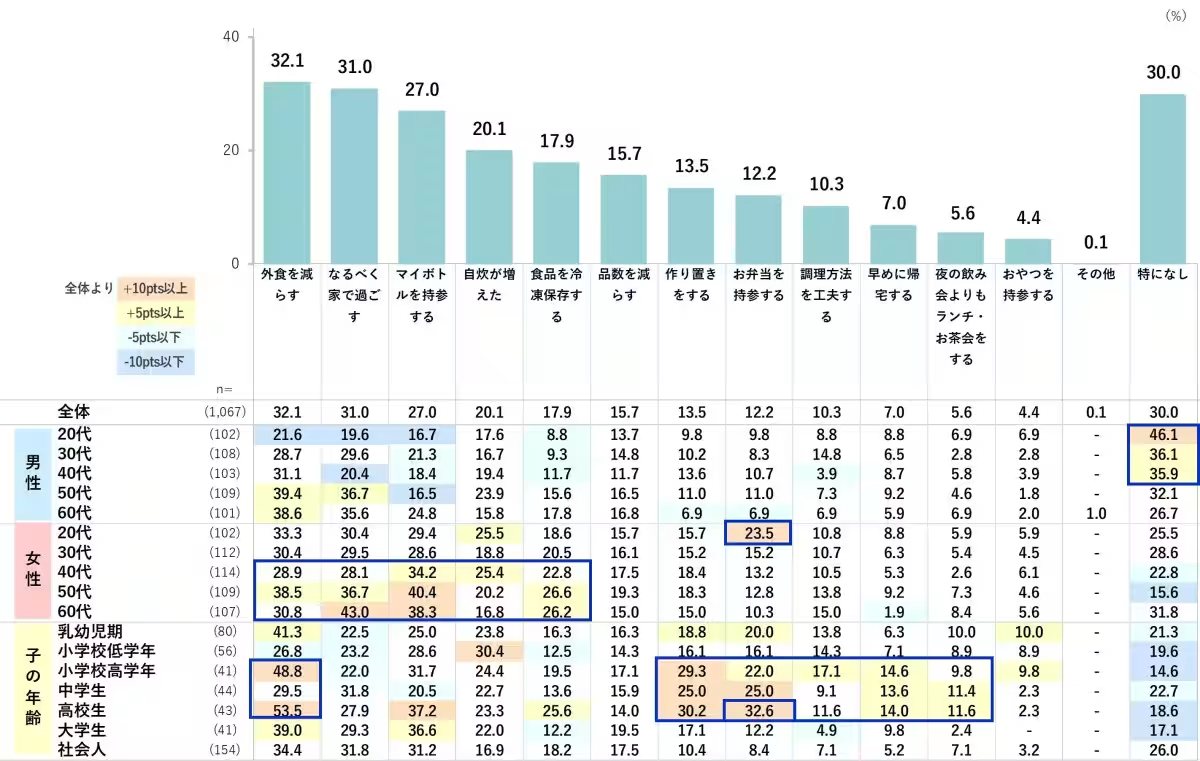
The analysis indicated a significant difference in how various demographics are responding to the escalating costs. Women, particularly those in their 40s to 60s and parents of school-age children, displayed notable shifts in purchasing behavior compared to their male counterparts, especially young men in their 20s and 30s, who largely reported no change in their attitudes.
Decreased Purchasing Frequencies
When asked about products they were purchasing less frequently, almost 28.5% of participants pointed to sweets and desserts, 15.1% identified alcoholic beverages, and 6.6% mentioned cosmetic items. This highlights a clear trend indicating that food items are primarily affected by the prevailing frugality mindset. Additionally, nearly 50% of respondents reported no specific items for which they reduced purchasing frequency.
The survey also found categories where consumers are opting for cheaper alternatives, with 18% indicating a preference for less expensive staples such as rice and dried noodles, as well as fresh foods and essential household items like tissue paper.
Lifestyle Adjustments
Approximately 70% of respondents acknowledged some change in their lifestyle due to sustained price increases. The most common adjustment was a reduction in dining out, accounting for 32.1% of participant feedback, emphasizing the challenges many families face in managing expenses. Notably, women and parents were significantly more likely to report behavioral changes, while a considerable portion of younger men cited no adjustments in their spending habits.
The Rise of Alternative Staples
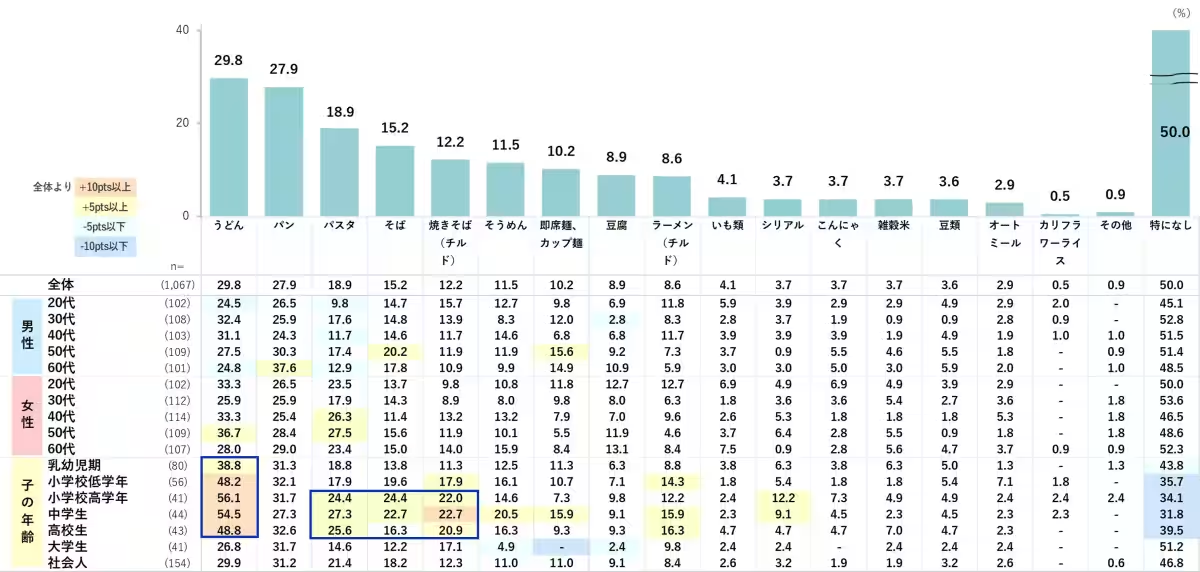
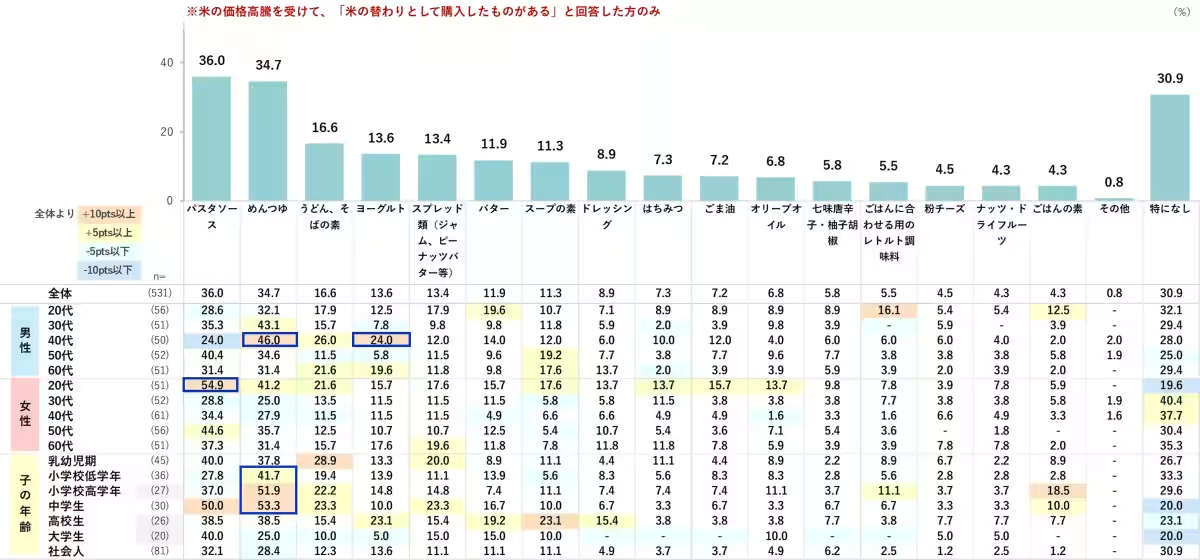
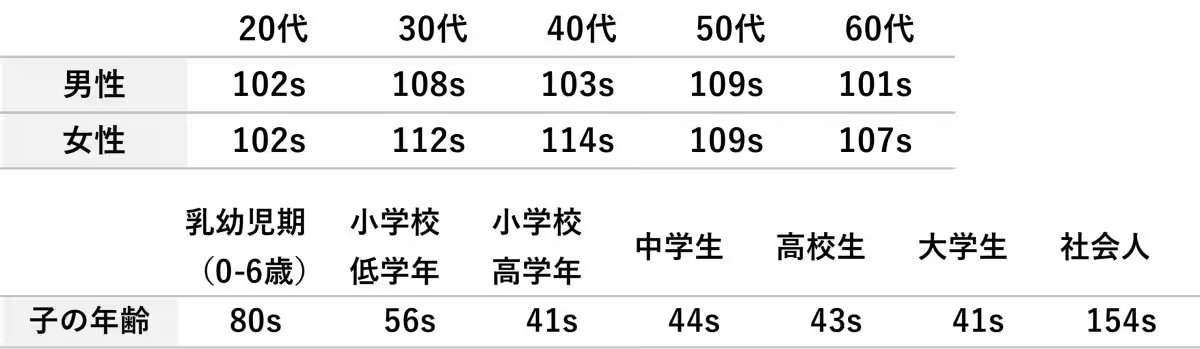
In the wake of rising rice prices, 60% of respondents reported actively seeking alternative staples, such as udon and bread, which have both surged in preference. Interestingly, among parents with school-aged children, this trend was even more pronounced, indicating a shift in meal planning habits that favor inexpensive options. Udon, in particular, has become a prevalent substitute for families, with nearly 38.8% of parents of young children opting for it regularly, showcasing the broader shift in dietary choices.
Frequency of Rice Consumption
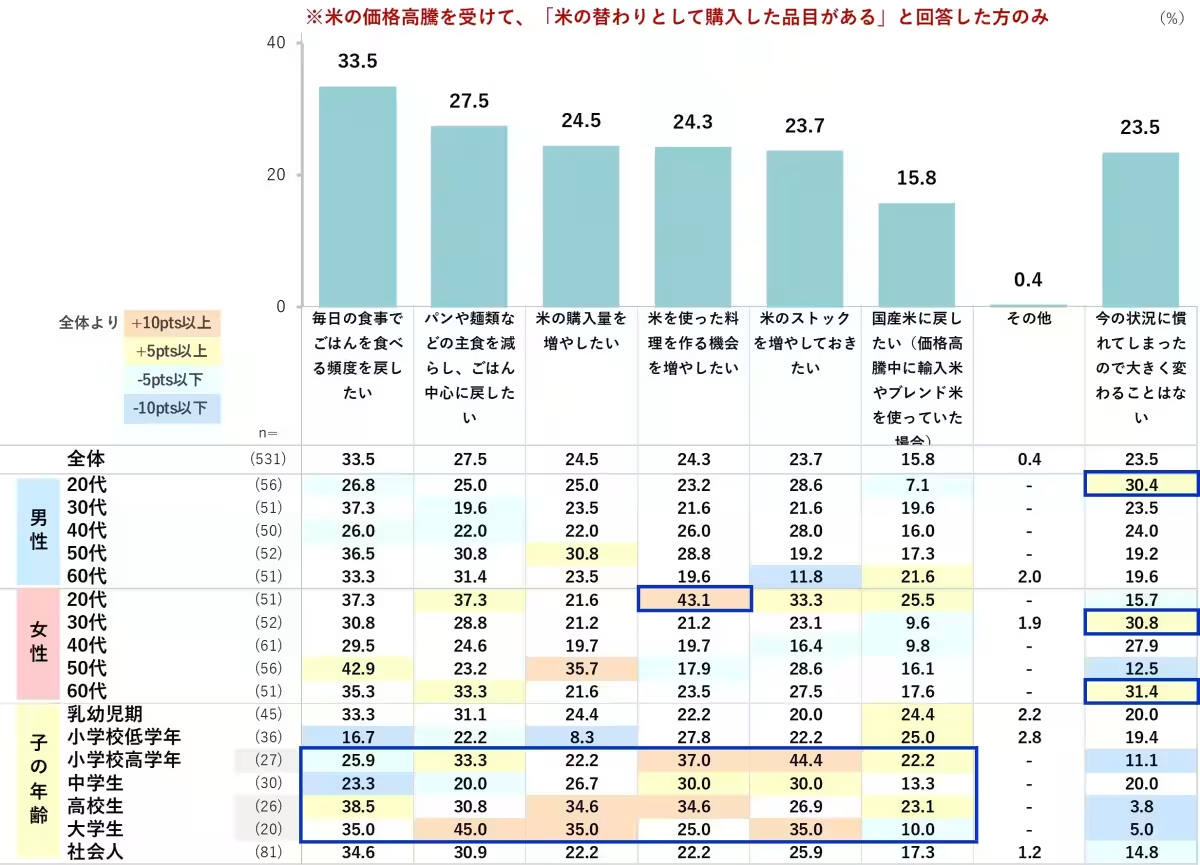
If rice prices were to stabilize, a remarkable 80% of respondents expressed a desire to increase their frequency of rice consumption. This interest was especially prominent among younger women who indicated a willingness to prepare more rice-based dishes. In contrast, some older demographics expressed resigned acceptance of the current situation, signaling a divide in attitudes based on age and gender.
Conclusion
This survey highlights a significant trend toward changing consumer behaviors in Japan, notably among women and families responding to food price inflation. Such insights underscore the necessity for brands and retailers to adapt to the evolving landscape of consumer preference. With the ongoing financial pressures on households, understanding these shifts will be critical for addressing the needs and concerns of modern consumers.
In an age where inflation is a pressing issue, it is essential for households to cultivate adaptable strategies for budgeting and meal planning. Those interested in a deeper understanding of these trends can request detailed results and analyses from the Japan Information Co. report. For further inquiries, please contact us through our official website.

Topics Consumer Products & Retail)




【About Using Articles】
You can freely use the title and article content by linking to the page where the article is posted.
※ Images cannot be used.
【About Links】
Links are free to use.