



Analysis of Infection Status and Healthcare System in Okayama University as of January 2026
Overview of the Infection Status and Healthcare Analysis in Okayama
As of January 26, 2026, Okayama University has compiled data on infection reports and healthcare systems sourced from the Okayama Prefectural homepage. This analysis is added with comments from local experts in Okayama and will be updated weekly.
We aim to present this information succinctly, similar to the latest monitoring analysis published by Tokyo's authorities, for a clearer understanding of the local situation. Although the World Health Organization has declared the end of the COVID-19 pandemic, life is gradually returning to normal in Japan. Nevertheless, it remains crucial to stay informed about infection rates and the healthcare infrastructure in Okayama, so that residents can take necessary preventative measures in their daily lives.
Infection Status and Healthcare System Analysis (As of January 26, 2026)
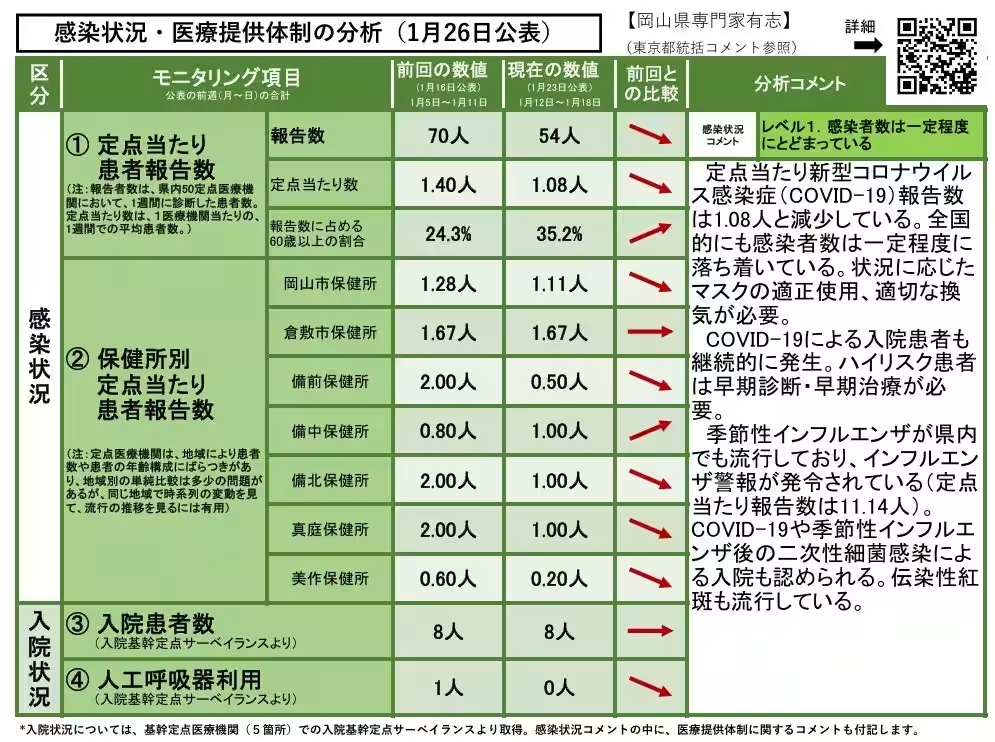
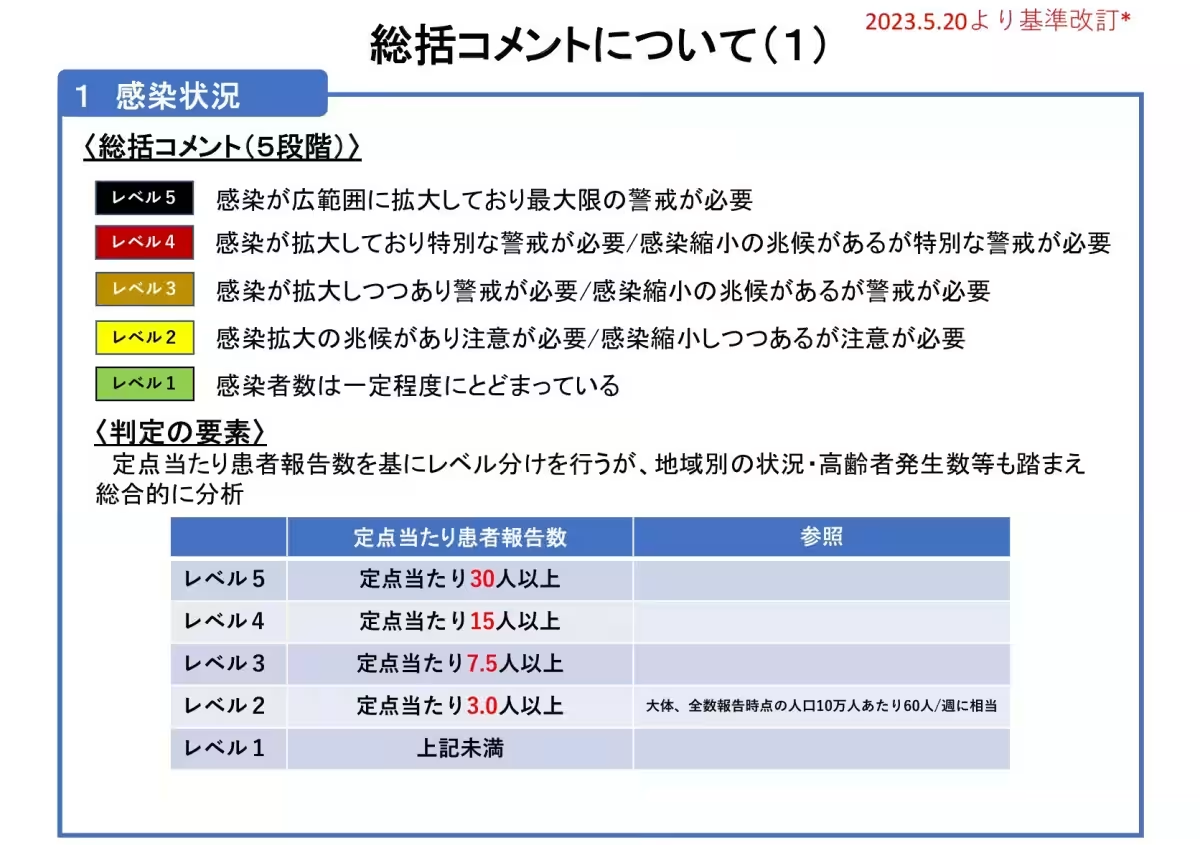
The current infection level in Okayama is categorized as Level 1, indicating a stable number of COVID-19 cases. As of now, the reported COVID-19 cases per monitoring location have decreased to 1.08, showing a consistent decline. Nationwide trends also suggest a steady situation with infections stabilizing.
Proper mask usage and adequate ventilation continue to be essential practices. Hospitalizations due to COVID-19 persist, signifying the importance of early diagnosis and treatment for high-risk patients.
Additionally, seasonal flu outbreaks have been detected in Okayama, leading to the issuance of an influenza warning, with a reported case number of 11.14 per monitoring site. Instances of secondary bacterial infections arising post-COVID-19 and seasonal influenza are also noted. Furthermore, there is a noted increase in cases of infectious erythema.

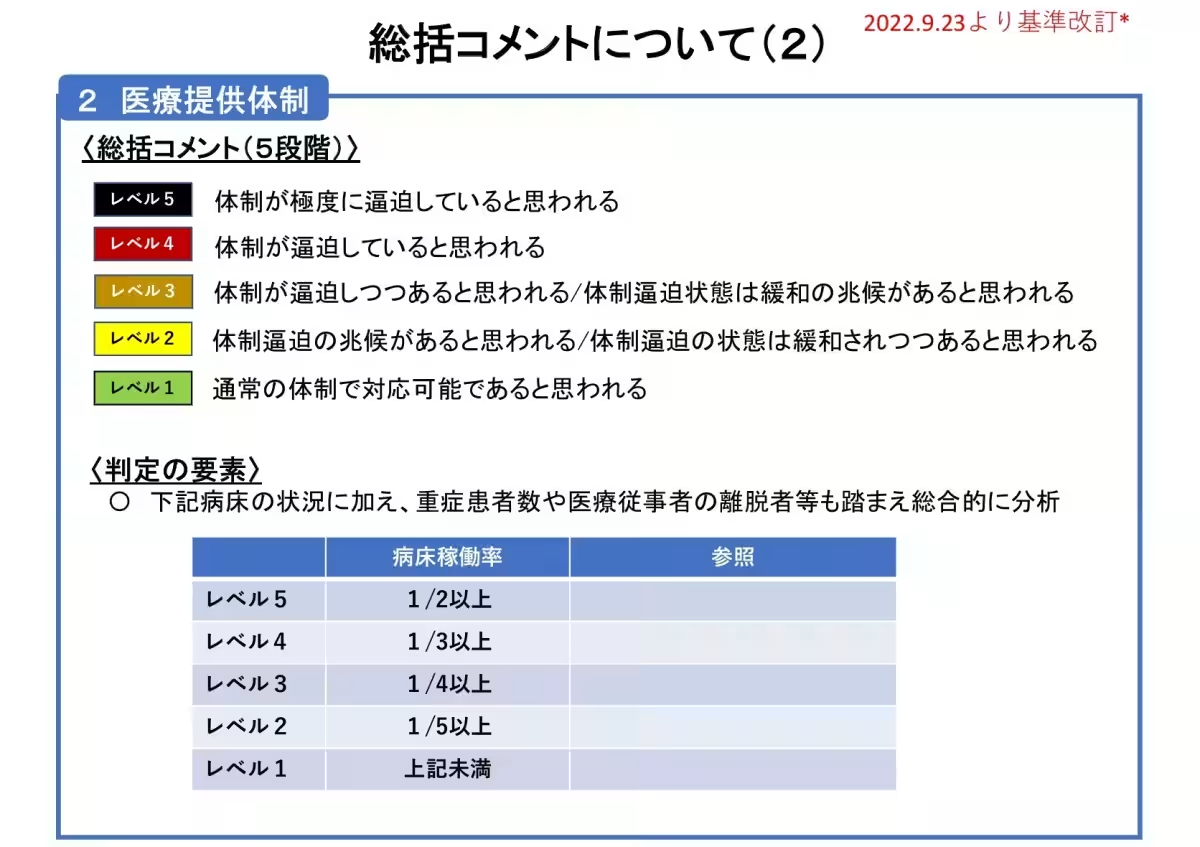
Infection Status and Healthcare System Evaluation Criteria
For a thorough understanding of infection trends and healthcare system responses, the following experts from Okayama University contributed to this analysis:
- - Takashi Raido, Okayama University, Graduate School of Medicine, Dentistry and Pharmaceutical Sciences, Epidemiology and Public Health
- - Hidehiro Hagiya, Okayama University Hospital, General Internal Medicine
- - Koji Fujita, Tsuyama Central Hospital, General Internal Medicine and Infectious Diseases
- - Yasunori Ichimura, National Center for Global Health and Medicine, International Medical Cooperation Division
- - Daisuke Yoshioka, Kawasaki Medical University, Clinical Infectious Diseases
The analysis is aimed at serving the residents by keeping them informed about local healthcare responses and infection dynamics.
Future Insights and References
Continuing support and monitoring efforts are necessary to maintain public health and safety. The ongoing updates will include relevant data and expert commentary to assist locals in making informed choices about their health practices. Fortunately, both the healthcare system and the infection rates are showing promising trends displayed in this analysis.
Reference Links:
- - Okayama Prefecture Infection Reports
- - Influenza Warning Updates
- - COVID-19 Monitoring and Healthcare Support
In conclusion, this ongoing analysis serves to provide insights into the current infection status and healthcare infrastructure, aiding the public in preventive health measures.
Topics Health)
【About Using Articles】
You can freely use the title and article content by linking to the page where the article is posted.
※ Images cannot be used.
【About Links】
Links are free to use.