




Exploring the Integration of Generative AI in Media Management: Opportunities and Challenges
Exploring the Integration of Generative AI in Media Management
In the rapidly evolving arena of digital media, the incorporation of generative AI technologies in owned media management is becoming increasingly common. A survey conducted by LiKG, a Tokyo-based web marketing firm, sheds light on the current landscape of media management by examining how companies are utilizing AI tools and what challenges they face in this transition.
Background of the Survey
The role of owned media in corporate branding and marketing has become indispensable. However, companies often struggle with limited budgets, insufficient resources, and a lack of expertise—all of which pose challenges to sustainable media operations. The recent survey was aimed at marketing personnel engaged in day-to-day media management, uncovering the practical realities and hurdles they encounter.
Key Findings from the Survey
Content Update Frequency
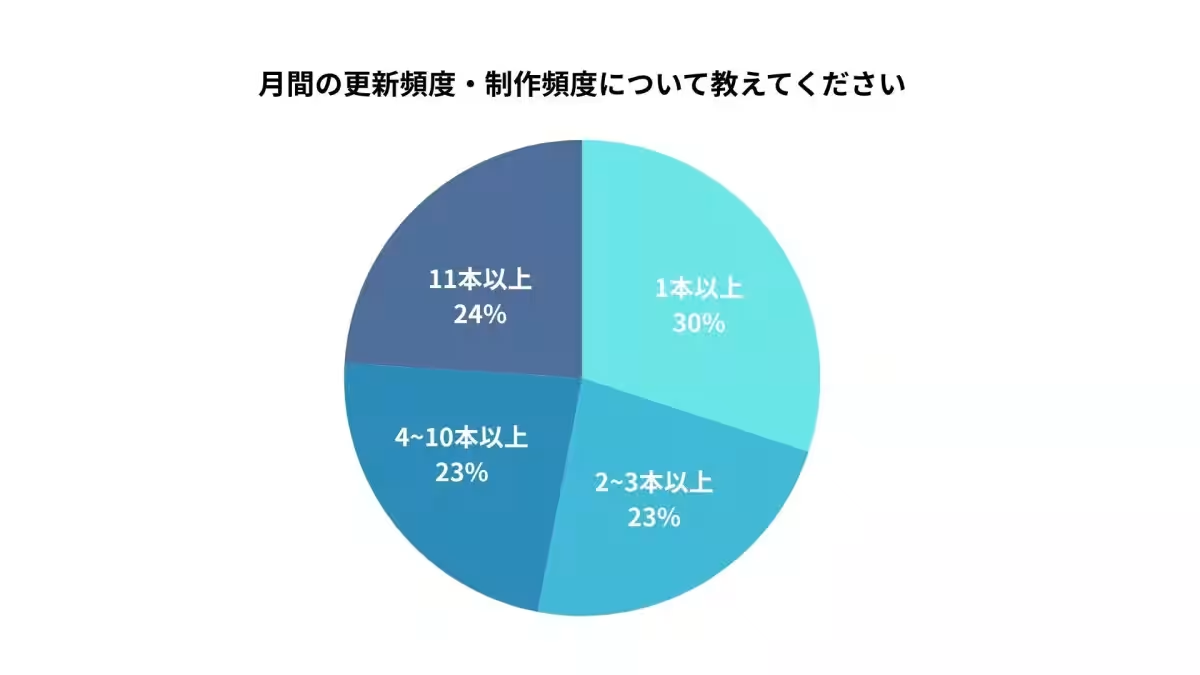
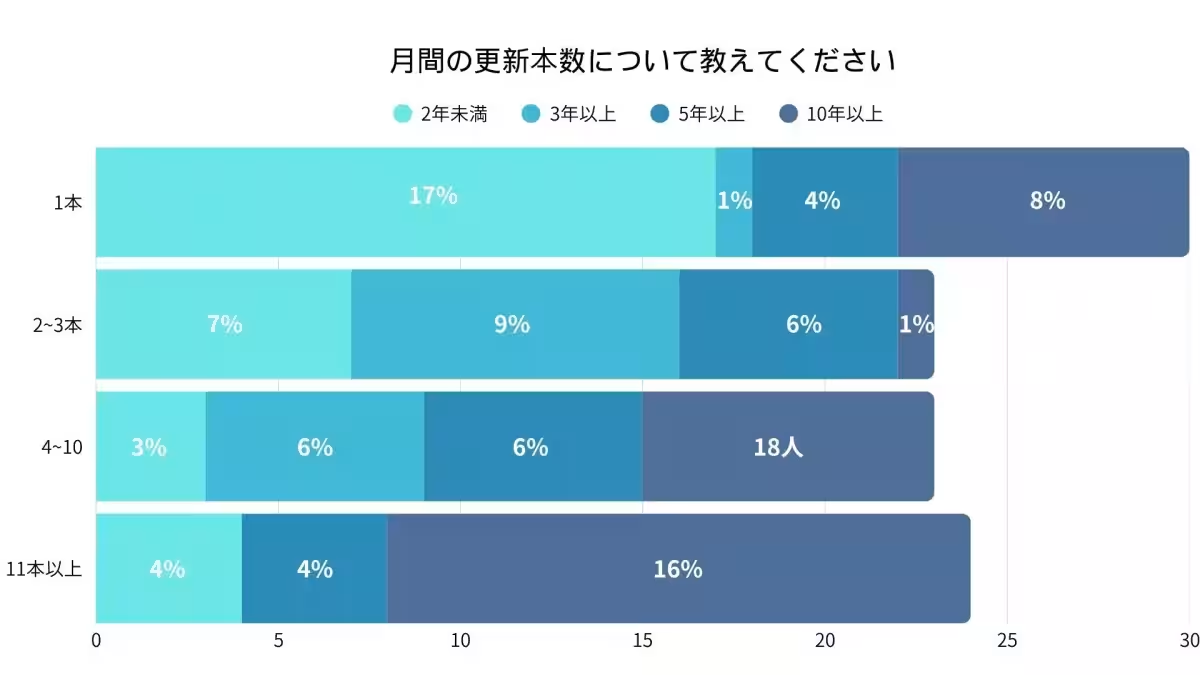
About half of the media organizations that have been operating for over ten years update their content more than 15 times a month. The survey revealed the following breakdown:
- - 30 respondents reported updating 1 article per month.
- - 23 respondents reported 2-3 articles.
- - 23 others said they updated 4-10 articles.
- - Finally, 24 respondents updated 11 or more articles monthly.
Notably, of those updating more than 11 articles, 16 had been in operation for over a decade, indicating that longer operational tenure correlates with a higher update frequency. This consistent flow of information is critical for building authority and engaging audiences.
Utilization of External Resources
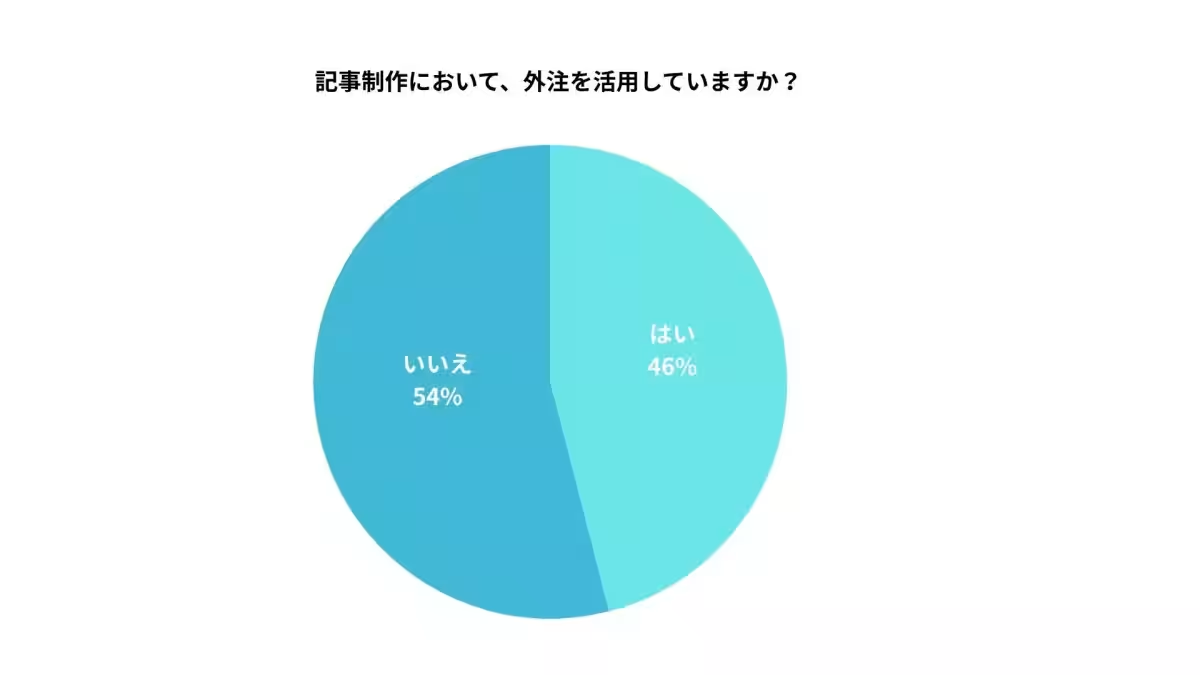
The findings also indicated that nearly half of the respondents employ external resources for content production. Among the benefits identified were:
- - The ability to introduce fresh perspectives from experts in the field.
- - Speedier production timelines.
- - Enhanced accuracy due to specialized expertise.
However, challenges remain, including:
- - Additional costs associated with outsourcing.
- - The risk of misalignment with expected outcomes, leading to increased revision costs.
- - A lack of internal knowledge build-up regarding production processes.
Ultimately, 46% of the respondents confirmed they do utilize external resources, highlighting an industry-wide trend aiming to maintain content update frequency while managing production workloads.
KPI Establishment
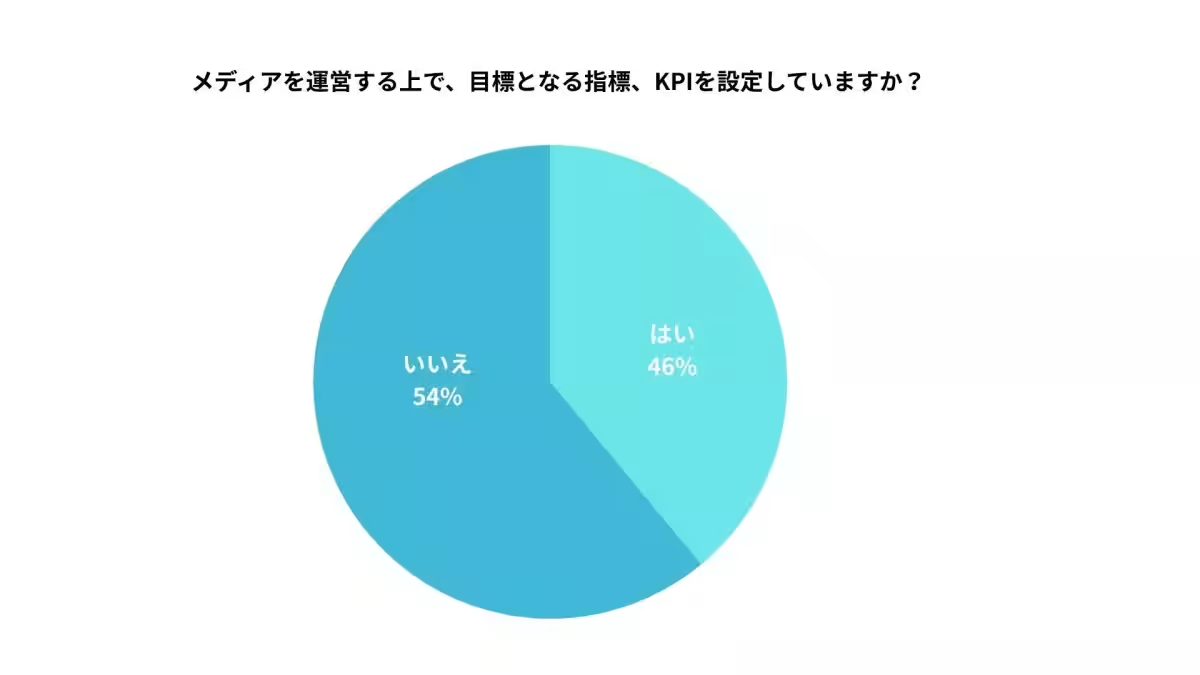
The survey revealed that only about 40% of media operators have established key performance indicators (KPIs) for their operations. This significant gap raises concerns about the clarity of objectives and metrics guiding media strategies. While common KPIs might include page views and conversion rates, it is crucial for organizations to tailor these metrics to their specific operational goals.
LiKG's CEO, Mitsuo Kondo, remarked, "Understanding and establishing a set of KPIs tailored to the unique goals of each media outlet is crucial for successful outcomes. Companies often overlook this step, partly due to the opaque nature of Google’s search algorithms." Thus, regular reviews and adjustments of KPIs remain essential in moving toward a successful media strategy.
Engagement with Generative AI
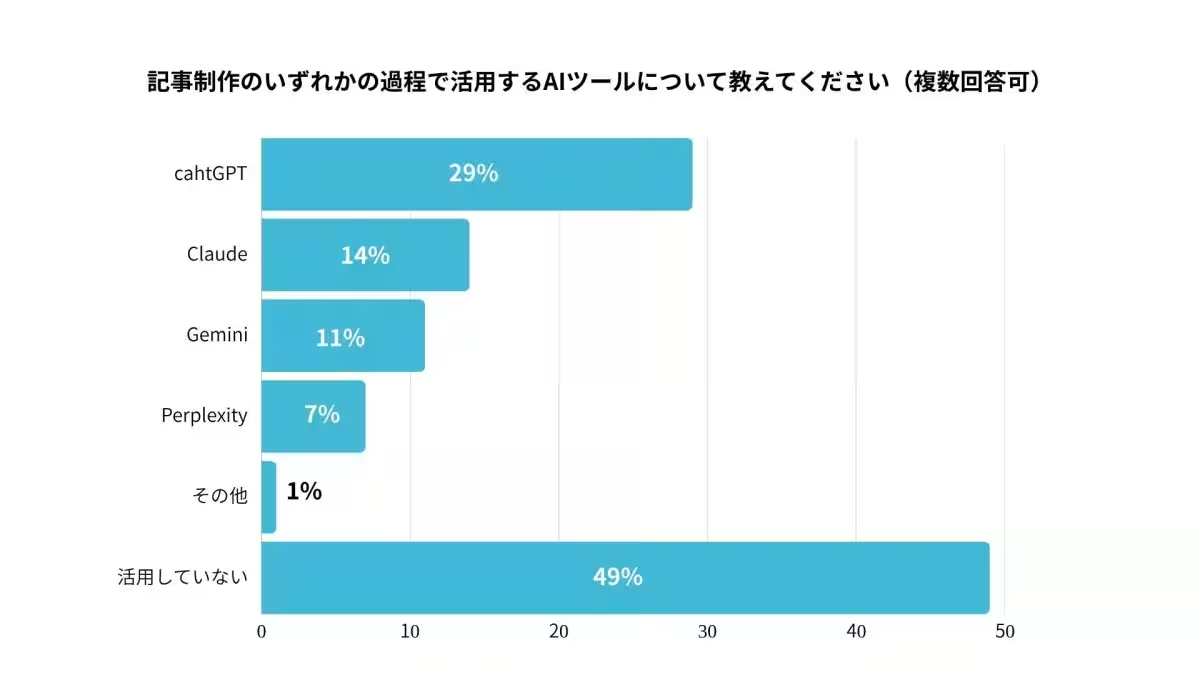
Interestingly, about half of the total respondents reported having used generative AI in some stage of content production. The predominant tool employed was ChatGPT, yet opinions were mixed regarding its effectiveness:
- - AI can help skew creative ideas but often lacks precision in final outputs.
- - While it can hasten content generation, many users found that fact-checking and corrections ultimately required more time.
Mitsuo Kondo stated, "In the era of AI, the quality of articles produced remains paramount. Google emphasizes the importance of original, in-depth content over generic, AI-generated outputs. The success of media operations hinges on the unique insights and knowledge that can’t be replicated by AI alone."
Implications for Future Media Management
The findings of this survey underscore the potential of generative AI and external resource utilization to elevate productivity within modern media operations. Unlike instant marketing tactics, effective content marketing via digital media necessitates consistent updates and strategic engagement.
LiKG is committed to partnering with clients throughout the strategic design and creation phases of media management, aiming to establish long-term value as part of continuous improvement efforts. As prevailing challenges are addressed, the focus will remain on producing high-quality content and providing supportive assistance.
Survey Details
- - Survey Period: July 16-19, 2025.
- - Methodology: Internet survey leveraging panels from the research company freesy.
- - Target Audience: Marketing professionals managing web media across a range of demographics.
- - Sample Size: 100 responses.
Conclusion
This recent investigation by LiKG has illuminated the various aspects of media management in the context of generative AI integration. By leveraging external expertise and technological advancements, organizations can navigate ongoing challenges and bolster their media strategies for sustained success.


Topics Business Technology)
【About Using Articles】
You can freely use the title and article content by linking to the page where the article is posted.
※ Images cannot be used.
【About Links】
Links are free to use.