



Effective Nutrition and Habits to Enhance Children's Study Focus
As summer vacation approaches, students preparing for entrance exams are entering a crucial phase for consolidating their skills and knowledge. Maintaining concentration and focus during study sessions is essential, especially as the heat intensifies. Many parents are likely to provide their children with various snacks, such as chocolate, sweets, or caffeinated drinks, to encourage a study boost.
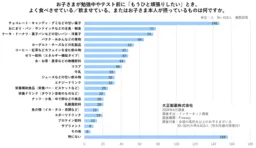
A survey conducted by Taisho Pharmaceutical targeted 410 parents with children in high school or above, aiming to explore their awareness of nutrition and eating habits during study times. Findings revealed that the most frequently consumed snacks during study sessions were 'sweets like chocolate, candies, and gummies' (146 responses), followed by 'staples like rice balls, bread, or sandwiches' (77 responses), and 'sweet pastries and desserts like cakes and doughnuts' (74 responses). These choices suggest that easy-to-consume sugary snacks are popular for boosting spirits during intense study sessions.
Interestingly, 155 respondents indicated they had no specific preferences regarding snacks or drinks for study time, indicating that a significant number of families do not consciously consider nutrition while studying.
When asking about specific nutrients and foods they consciously promote to sustain concentration and energy levels, more than half (247 responses) answered with 'not particularly conscious/don't know'. This reflects that few families connect their children's study habits with specific nutrients.
The most noted essential nutrients included 'glucose (from staple foods like rice and bread)' (75 responses), 'protein (from meat, fish, eggs, and soy products)' (71 responses), and 'hydration from regular water intake' (53 responses). While awareness of the high glucose needs of the brain and proteins necessary for growth and neuronal health is notable, very few parents (just 13) recognized the importance of taurine, a nutrient linked to stress responses and autonomic nervous system regulation, highlighting a gap in nutritional awareness.
Concentration during study sessions cannot solely rely on a student's willpower. Factors such as sleep deprivation, hunger, nutritional deficiencies, and stress can significantly impact one’s ability to focus, leading to irritability, fatigue, or forgetfulness during critical learning moments.
To better support their children during these demanding study times, how can parents facilitate key dietary practices and lifestyle habits? Dr. Eiji Kusumi, an internal medicine specialist with extensive experience in everyday health management, provides valuable insights into nutrition and habits conducive to learning.
Dr. Eiji Kusumi, a specialist in internal medicine and hematology, graduated from Niigata University in 1999. He completed internal medicine training at Toranomon Hospital before entering hematology, where he has been involved in chemotherapy and bone marrow transplants for leukemia and blood cancers for many years. He also has expertise in infectious diseases, vaccinations, and travel medicine. In December 2024, he will open a multi-faceted clinic, the Tachikawa Parks Clinic, combining internal medicine, pediatrics, and dermatology. His vast experience addressing everyday healthcare challenges makes him a trusted voice, often featured in TV and radio informational programs for his straightforward medical explanations.
Studying engages multiple brain functions that work simultaneously: maintaining 'concentration,' fostering 'perseverance and motivation,' recalling information for tests, and regulating emotions to minimize distractions from stress or anxiety. Each of these elements contributes to efficiently absorbing and retaining learned content.
However, many students may find themselves increasingly distracted, sleepy, or anxious over time, signaling that their mental and physical conditions may not be optimal for learning.
For instance, sleep deprivation not only reduces memory consolidation but also adversely affects learning efficiency by impairing judgment and emotional regulation through decreased activity in the prefrontal cortex.
Dehydration poses another serious risk, with the brain comprised of approximately 75% water; even mild dehydration can significantly affect concentration, cognitive functions, and mood. When in a dehydrated state, blood circulation and body temperature regulation are strained, often leading to fatigue and diminishing focus.
Additionally, skipping meals can limit glucose supply, depriving the brain of essential energy. The brain, although only about 2% of body weight, consumes roughly 20% of total bodily energy even while at rest. Undernourishment or missed meals can lead to a cascade of negative impacts on concentration and cognitive ability.
To facilitate optimal brain function, it’s crucial not only to focus on energy supply but also to ensure intake of various key nutrients that support neuronal communication, stress management, and autonomic nervous system function. Growth phases are particularly vital as both the body and brain experience rapid development during this time, necessitating increased nutrition to meet heightened demands during studies and physical activities.
In a study involving 20 healthy male university students, consuming 3g of taurine before engaging in mathematical challenges effectively suppressed increases in salivary amylase (a stress biomarker). Another study indicated that high school students receiving taurine-rich dinners exhibited better academic attitude and self-regulation. Preliminary research showed that university entrance examinees who consumed taurine-rich jelly reported improvement in motivation and self-discipline.
Aim to include a target of 20g of protein at each meal, utilizing eggs (6g), natto (8g), and yogurt for breakfast, and incorporating ample meat or fish for lunch and dinner, allowing an approachable way to reach daily needs. Snack suggestions for study times include yogurt, cheese, and milk, perfect for light sustenance while staying on track with nutritional goals.
Always combine staple carbohydrates with proteins and vegetables to achieve a well-rounded meal. To stabilize blood sugar levels, consider consuming foods in the order of vegetables, proteins, then carbohydrates, and aim to chew each bite about 30 times to facilitate digestion.
When hunger strikes during study sessions, nutritious snacks such as unsalted nuts, hard-boiled eggs, cheese, or yogurt with fruit serve as beneficial options. Maintaining balanced snacks helps to prevent spikes in blood sugar, steering clear of fatigue and disorientation.
Breakfast: Rice, miso soup, grilled fish, egg or natto, and fruit.
This well-rounded meal is rich in carbohydrates, proteins, B vitamins, iron, and taurine to provide balanced nutrients needed for morning activities. Quick options like boiled eggs, yogurt, nuts, or rice balls can be lifesavers on busy mornings.
Snacks Before Study Sessions: Nuts, yogurt, boiled eggs, cheese, or gel-type nutritional supplements.
When feeling hungry before studying, focus on light snacks to boost energy without overeating. Balance protein-rich foods with fiber-rich choices to sustain performance. Gel-based nutritional supplements also come in handy for inadequate meals.
Dinner: Rice, fish or meat dish, vegetable sides, and miso soup.
A balanced mix of staples, mains, and sides can provide necessary proteins, iron, and B vitamins along with additional taurine-rich ingredients like grilled fish or clam soup. If studying late, focus on lighter cooking methods and cease eating at least 2 hours before bedtime.
Late-Night Study Snacks: Water or caffeine-free herbal teas and easy-to-digest light snacks.
Should the late-night hunger arise, opt for small portions of easily digestible items such as hard-boiled eggs or yogurt to maintain energy without overeating. Prioritize rest after studying.
Additionally to dietary considerations, ensuring proper sleep, breaks, and conducive study environments is crucial for maintaining focus.
Studying impacts not only brain function but overall bodily health, nutrition, sleep quality, and stress management. During crucial times, ensuring children receive the needed energy and nutrients from daily meals is vital for cultivating a healthy mindset that supports their academic endeavors.
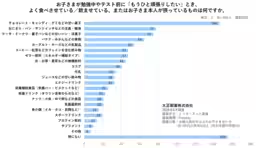


A survey conducted by Taisho Pharmaceutical targeted 410 parents with children in high school or above, aiming to explore their awareness of nutrition and eating habits during study times. Findings revealed that the most frequently consumed snacks during study sessions were 'sweets like chocolate, candies, and gummies' (146 responses), followed by 'staples like rice balls, bread, or sandwiches' (77 responses), and 'sweet pastries and desserts like cakes and doughnuts' (74 responses). These choices suggest that easy-to-consume sugary snacks are popular for boosting spirits during intense study sessions.
Interestingly, 155 respondents indicated they had no specific preferences regarding snacks or drinks for study time, indicating that a significant number of families do not consciously consider nutrition while studying.
When asking about specific nutrients and foods they consciously promote to sustain concentration and energy levels, more than half (247 responses) answered with 'not particularly conscious/don't know'. This reflects that few families connect their children's study habits with specific nutrients.
The most noted essential nutrients included 'glucose (from staple foods like rice and bread)' (75 responses), 'protein (from meat, fish, eggs, and soy products)' (71 responses), and 'hydration from regular water intake' (53 responses). While awareness of the high glucose needs of the brain and proteins necessary for growth and neuronal health is notable, very few parents (just 13) recognized the importance of taurine, a nutrient linked to stress responses and autonomic nervous system regulation, highlighting a gap in nutritional awareness.
Concentration during study sessions cannot solely rely on a student's willpower. Factors such as sleep deprivation, hunger, nutritional deficiencies, and stress can significantly impact one’s ability to focus, leading to irritability, fatigue, or forgetfulness during critical learning moments.
To better support their children during these demanding study times, how can parents facilitate key dietary practices and lifestyle habits? Dr. Eiji Kusumi, an internal medicine specialist with extensive experience in everyday health management, provides valuable insights into nutrition and habits conducive to learning.
Insights from Dr. Eiji Kusumi
Dr. Eiji Kusumi, a specialist in internal medicine and hematology, graduated from Niigata University in 1999. He completed internal medicine training at Toranomon Hospital before entering hematology, where he has been involved in chemotherapy and bone marrow transplants for leukemia and blood cancers for many years. He also has expertise in infectious diseases, vaccinations, and travel medicine. In December 2024, he will open a multi-faceted clinic, the Tachikawa Parks Clinic, combining internal medicine, pediatrics, and dermatology. His vast experience addressing everyday healthcare challenges makes him a trusted voice, often featured in TV and radio informational programs for his straightforward medical explanations.
Understanding Concentration Challenges in Studying
Studying engages multiple brain functions that work simultaneously: maintaining 'concentration,' fostering 'perseverance and motivation,' recalling information for tests, and regulating emotions to minimize distractions from stress or anxiety. Each of these elements contributes to efficiently absorbing and retaining learned content.
However, many students may find themselves increasingly distracted, sleepy, or anxious over time, signaling that their mental and physical conditions may not be optimal for learning.
For instance, sleep deprivation not only reduces memory consolidation but also adversely affects learning efficiency by impairing judgment and emotional regulation through decreased activity in the prefrontal cortex.
Dehydration poses another serious risk, with the brain comprised of approximately 75% water; even mild dehydration can significantly affect concentration, cognitive functions, and mood. When in a dehydrated state, blood circulation and body temperature regulation are strained, often leading to fatigue and diminishing focus.
Additionally, skipping meals can limit glucose supply, depriving the brain of essential energy. The brain, although only about 2% of body weight, consumes roughly 20% of total bodily energy even while at rest. Undernourishment or missed meals can lead to a cascade of negative impacts on concentration and cognitive ability.
To facilitate optimal brain function, it’s crucial not only to focus on energy supply but also to ensure intake of various key nutrients that support neuronal communication, stress management, and autonomic nervous system function. Growth phases are particularly vital as both the body and brain experience rapid development during this time, necessitating increased nutrition to meet heightened demands during studies and physical activities.
Recommended Nutrients for Studying
- - Taurine: Supports neural functions and stress responses, enhancing learning conditions.
In a study involving 20 healthy male university students, consuming 3g of taurine before engaging in mathematical challenges effectively suppressed increases in salivary amylase (a stress biomarker). Another study indicated that high school students receiving taurine-rich dinners exhibited better academic attitude and self-regulation. Preliminary research showed that university entrance examinees who consumed taurine-rich jelly reported improvement in motivation and self-discipline.
- - Protein: Acts as a foundational element for neurotransmitters supporting cognitive functions like concentration and motivation.
Aim to include a target of 20g of protein at each meal, utilizing eggs (6g), natto (8g), and yogurt for breakfast, and incorporating ample meat or fish for lunch and dinner, allowing an approachable way to reach daily needs. Snack suggestions for study times include yogurt, cheese, and milk, perfect for light sustenance while staying on track with nutritional goals.
- - Carbohydrates: Supply the brain’s primary energy source, glucose.
Always combine staple carbohydrates with proteins and vegetables to achieve a well-rounded meal. To stabilize blood sugar levels, consider consuming foods in the order of vegetables, proteins, then carbohydrates, and aim to chew each bite about 30 times to facilitate digestion.
When hunger strikes during study sessions, nutritious snacks such as unsalted nuts, hard-boiled eggs, cheese, or yogurt with fruit serve as beneficial options. Maintaining balanced snacks helps to prevent spikes in blood sugar, steering clear of fatigue and disorientation.
- - Iron: Vital for oxygen supply to the brain.
- - B Vitamins: Integral for energy production across the brain and body.
Sample Meal Plans to Enhance Study Performance
Breakfast: Rice, miso soup, grilled fish, egg or natto, and fruit.
This well-rounded meal is rich in carbohydrates, proteins, B vitamins, iron, and taurine to provide balanced nutrients needed for morning activities. Quick options like boiled eggs, yogurt, nuts, or rice balls can be lifesavers on busy mornings.
Snacks Before Study Sessions: Nuts, yogurt, boiled eggs, cheese, or gel-type nutritional supplements.
When feeling hungry before studying, focus on light snacks to boost energy without overeating. Balance protein-rich foods with fiber-rich choices to sustain performance. Gel-based nutritional supplements also come in handy for inadequate meals.
Dinner: Rice, fish or meat dish, vegetable sides, and miso soup.
A balanced mix of staples, mains, and sides can provide necessary proteins, iron, and B vitamins along with additional taurine-rich ingredients like grilled fish or clam soup. If studying late, focus on lighter cooking methods and cease eating at least 2 hours before bedtime.
Late-Night Study Snacks: Water or caffeine-free herbal teas and easy-to-digest light snacks.
Should the late-night hunger arise, opt for small portions of easily digestible items such as hard-boiled eggs or yogurt to maintain energy without overeating. Prioritize rest after studying.
Lifestyle Habits for Optimal Learning Conditions
Additionally to dietary considerations, ensuring proper sleep, breaks, and conducive study environments is crucial for maintaining focus.
- - Do Not Sacrifice Sleep: Continuing to study while feeling drowsy or relying on sugary snacks for a temporary energy boost can disrupt sleep patterns. Quality sleep is essential for memory consolidation, and obtaining 7-8 hours of uninterrupted sleep is beneficial, ideally following a consistent sleep schedule.
- - Establish a Focused Routine: Creating consistent study times or designated spaces to work can encourage a mindset shift into academic focus. Limiting study intervals and allowing time for breaks enhances overall productivity.
- - Incorporate Breaks and Light Activity: Long periods of sitting can hinder blood circulation and create fatigue. Regularly incorporating slight movements, stretch breaks, or light exercise can stimulate blood flow and minimize tiredness. Engaging in physical activity throughout the day fosters overall health and well-being, consequently aiding sustained concentration during study.
Studying impacts not only brain function but overall bodily health, nutrition, sleep quality, and stress management. During crucial times, ensuring children receive the needed energy and nutrients from daily meals is vital for cultivating a healthy mindset that supports their academic endeavors.
Topics Health)
【About Using Articles】
You can freely use the title and article content by linking to the page where the article is posted.
※ Images cannot be used.
【About Links】
Links are free to use.