



Innovative Disaster Prevention Solution Utilizing EVs in High-Rise Apartments
Innovative Disaster Prevention Through EVs in High-Rise Apartments
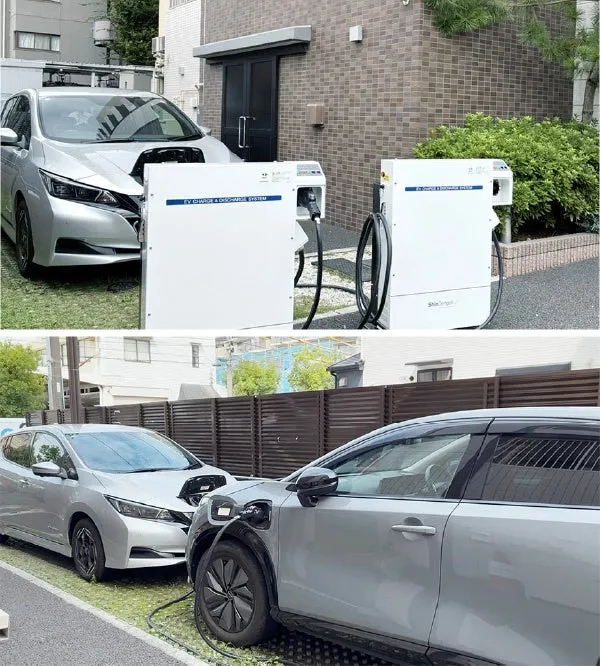
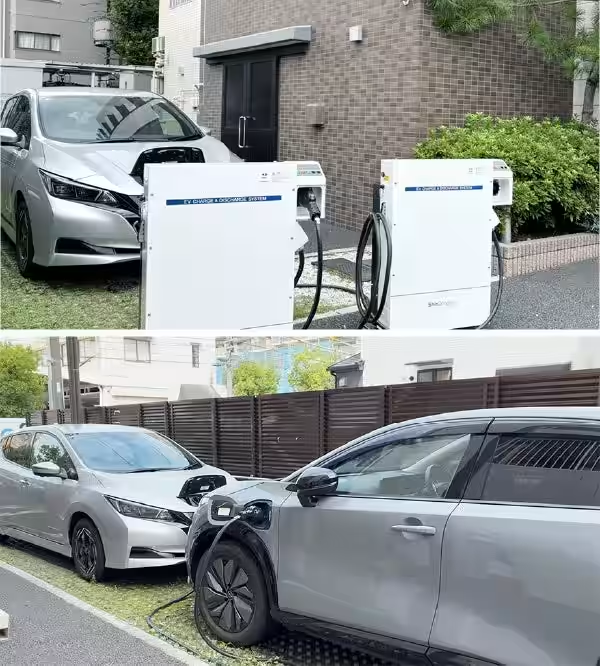
On September 1, 2026, a significant trial was conducted in Koto City, Tokyo, where Shinden Yamano Inc. collaborated with Tatsuya Bishi Company to demonstrate a groundbreaking disaster prevention solution using electric vehicles (EVs) as backup power sources for elevators and pump systems in a high-rise apartment, TEC Residence. This endeavor marked Japan's Disaster Prevention Day, showcasing how EV technology can facilitate continued living conditions during power outages triggered by natural disasters.
The primary aim of the trial was to evaluate whether energy stored in EVs could provide power to critical systems in residential buildings, particularly during emergencies. The team utilized a newly developed three-phase 10kW Vehicle-to-Everything (V2X) charging and discharging device to prove that elevators could still function during power outages by utilizing energy from EV batteries. V2X technology allows seamless communication and power management between vehicles and other devices, highlighting an innovative approach to disaster resilience.
Trial Overview
- - Date of Implementation: September 1, 2026
- - Location: TEC Residence, Koto City, Tokyo
- - Vehicles Used: Two electric vehicles (EVs)
The proposed model involved supplying electricity from EVs directly to elevator and pump systems, characterized by:
- - Power Output: Approximately 18.8 kW
- - Test Duration: About one hour, with EVs managing both vertical elevator movements and load-bearing capacity on upper floors.
This distributed energy concept, utilizing the CHAdeMO V2H standard, proved successful in managing operational requirements during simulated power outages. The provision was assessed by measuring the distribution board's switch to an emergency power source, providing another layer of assurance for residents.
V2X Charging and Discharging Technology
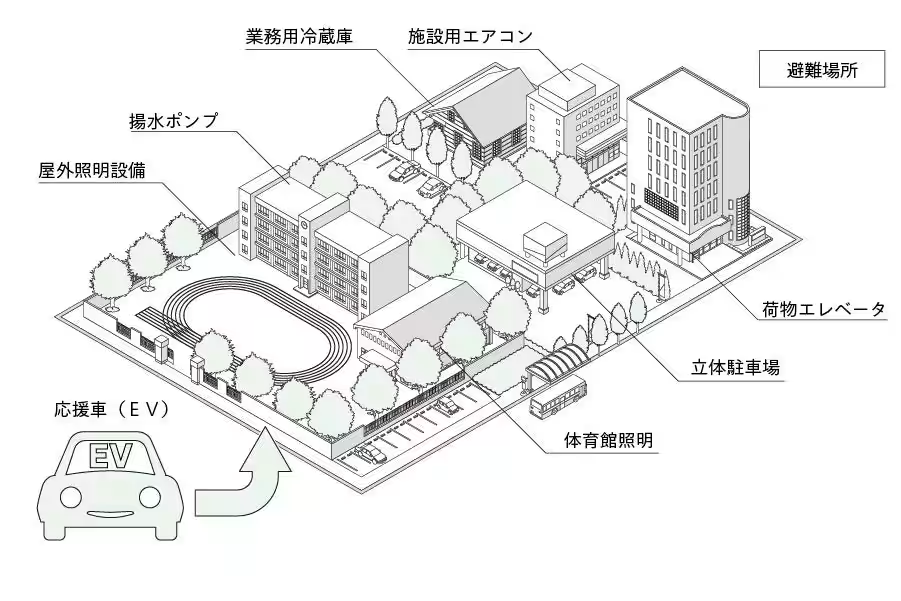
The three-phase V2X charging and discharging technology serves dual purposes: functioning as a standard EV charger while also extracting power for building operations during outages. This versatility means that not only can household appliances and office equipment remain operational, but also essential systems like elevators and commercial air conditioning units can continue to function, thereby maintaining the building's overall functionality.
The TEC Residence building itself is designed with disaster resilience in mind. Registered as a top-tier structure under Tokyo's Stay-in Tokyo residence program, it features self-generation capabilities, solar power systems, and battery storage, allowing residents to stay secure for over 72 hours during emergencies. This focus on ensuring safety and comfort emphasizes the need for reliable power sources in high-rise living environments.
Results from the Simulation
The demonstration utilized Shinden Yamano's V2X system for transferring power from EV batteries under strict safety regulations. The outcomes included:
- - Power Supply Duration: Approximately one hour
- - Output Capacity: Two parallel units producing 9.4 kW each, totaling 18.8 kW
- - Connected Load: Elevator and pump systems
The experiment confirmed that elevators could operate as normal even during power interruptions, showcasing the feasibility of integrating EV technology into building emergency systems.
The Potential of Industrial V2X Systems
While the household V2H systems are gaining popularity, the V2X devices tested in this trial exhibit significant advantages for industrial applications. They possess a discharging capability tailored for three-phase 10kW systems, making them suitable for powering public electric installations in addition to residential electricity needs. This could usher in a new era for electric mobility’s applications, opening new pathways for energy management in communal habitats.
Supporting Disaster Prevention Through Power Conversion Technology
Increasingly intense natural disasters present a pressing need for reliable power sources during outages, especially in residential structures where maintaining lighting and communication systems directly impacts resident safety. The V2X system allows energy stored in EVs to be leveraged for building and equipment power, reinforcing not just renewable energy utilization but also serving as a pivotal disaster mitigation strategy.
Shinden Yamano is committed to advancing disaster resilience by promoting innovative power conversion technologies harnessed through next-generation mobility solutions. As we enhance our societal infrastructure, initiatives like this one will help pave the way for secured living against natural calamities.
Contact Information for Further Inquiries
For any inquiries regarding this article, please reach out to Shinden Yamano Inc.'s Solution Sales Promotion Department via their contact form on their official website.
Additional Notes
- - All safety and operational standards have been adhered to during these tests ensuring accurate results. The tests were conducted with temporary equipment and will be removed after validation.
- - Only this specific demonstration system is supported for self-operated parallel operation during power supply; other generating units are not compatible.
Topics Other)

【About Using Articles】
You can freely use the title and article content by linking to the page where the article is posted.
※ Images cannot be used.
【About Links】
Links are free to use.