



2026 Energy Market Outlook: Optimism Amid Key Challenges in Japan
2026 Energy Market Outlook: An Emerging Landscape
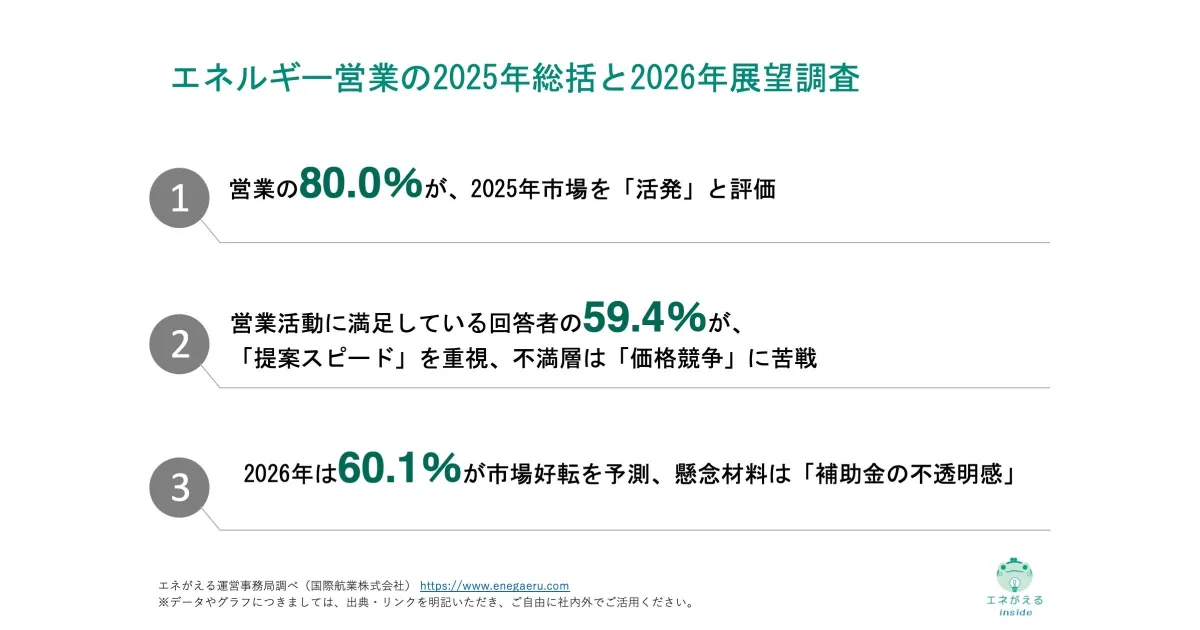
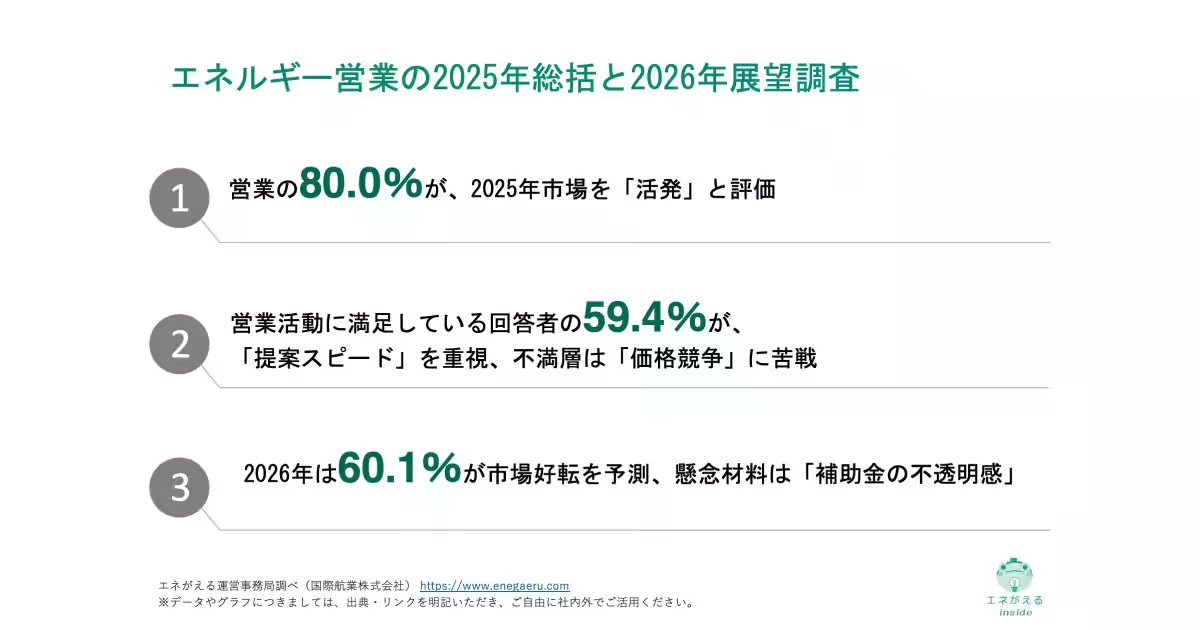
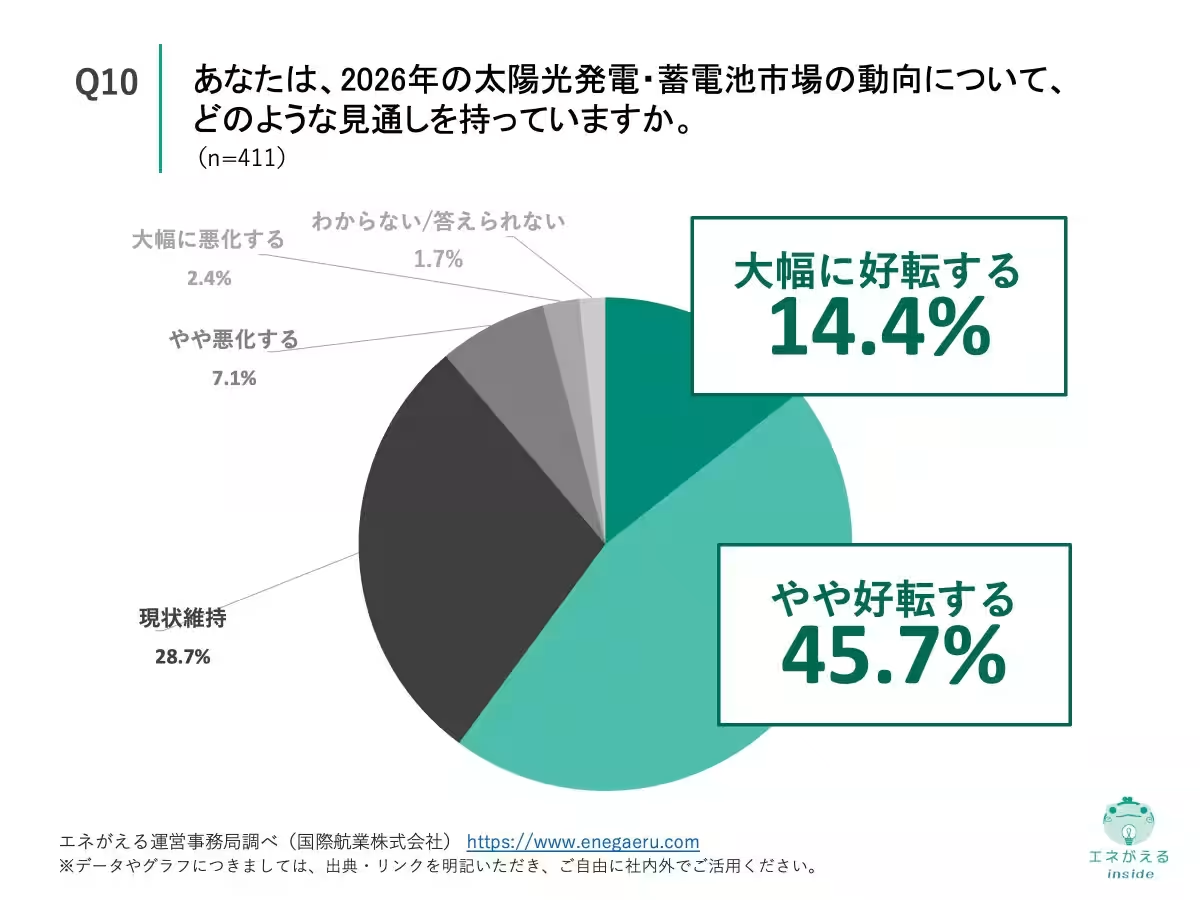
In a recent in-depth survey conducted by Kokusaikogyo Co., Ltd., focusing on individuals working within solar power and energy storage sectors, significant findings regarding the landscape of 2026 emerged. The survey, which included responses from 411 sales professionals, indicates a broad optimism among industry players, with 60.1% predicting a favorable shift in the market. However, underlying concerns about subsidy clarity present a complex challenge.
2025 Market Overview: A Year of Activity
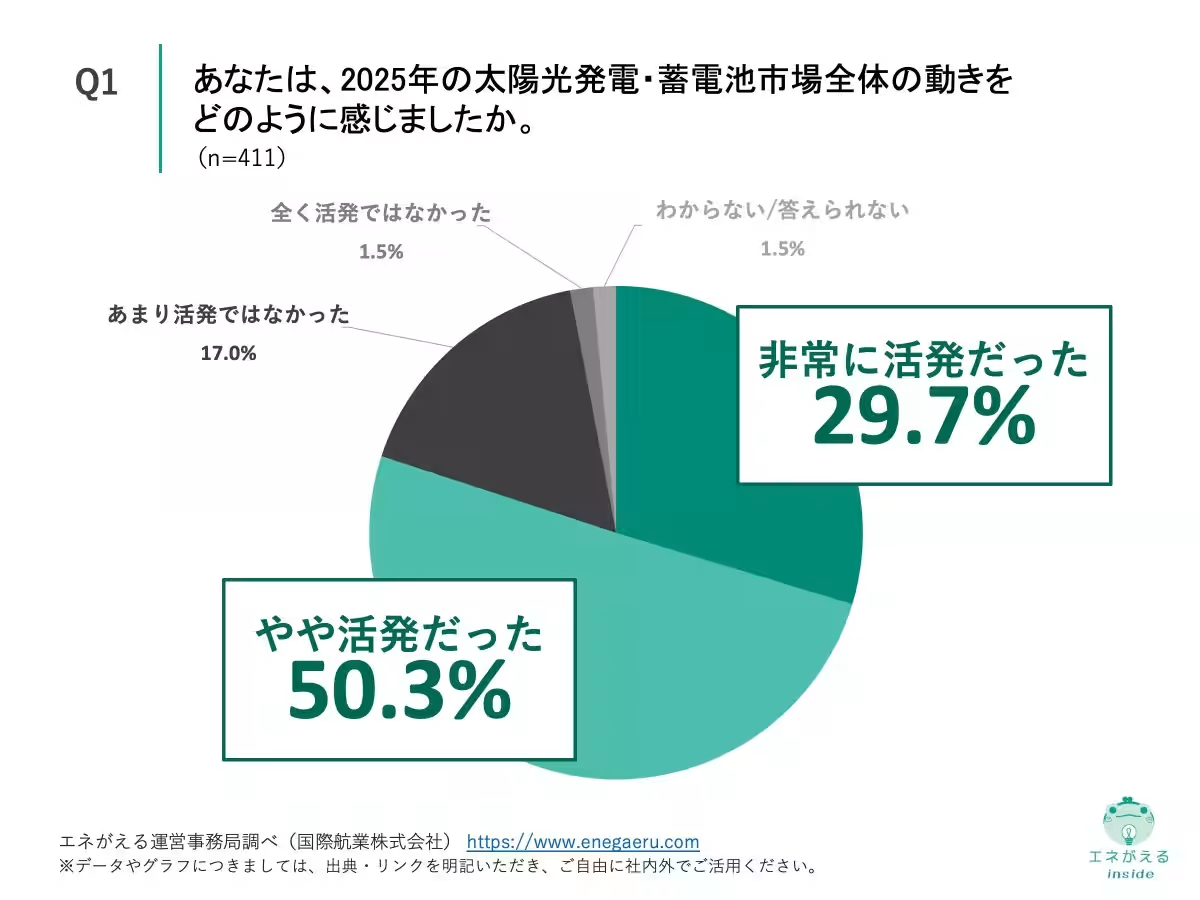
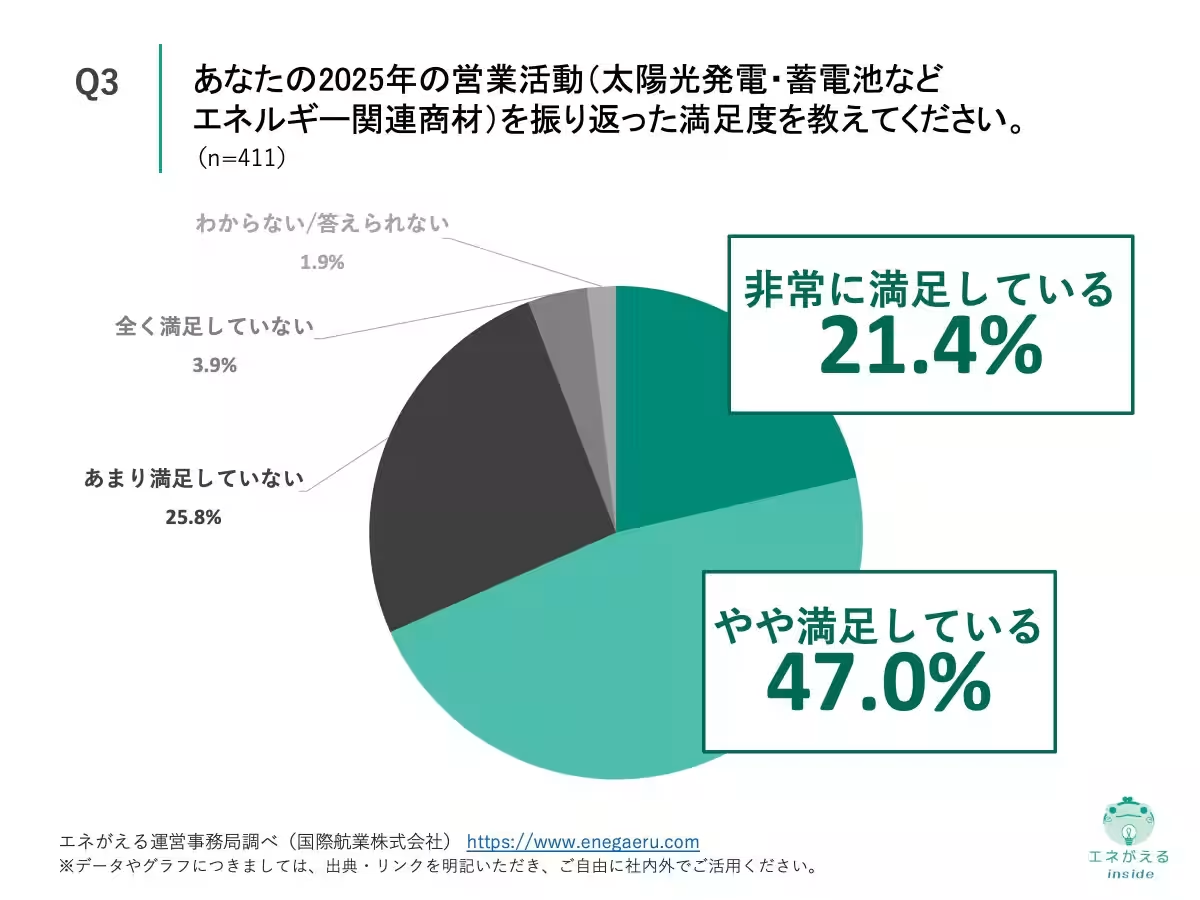
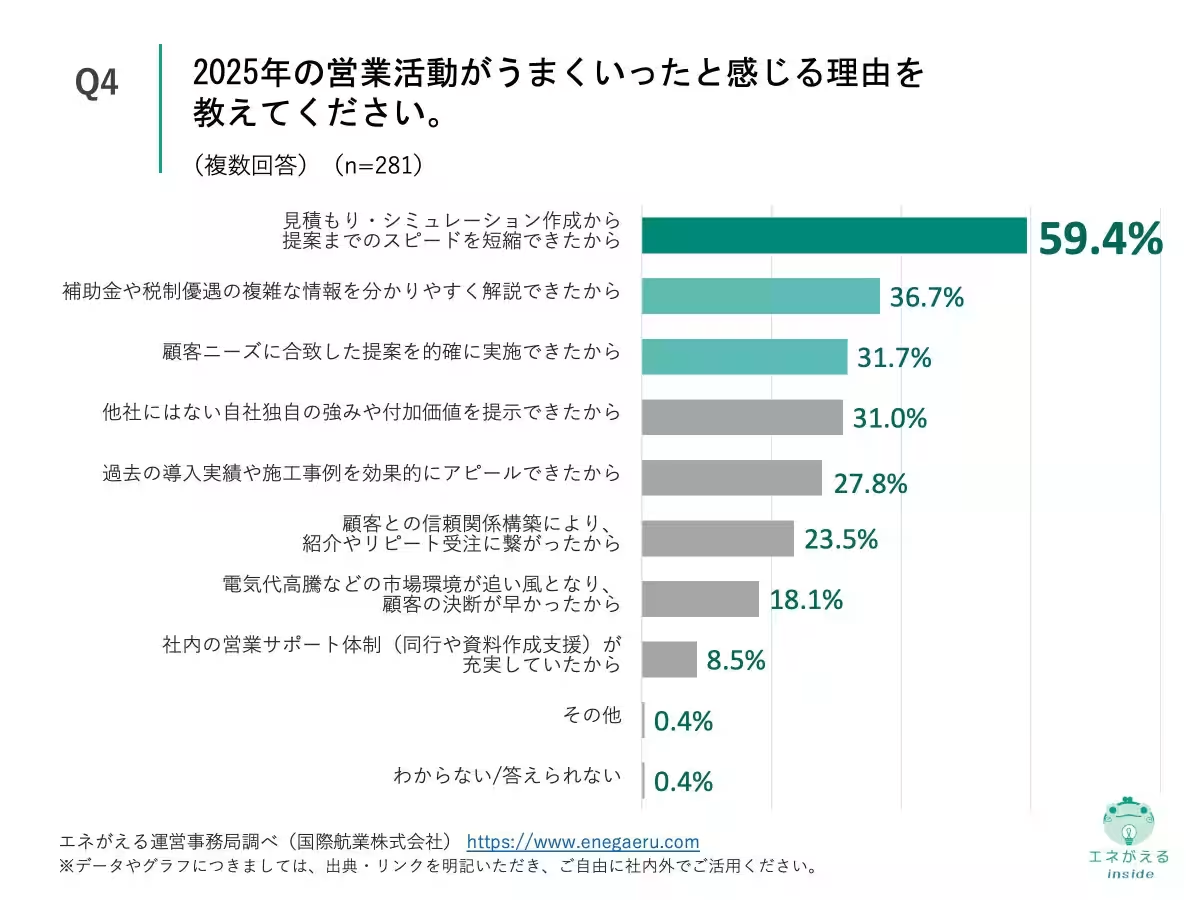
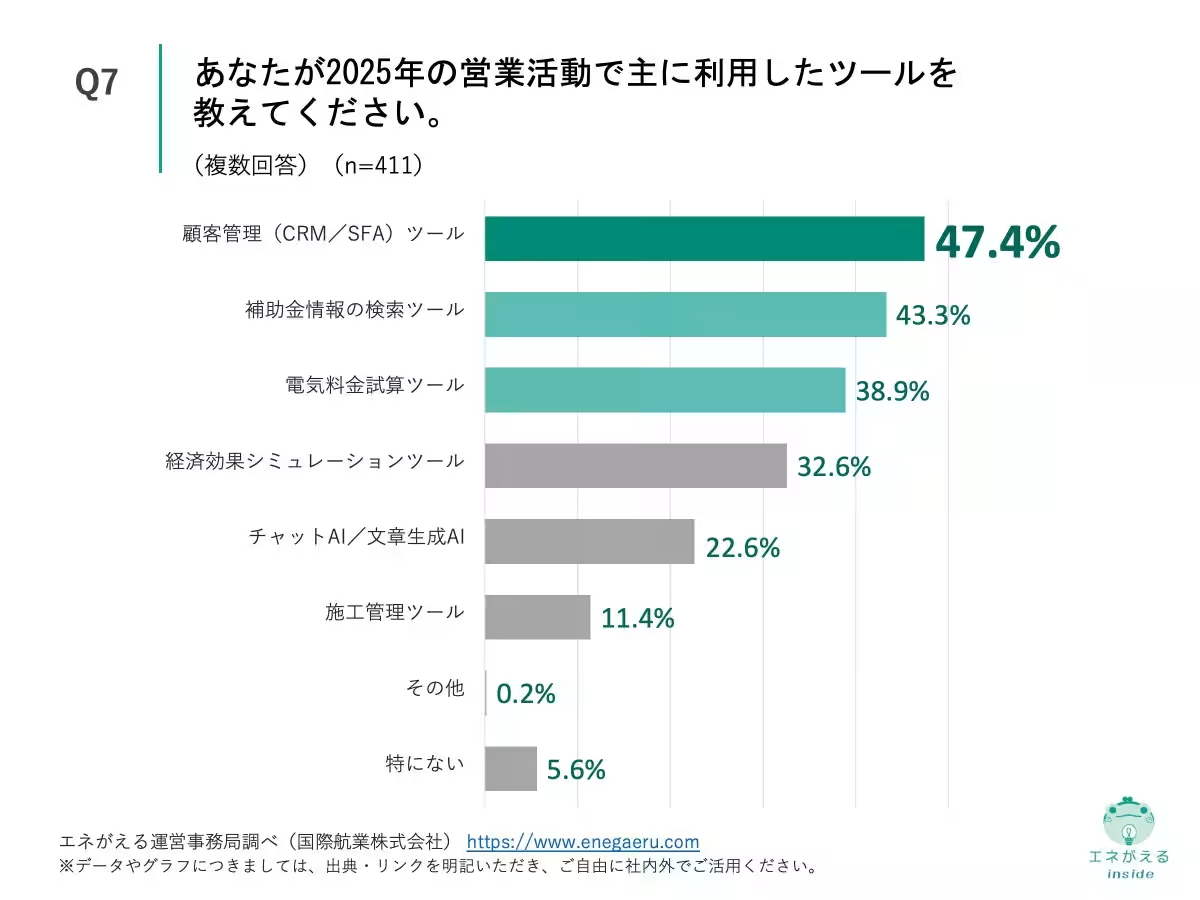
The majority of sales professionals, approximately 80%, described the energy market in 2025 as "active." Surveyed respondents expressed their satisfaction, with about 68.4% indicating contentment with their performance in the preceding year. Key factors contributing to successful sales included the accelerated speed from estimation to proposal, cited by 59.4% of respondents.
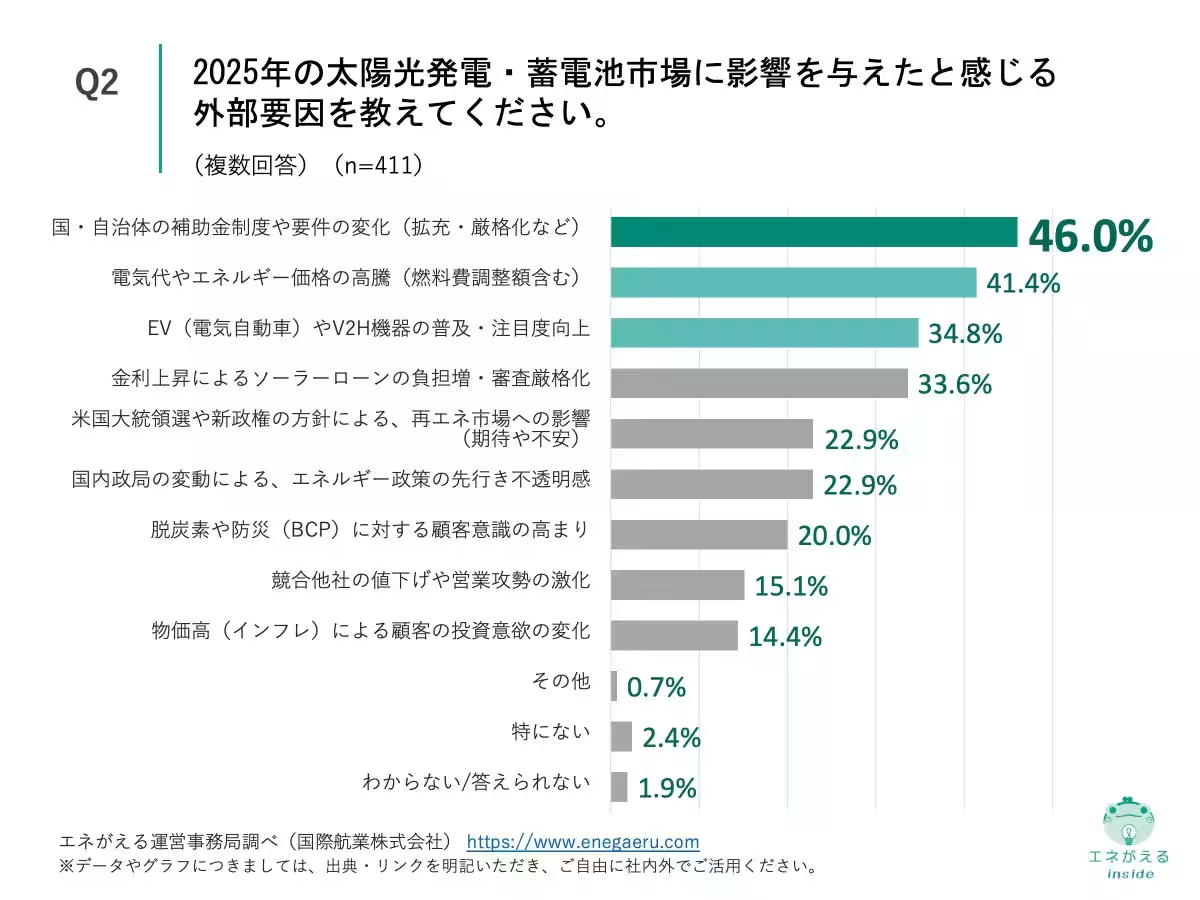
The survey also highlighted crucial external factors impacting the market dynamics:
- - Government Subsidy Changes: 46% noted that fluctuations in national and local subsidies were the top influencers in 2025.
- - Energy Price Increases: 41.4% pointed to rising energy prices as another significant influence on market activity.
- - Renewables Adoption: 34.8% emphasized the growing attention on electric vehicles (EVs) and Vehicle-to-Home (V2H) technologies as key developments in the energy landscape.
Transitioning Challenges: Price Competition and Subsidy Clarity
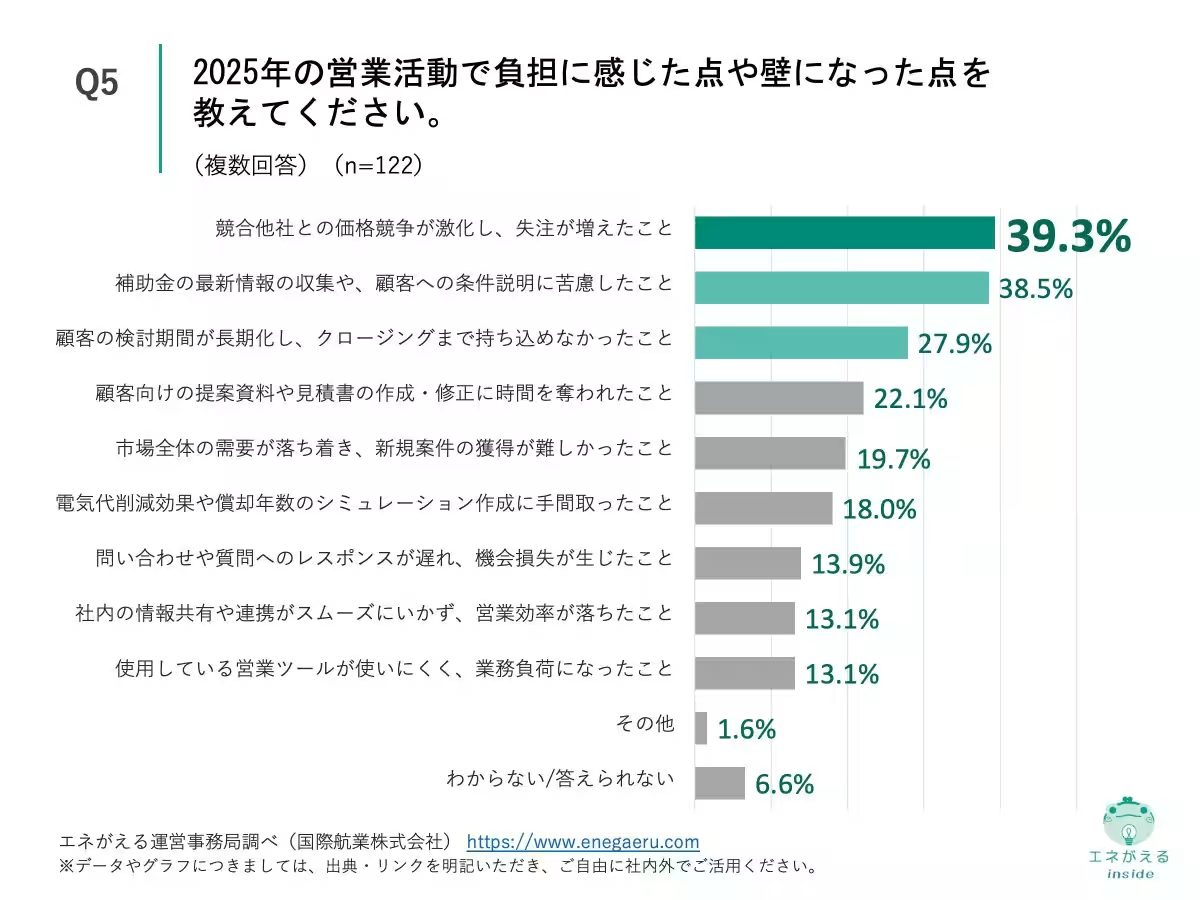
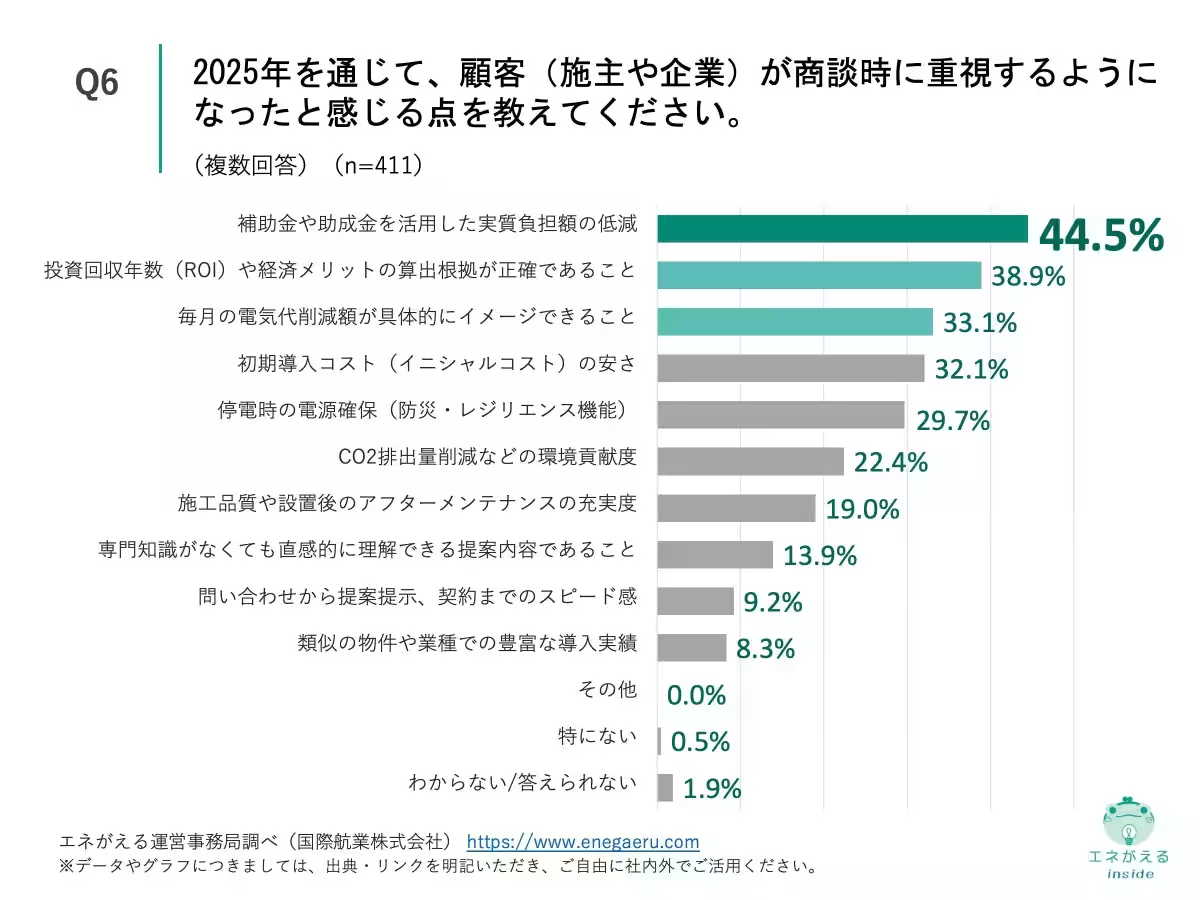
While sales professionals largely felt optimistic, challenges persisted. An alarming 39.3% of those dissatisfied with their sales activities cited intensified competition leading to increased losses. Additionally, 44.5% mentioned that potential customers became increasingly concerned with reducing their actual out-of-pocket expenses through subsidies. This shift reflects their heightened awareness regarding financial burdens amid rising costs.
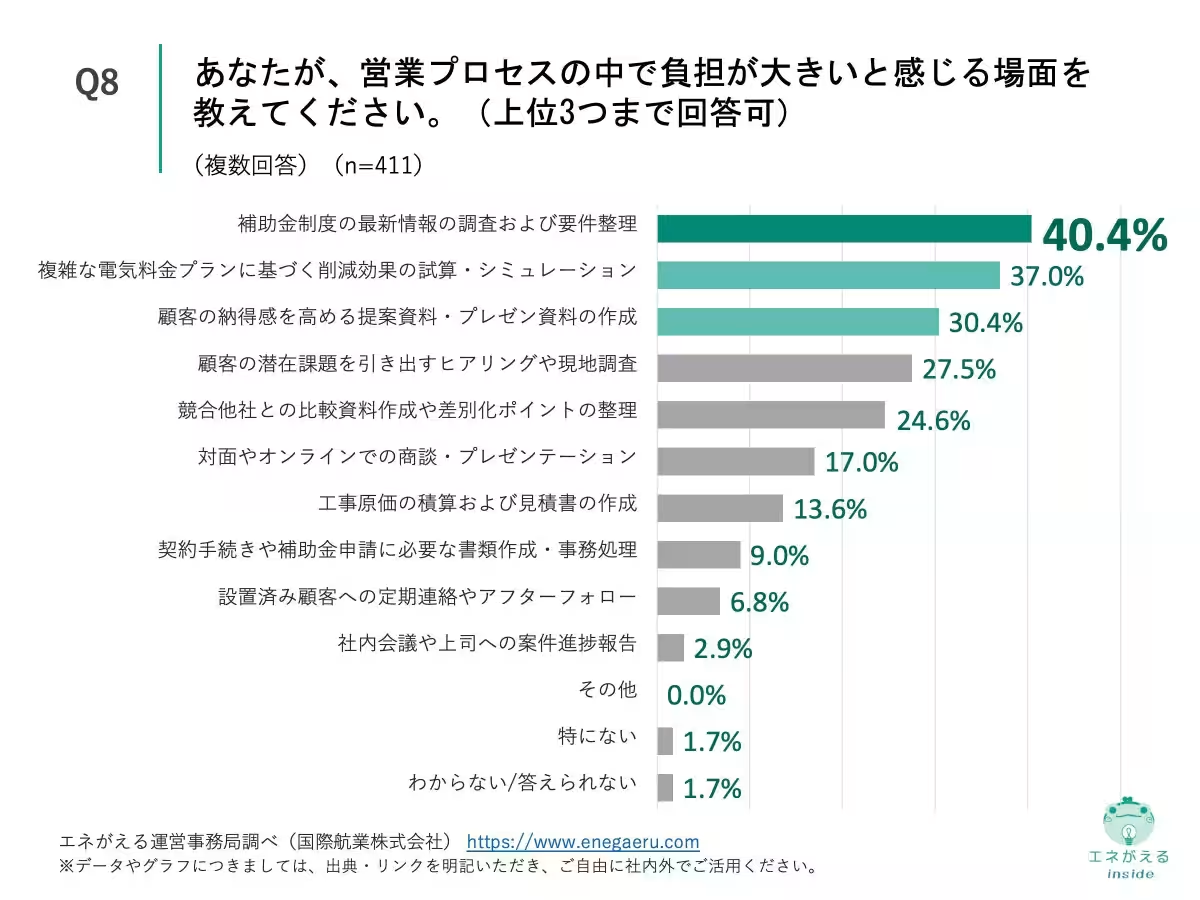
Also noteworthy, significant challenges arose in navigating the complex subsidy landscape. More than 40% of respondents identified the research and organization of the latest subsidy information as a major burden in the sales process. Respondents also saw a crucial need for accurate economic simulations and clear communication regarding subsidies and benefits.
What Lies Ahead: Predictions for 2026
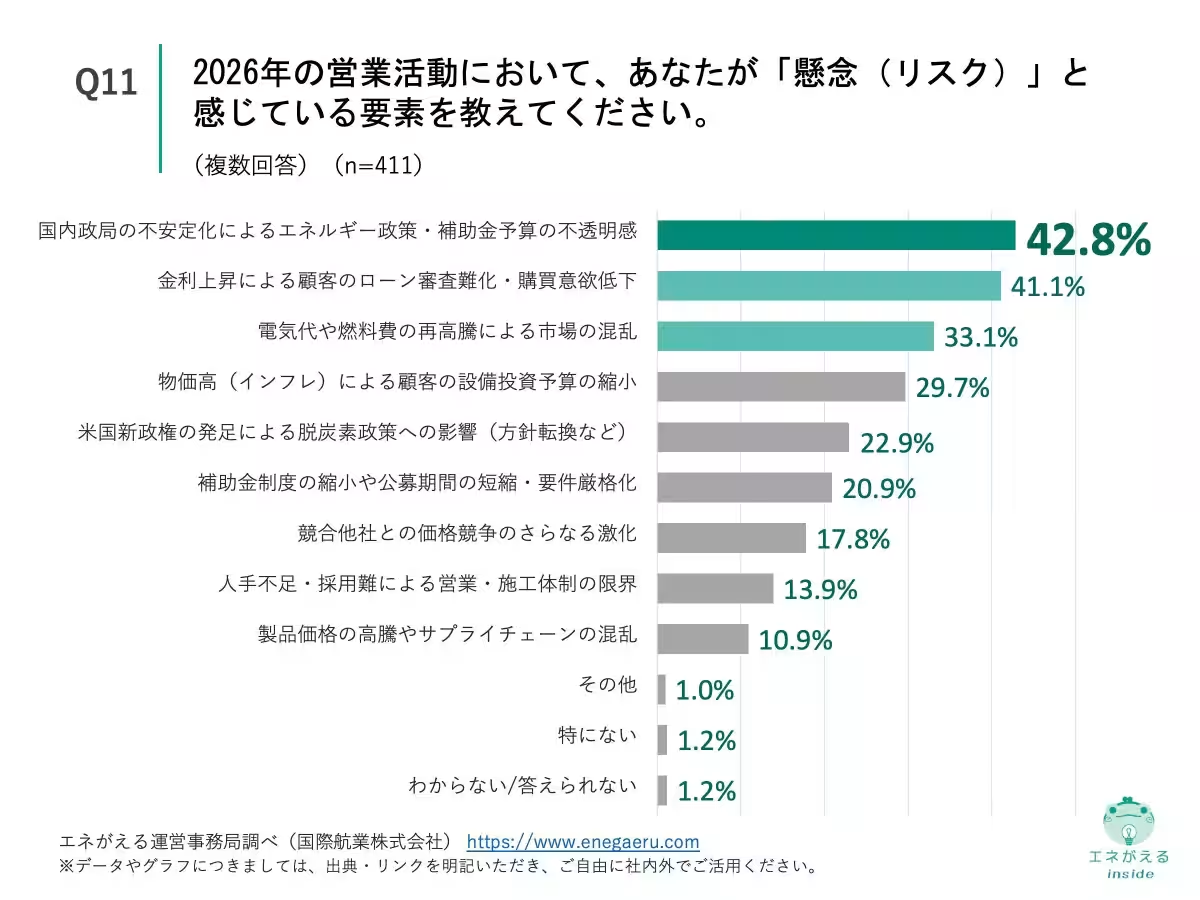
Looking towards 2026, while the optimism is notable, uncertainties loom large. The anticipated growth is offset by fears surrounding potential instability in domestic politics which could cloud energy policies and subsidy budgets. Key concerns for 42.8% of respondents suggest that evolving public policy landscape will remain a significant worry.
Conversely, a notable 14.4% foresee a substantial positive transformation in the market, while 45.7% expect a slight improvement. This divergence in expectations highlights the need for agile responses to external factors affecting market conditions.
Navigating the Terrain of Sales Strategies
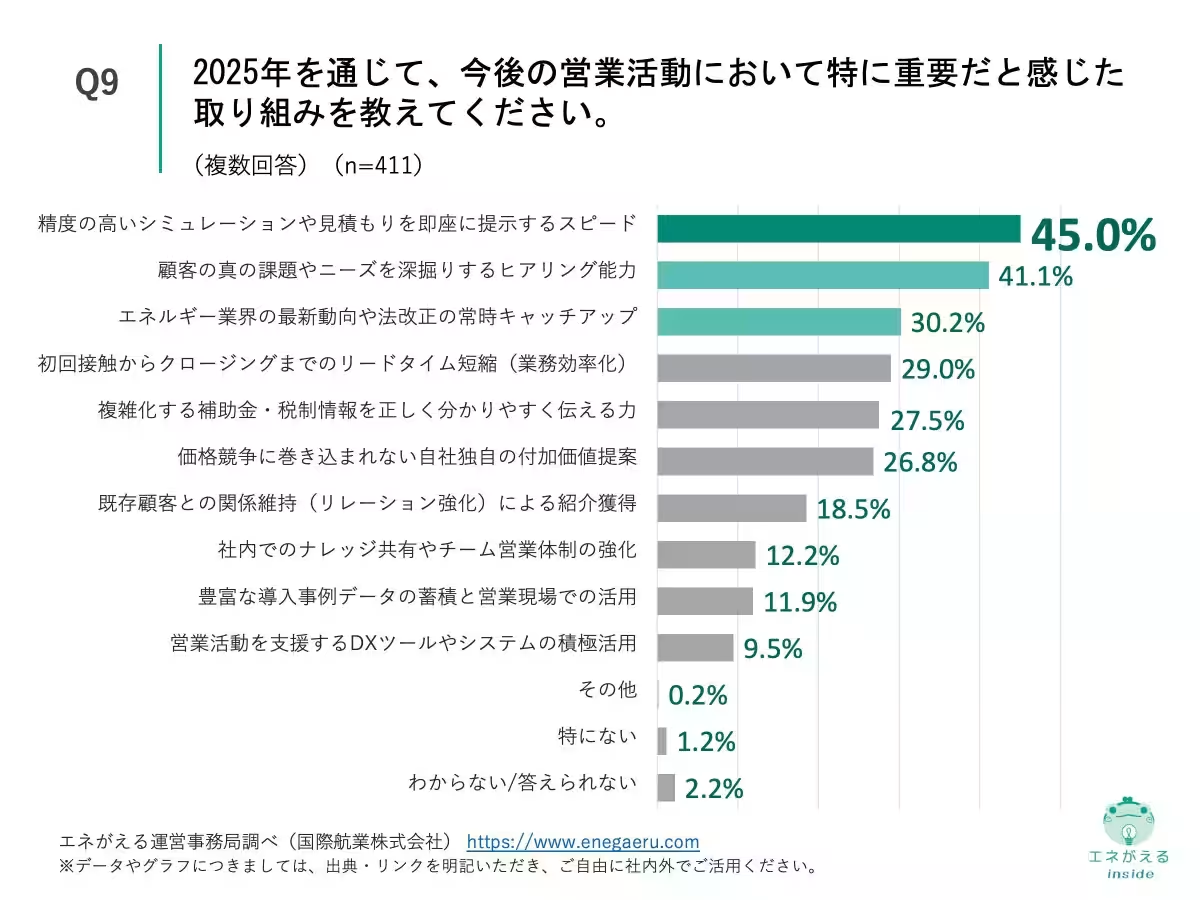
Sales professionals moving forward are advised to prioritize enhancing their operational efficiency and expediting proposal processes. The survey results underscore the importance of distinguishing their products through customer-centric approaches rather than engaging solely in price competition. Factors contributing to the customers’ decision-making processes are shifting towards comprehensible ROI calculations and relevant economic benefits.
As the energy market evolves, the emphasis should shift from mere pricing to creating value through education on subsidy utilization and effective investment. The sales staff’s ability to present concise simulations and tailored solutions could well prove to be a differentiator in retaining market share.
Conclusion: Embracing Change with Preparedness
The landscape of Japan's energy market stands at a crossroads as it grapples with challenges and opportunities alike. The insights drawn from this survey suggest that while optimism about market conditions exists, a sound strategy will be essential to navigate a complex future environment. Businesses must focus on proactive engagement with policy changes and robustly equip sales teams to handle evolving consumer expectations. A holistic understanding of financial implications tied to energy solutions will be crucial as they strive to meet the needs of an informed customer base in 2026.
Topics Energy)
【About Using Articles】
You can freely use the title and article content by linking to the page where the article is posted.
※ Images cannot be used.
【About Links】
Links are free to use.