




Insights into Desexing: 71% of Dog Owners Opt for Surgery
Insights into Desexing: 71% of Dog Owners Opt for Surgery
In a recent survey conducted by Eight Inc., a Tokyo-based company known for its dog food brand "Dog Food God," 398 dog owners shared their experiences regarding desexing their pets. The findings reveal a significant trend toward desexing as a widely accepted choice among dog owners.
High Adoption Rate of Desexing
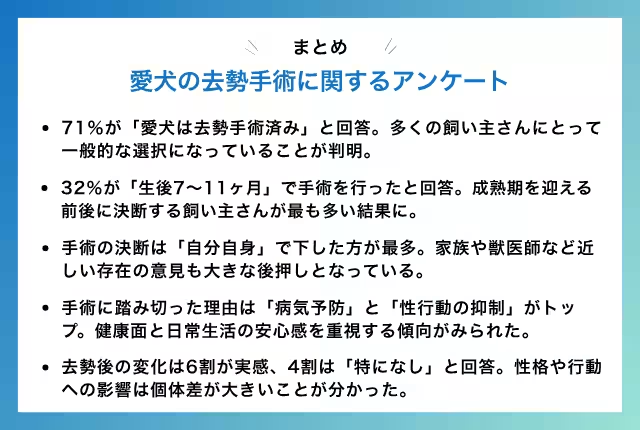
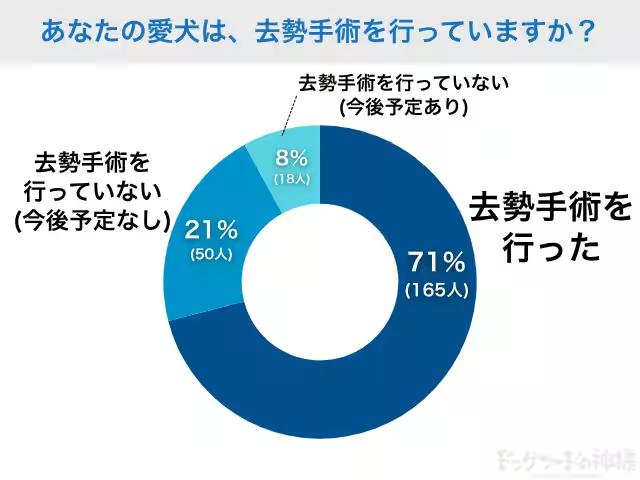
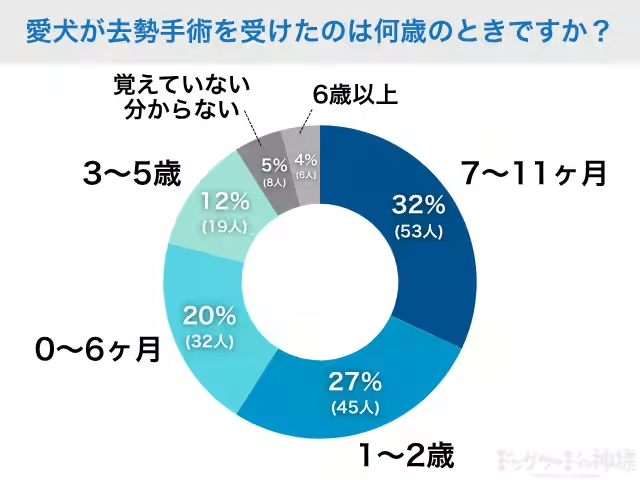
The survey results indicate that an impressive 71% of respondents had already desexed their dogs. This statistic highlights that many pet owners consider desexing a common and responsible choice. Notably, 32% opted for the surgery when their dog was between 7 to 11 months old, the most prevalent age cited, suggesting that owners often make this decision as their pets approach sexual maturity.
Among the participants, 21% stated that their dogs had not undergone desexing and had no plans for it, while 8% indicated they were considering it in the future. Concerns about costs, perceived physical burdens, or differing ethical beliefs might contribute to the decisions of those who opt out of the procedure. Overall, the results emphasize that there isn't a universally correct approach; rather, each owner makes decisions that align with their own circumstances and values regarding their pets.
Influences Behind the Decision to Desex
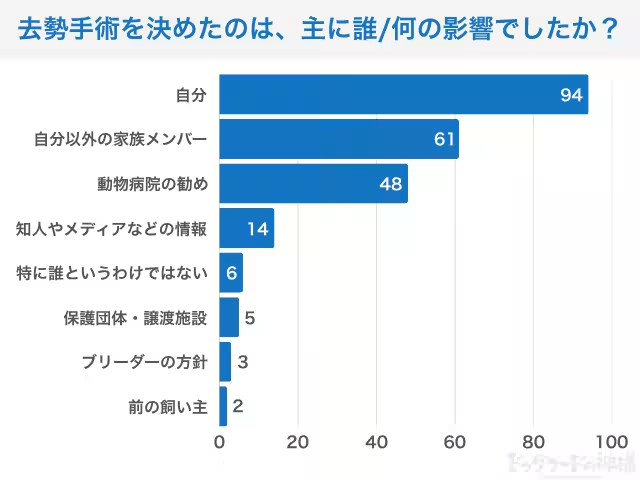
When asked who influenced their decision for desexing, the survey showed that a significant number of dog owners, 94 respondents, decided independently. Family members and recommendations from veterinarians also played substantial roles, with 61 and 48 votes respectively. This suggests that while many owners take charge of the decision-making process, they also value the input of close family and veterinary professionals.
Reasons for Choosing Desexing
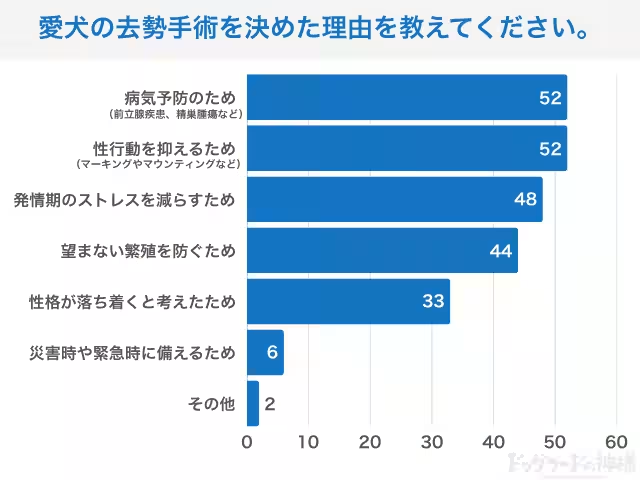
The primary motivations for desexing included preventing illnesses associated with male dogs and managing undesirable behaviors such as marking and mounting. Each reason received 52 votes, reflecting concerns about health and daily life management among dog owners. Additional reasons like reducing stress during estrus, preventing unwanted breeding, and beliefs about character stabilization also featured prominently. Pet owners appeared to wish for their dogs to live healthier, longer lives, which strongly motivated their decisions to desex.
Changes Observed Post-Desexing
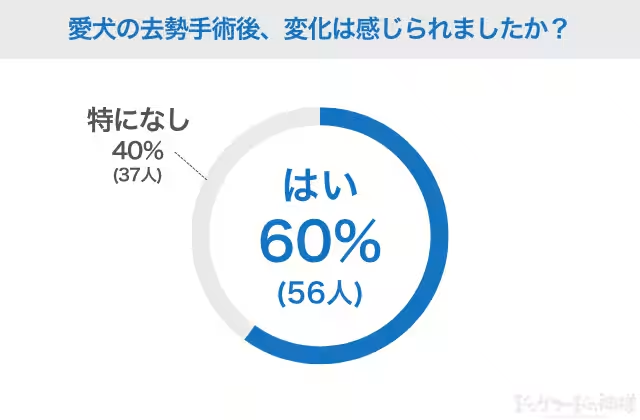
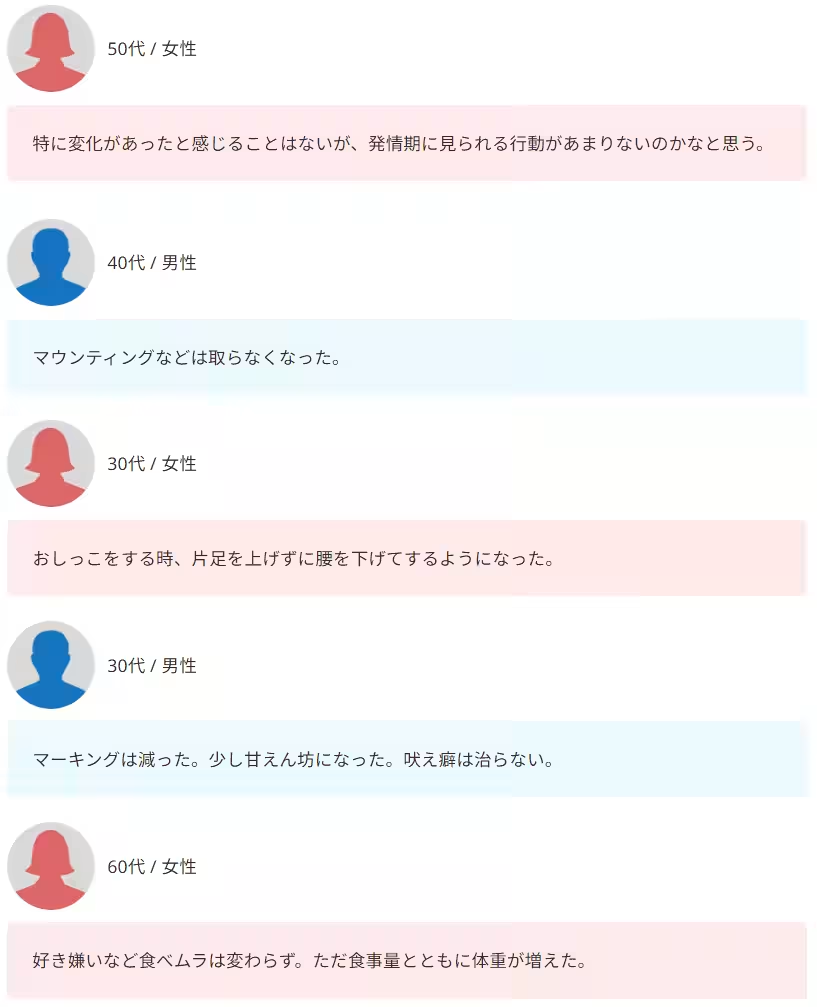
After the surgery, 60% of owners reported positive changes in their pets, while 40% felt there were no significant differences. Testimonials varied greatly; some owners observed considerable personality shifts, while others noted only slight changes. Interestingly, some reported unexpected enhancements in activity levels, indicating that the effects of desexing can differ widely.
Real Stories from Pet Owners
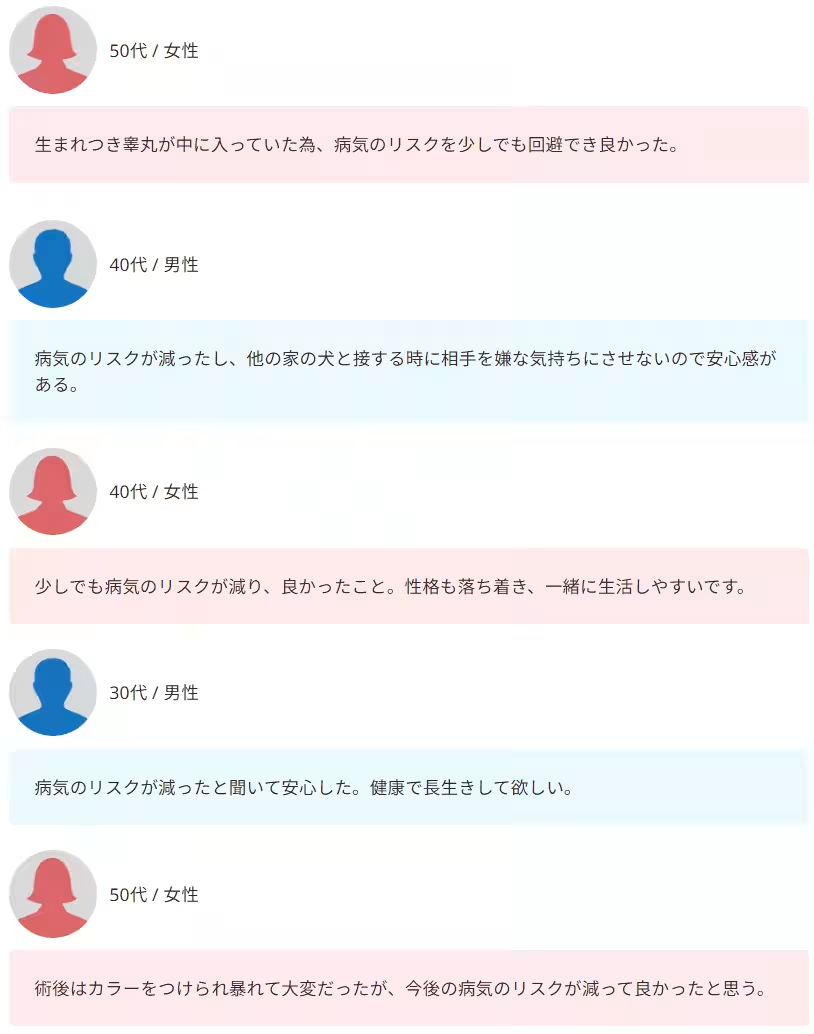
In the collected testimonials, many owners expressed relief regarding health risks post-desexing, citing less worry over potential diseases and improved social interactions with other dogs. This reassurance evidently leads to enhanced peace of mind among owners.
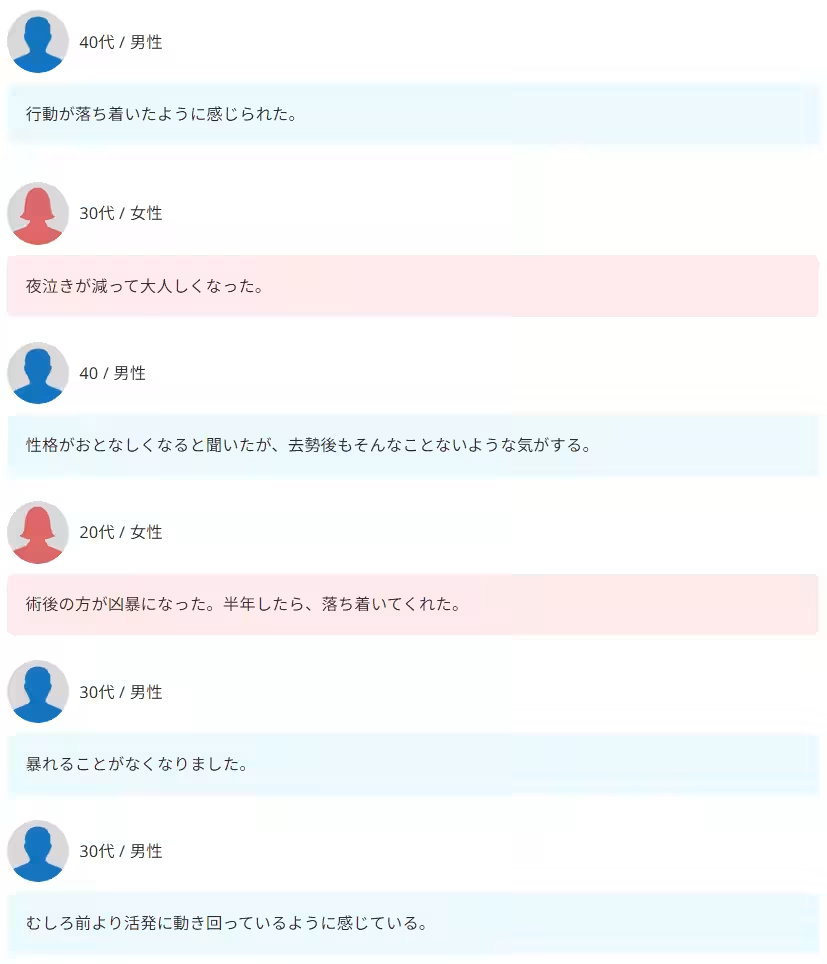
Regarding behavioral changes, many reported that their pets became calmer after the surgery, attributing this to reduced hormonal influences. Nonetheless, an observable diversity surfaced in these impacts, with several owners noting no significant changes at all. Behavioral modifications observed included decreased marking and changes to urination habits, showcasing a range of outcomes across different dogs.
The Emotional Journey of Dog Owners
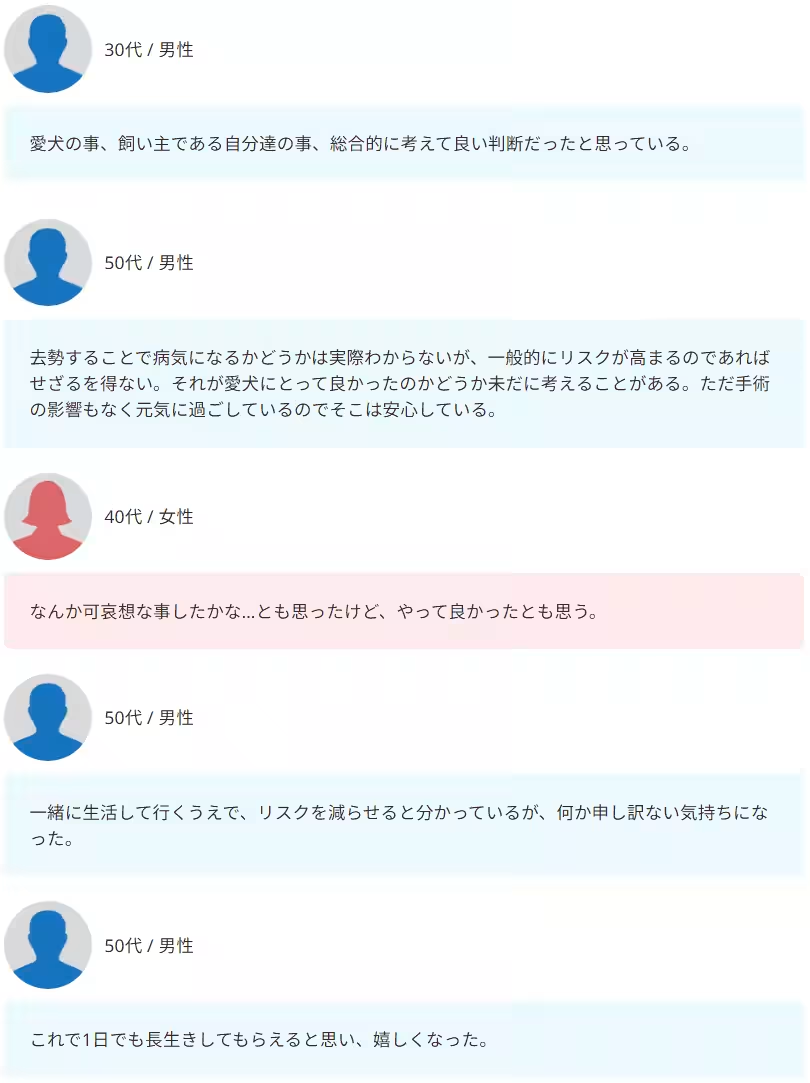
While many expressed contentment with the choice to desex, there were lingering feelings of guilt among some owners. Concerns about the emotional costs of the surgery loomed large; nevertheless, a dominant sentiment remained focused on the benefits of health and longevity for their beloved pets. Ultimately, the input from these surveys illustrates a deep love and commitment underscored by the diligence of dog owners making decisions they believe are in the best interest of their furry companions.
Conclusion
The survey conducted by Eight Inc. sheds light on the growing trend of desexing among dog owners, reflecting personal stories of love, responsibility, and commitment to pet health. Those interested in gaining a deeper understanding of dog desexing can access the original survey findings and further resources through Dog Food God.
For more information, visit Dog Food God's survey page.

Topics Consumer Products & Retail)
【About Using Articles】
You can freely use the title and article content by linking to the page where the article is posted.
※ Images cannot be used.
【About Links】
Links are free to use.