



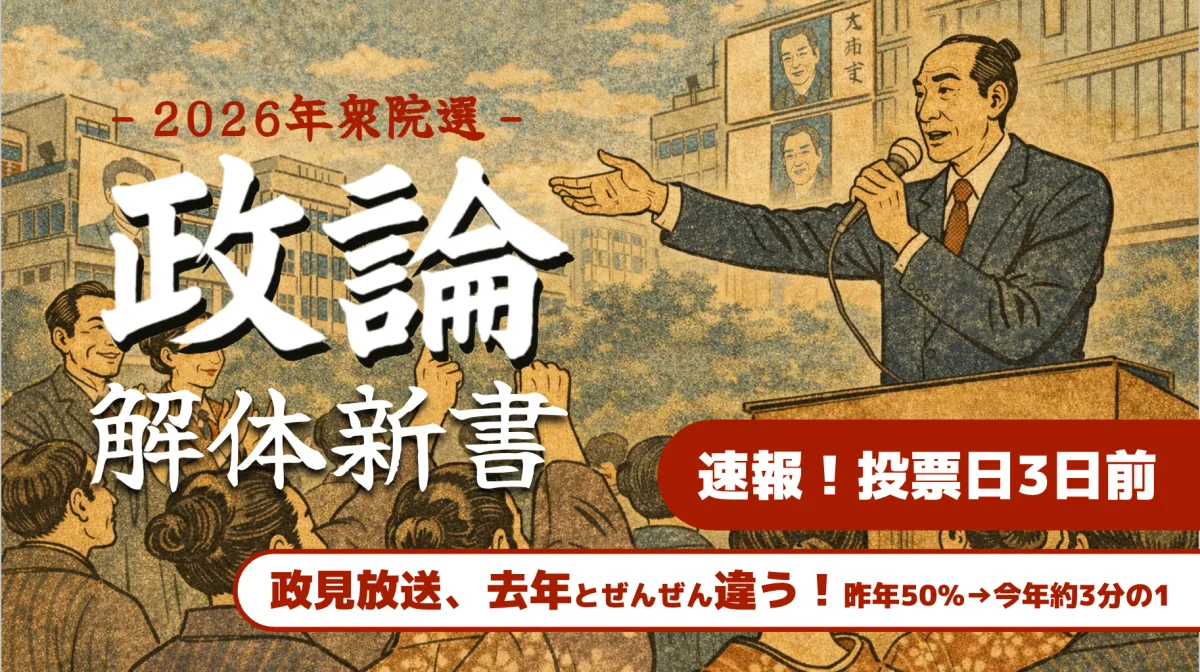
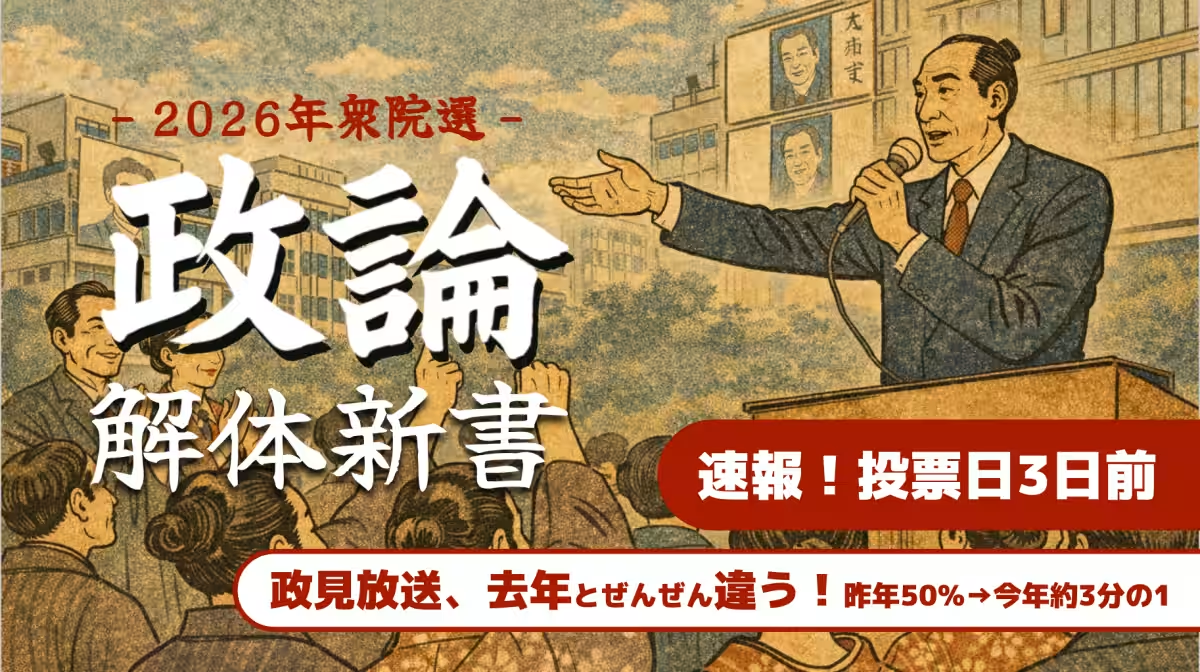
2026 Japanese House of Representatives Election Forecast: Key Issues Decline in Specific Policies
Overview of the 2026 House of Representatives Election Analysis
As Japan gears up for the House of Representatives election scheduled for February 8, 2026, Cognitee Inc., based in Shinagawa, Tokyo, has utilized its patented CogStructure technology to analyze the political broadcast content from various parties. This analysis provides insights into the trends of key issues and the structure of their arguments shown in the debates aired by NHK.
Key Findings
The analysis revealed that out of the 30 major points extracted from the political broadcasts, only 10 (approximately one-third) offered mentions of specific policies. This marks a significant decline from the previous year, where 18 out of 36 points (50%) articulated specific measures during the 2025 House of Councilors election broadcasts.
This year's decline indicates a drop from about 50% last year to approximately 33% this year, highlighting a 17-point decrease in specific policy discussions. This shift raises important considerations for voters, as it seems that political messaging has become increasingly focused on campaign slogans and calls for votes rather than detailed policy proposals.
Duration of Political Broadcasts
Interestingly, the duration of the broadcasts has also shown a correlation with the anticipated increase in parliamentary seats. The longer the video, the less likely the party is to gain seats, with the longest broadcast lasting 9 minutes and 27 seconds by the Centrist Reform Union and the shortest at 6 minutes and 50 seconds by Team Mirai. These shifts suggest a strategic approach to political messaging as parties aim to capture voter attention in a limited timeframe.
Comparative Analysis with Previous Elections
Conducting a comparative analysis with the 2025 House of Councilors election further supports the notion that political broadcasts have increasingly shifted toward less substantive policy discussing frameworks. This change is alarming as it may impede voters' ability to make informed decisions, thereby diminishing the democratic process.
Political Message Structures and Strategies
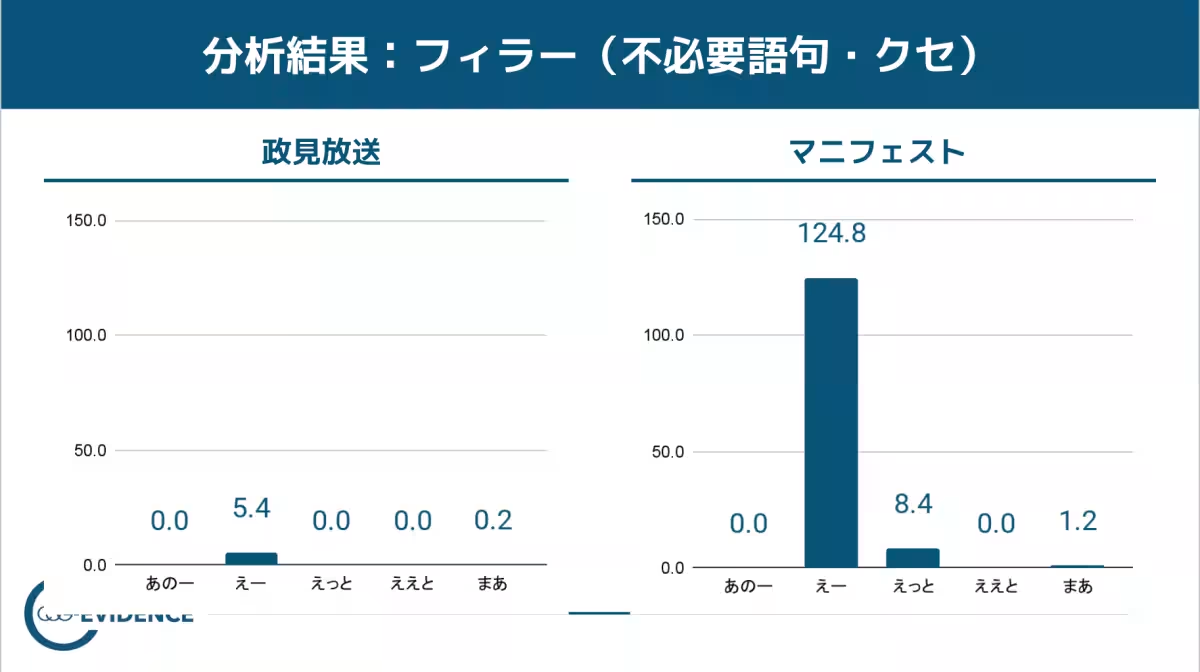
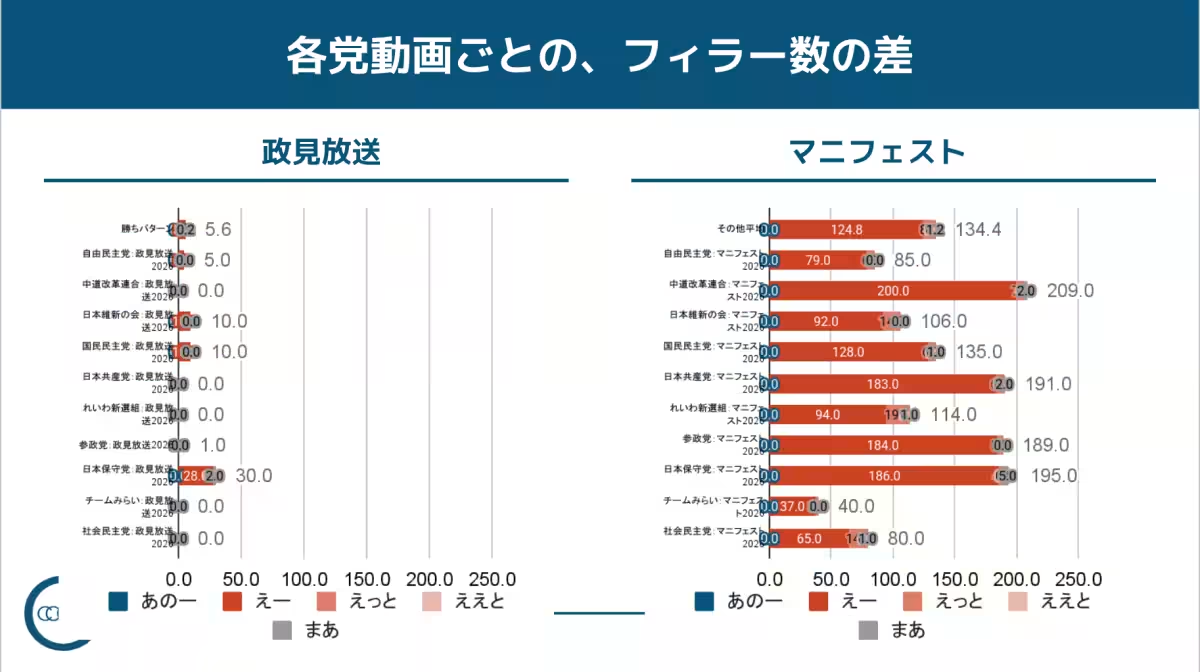
The analysis also categorized the type of language used in broadcasts, indicating a growing reliance on emotive language and catchphrases at the expense of detailed explanations. One striking statistic notes that the more stability a party anticipates, the more likely they are to pose rhetorical questions in their messaging. For instance, questions that cannot be answered with a simple
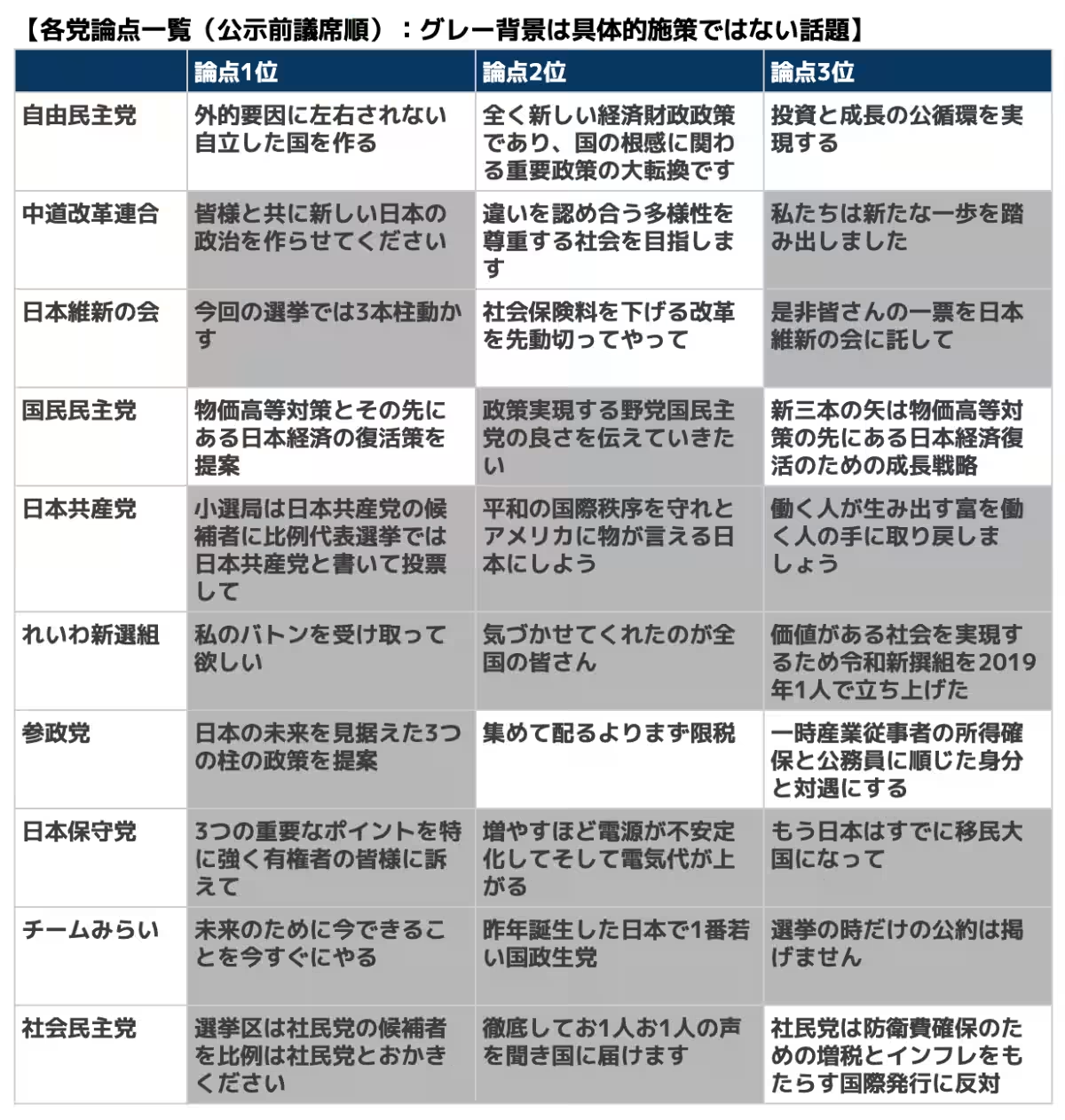
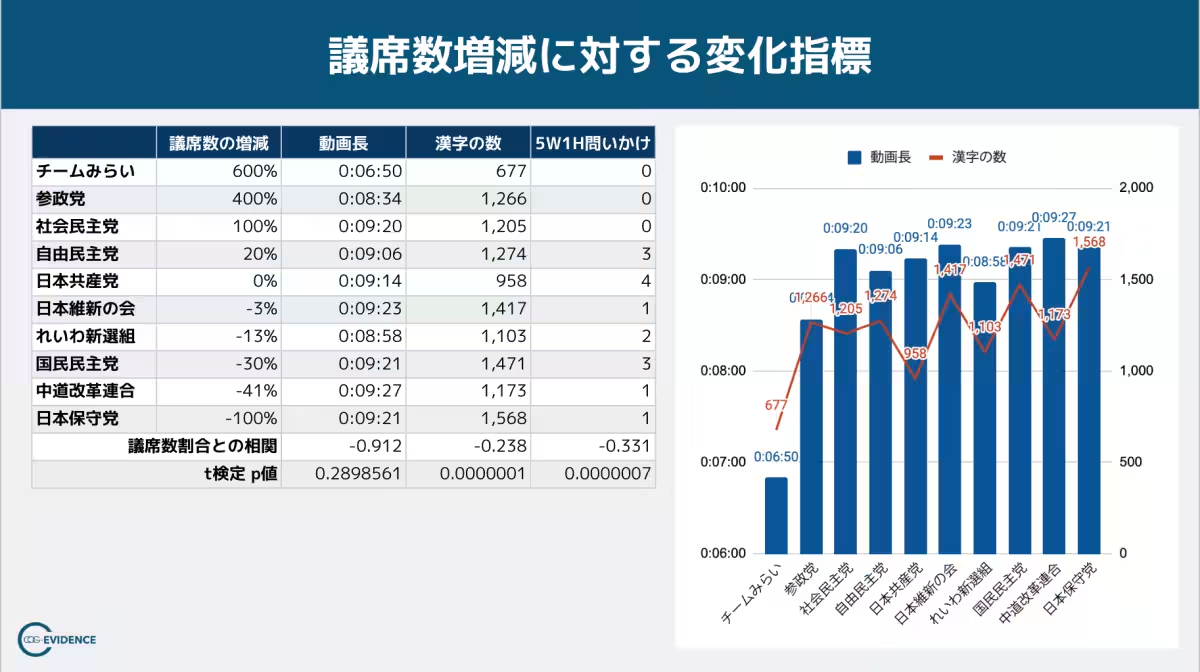

Topics Other)
【About Using Articles】
You can freely use the title and article content by linking to the page where the article is posted.
※ Images cannot be used.
【About Links】
Links are free to use.