



Spring Skin Troubles: Allergies and UV Rays Affect Most People in 2026
Spring Skin Troubles: A 2026 Survey
The arrival of spring often heralds not just blooming flowers but also a surge in skin troubles spurred by environmental changes. Recent research conducted by the I.C. Clinic, a medical institution renowned for its focus on skin disorders, highlights a staggering 87.3% of respondents reporting some form of skin issue in the spring of 2026. This article delves into the findings of this survey, revealing crucial insights on prevention and treatment.
Major Findings of the Survey
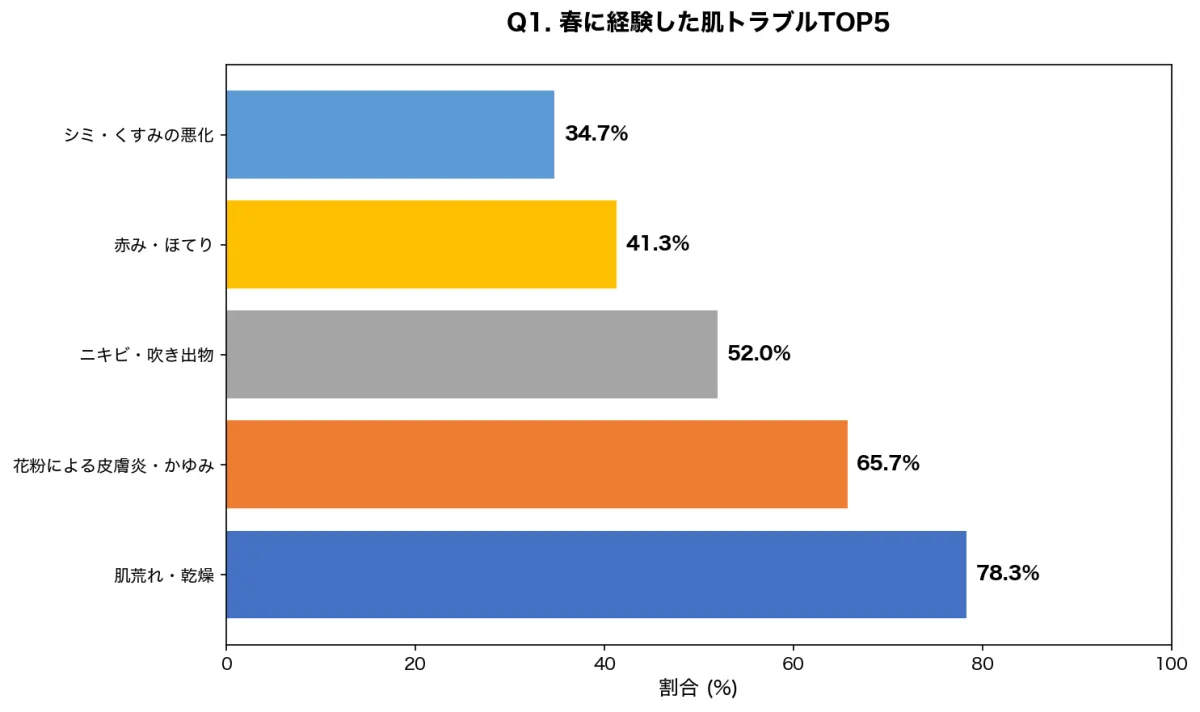
The survey, which involved 300 individuals aged 20 to 60 across Japan, identified the top three skin troubles for spring as follows:
1. Skin roughness and dryness
2. Pollen-induced dermatitis
3. Acne and blemishes
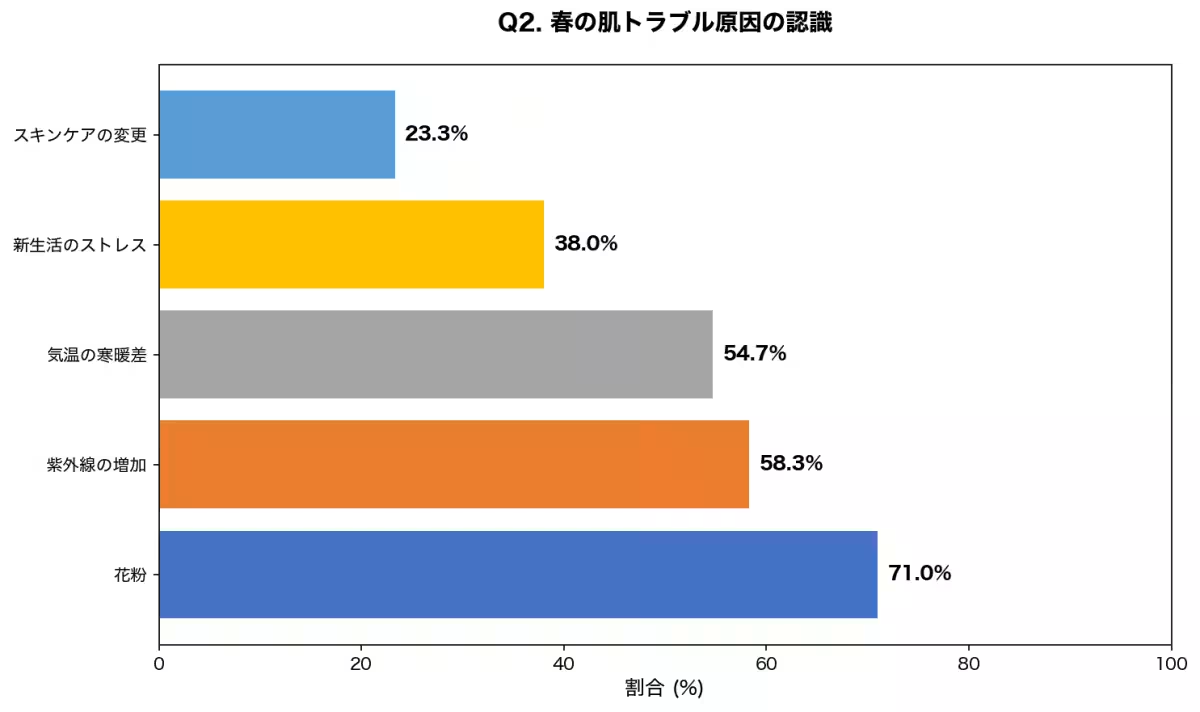
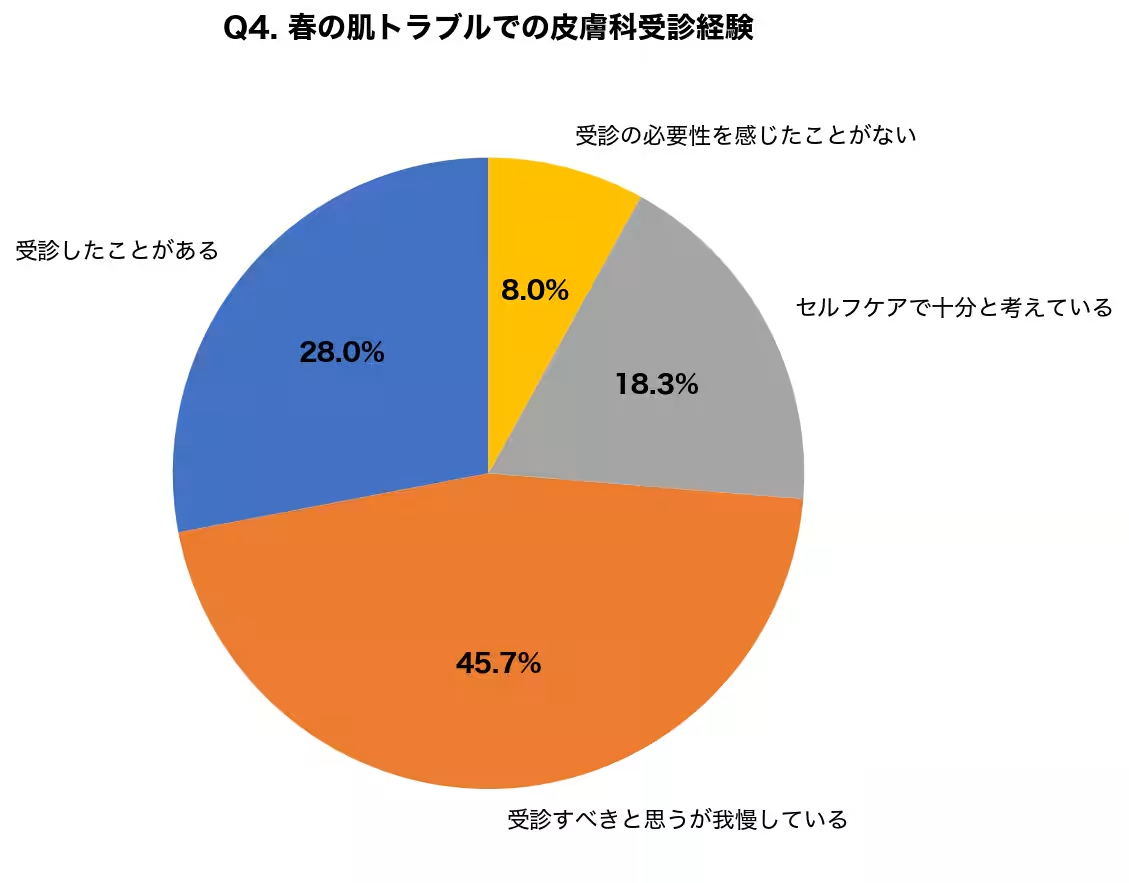
The study found that a significant proportion, 62.5%, reported recurring skin issues each year. The leading factors contributing to these troubles included pollen (71.0%), UV rays (58.3%), and drastic temperature changes (54.7%). What makes this situation especially concerning is that 45.7% of the individuals felt they should consult a dermatologist but chose to endure their discomfort instead, highlighting a gap in awareness about the right time to seek medical help.
Understanding Pollen Dermatitis and Barrier Function
Pollen dermatitis is an allergic skin condition that arises when pollen comes into contact with the skin, particularly during the cedar and cypress flowering season. Common symptoms include redness and itchiness, especially around the eyes and face.
Another critical concept is the skin's barrier function, which protects against external irritants and prevents moisture loss. Seasonal changes, dryness, and exposure to UV rays can weaken this barrier, leading to skin irritation and inflammation.
Long-term exposure to UV rays also results in photoaging, which causes wrinkles and dark spots, with about 80% of skin aging attributed to sunlight exposure.
Self-Care and Dermatological Treatment Recommendations
The survey also compared self-care techniques with necessary dermatological interventions for different skin troubles:
- - Skin Roughness and Dryness: Self-care is effective for mild symptoms. However, if symptoms persist beyond two weeks, dermatological treatment is advised, involving prescription moisturizers and steroid ointments.
- - Pollen Dermatitis: Mild itchiness can be managed with self-care, but severe symptoms warrant medical attention, with antihistamines being prescribed.
- - Acne and Blemishes: Mild cases could be treated at home, but persistent or inflamed acne requires dermatologic medications.
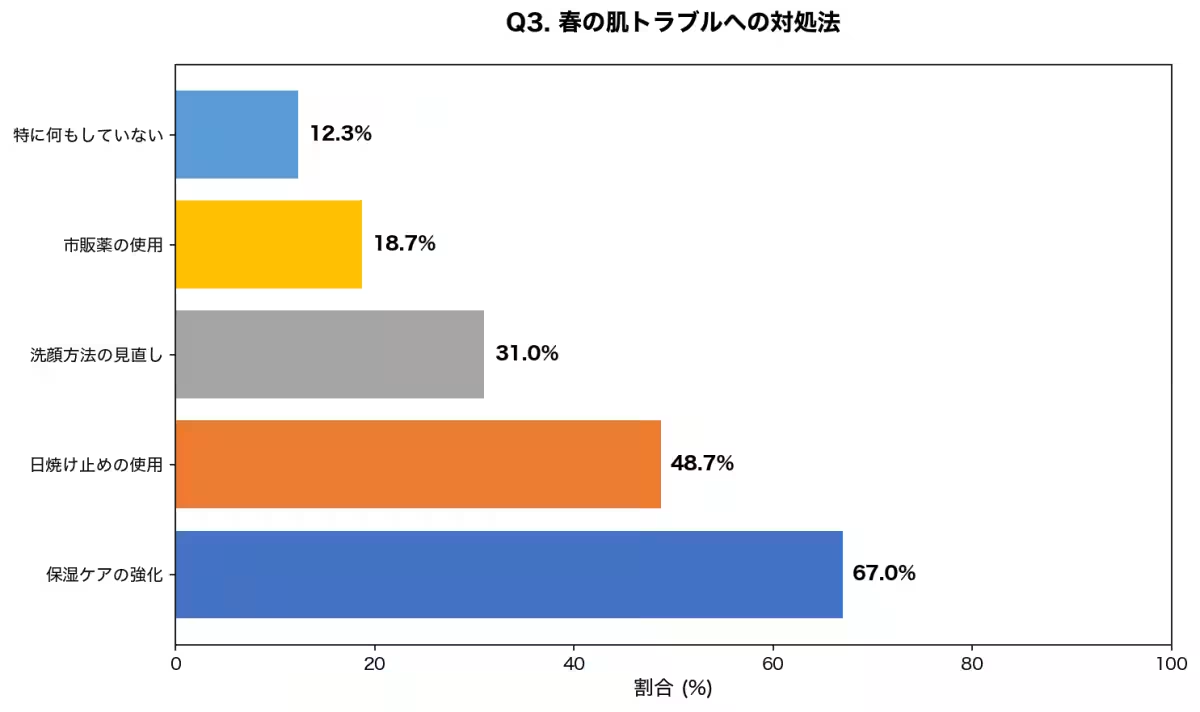
The survey revealed that while 67.0% of participants adopted enhanced moisturizing techniques, only about 48.7% utilized sunscreen despite the increasing UV exposure during the season.
Key Takeaways for Spring Skin Care
To effectively combat skin issues in spring, the following three-step regimen is crucial:
1. Cleansing: Use lukewarm water to gently wash your face twice daily and avoid harsh scrubbing.
2. Moisturizing: Apply ceramide-based moisturizers within three minutes after washing to lock in moisture.
3. UV Protection: Regularly apply sunscreen with SPF 30 or higher, reapplying every 2-3 hours.
Additionally, avoid trying new skincare products during this sensitive period to prevent unforeseen reactions.
When to Seek Professional Help
It’s vital to consult a dermatologist if:
- - Symptoms do not improve after two weeks of self-care.
- - Itching disrupts sleep or daily activities.
- - The affected area is expanding or worsening.
- - Secondary infections from scratching have occurred.
Addressing skin troubles early prevents chronic issues and reduces the risk of long-lasting skin damage.
Insights from Medical Professionals
Dr. Kouta Takakuwa of I.C. Clinic shared his expertise on the importance of timely intervention. He noted that many patients wait too long, exacerbating their condition. The primary goal should be early treatment to prevent complications like skin infections or pigmentation changes. The take-home message is clear: adhere to the basic skincare regimen of cleaning, moisturizing, and protecting, and do not hesitate to seek medical advice when necessary.
This information aims to empower individuals with the knowledge needed to tackle spring skin issues effectively, ensuring they enjoy the beauty of the season while safeguarding their skin health.
Topics Health)
【About Using Articles】
You can freely use the title and article content by linking to the page where the article is posted.
※ Images cannot be used.
【About Links】
Links are free to use.