



Exploring Talent Acquisition Strategies in Manufacturing Through Timee and MUIC Kansai's Collaboration
Introduction
In a noteworthy development, Timee Inc. has joined forces with the MUIC Kansai to launch an innovative project aimed at addressing the talent acquisition challenges within the manufacturing sector. The project, dubbed "Work to Link," focuses on leveraging the gig economy to support traditional, local industries facing labor shortages. This article presents an overview of the project's background, detailed findings, and implications for future workforce engagement strategies.
Background of Work to Link Project
The collaboration between Timee, headquartered in Minato-ku, Tokyo, and the Kansai Innovation Center, located in Osaka, commenced with the signing of a contract in December 2024. The initiative targets the pressing issues of workforce scarcity and skills transfer in Osaka's traditional industries through a pilot project utilizing Timee’s unique staffing platform. By integrating spot work into the manufacturing process, the project aims to create sustainable employment pathways and bridge the gap between job seekers and the industry.
Implementation of the Project
Between April 2025 and January 2026, the project engaged eight local manufacturing companies in Osaka. These firms utilized Timee to onboard inexperienced workers, focusing on creating a repository of knowledge regarding spot work practices. Additionally, an extensive survey was conducted targeting workers employed through Timee to gather insights on their experiences and employment impact.
Key Dates
- - Pilot Project Duration: April 1, 2025, to January 31, 2026.
- - Qualitative Evaluation: Interviews conducted in January and February 2026 with management and supervisors of participating firms.
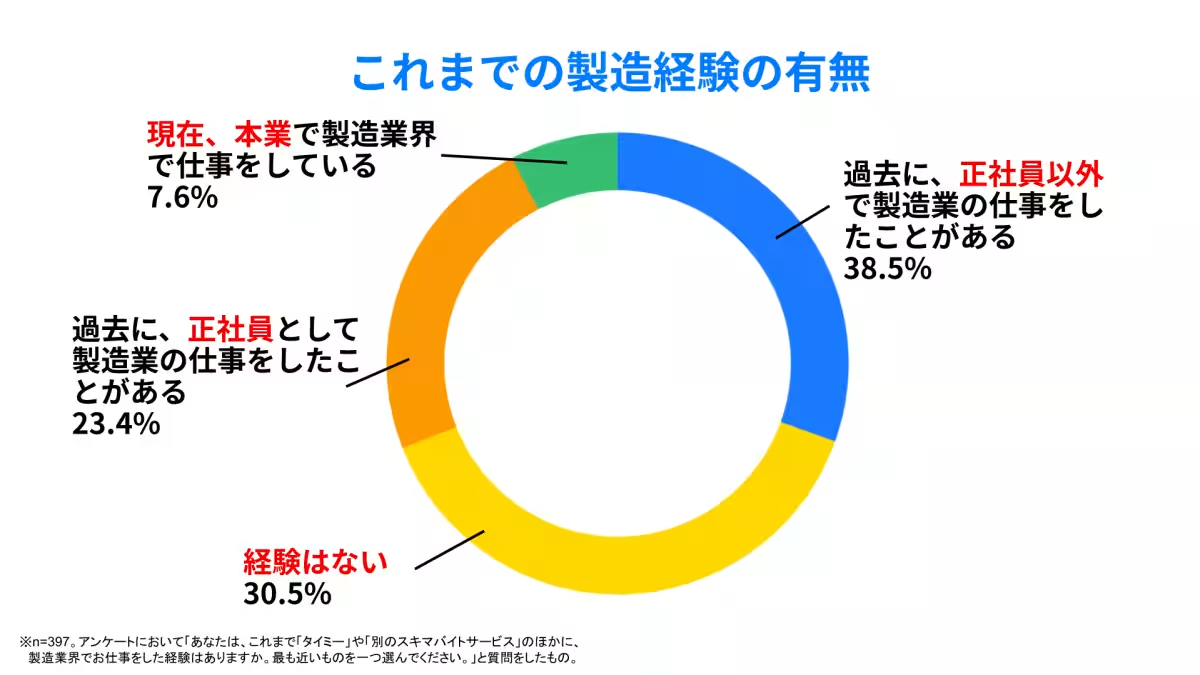
- - Quantitative Analysis: Survey conducted from January 13 to January 16, 2026, collecting 397 valid responses.
Job Listings During the Pilot
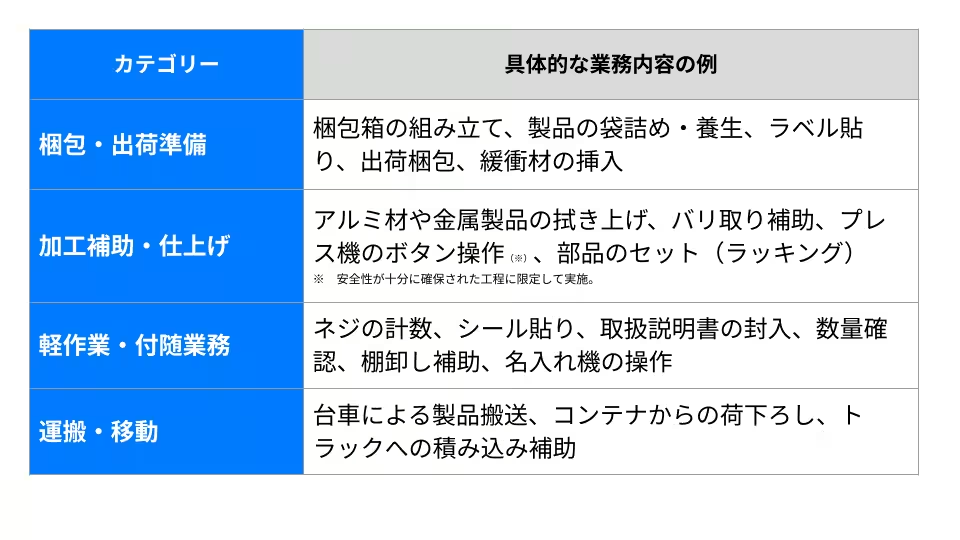
The project aimed to ensure that job listings aligned with the firm's operational requirements, focusing on:
1. Quality Impact: Essential quality checks and judgment tasks reserved for regular staff, with support tasks for temporary workers.
2. Technical Requirements: Tasks simplified for newcomers, requiring minimal training.
3. Safety and Confidentiality: Roles assigned to low-risk processes or ensuring confidentiality sensibilities.
Discoveries from the Pilot
1. New Channels for Workforce Engagement
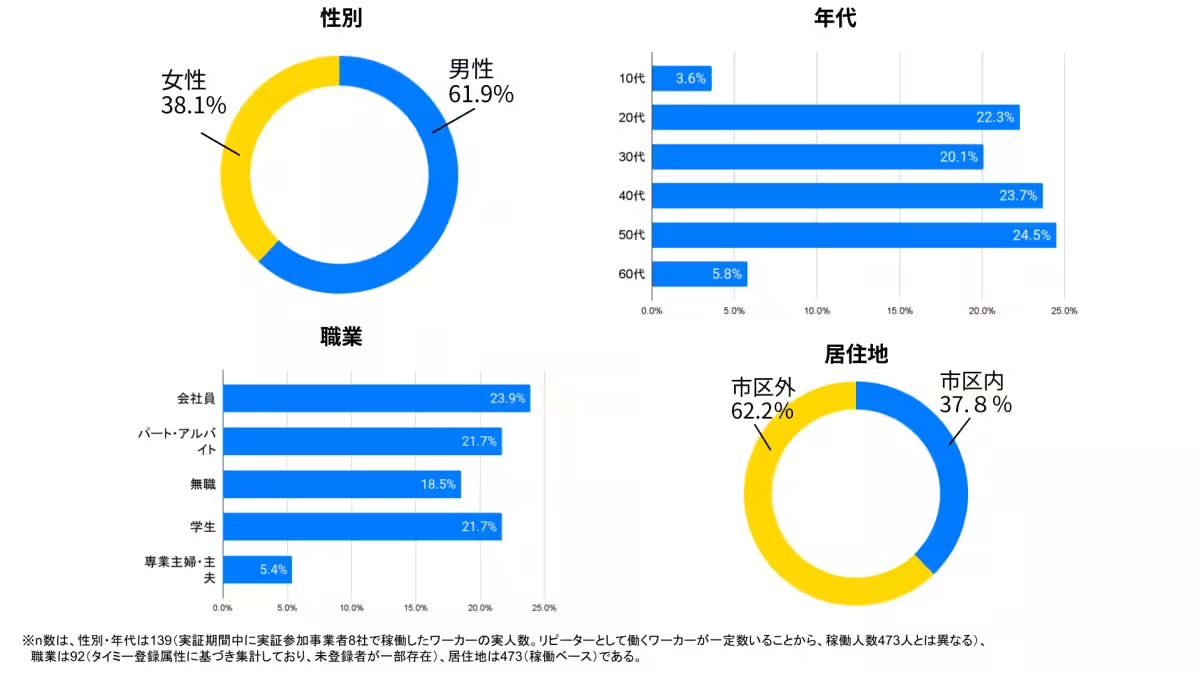
The project unearthed promising trends in recruiting those who typically lack access to conventional job opportunities in the manufacturing sector. Notably, the project saw a 96.3% utilization rate among the applicants, signaling success in connecting with potential workers. This participation included a diverse mix of youth and women, indicating a broadening demographic in the manufacturing workforce.
2. Educational Strategies Enhancing Workforce Efficiency
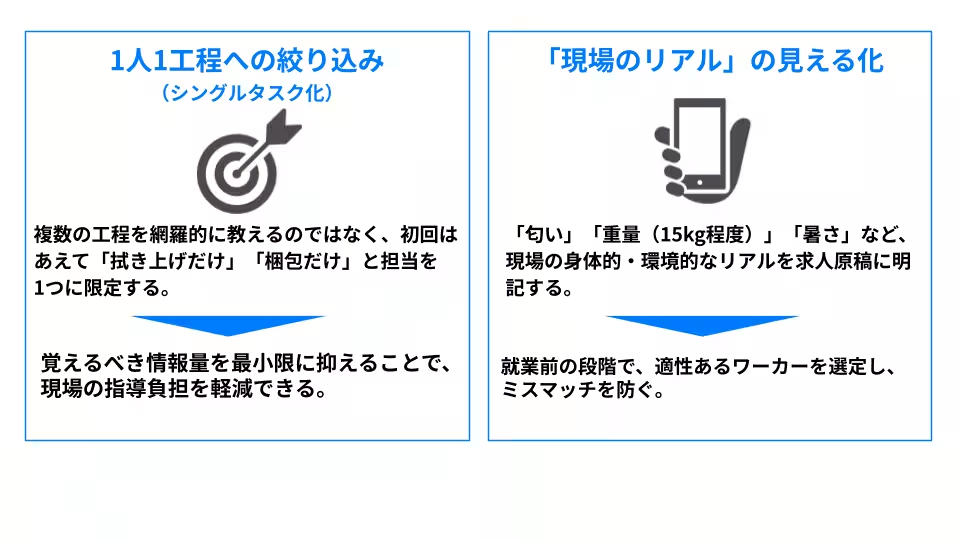
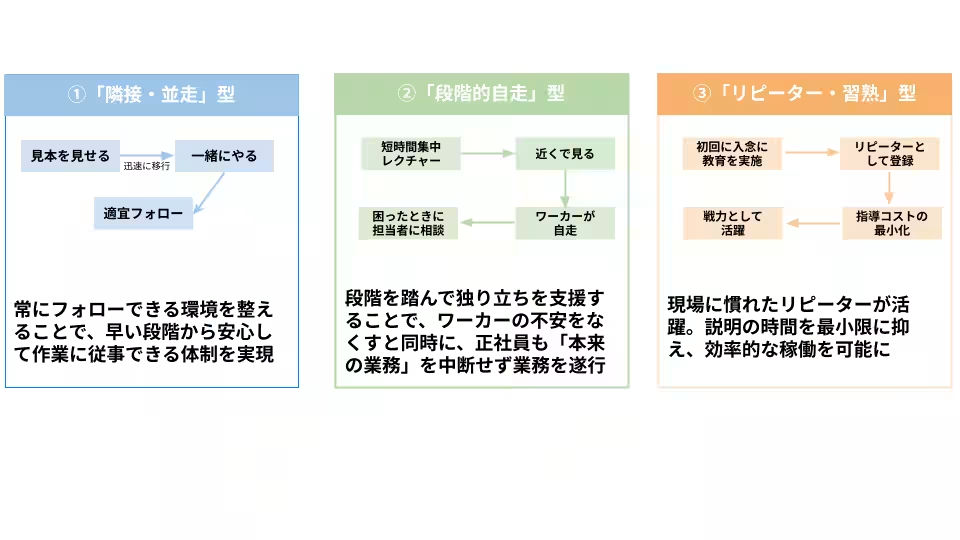
Effective teaching methods prior to and during employment resulted in quicker integration of inexperienced workers into productive roles. Streamlined tasks helped minimize both the time and resources spent on employee training.
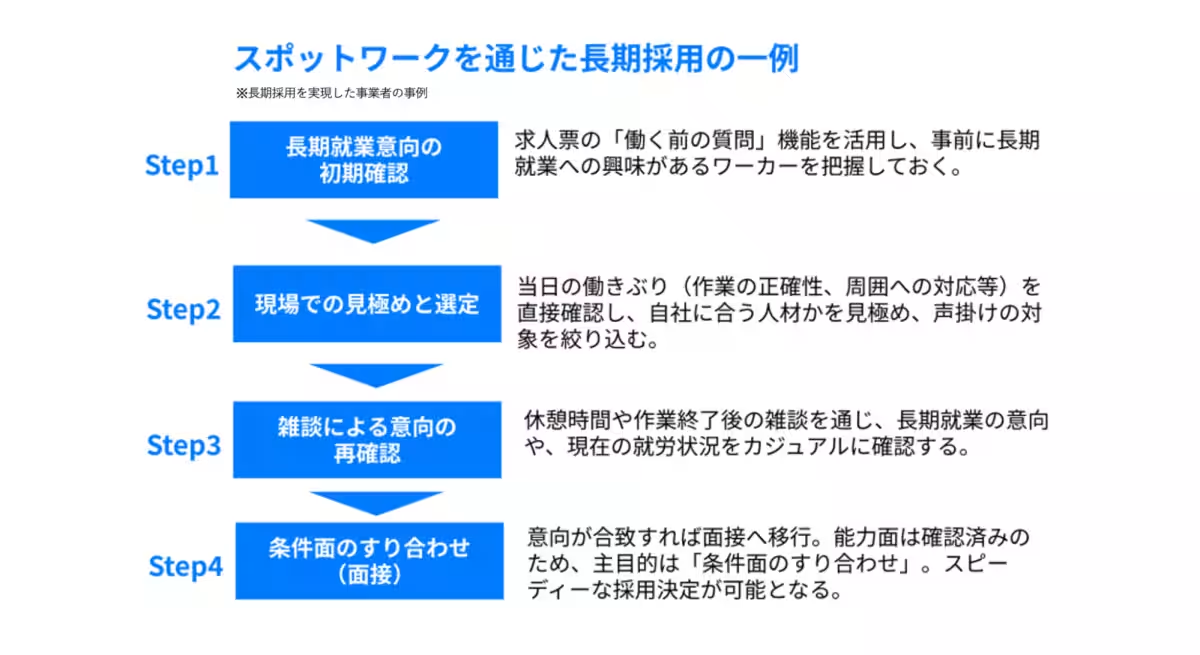
3. Effective Utilization of Trial Employment
The project facilitated successful long-term hiring commitments from three participants, signifying the value of practical experience in aligning expectations between workers and employers.
4. Enabling Core Operations
As temporary workers were engaged in auxiliary tasks, full-time staff were able to focus on primary business functions, enhancing overall operational efficiency.
5. Cross-Industry Skills Transforming Employment
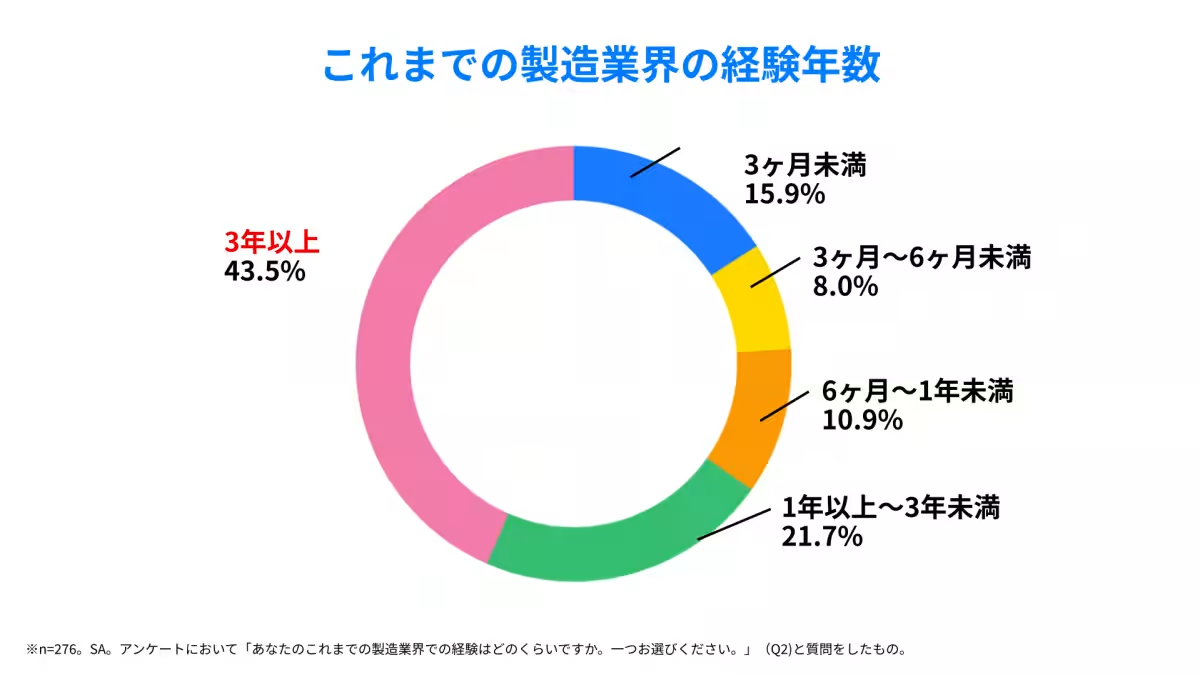
Analysis indicated that a majority of the workers had prior experience in logistics, suggesting that foundational skills acquired in other industries facilitate seamless transitions into manufacturing roles. This acknowledgment reinforces the value of portability in skills into differing operational contexts.
Future Directions
The findings of the "Work to Link" project validate the potential of spot work within the manufacturing realm. As traditional hiring frameworks struggle with evolving workforce dynamics, innovative engagements like this leverage external viewpoints for improved teaching methodologies and organizational communication. With a transformative perspective, fostering diverse talent pools through multi-faceted gig strategies can strategically address the industry’s looming challenges in skills preservation and manpower sustainability.
Conclusion
With the release of this pilot project report, the collaboration between Timee and MUIC Kansai sets a precedent for integrating modern employment practices within traditional sectors. The insights gained underline the importance of adaptability and innovation in workforce management, positioning the project as a potential blueprint for future initiatives aiming to bridge labor gaps in the manufacturing landscape. For more detailed information e.g., results of surveys implemented, please refer to the official links provided.
For more detailed insights on this topic, visit the following sources:

Topics Consumer Products & Retail)
【About Using Articles】
You can freely use the title and article content by linking to the page where the article is posted.
※ Images cannot be used.
【About Links】
Links are free to use.