



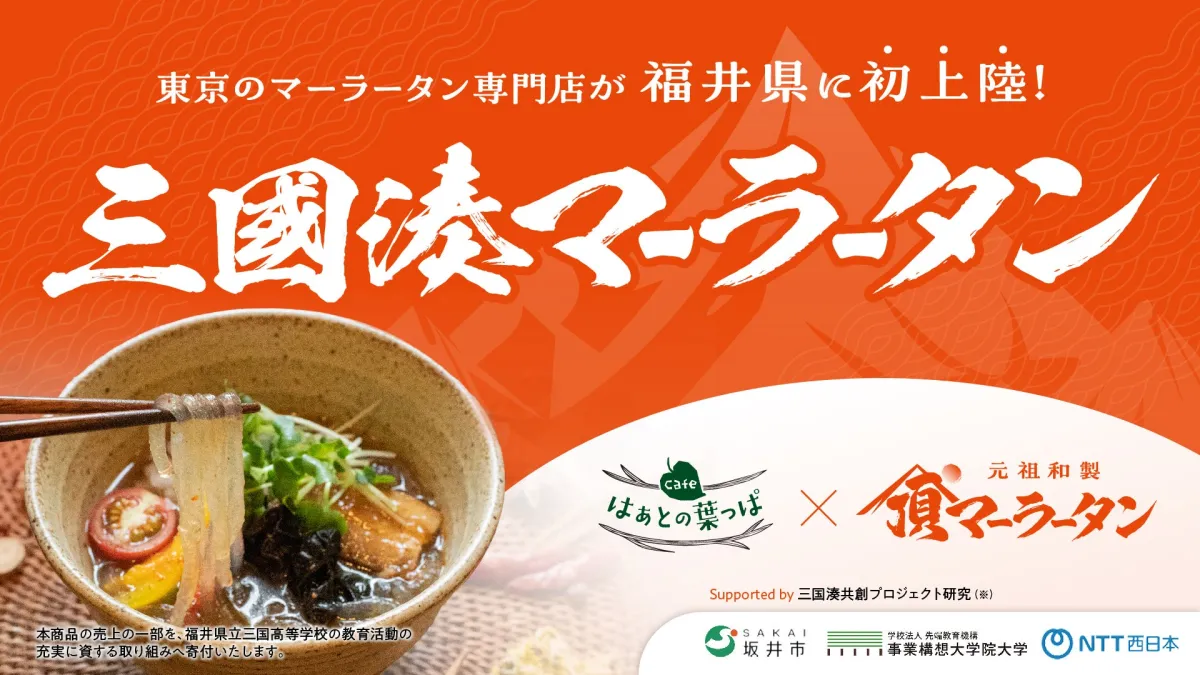
New Culinary Delight: Mikuni Minato Mala-Tan Launches in Sakai City, Japan
A Culinary Revolution: The Launch of Mikuni Minato Mala-Tan
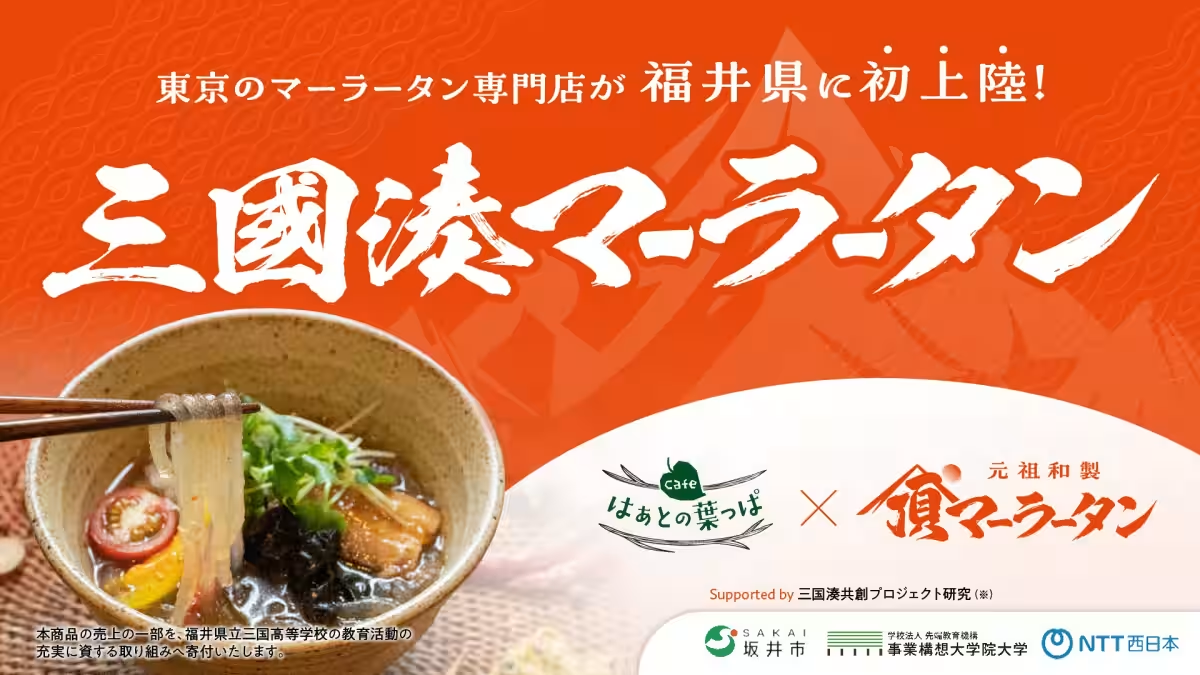
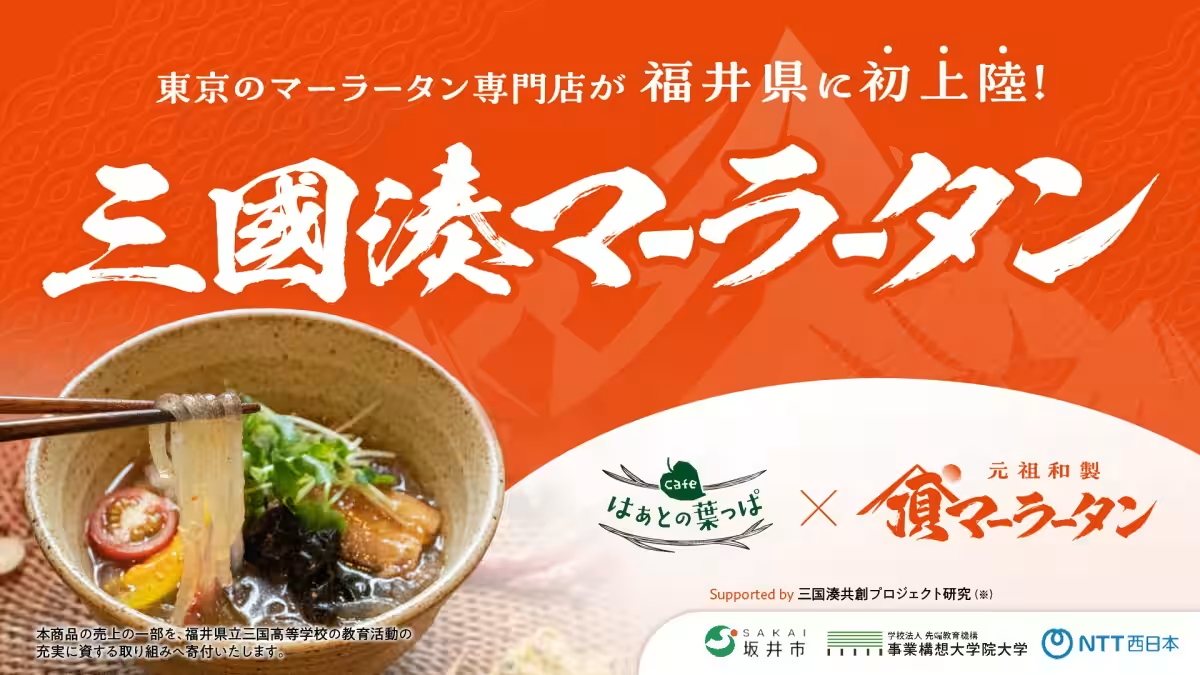
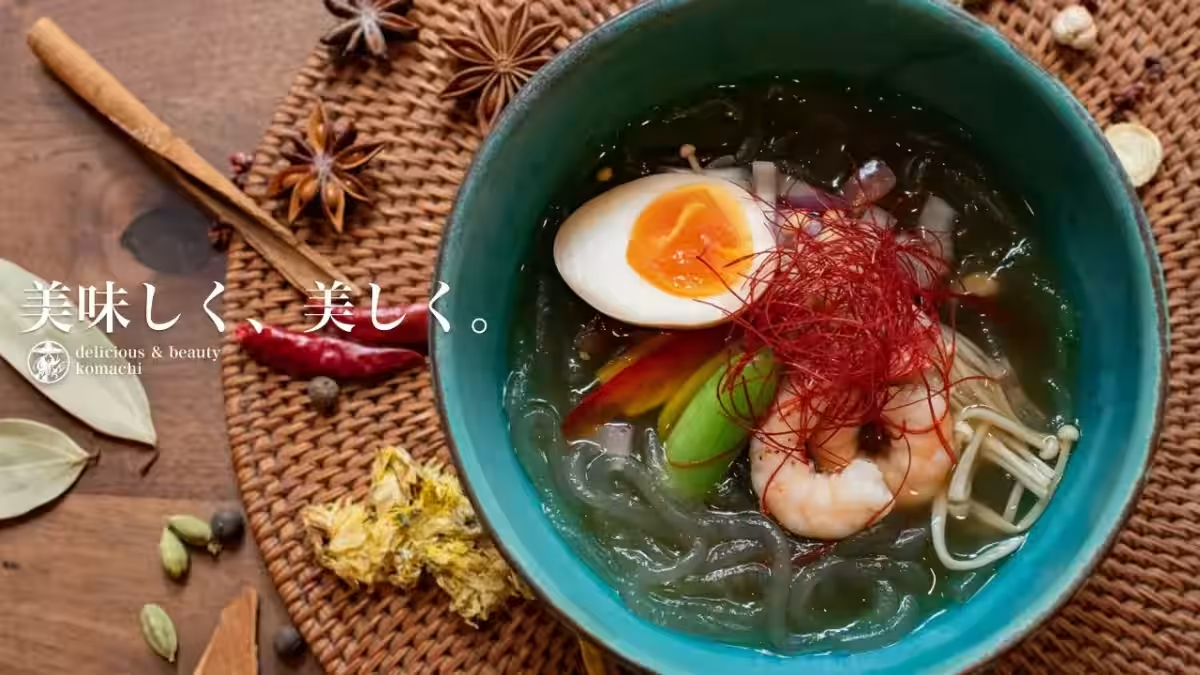
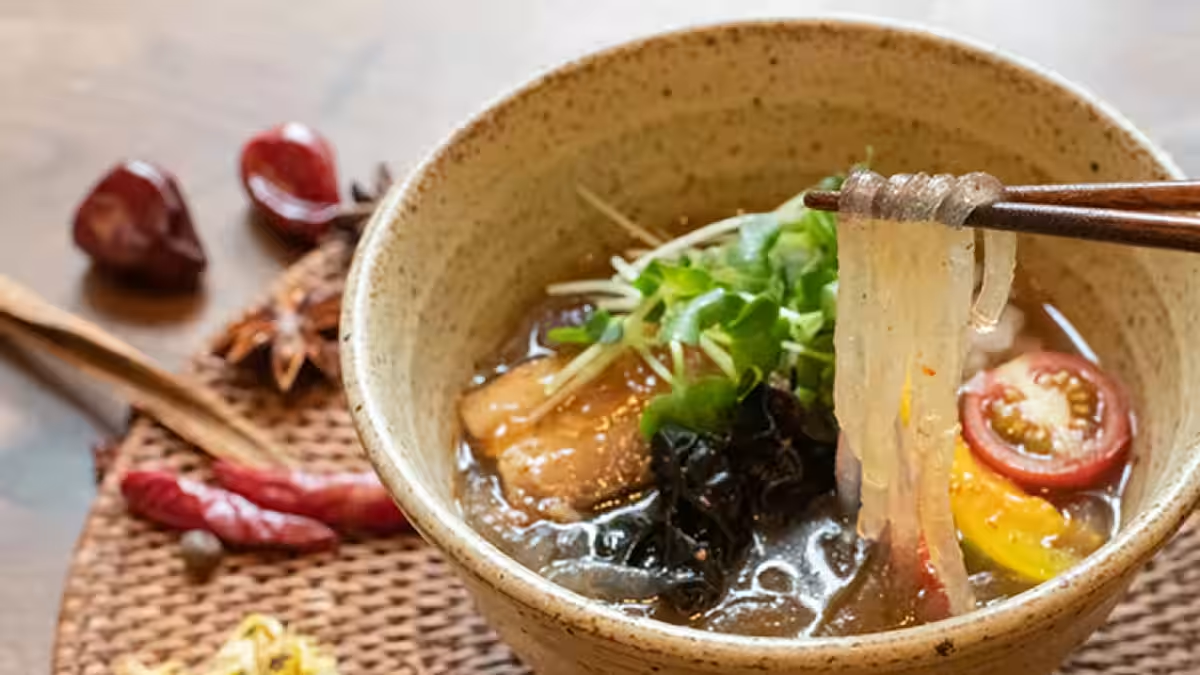
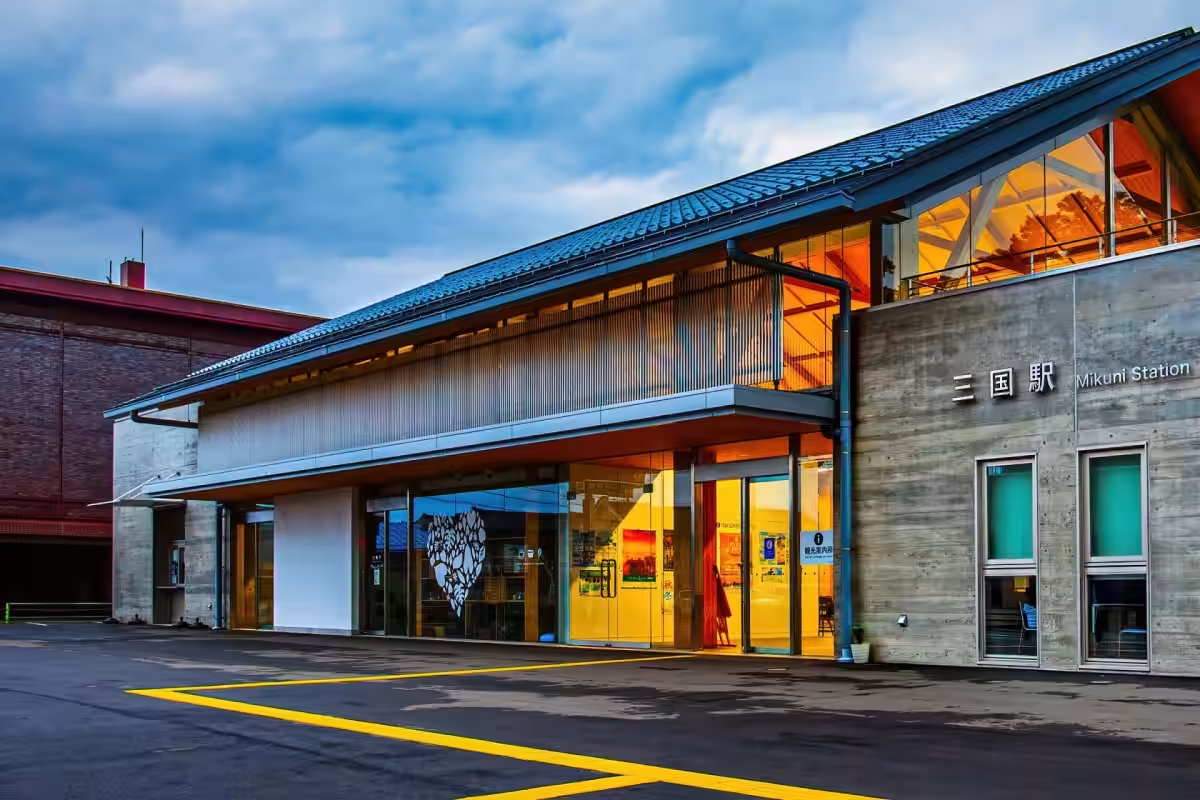
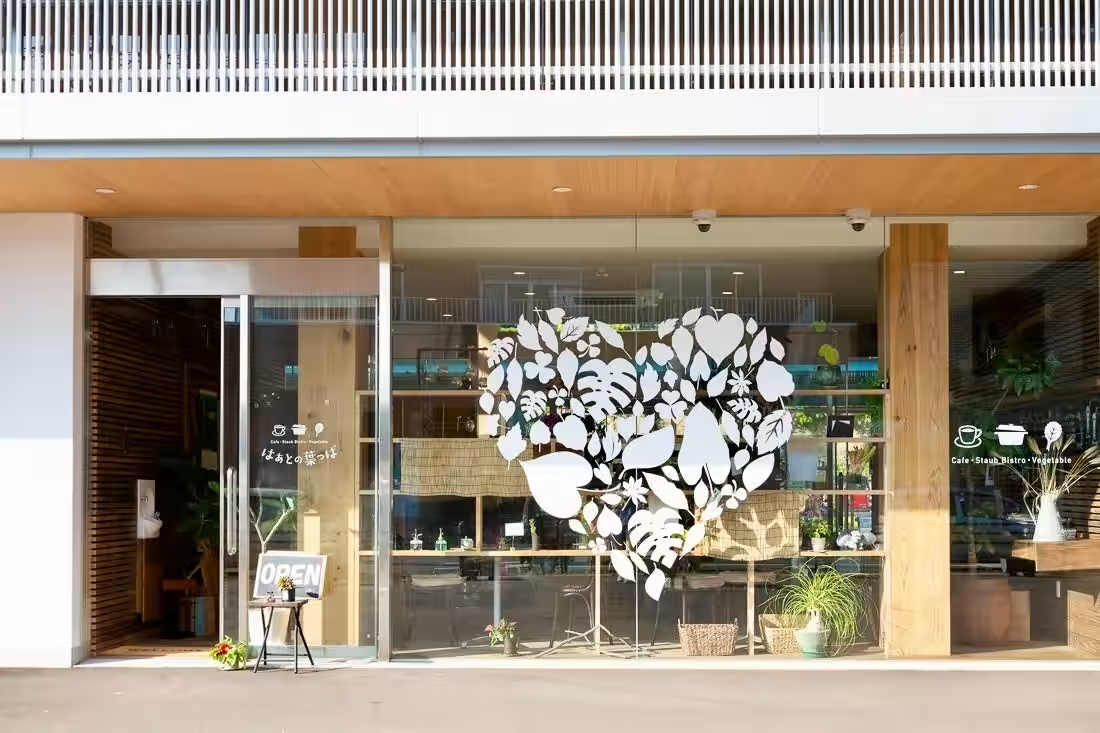
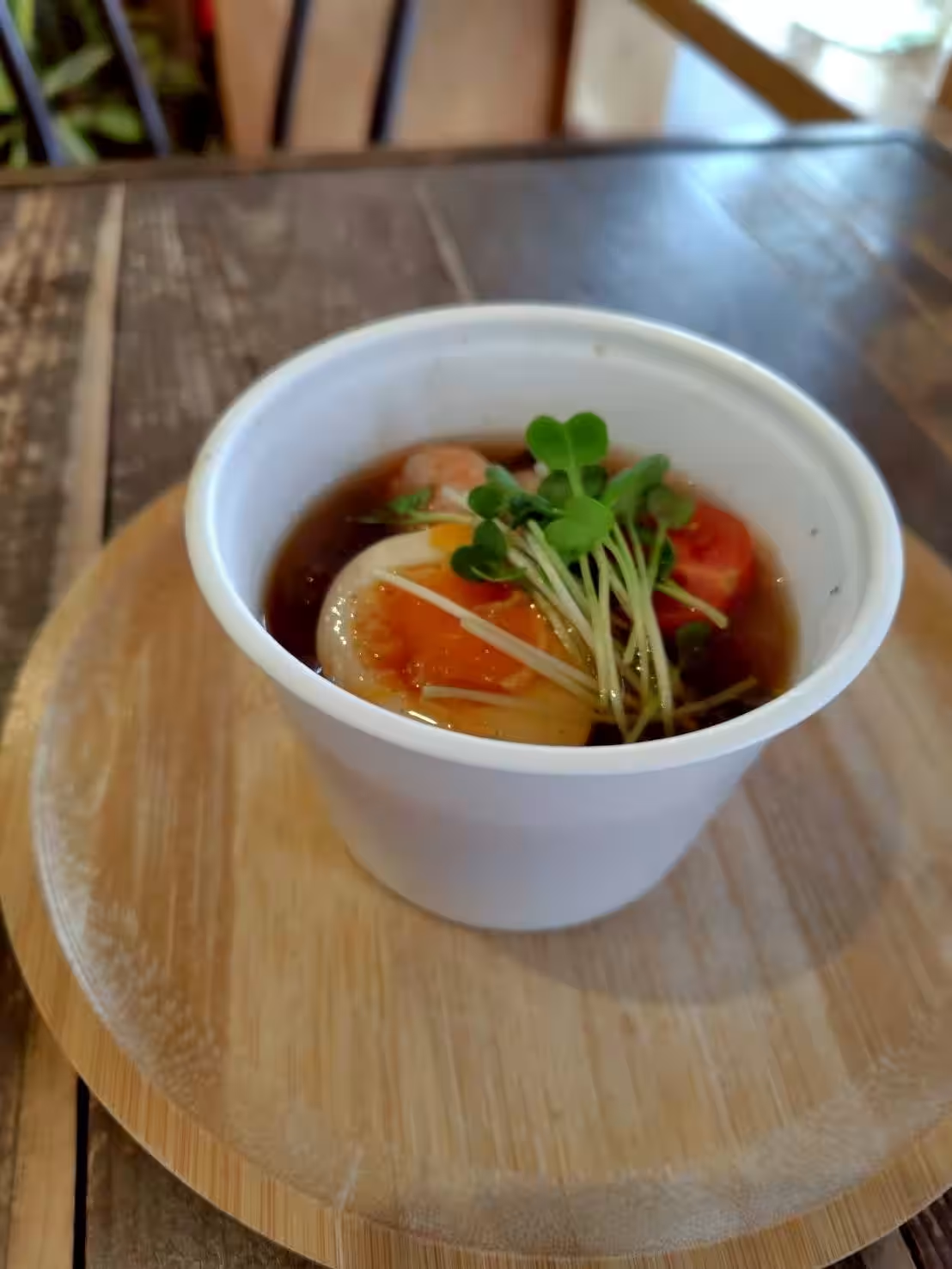
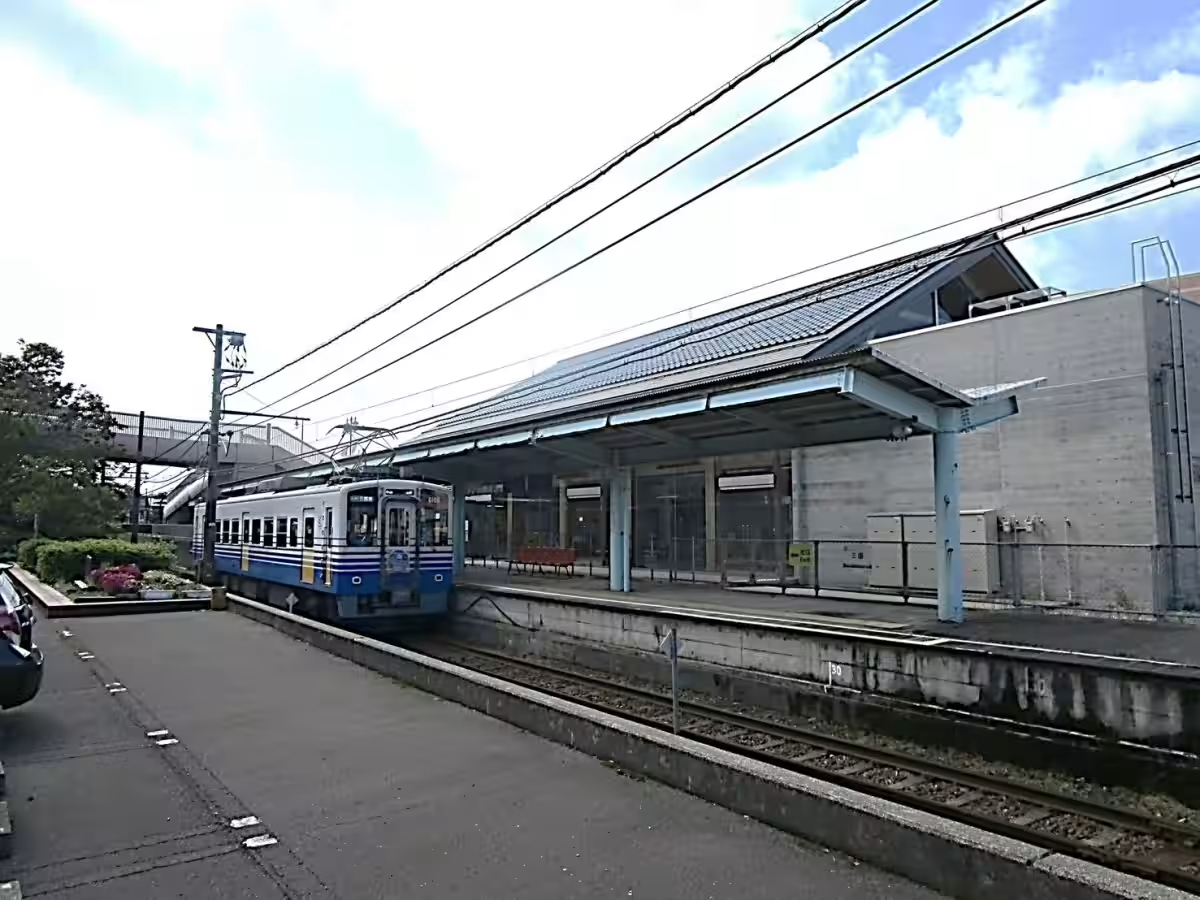
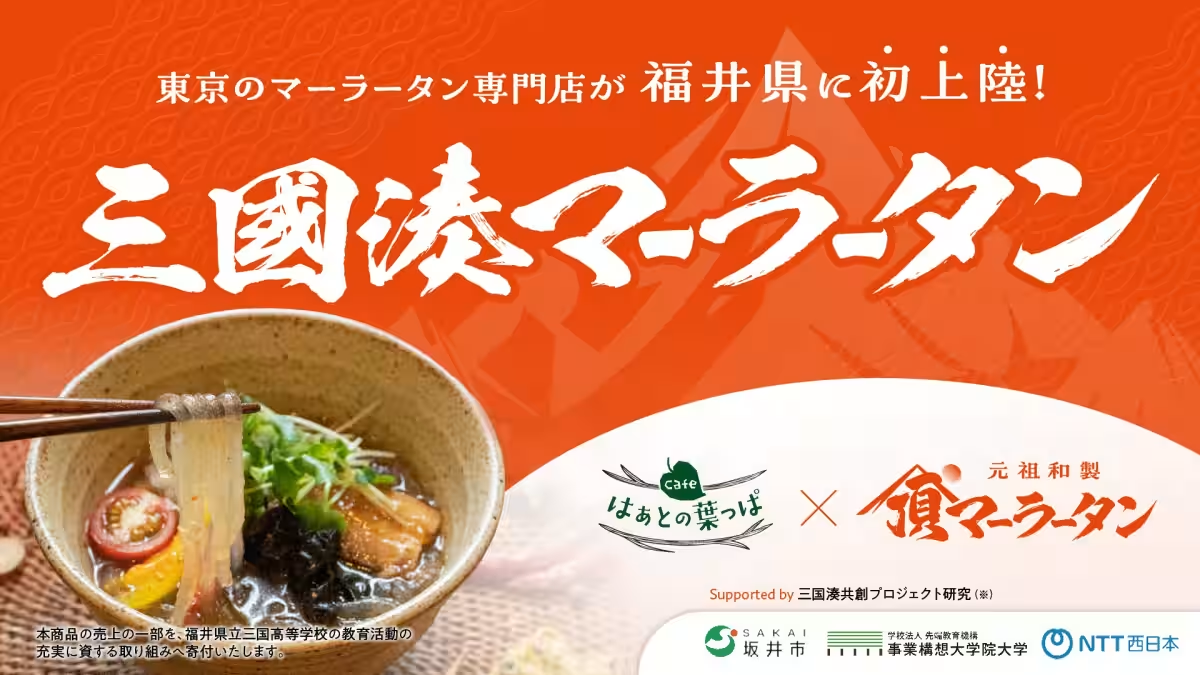
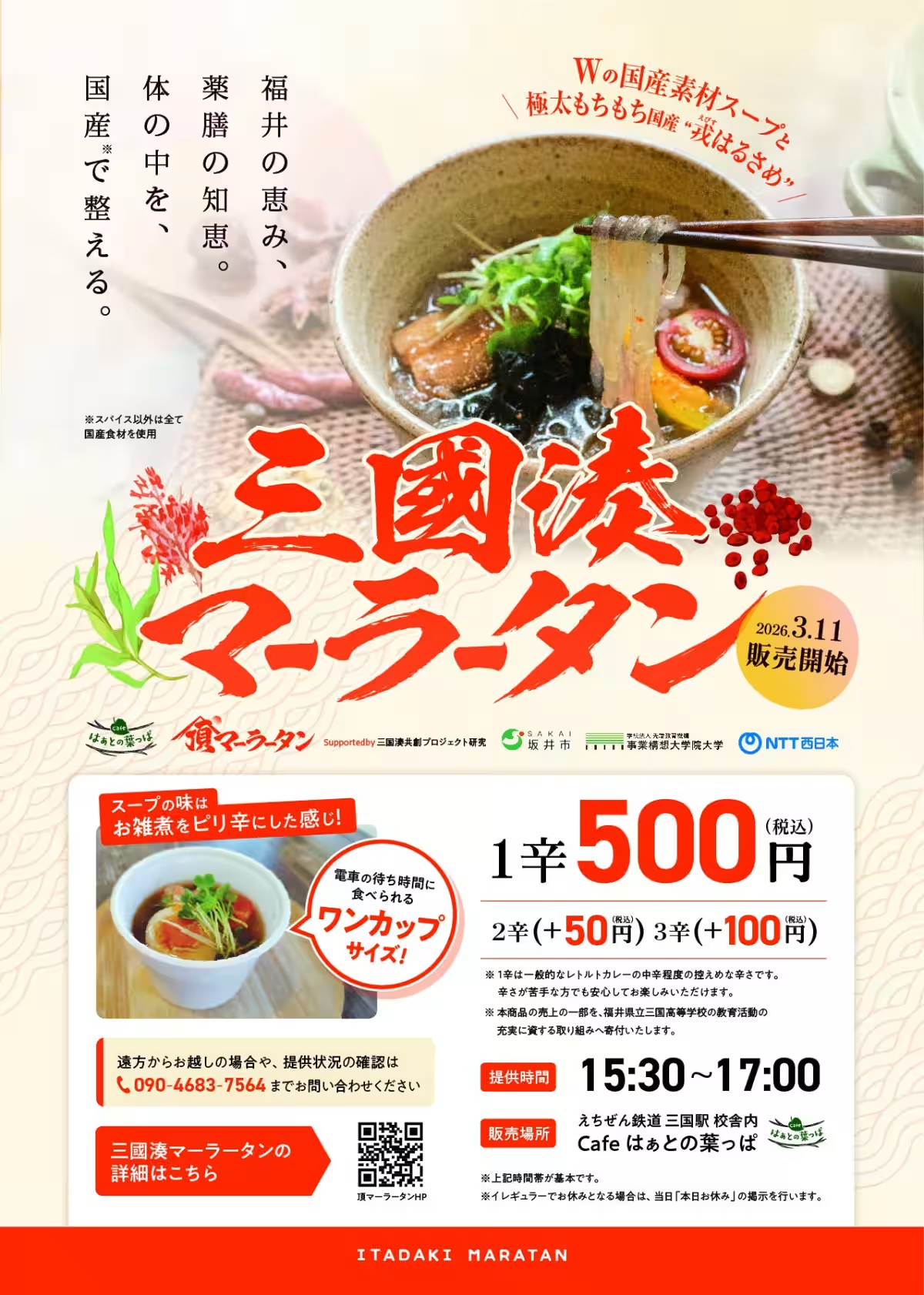
The collaboration between Sakai City, NTT West Japan, and the Graduate School of Business Administration has taken an exciting turn with the introduction of the Mikuni Minato Mala-Tan. This new dish will be launched at the popular local spot, Cafe Haato no Happa, located within the Mikuni Station building on March 11, 2026.
A Taste of Sakai City's Rich Heritage
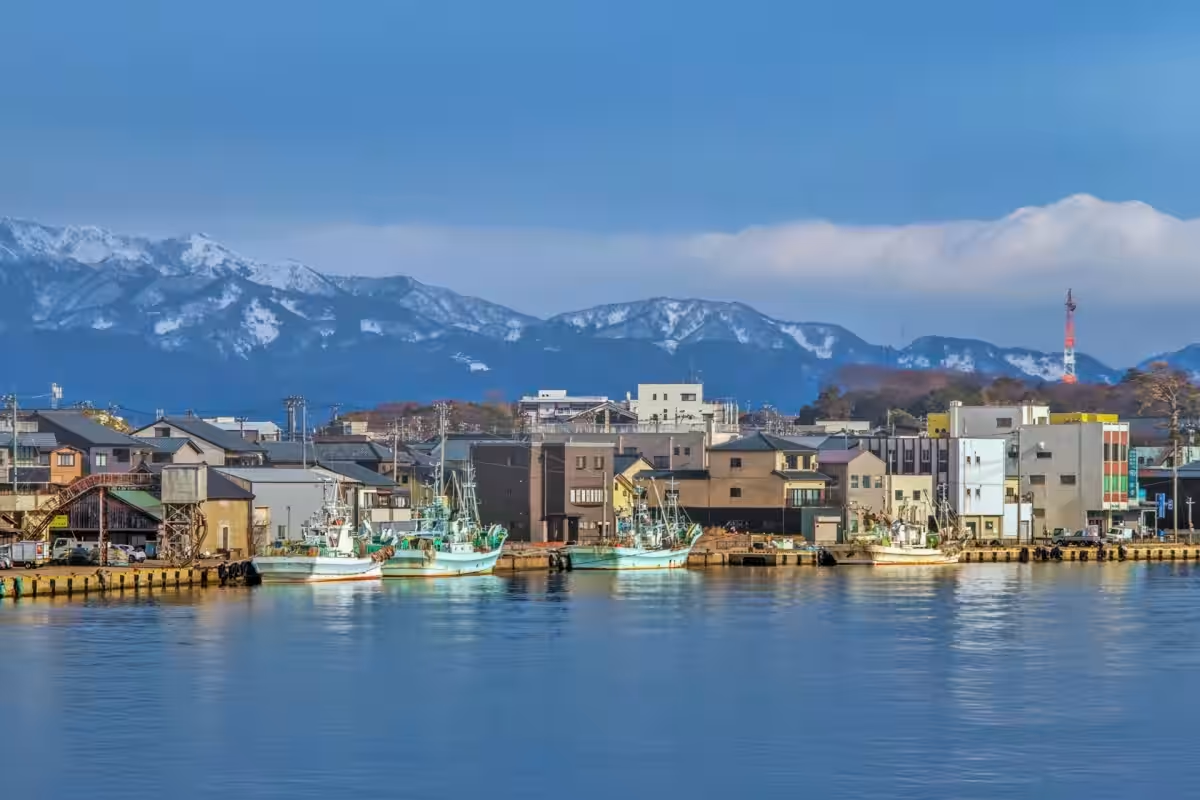
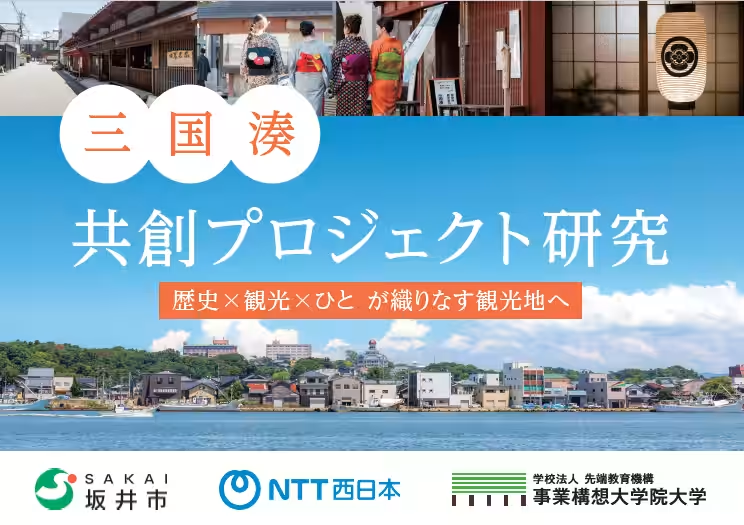
Sakai City, located in Fukui Prefecture, is known for its historical significance as a port town, not to mention its rich natural and cultural resources. The area boasts a bountiful harvest from both land and sea, making it an ideal foundation for new culinary ventures. The recent initiative to promote local production for local consumption aims to showcase Sakai's farm-fresh ingredients in this innovative Thai-inspired dish.
Origin of Mikuni Minato Mala-Tan
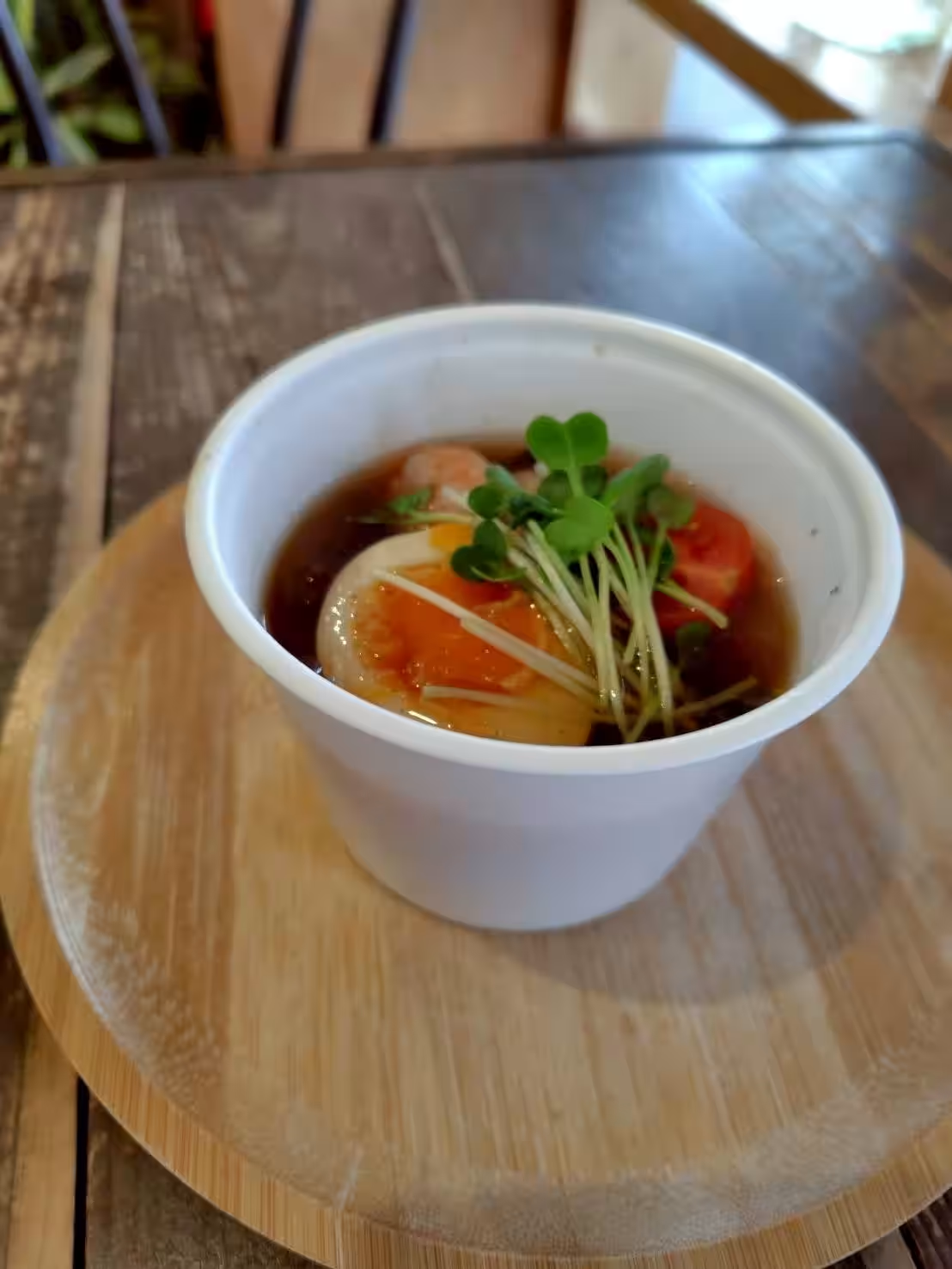
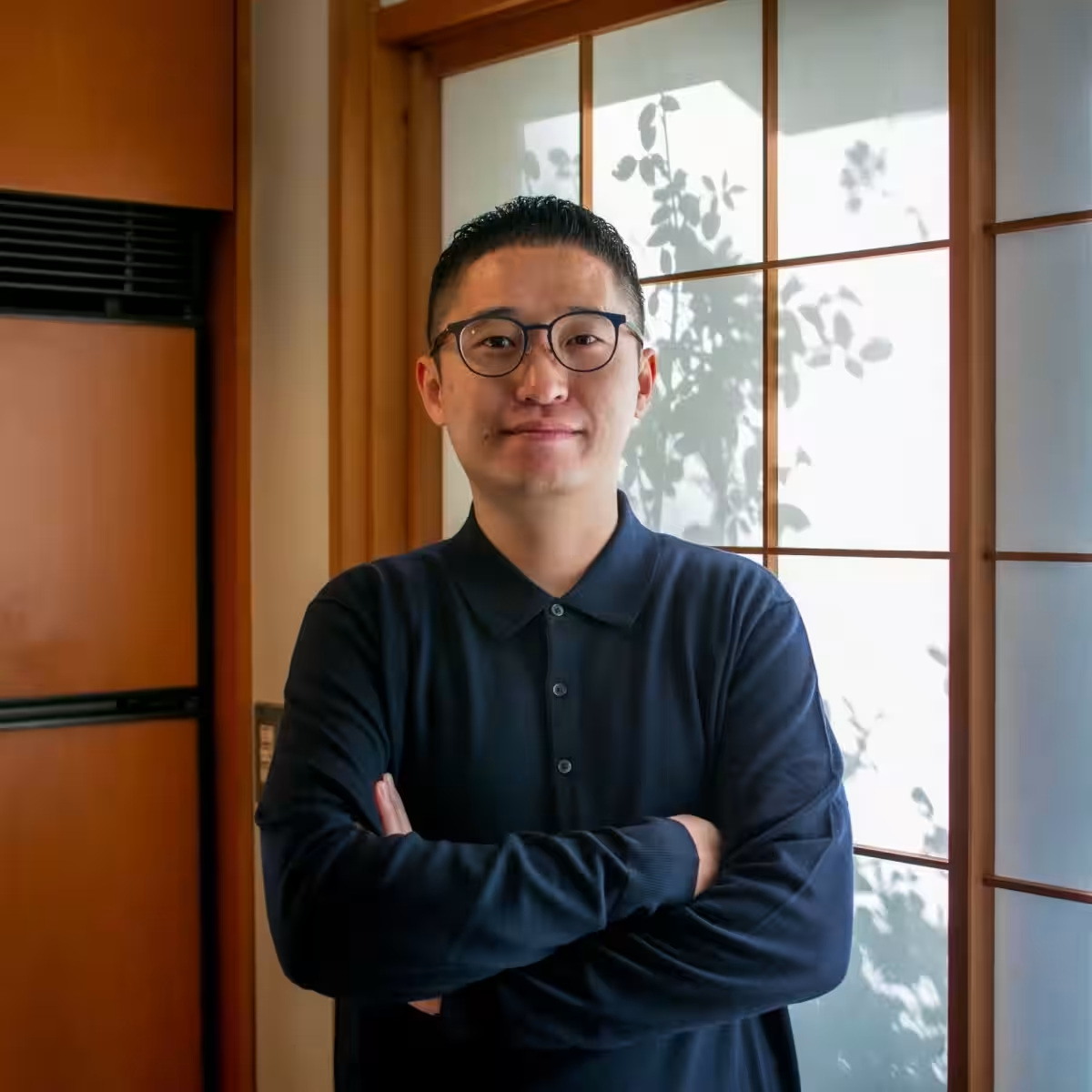
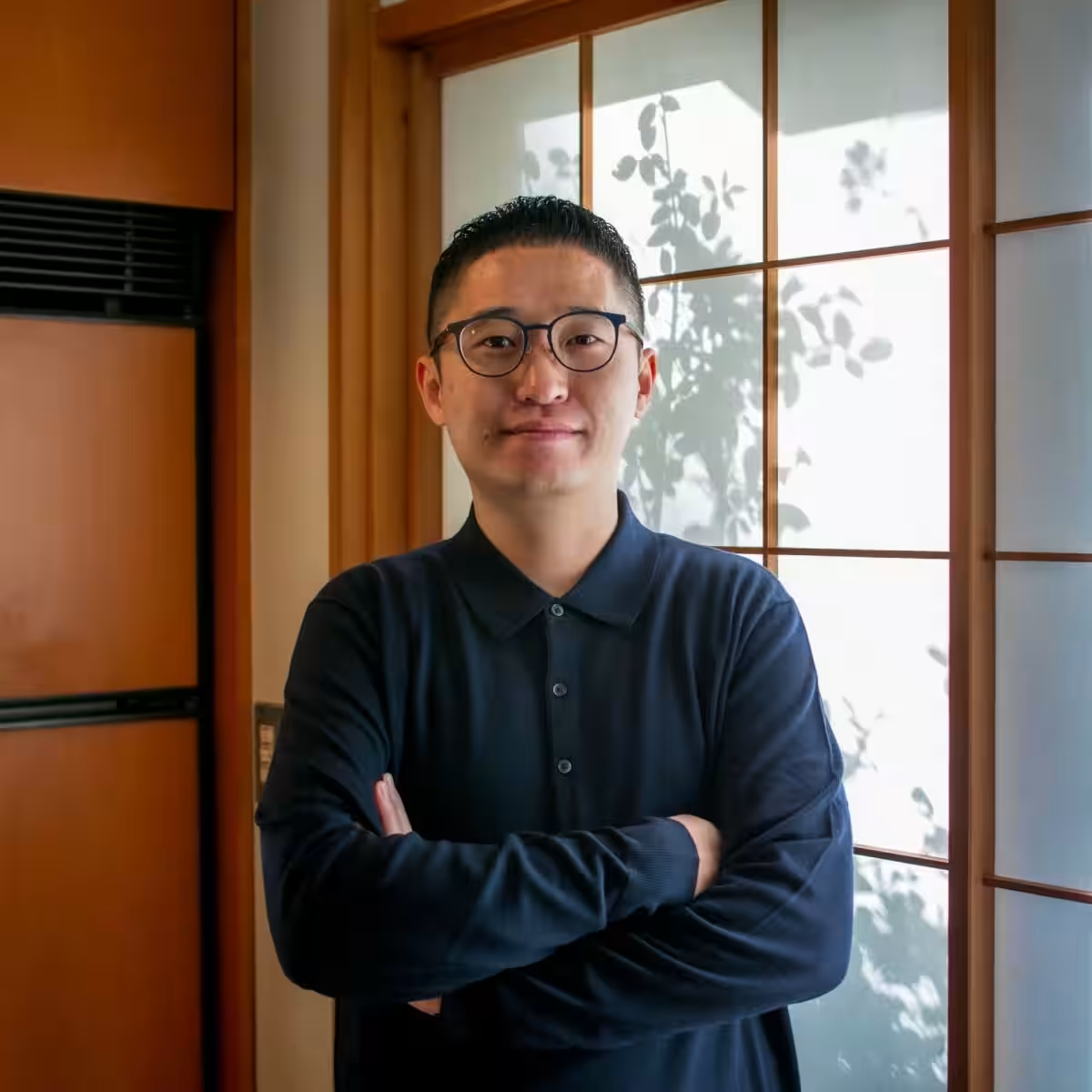
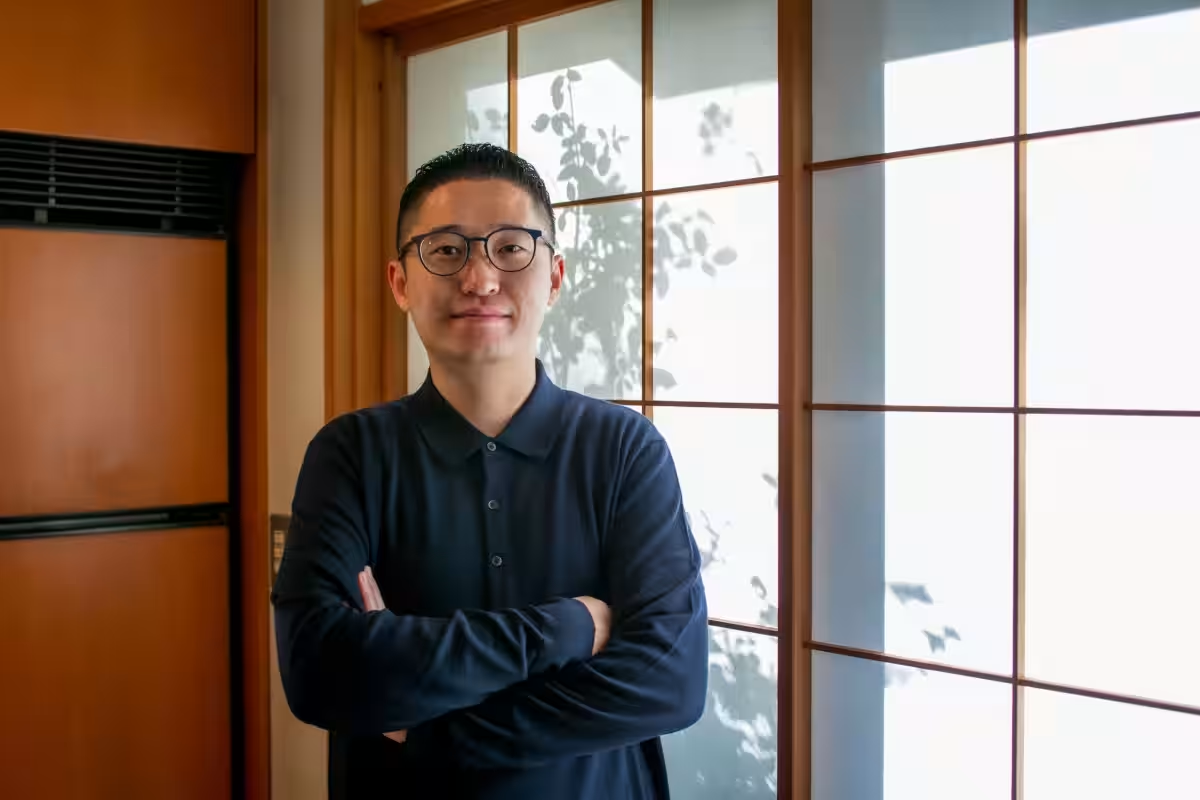
The concept for the Mikuni Minato Mala-Tan emerged from a collaboration initiated by Hirofumi Nihei, COO of “Chokkan Maratan” and a team of researchers at the Graduate School of Business Administration. The dish integrates local flavors with traditional mala-tang elements, aiming to cater to both locals and visitors to the station, particularly students from nearby Mikuni High School. Priced at a modest 500 yen, the mala-tan offers an accessible culinary experience while inviting individuals to engage with the region's rich culture and ingredients.
Promoting Sustainable Practices
The Mikuni Minato Mala-Tan is more than just a meal; it's part of a broader mission to promote sustainable food practices. By collaborating with local farmers, the dish will adapt with seasonal vegetables and other regional specialties, enhancing the connection between food and community. A portion of the dish’s profits will be donated to educational programs at Mikuni High School, reinforcing the idea of giving back to the community while fostering student interaction with local foods.
Community Engagement and Project Goals
The Mikuni Minato Co-Creation Project is a strategic effort aimed at revitalizing the area and bridging generational gaps through education, entrepreneurship, and cultural engagement. By initiating a culinary project like this, stakeholders from NTT West Japan, Sakai City, and the Graduate School are working together to stimulate local tourism and economic development.
In the words of Masami Kawamura, a professor involved in the project, “The harmonious blend of local flavors and culinary innovation is expected to captivate both locals and tourists, enriching their experience of Sakai City.”
Accessibility of the New Dish
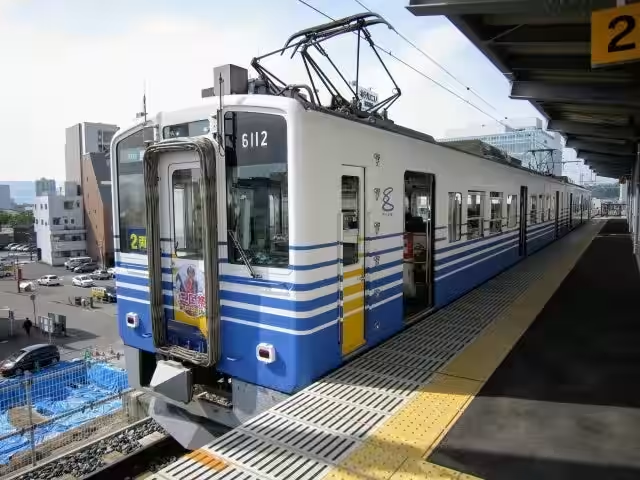
The mala-tan will be available in three different spice levels, making it suitable for various palates. Accessible during peak times—particularly for students utilizing the local train service—this initiative is designed to make the wait for trains enjoyable and culturally enriching.
The Cultural Significance
Culinary initiatives like the Mikuni Minato Mala-Tan not only serve to enhance the local palate but also to foster a sense of community pride among residents and visitors alike. It stands as a testament to how food can create social connections and promote cultural heritage while contributing to sustainable economic growth.
Final Thoughts
The launch of the Mikuni Minato Mala-Tan is set to represent a unique intersection of food, culture, and community spirit. As visitors inevitably explore the beauty of Sakai City, experiencing its culinary delights will undoubtedly deepen their appreciation for this tranquil port town and its vibrant traditions. The dish is anticipated to become a new staple, enticing not just the locals but also engaging visitors with the rich cultural tapestry that defines Mikuni Minato.
Cafe Haato no Happa welcomes everyone to indulge in this local gem, turning your waiting time into an opportunity to appreciate the exquisite flavors of Sakai City!







Topics Consumer Products & Retail)
【About Using Articles】
You can freely use the title and article content by linking to the page where the article is posted.
※ Images cannot be used.
【About Links】
Links are free to use.