



Innovative Driver Exchange Trials Transform Long-Distance Logistics in Japan
Transforming Logistics in Japan with Driver Exchange
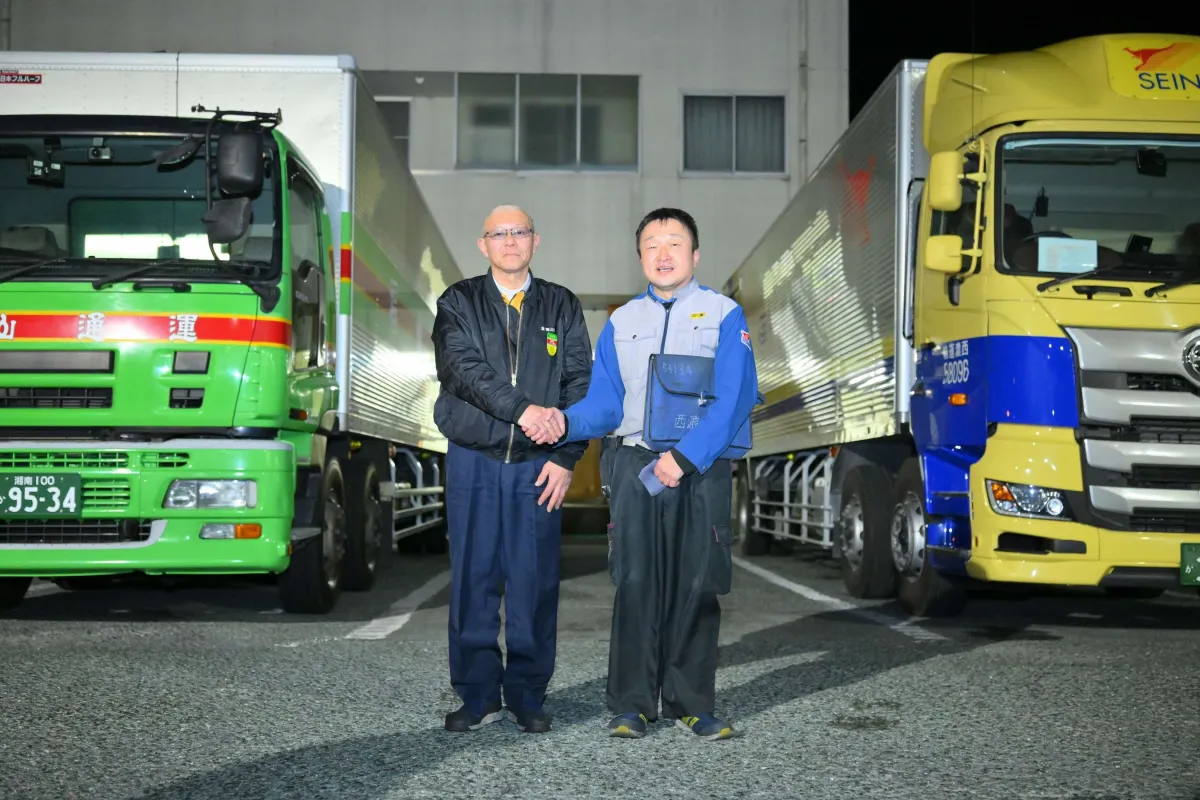
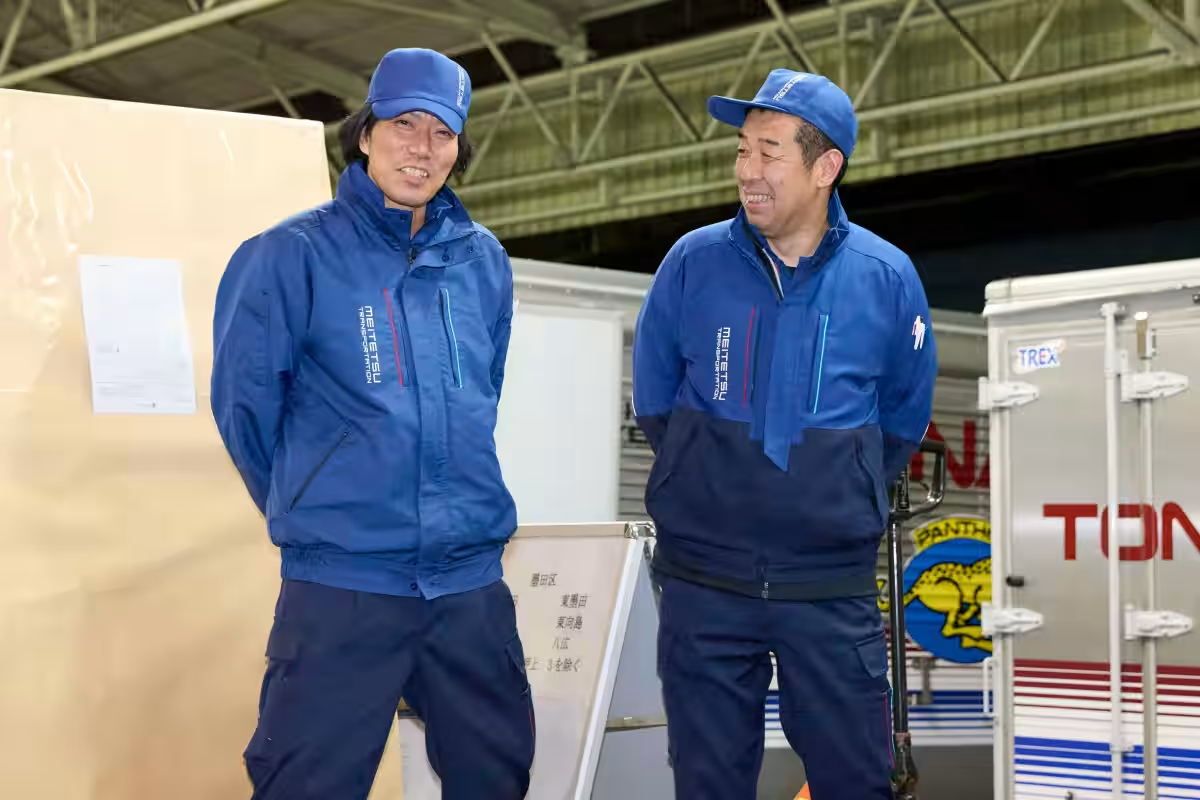
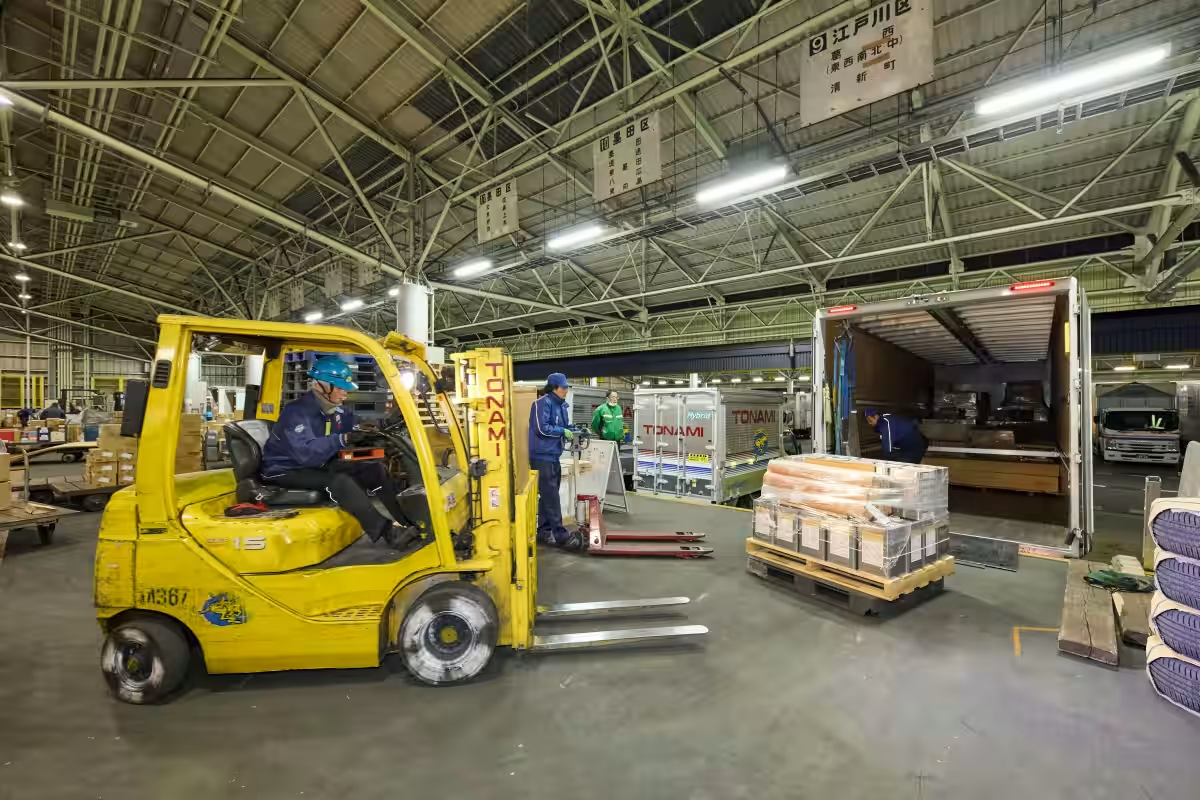
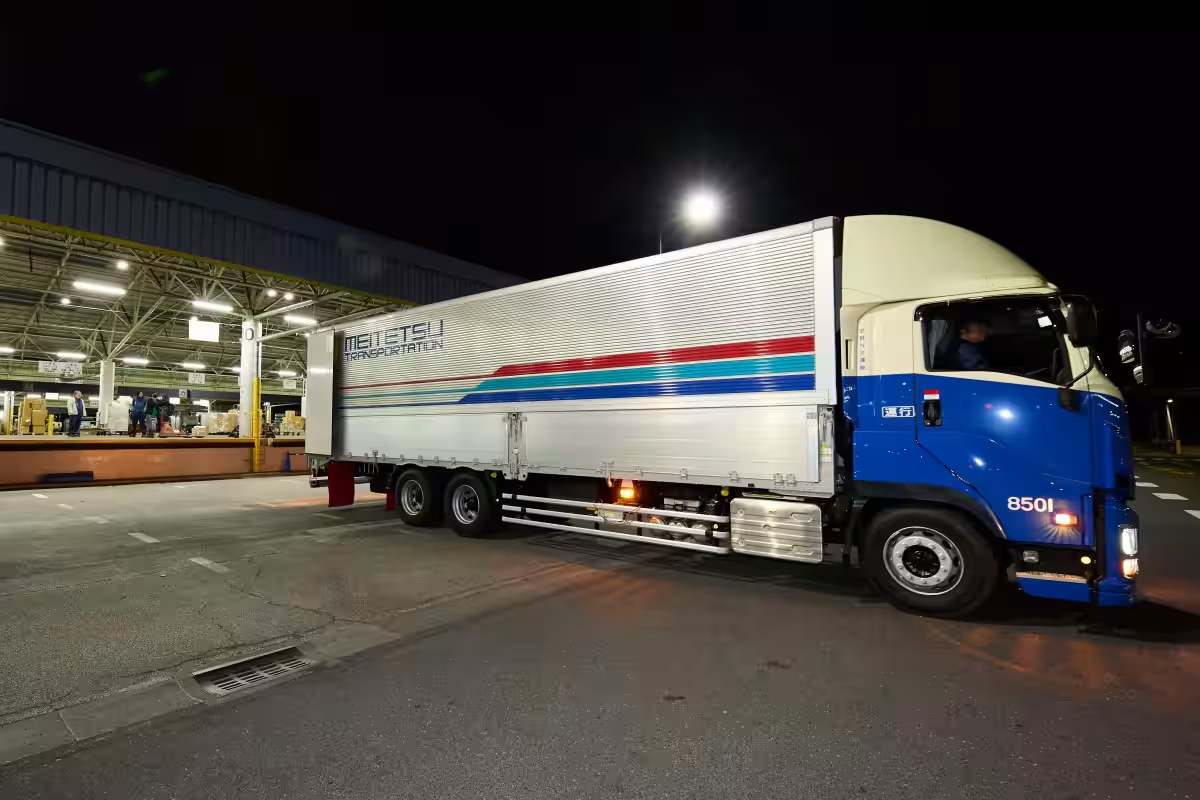
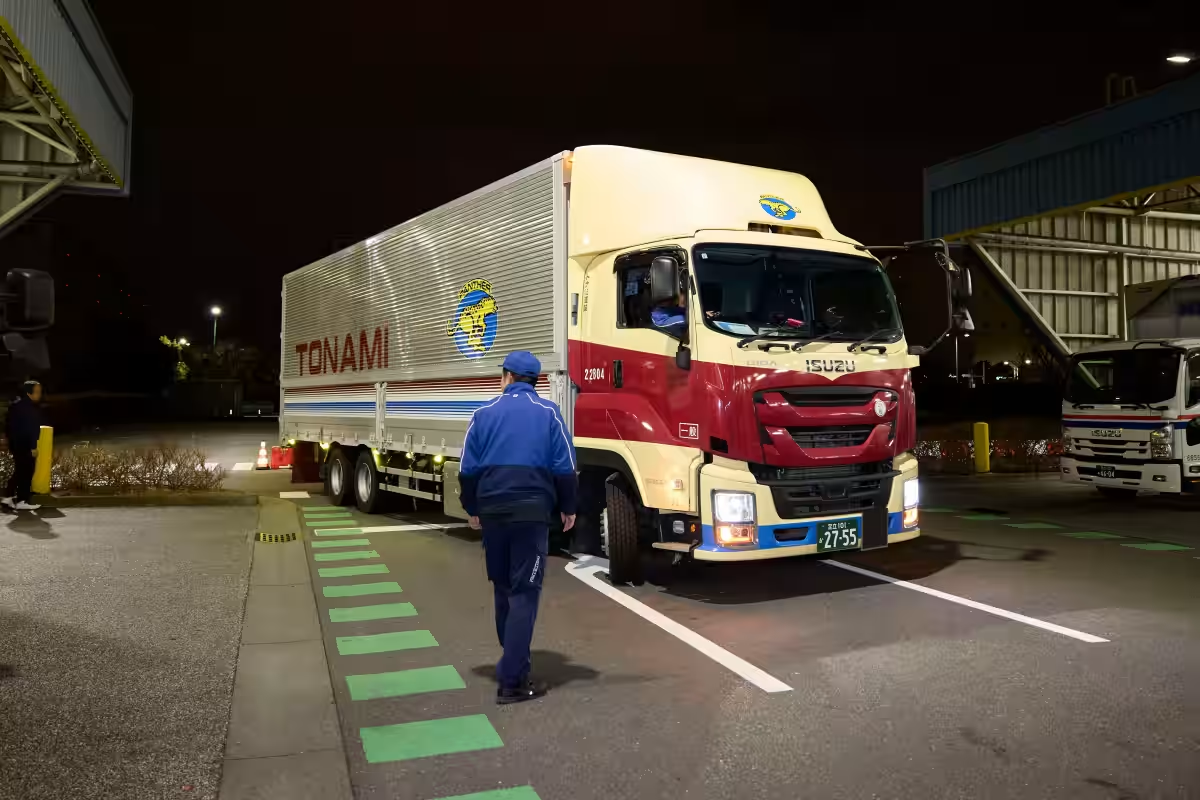
In a groundbreaking move, the logistics consortium baton has taken significant steps towards revolutionizing long-distance transport within Japan. From January 30 to 31, and February 6 to 7 in 2026, the consortium conducted trials focused on a driver exchange method across four key logistics companies: Seino Transportation, Fukuyama Transporting, Meitetsu NX Transport, and Tonami Transportation. This innovative approach aims to facilitate inter-company relay transportation, effectively shortening long-haul operations into day trips.
Objectives of the Trial
The logistics industry in Japan is facing pressing challenges, particularly in addressing driver working hour regulations and securing a sustainable workforce. The baton consortium has made collaborative efforts to bridge the gaps companies face individually. The objectives of this trial are as follows:
1. Improve Working Conditions: Transition from overnight long-distance trips to day trips, thus reducing the burden on drivers.
2. Maintain Transport Efficiency: Enable the completion of round-trip operations without altering transport lead times through driver exchanges.
3. Identify Implementation Challenges: Clarify operational hurdles, including discrepancies in procedures, labor management methods, and responsibility delineation during incidents.
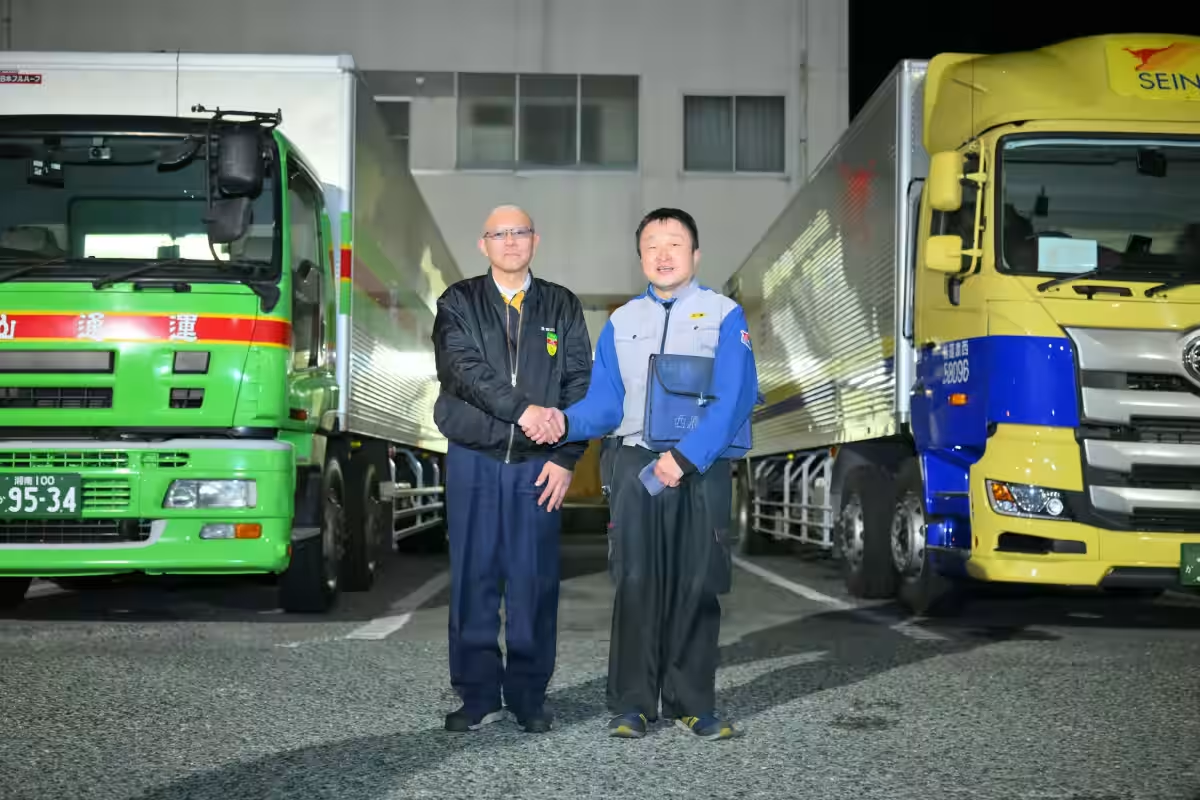
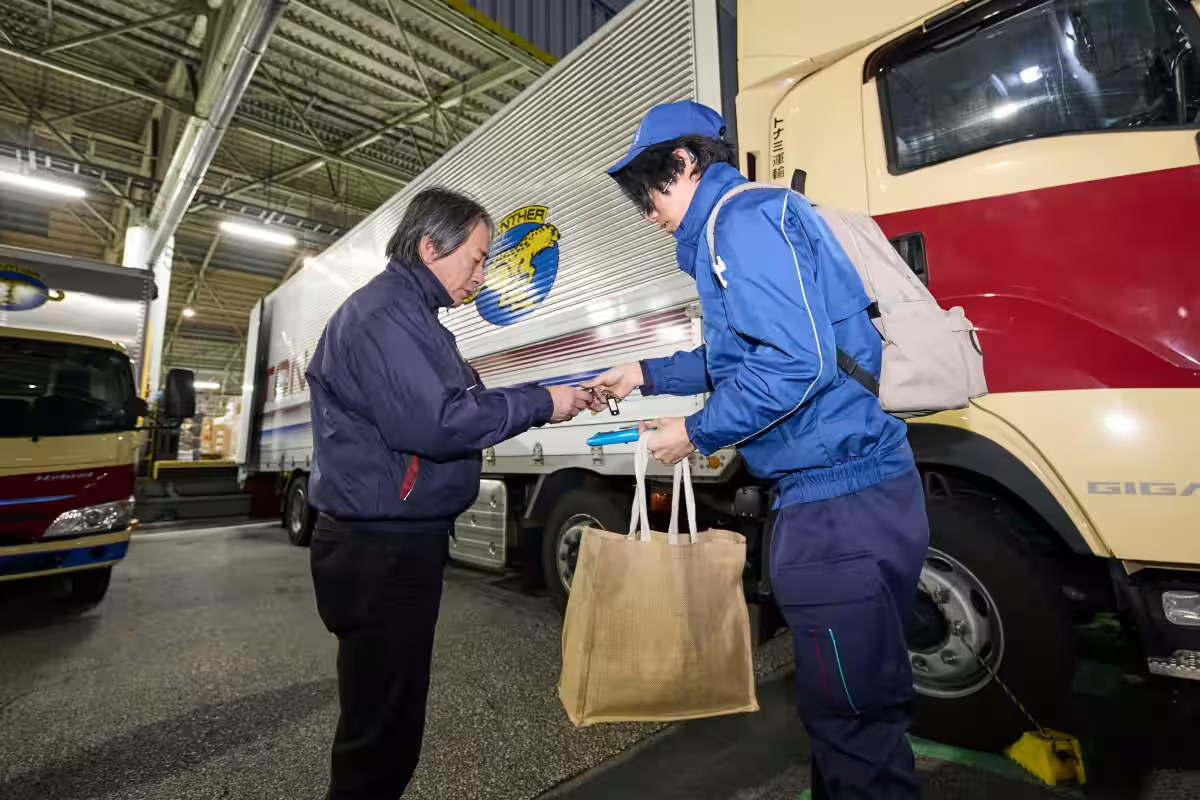
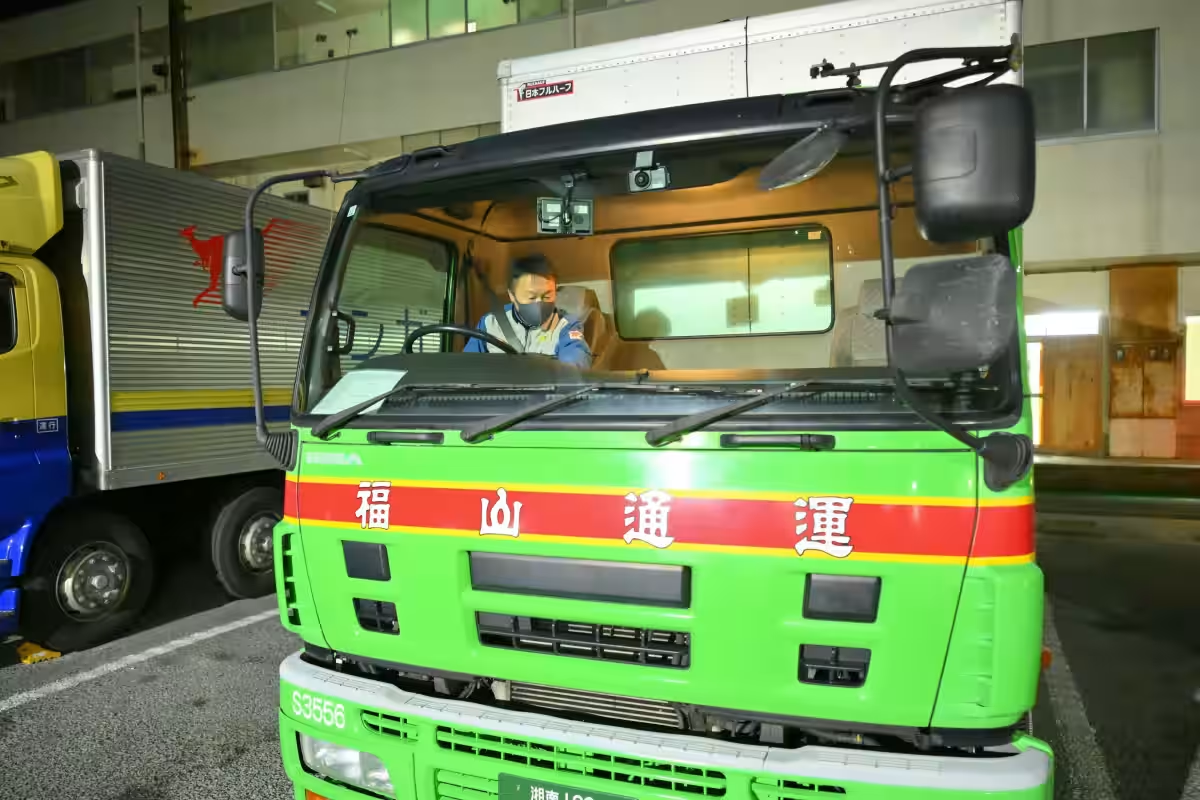
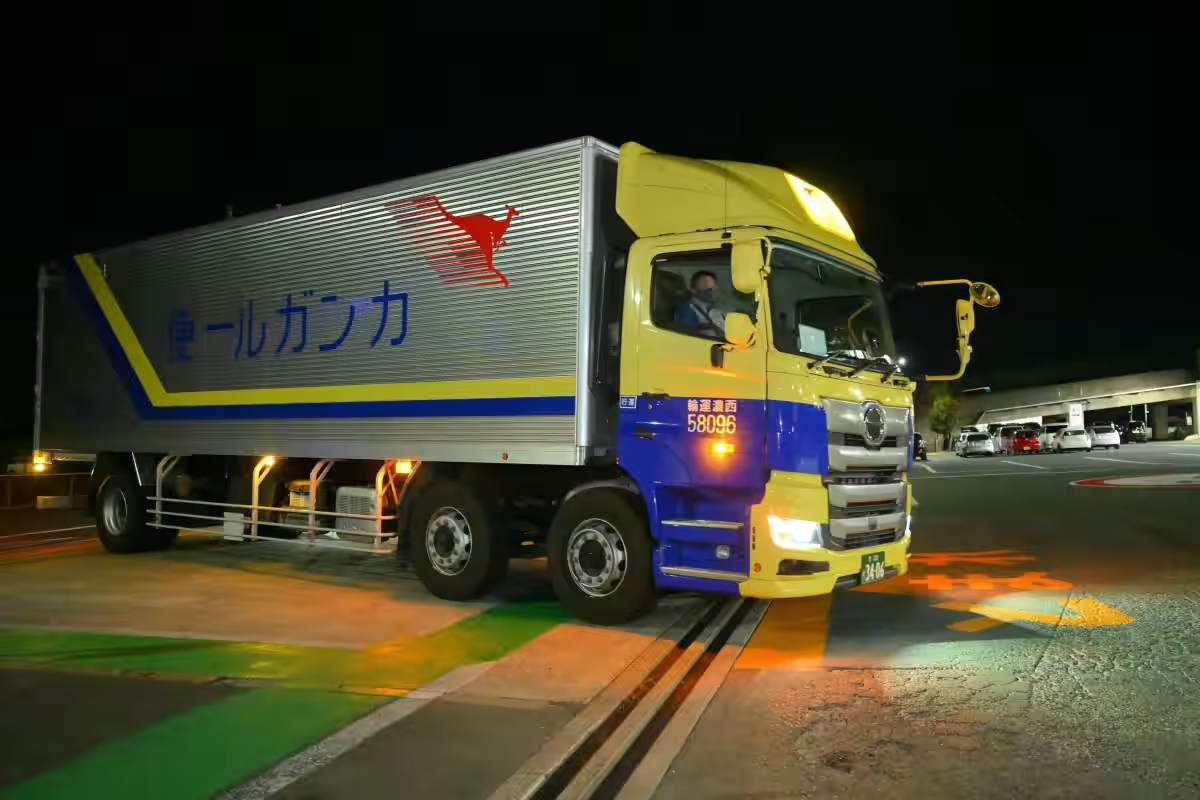
The transformative exchange approach allows drivers from competing companies to switch vehicles at relay points, returning to their original areas after exchanging trucks. This initiative could pave the way for a new working style that, traditionally, would seem impossible within the confines of long-standing practices.
Overview of the Trials
The pilot tests focus on relay transportation using the driver exchange method, applicable to Japan's dominant large truck sector engaged in inter-company long-haul transportation. The goal is to develop innovative working arrangements swiftly.
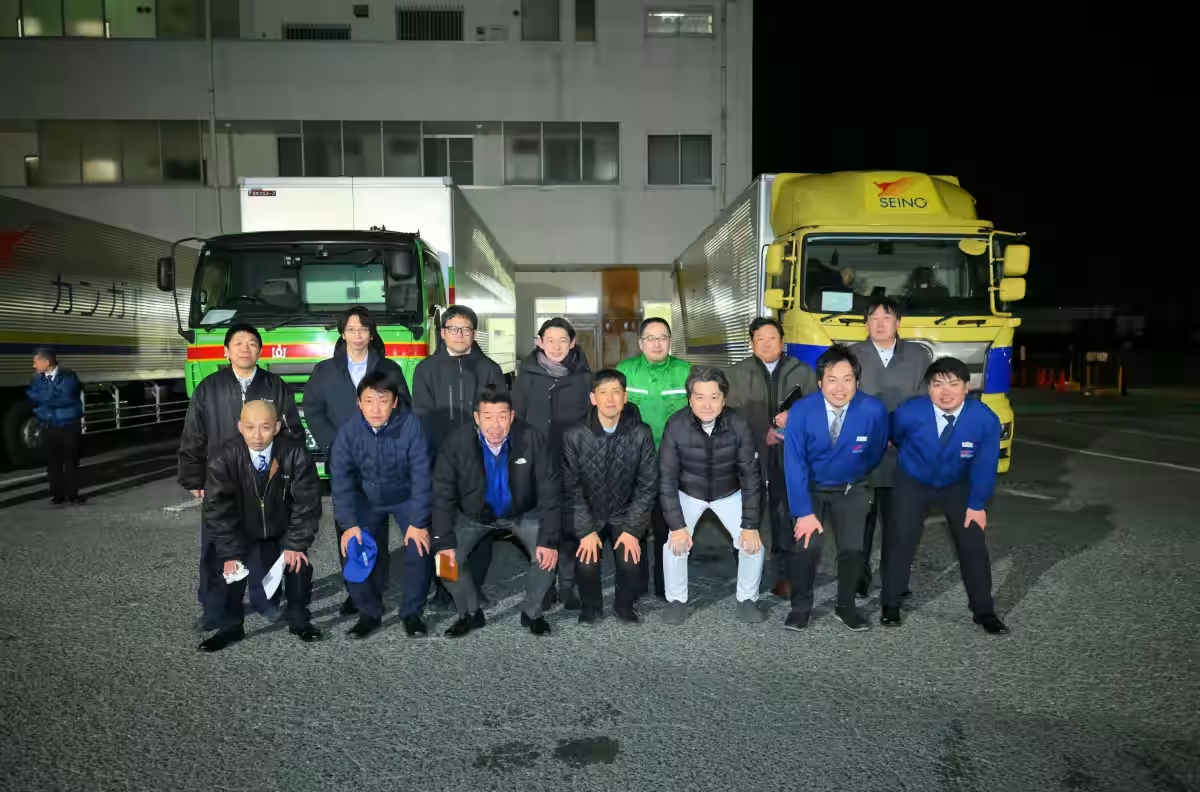
First Phase: Seino Transport and Fukuyama Transport
- - Dates: January 30 - 31, 2026
- - Relay Point: Seino Transportation Hamamatsu Branch (Hamamatsu, Shizuoka Prefecture)
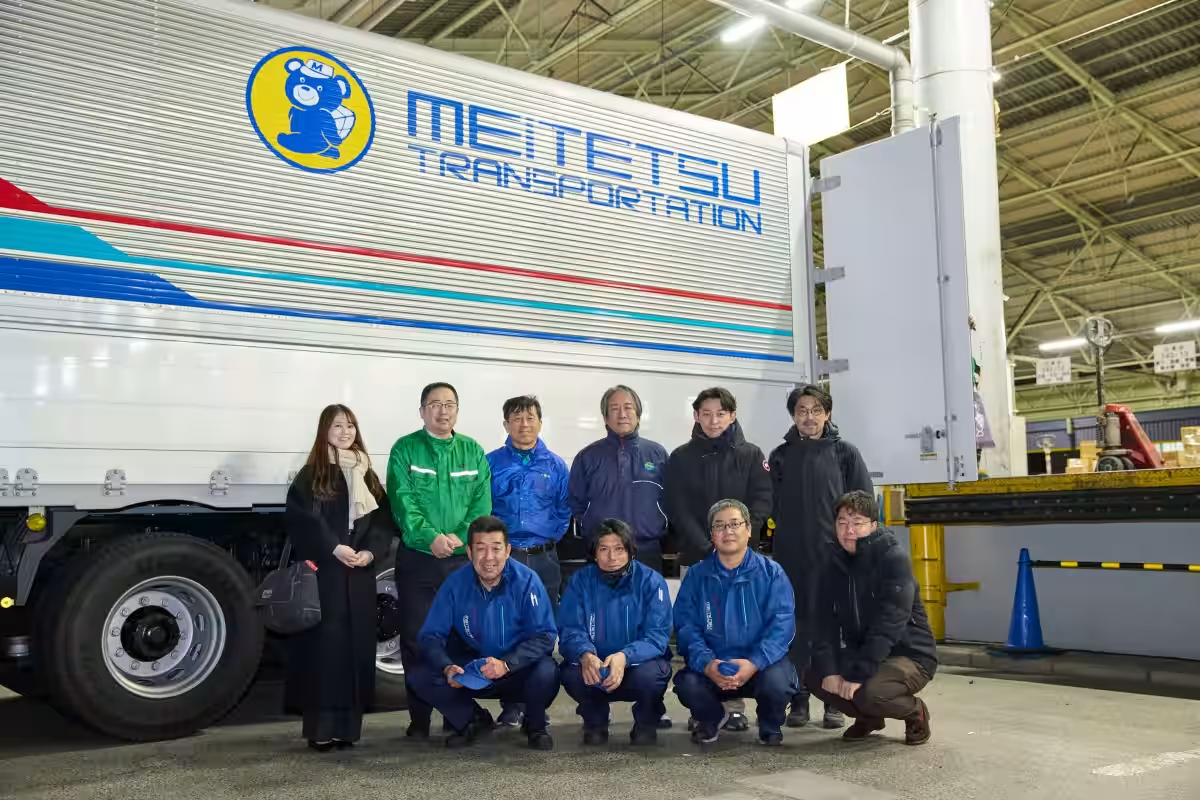
Second Phase: Meitetsu NX Transport and Tonami Transportation
- - Dates: February 6 - 7, 2026
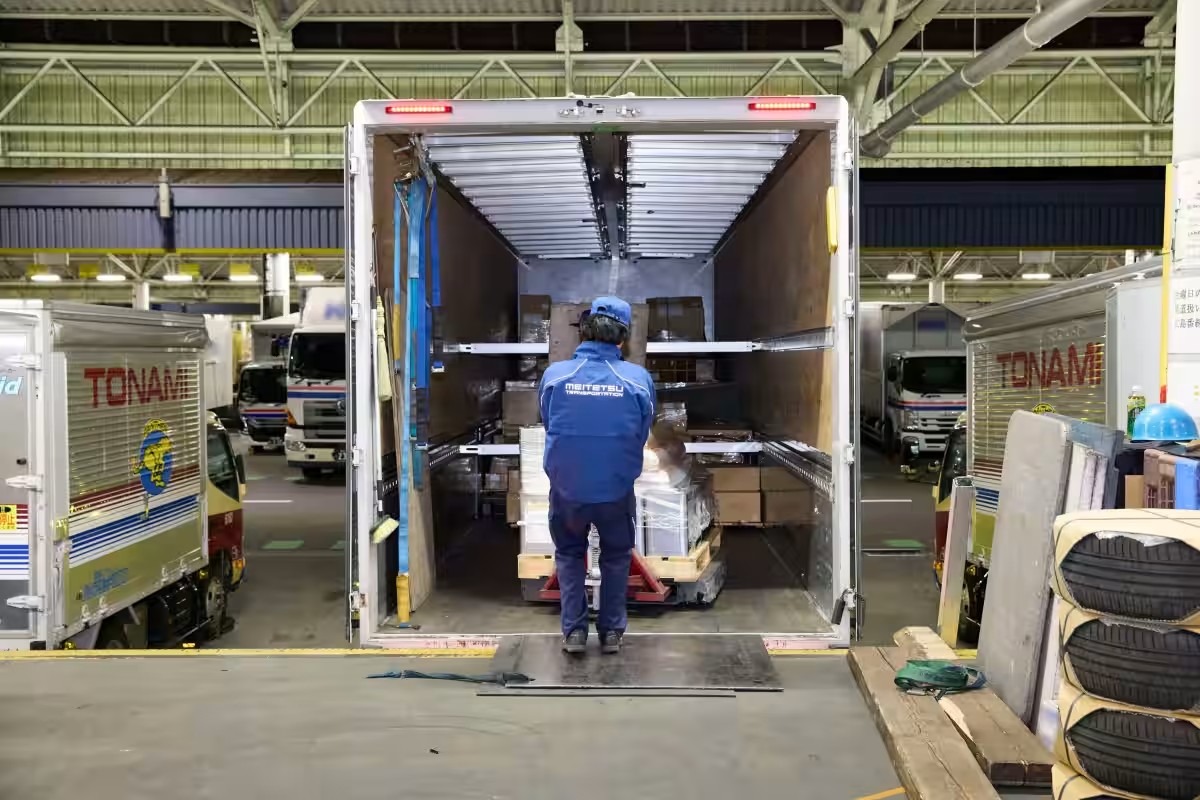
- - Relay Point: Meitetsu NX Transport Hamamatsu Hub Terminal (Hamamatsu, Shizuoka Prefecture)
Detailed Operation Schedule
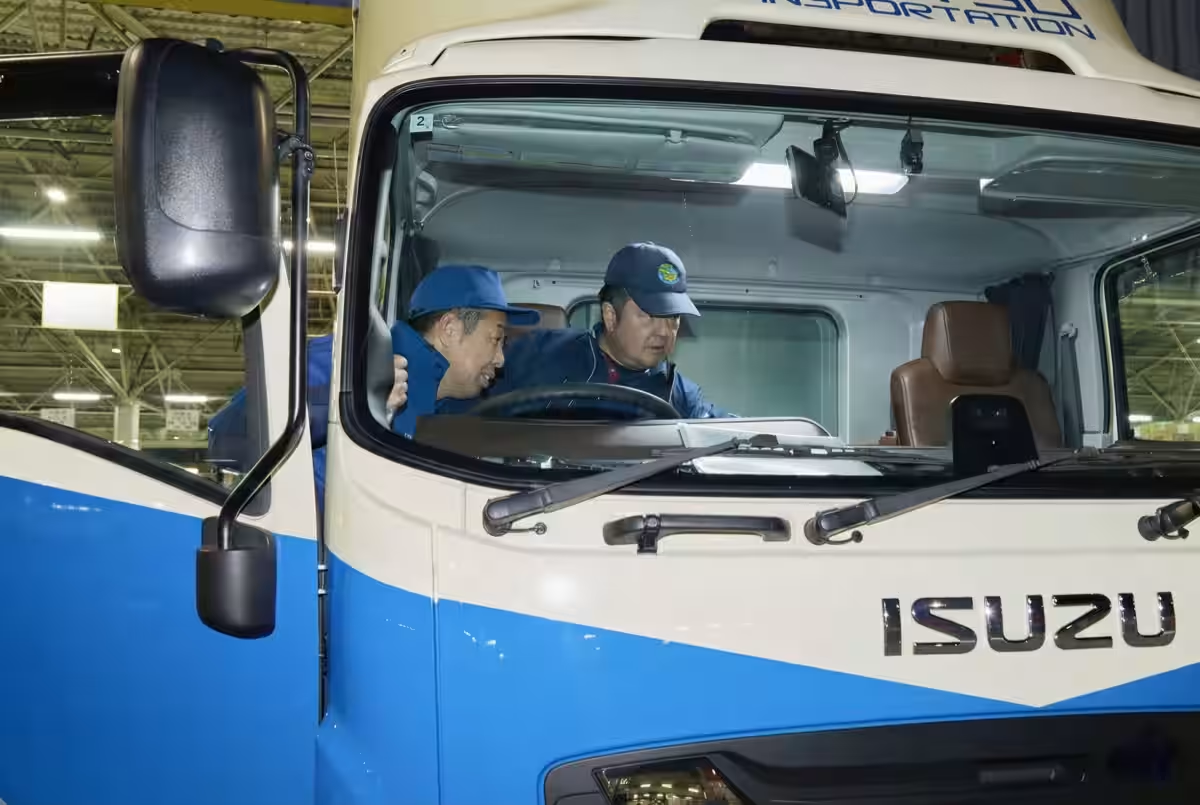
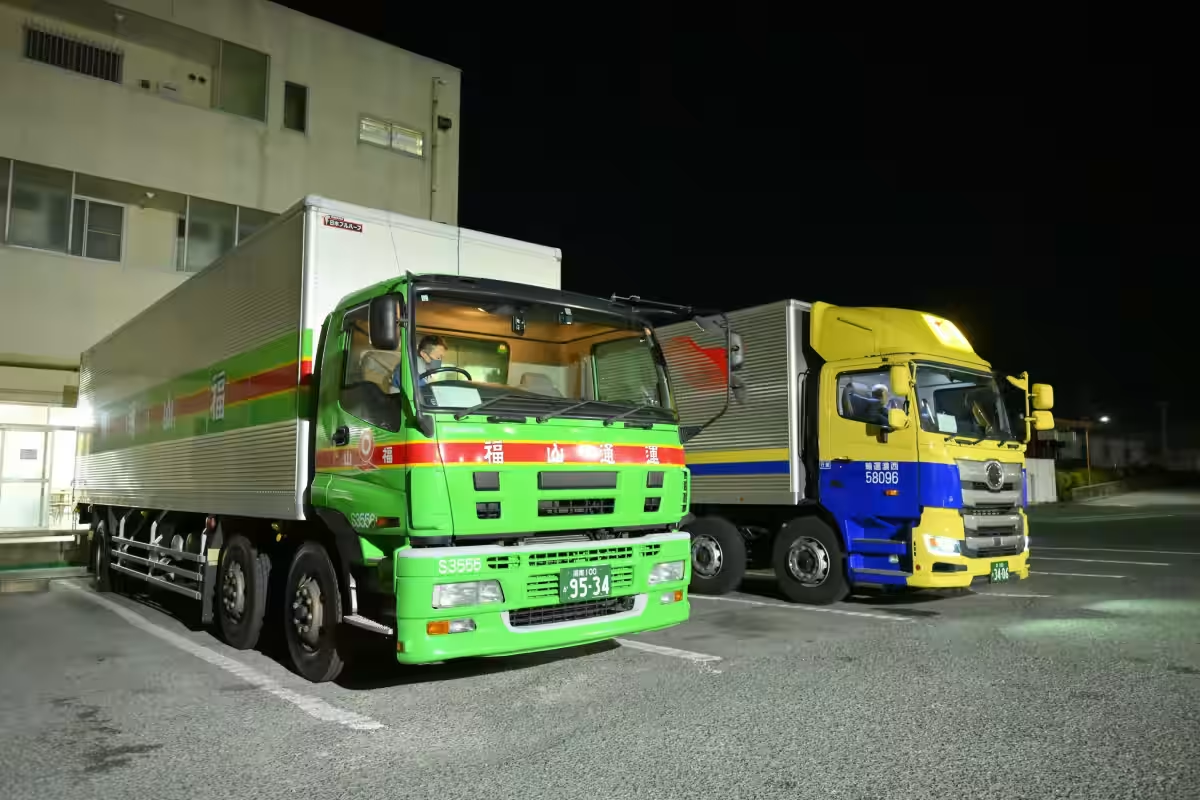
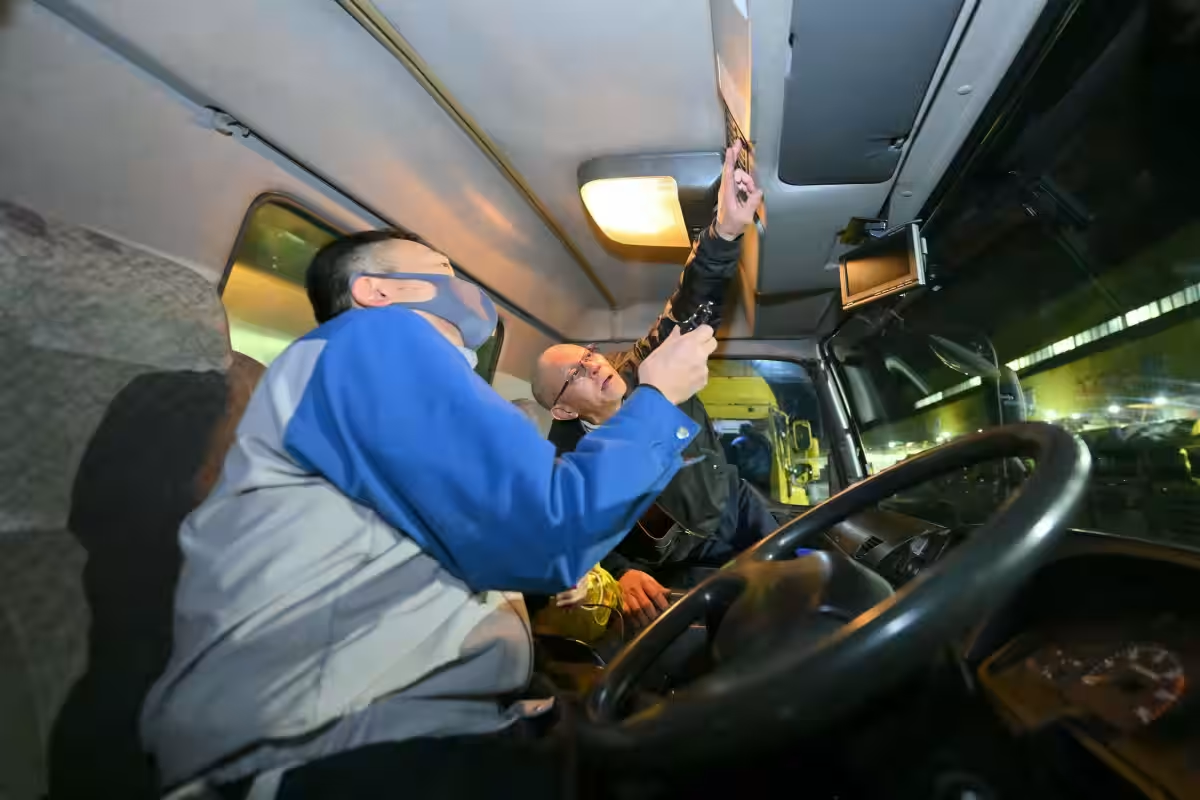
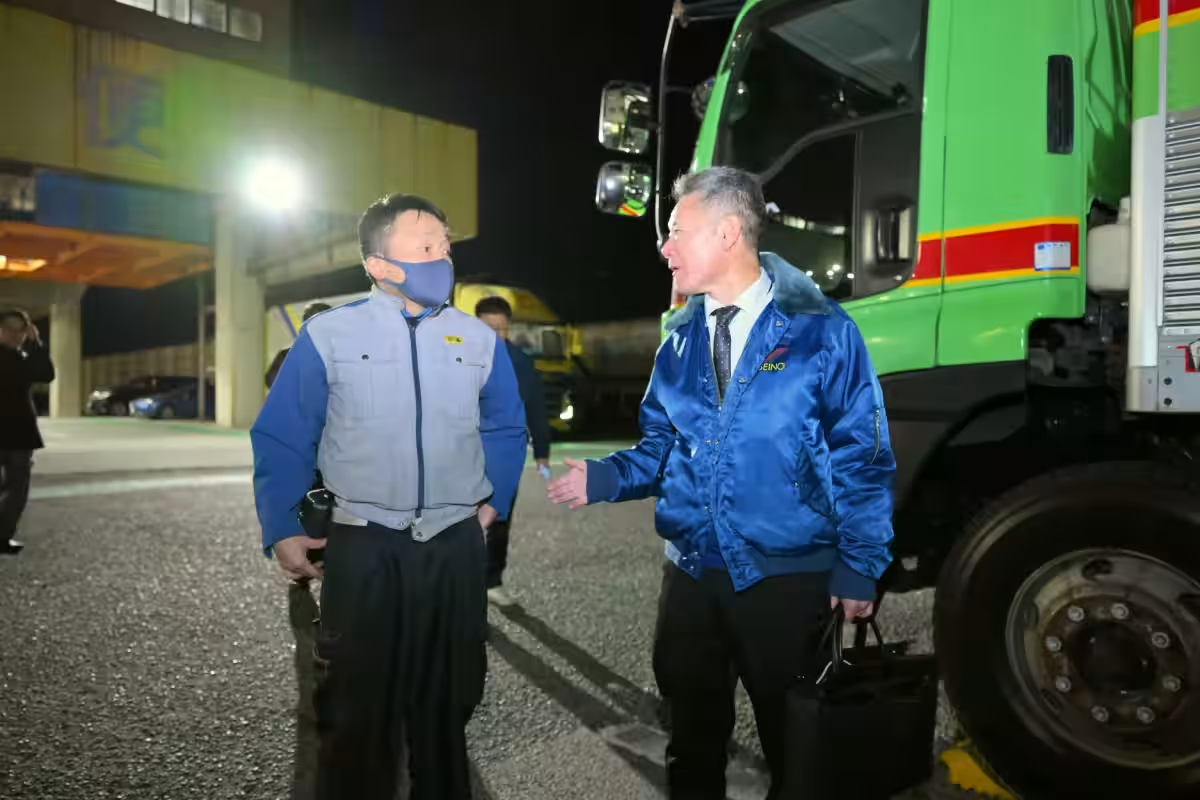
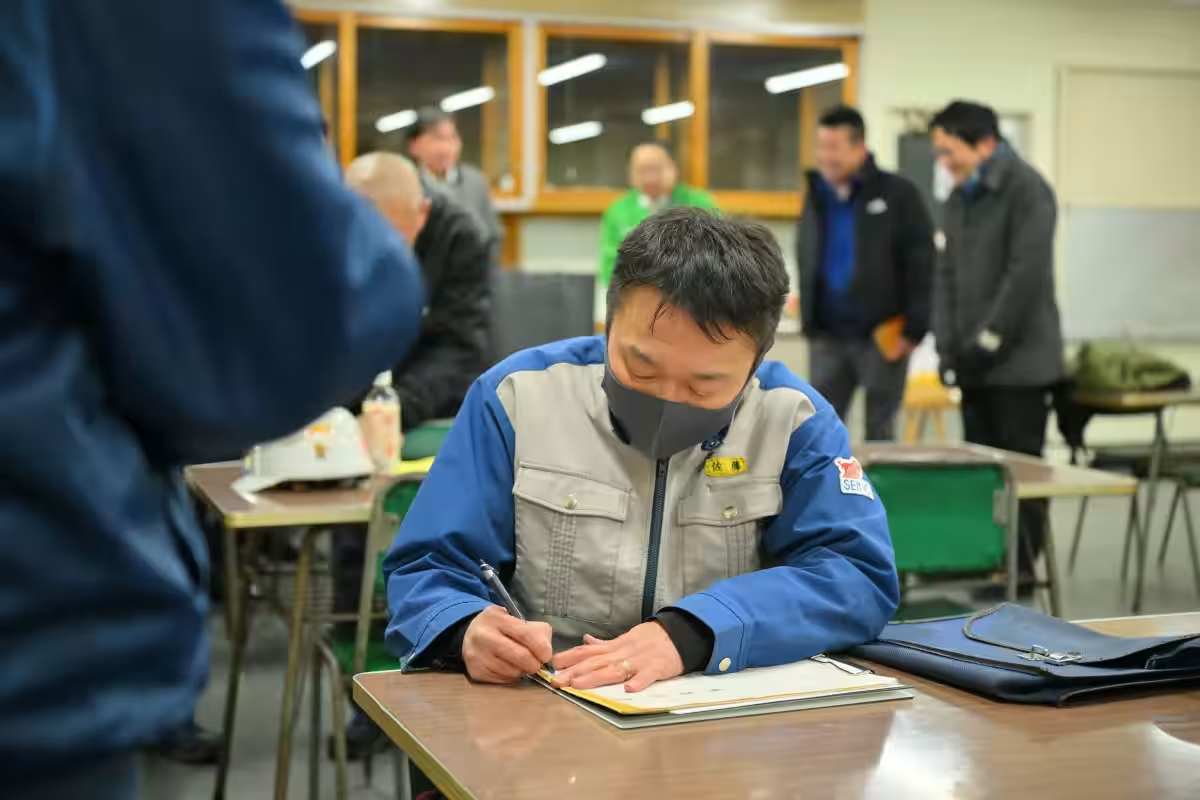
During the trials, trucks travelled approximately 500 km from Kanto and Kansai regions to the specially established relay point in Hamamatsu. Here, drivers exchanged vehicles and returned to their starting locations. Typically, companies have no method of tracking each other's trucks, but using a unified dynamic management platform allowed real-time monitoring and operation management for safe transportation.
First Phase Execution (January 30-31)
- - 19:00 - 20:00: Preparation for Departure
- - 20:00: Dispatch of trucks from respective locations began, sharing real-time positional data through the management platform.
- - 20:00 - 24:00: Outbound Operations
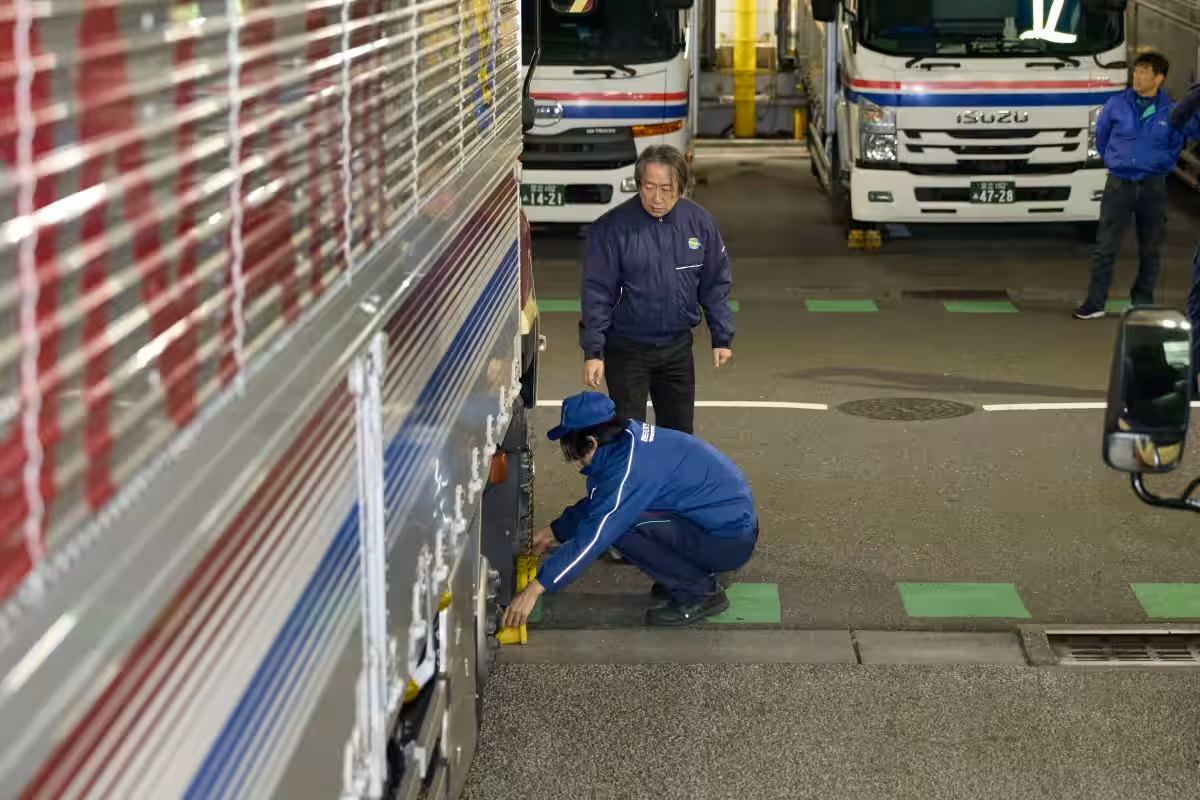
- - 24:00 - 25:00: Driver Exchange at Relay Point
- - 25:00 - 05:00: Return Journey
Second Phase Execution (February 6-7)
- - The process mirrored the first phase with minor adjustments aimed at optimizing the exchange workflow.
Innovations in the Pilot Trial
To ensure efficient inter-company collaboration, the trial implemented the following strategies:
- - Standardized Dynamic Management: Utilized the common platform “Traevo” to enable real-time tracking of vehicle positions across all participating companies, particularly essential during driver exchanges.
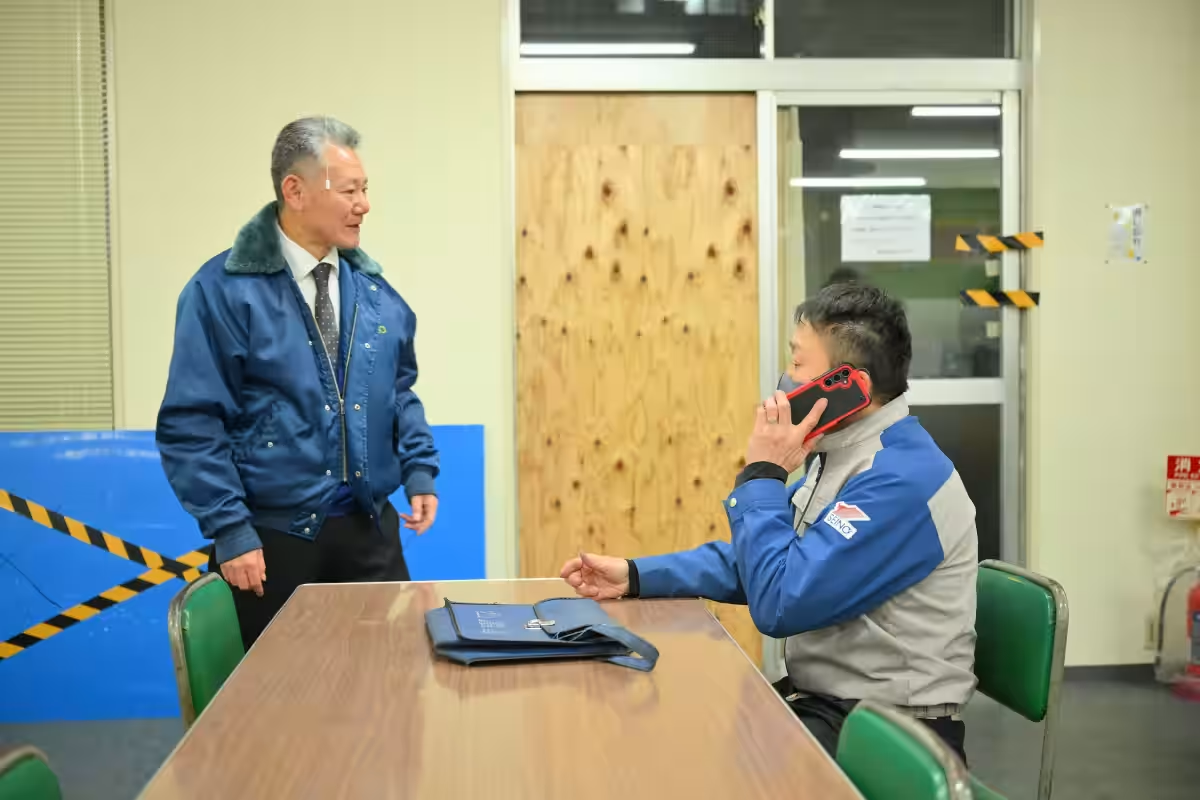
- - Emergency Protocols: Developed protocols for incidents such as accidents or vehicle failures, ensuring clear communication during unforeseen events.
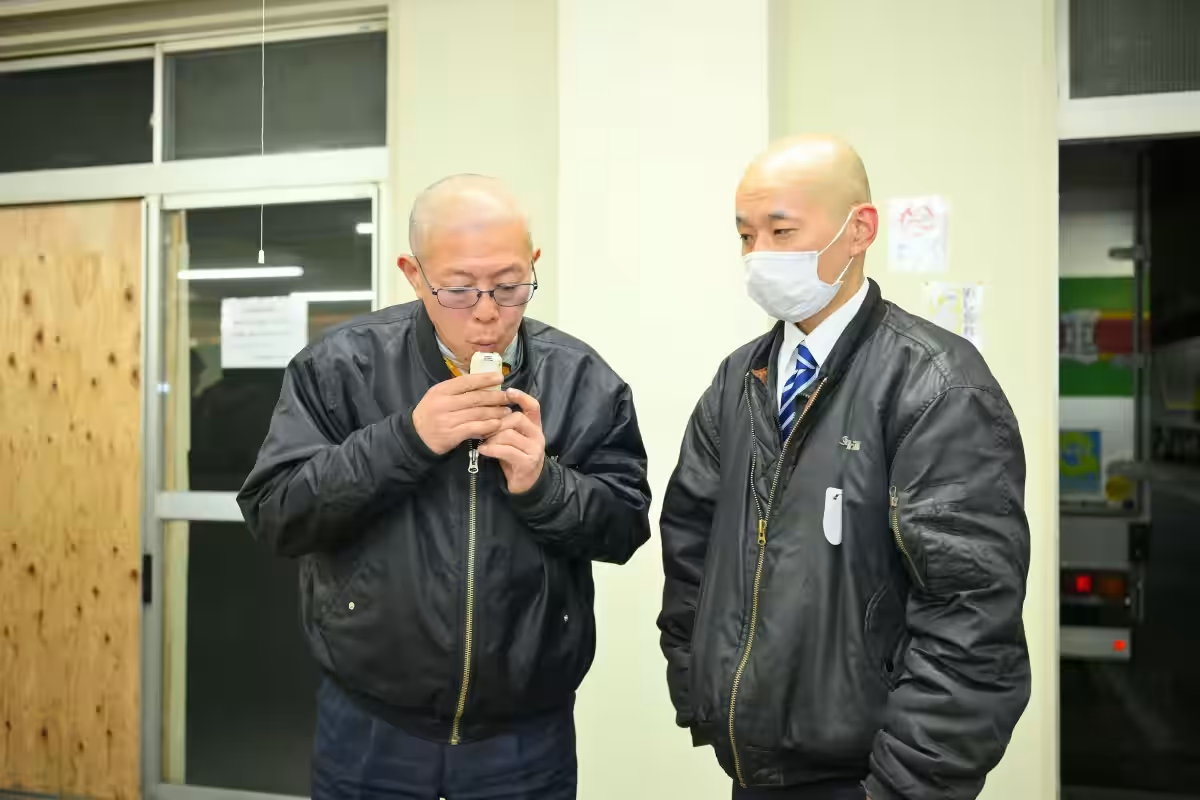
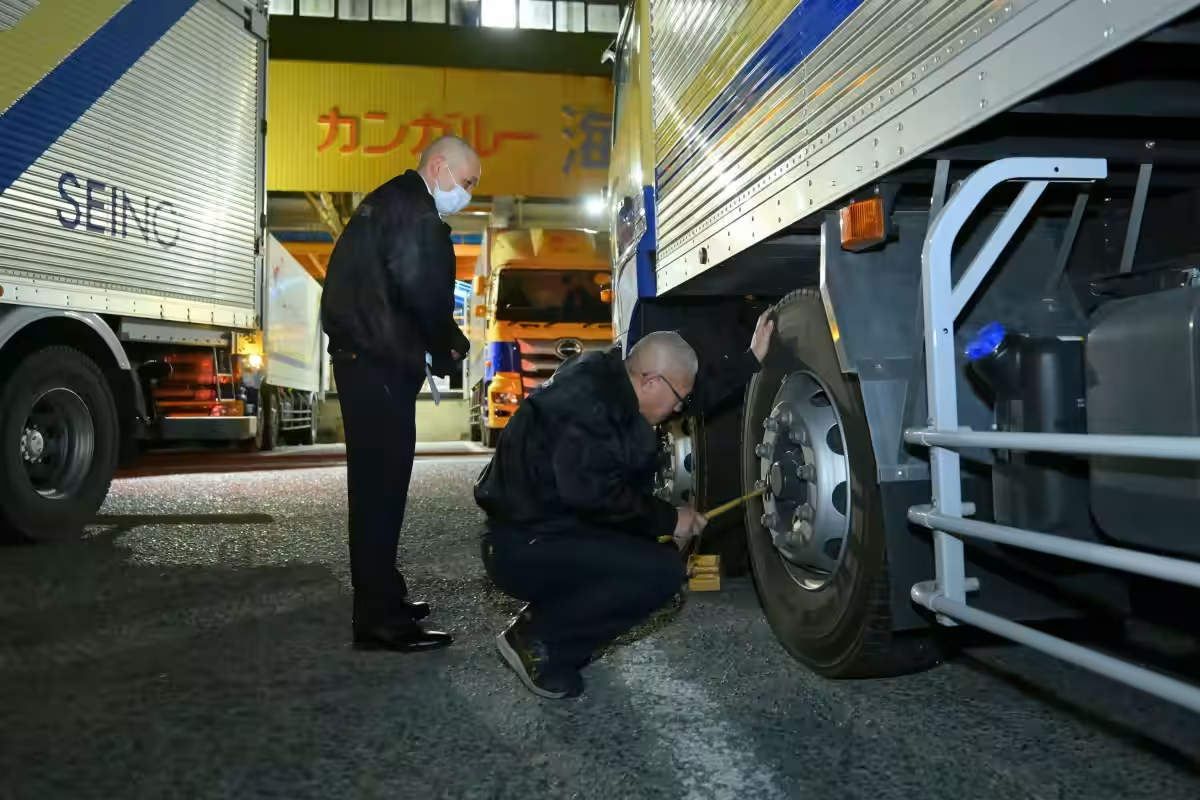
- - Unified Inspection Criteria: Standardized vehicle inspection criteria to simplify the inspection process and ensure all companies adhered to the same quality checks.
Outcomes and Future Challenges
After completing the trials, several results and future challenges emerged:
1. Establishment of Day Trip Operations: The new relay transport scheme successfully shortened drivers’ working cycles, confirming the feasibility of day trips.
2. Operational Feasibility: Even with different companies involved, unified rules and effective system use facilitated safe vehicle exchanges and operational management.
Key Challenges Ahead
The feedback collected highlighted five critical areas requiring attention to standardize inter-company relay transportation:
1. Redesigning Roles for Loading and Delivery: Ensuring that diverse companies share compatible loading procedures is crucial for smooth operations.
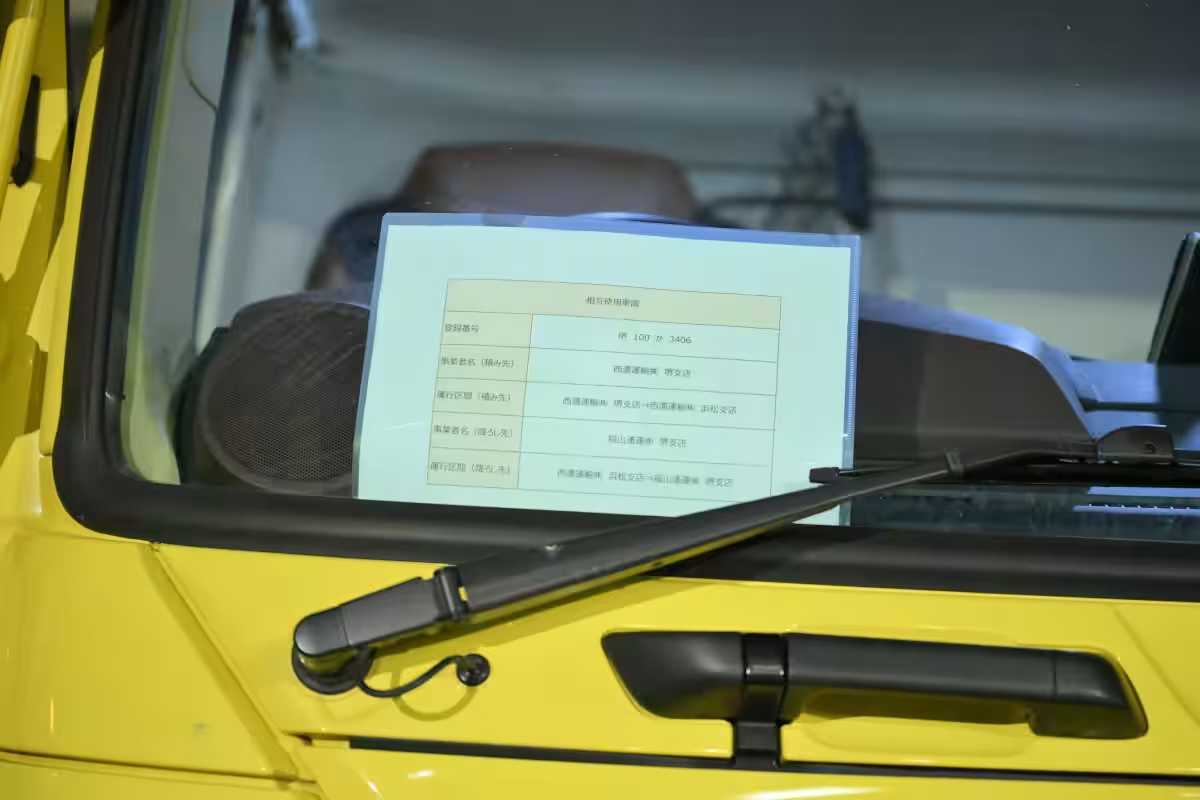
2. Defining Relay Vehicle Specifications: Standardizing vehicle attributes is necessary for safe operation, minimizing discrepancies and challenges during driver exchanges.
3. Optimizing Relay Site Operations: The physical conditions of relay points can significantly impact operational feasibility and safety.
4. Enhancing Cargo and Operational Information Sharing: Streamlining information sharing is essential for improving efficiency and ensuring safety.
5. Clarifying Responsibility and Risk Management: Establishing clear guidelines on capabilities and responsibilities will enhance safety and operational efficiency during exchanges.
Future Prospects
The baton consortium is determined to build upon these trials by developing guidelines geared toward implementing relay transportation within the logistics sector. This includes vehicle standardization and creating new driver evaluation models, ultimately contributing to long-term sustainability within the industry.
Topics Consumer Products & Retail)


【About Using Articles】
You can freely use the title and article content by linking to the page where the article is posted.
※ Images cannot be used.
【About Links】
Links are free to use.