



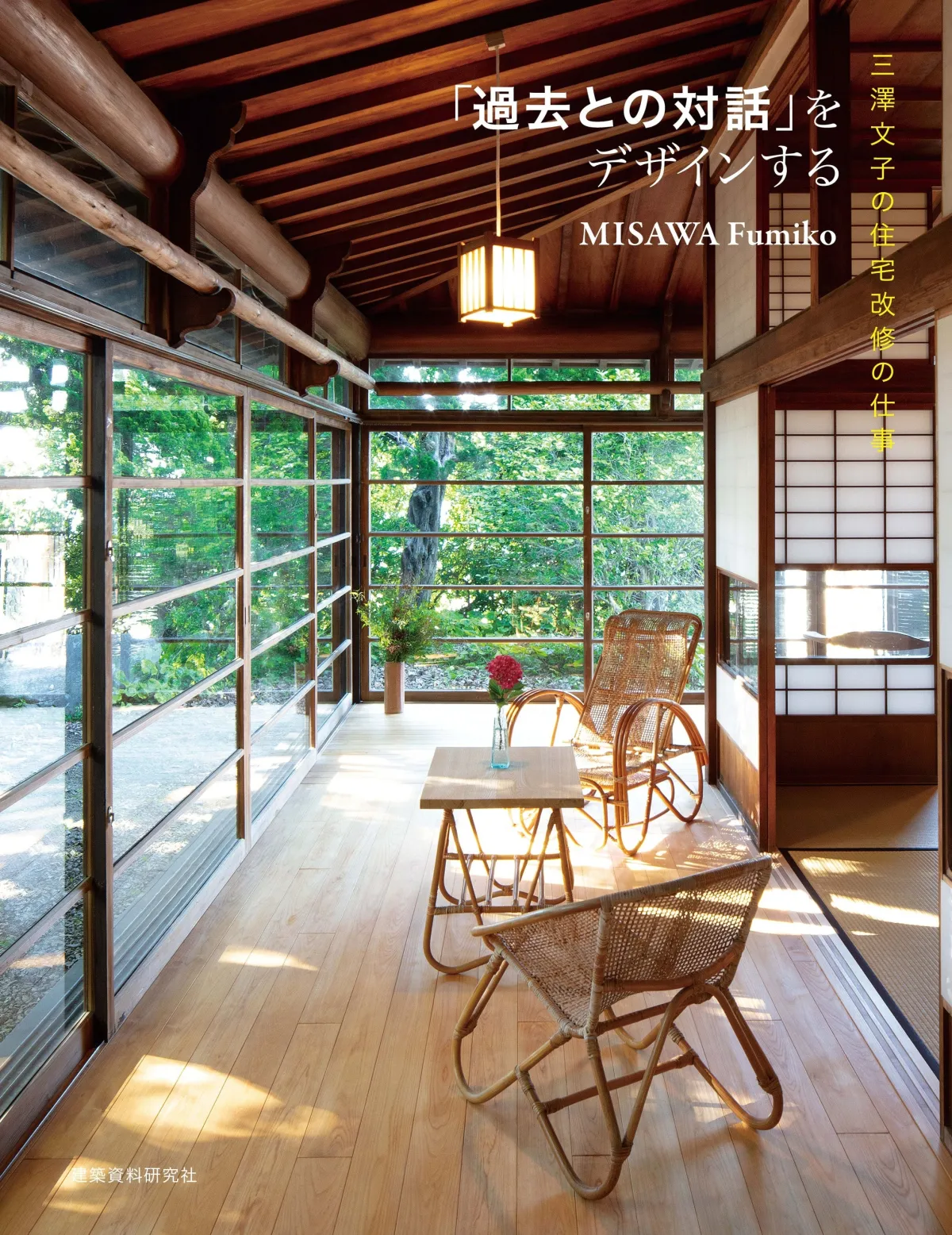
The Comprehensive Guide to Residential Renovation by Fumiko Misawa
Fumiko Misawa’s Insightful Work on Residential Renovation
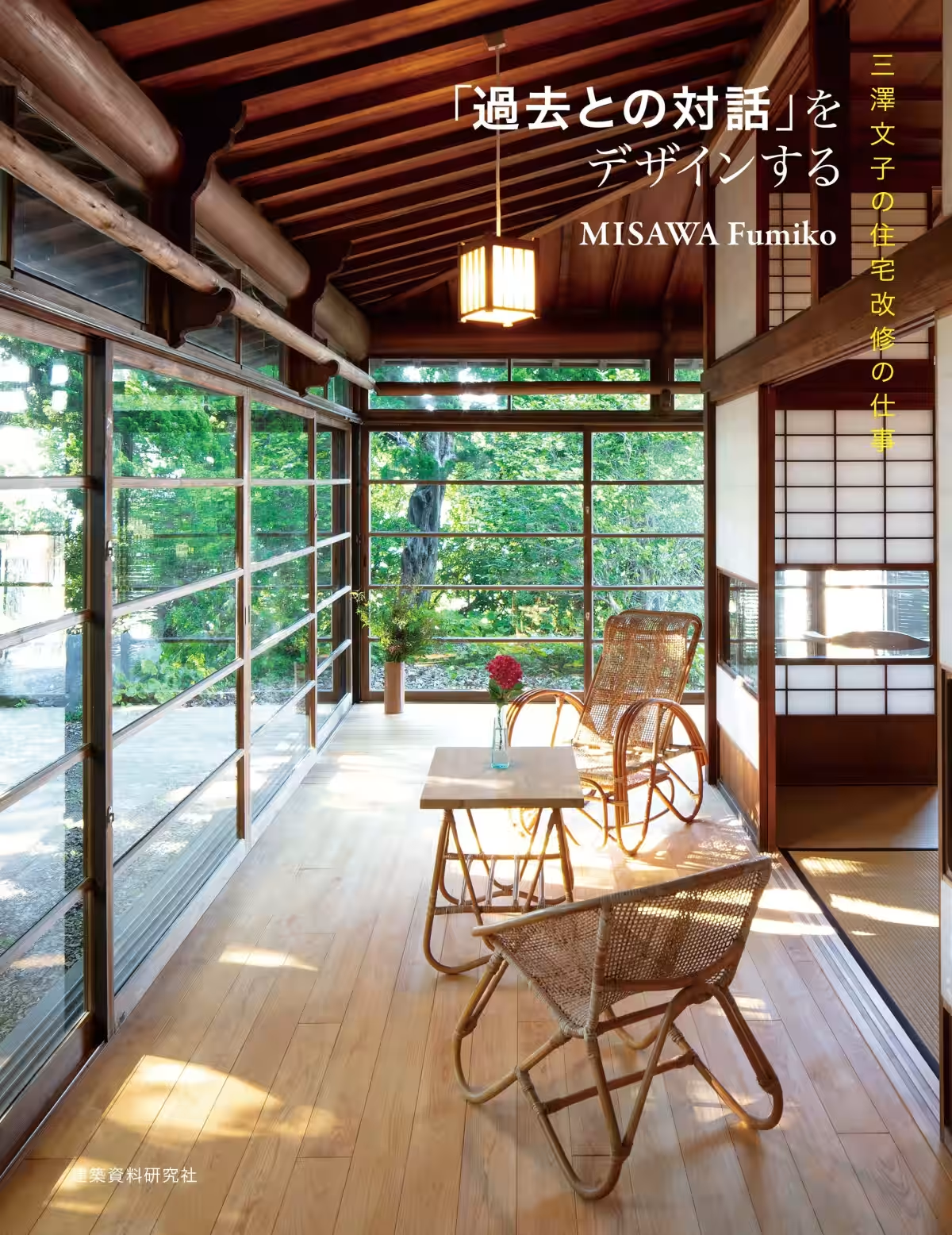
On November 26, 2025, the prominent architect Fumiko Misawa is set to release her new book titled "Designing a Dialogue with the Past: The Work of Fumiko Misawa on Residential Renovation." Published by the Architectural Materials Research Institute (located in Toshima, Tokyo), this book encapsulates her extensive expertise in the field of residential renovation, emphasizing meaningful interactions with the architecture of the past to inform the present and future of housing.
Fumiko Misawa has been acknowledged as one of the leading figures in wooden residential design, having dedicated her career to innovative activities such as the MOK School and the Housing Doctor Association. Through these platforms, she has tackled the essence of residential renovation: establishing a connection with past memories and extending the life of homes. Her approach is guided by six essential principles:
1. Extending the lifespan of residential buildings
2. Cost-effective solutions
3. Earthquake resistance improvements
4. Enhancements to thermal comfort
5. Reducing domestic burdens through intelligent design
6. Creating memorable spaces
With over 100 successful projects, this book serves as a comprehensive testament to her work, showcasing significant case studies accompanied by detailed explanations and critiques of residential renovation practices.
Book Content Overview
The book is divided into several key sections:
1. Examples of Residential Renovation
Among the notable projects highlighted are:
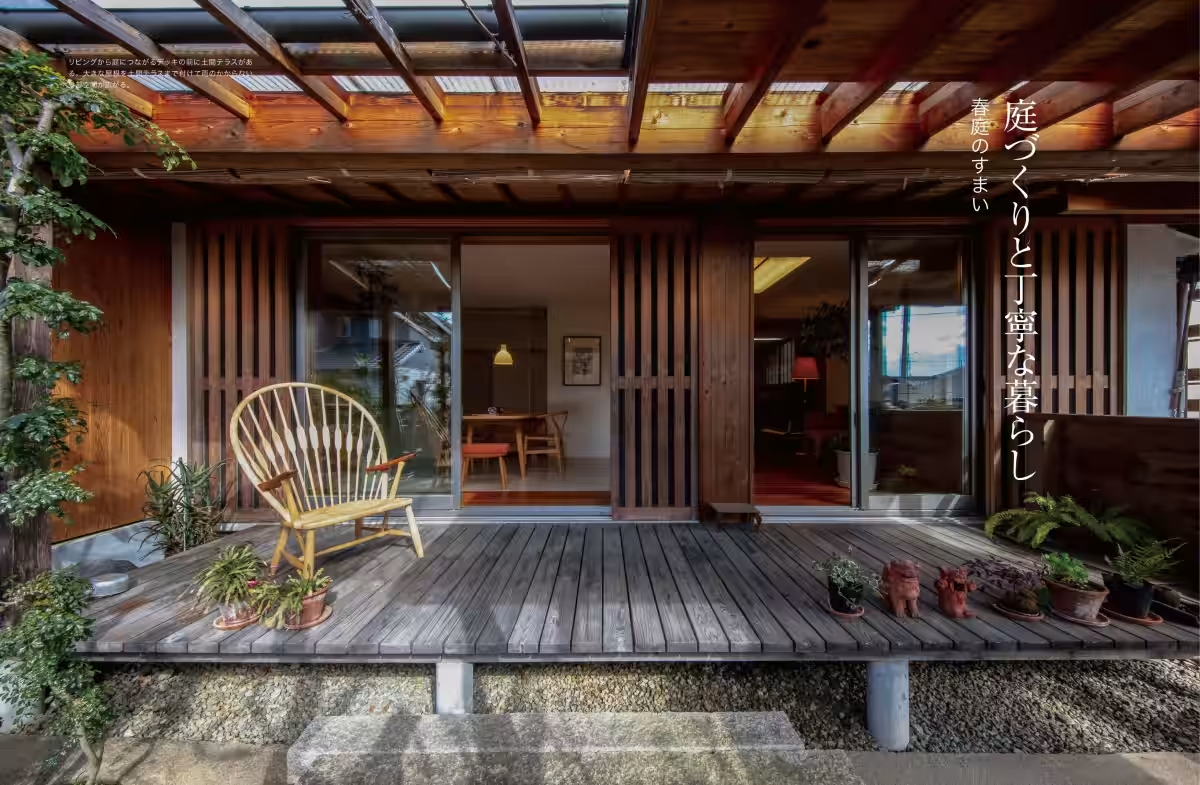
- - Gardening and Thoughtful Living - Featuring the Spring Garden Residence.
- - A Gathering Space that Lives On - Showcasing the Kouka House.
- - Revitalizing a Craftsperson’s Home - Exploring the Fukumachiya in Gifu.
- - A Single-story House for a Senior Couple - The Shionan Residence.
- - A Seaside Retreat Encircled by a Veranda - The Jitaku-so Residence.
- - Preserving a Structure from 250 Years Ago - The Kitakyu house.
- - Adapting an Existing Townhouse for Two Families - The Okitsu residence.
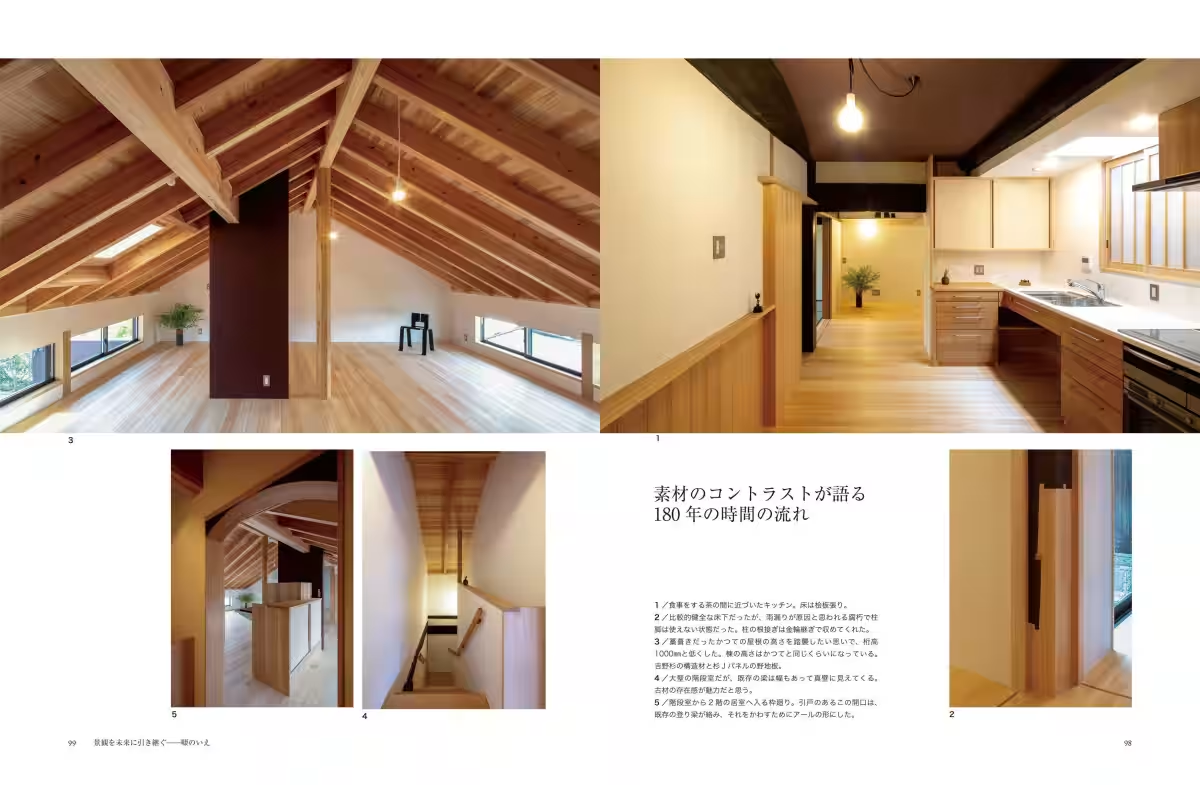
- - Transmitting Scenic Beauty to the Future - The Nawa Residence.
- - Welcoming Breezes with an Entryway and Engawa - The Chukyo’s Kaze-no-Sha.
- - Thermal Improvements and Life Restructuring - The Heguri Residence.
2. Approaches to Residential Renovation
In this section, Misawa delves deeper into her philosophy and methodologies, including:
- - The importance of extending a home's lifespan through thoughtful design.
- - Initiatives spearheaded by housing doctors to tackle renovation challenges.
- - Recommendations for energy-efficient renovations.
- - Using local timber for home modifications.
- - Learning from past builders to envision a sustainable future.
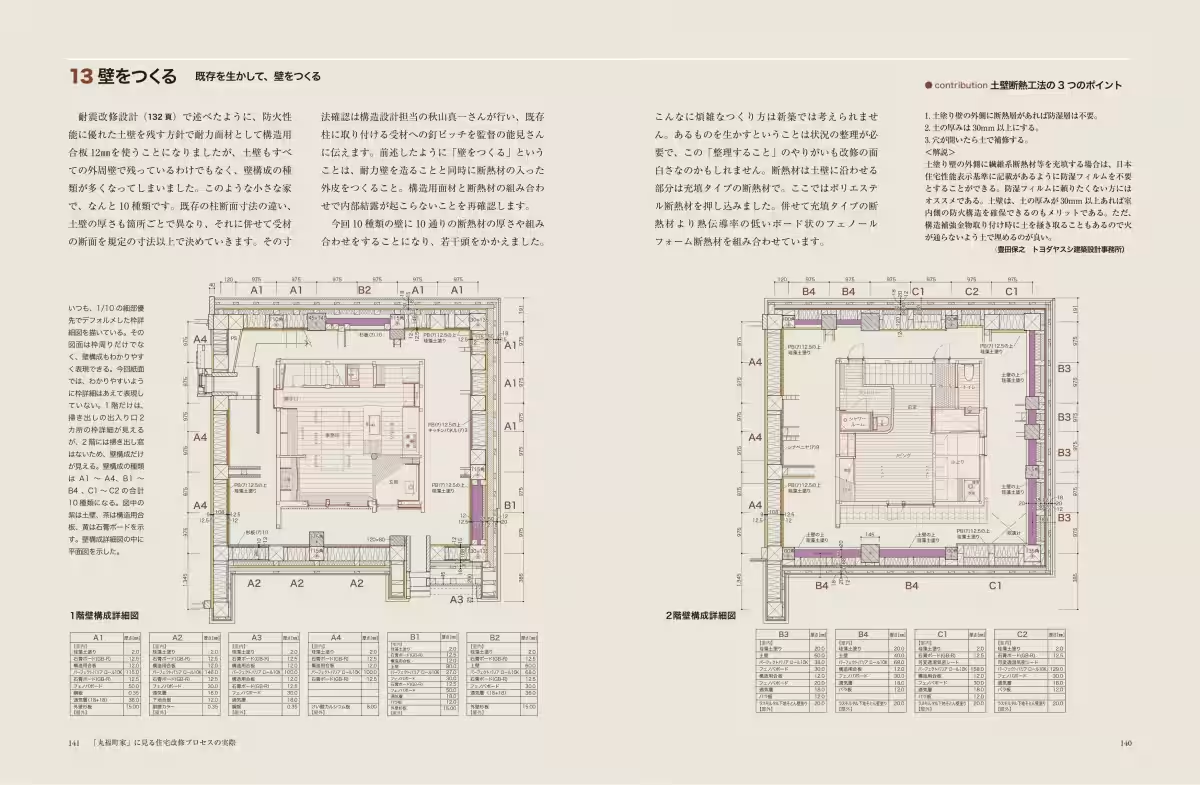
3. Practical Insights from the Marufuku Townhouse Renovation
This part of the book is dedicated to the pragmatic aspects of executing a renovation, including:
- - Steps involved in initiating renovation projects (preliminary and detailed inspections).
- - Performance diagnostics and reporting for existing buildings.
- - Designing renovation performance proposals and first plan presentations.
- - Finalizing renovation plans that encompass seismic and thermal considerations.
- - Overseeing construction phases, from structural reinforcements to wall constructions and roofing repairs.
Author Profile
Fumiko Misawa (born 1956 in Shizuoka Prefecture) is a highly regarded architect and the CEO of M’s Architectural Design Office. She has held prestigious roles, including honorary visiting professor at the Gifu Prefectural Academy of Forestry Culture and represents the Housing Doctor Association. After completing her studies and gaining experience in various architectural firms, she co-founded her own office in 1985, focusing on creating designs that resonate with the essence of wood.
Her book is not just a compendium of technical knowledge; it reflects her deep consideration of past architectural practices blended with modern techniques, making it an invaluable resource for architects, designers, and homeowners alike. As her insights continue to shape the future of residential renovation, this book stands as a significant milestone in promoting sustainable and thoughtful design.
For more information about the book: Designing a Dialogue with the Past
About the Publisher
The Architectural Materials Research Institute, established in 1969, is noted for its dedication to publishing specialized books on architecture and related fields. Located in Toshima, Tokyo, it is directed by CEO Eiichi Baba, who aims to bridge the knowledge gap in architectural certifications and education.
Topics Consumer Products & Retail)
【About Using Articles】
You can freely use the title and article content by linking to the page where the article is posted.
※ Images cannot be used.
【About Links】
Links are free to use.