



Understanding the Self-Care Market for Seniors: Insights from Shoulder Pain Research
Senior Survey on Shoulder Pain and Self-Care
In a recent report released by CosmoLab, a marketing platform focusing on seniors under Cosmo Health Inc., a comprehensive survey shed light on the experiences of those aged 50 and above concerning shoulder pain. This study comprised responses from 886 participants and aimed to identify when they began to experience shoulder stiffness, their current actions for improvement, and what they prioritize in products or services related to shoulder care.
A Persistent Yet Overlooked Concern
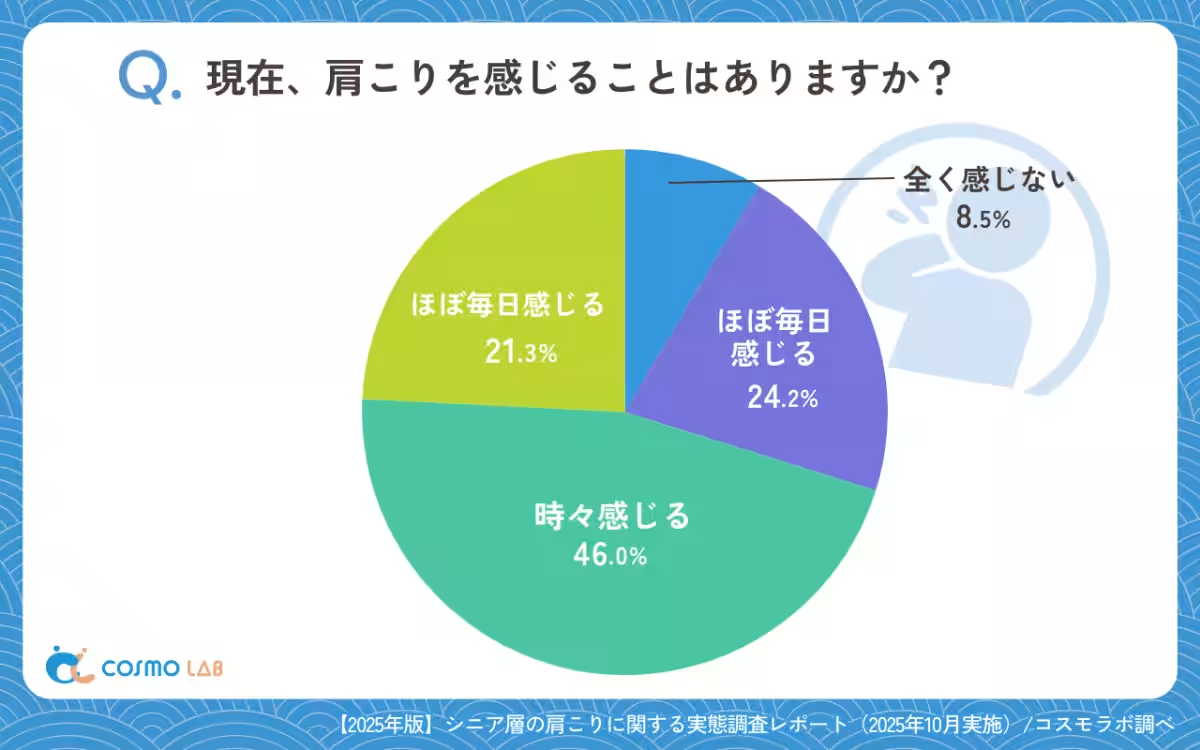
According to the survey, more than 70% of participants reported feeling shoulder pain either 'occasionally' (46.0%) or 'almost daily' (24.2%). Although the pain isn't always severe, its chronic nature can lead to a normalization of discomfort, often resulting in delayed responses toward seeking treatment. This research highlights a tendency among seniors to downplay their symptoms, which can hinder timely medical interventions.
Self-Care Over Medical Attention
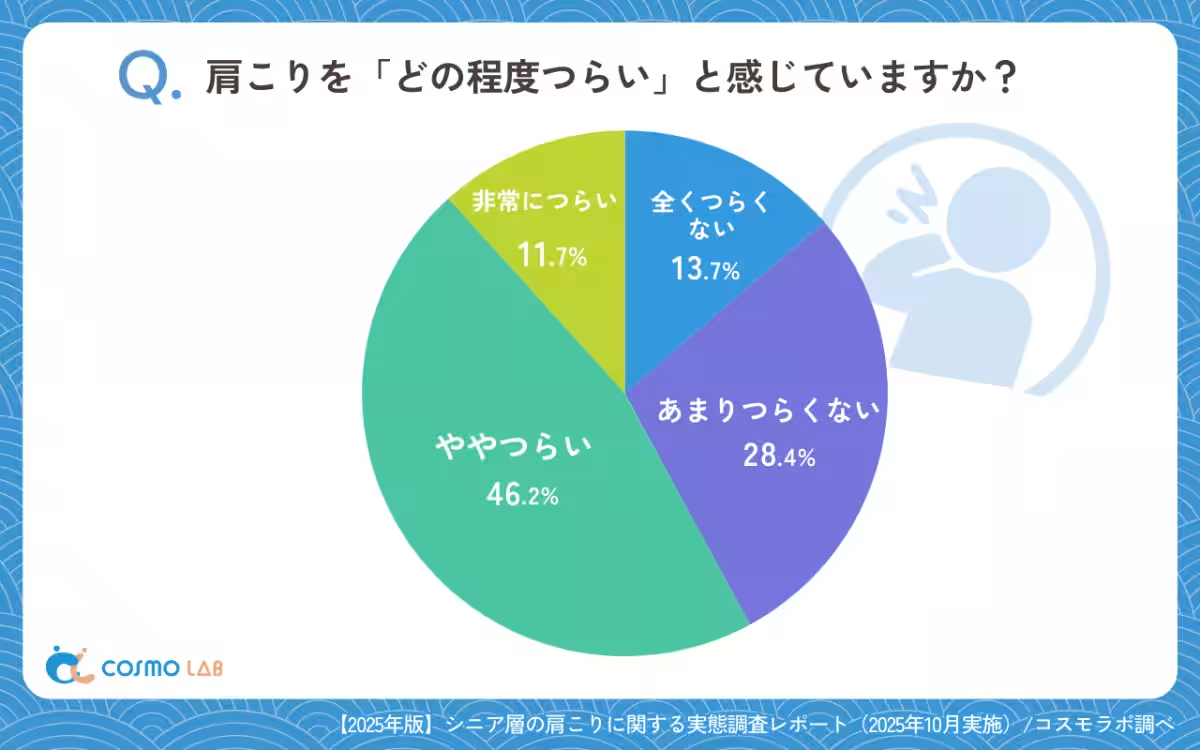
When asked about the severity of their pain, a majority of respondents reported it as 'somewhat painful' (46.2%), while only a small fraction described it as 'very painful' (11.7%). It appears that although many are on the brink of serious discomfort, there is a strong inclination to engage in self-care practices. Indeed, techniques such as stretching and warm baths are favored over immediate medical consultation, indicating a preference for manageable, at-home solutions.
Importance of Sustainability in Solutions
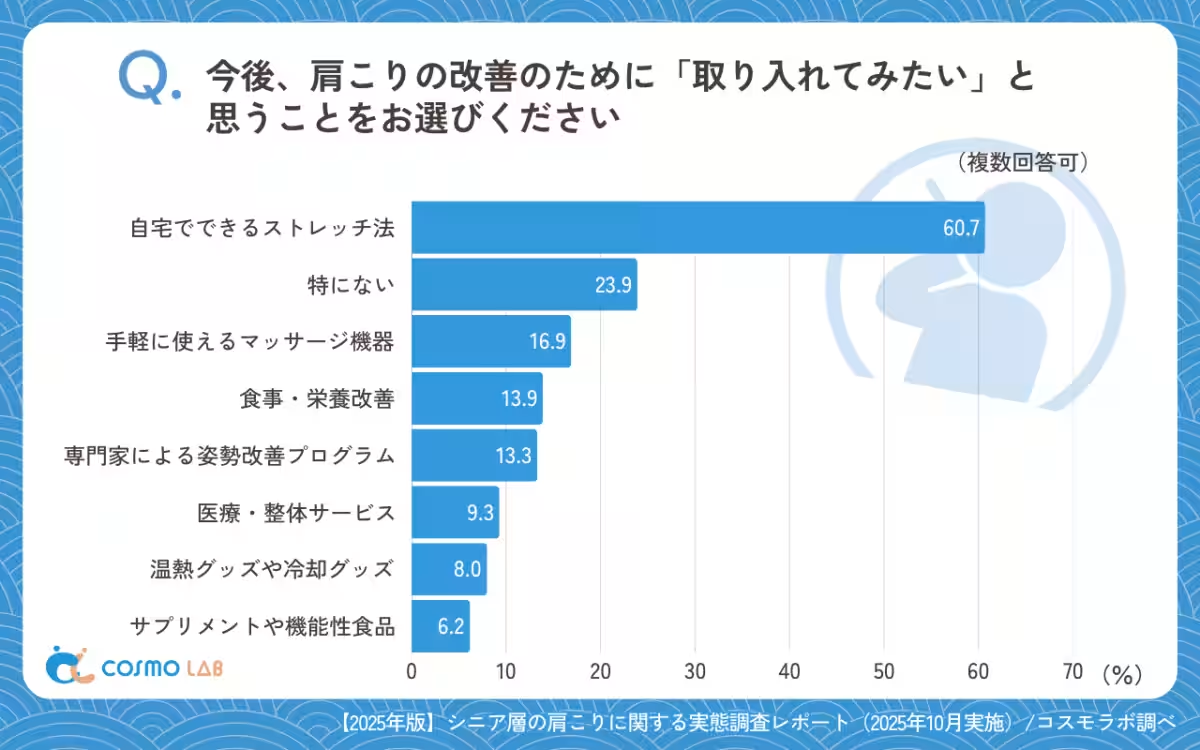
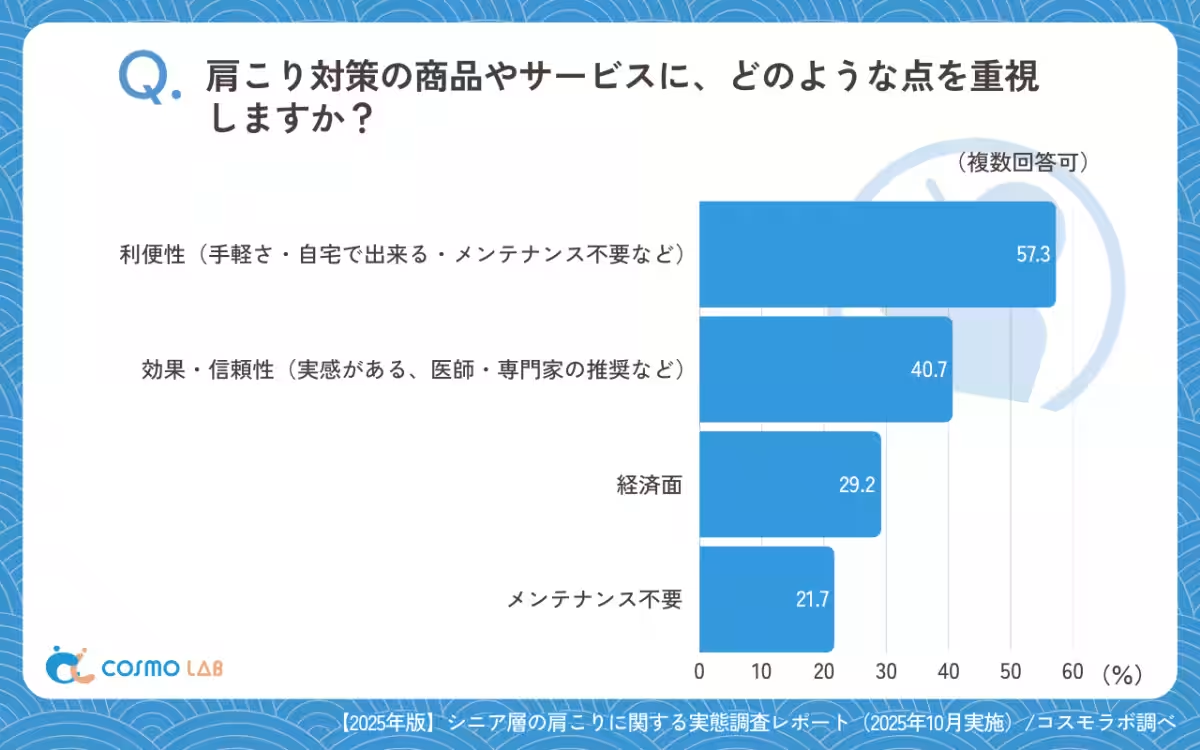
Interesting findings emerged concerning what seniors value in their pain management strategies. The emphasis was placed not on 'effectiveness' alone, but rather on the ability to 'maintain' these practices over time. For instance, 60.7% of respondents expressed an interest in incorporating 'at-home stretching methods' into their routines, with 'convenience' (57.3%) being the top priority when selecting products or services to tackle shoulder pain. This preference highlights a significant insight: seniors readily seek solutions that easily fit into their daily lives without added strain.
The Initiation of Shoulder Pain
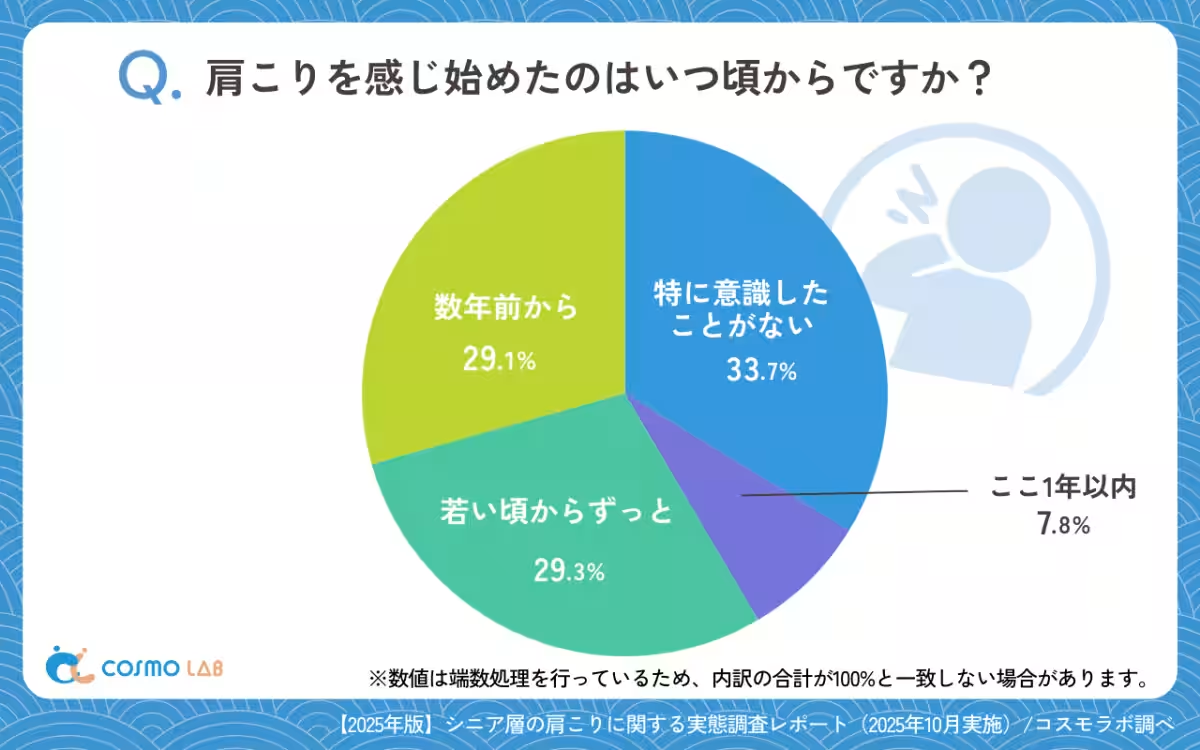
Delving deeper into the survey results revealed that 33.7% of participants have never been consciously aware of when their shoulder pain started. Almost equal numbers reported issues persisting since youth (29.3%) or beginning a few years ago (29.1%). This realization underscores how shoulder pain can often become a normalized part of life, leading to a lack of proactive care strategy. Thus, it is critical for companies creating products aimed at this demographic to foster awareness and create easy-to-implement solutions that encourage regular engagement.
Identifying Impact on Daily Life
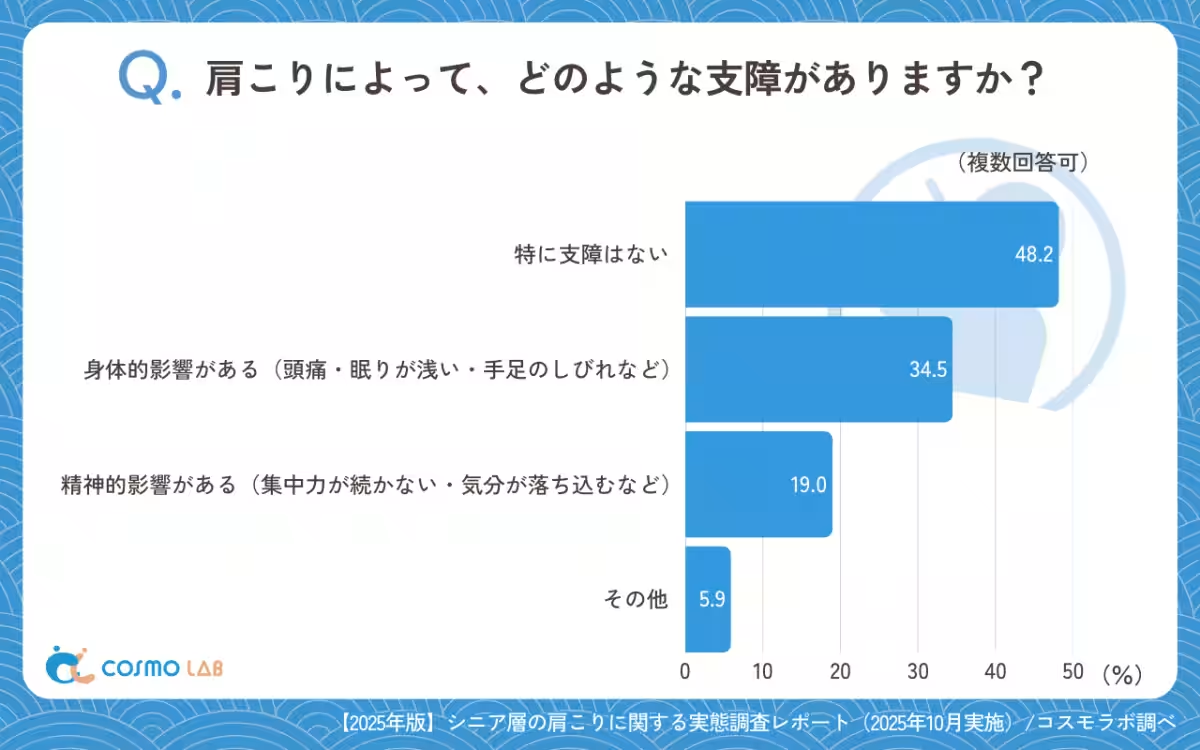
Interestingly, 48.2% of respondents reported having no significant issues due to their shoulder pain. However, about 34.5% acknowledged experiencing physical symptoms like headaches or numbness, while 19.0% noted mental impacts such as distractions or feelings of sadness. This duality highlights the often-overlooked effects shoulder pain has on both physical and mental well-being.
Actions Taken for Relief
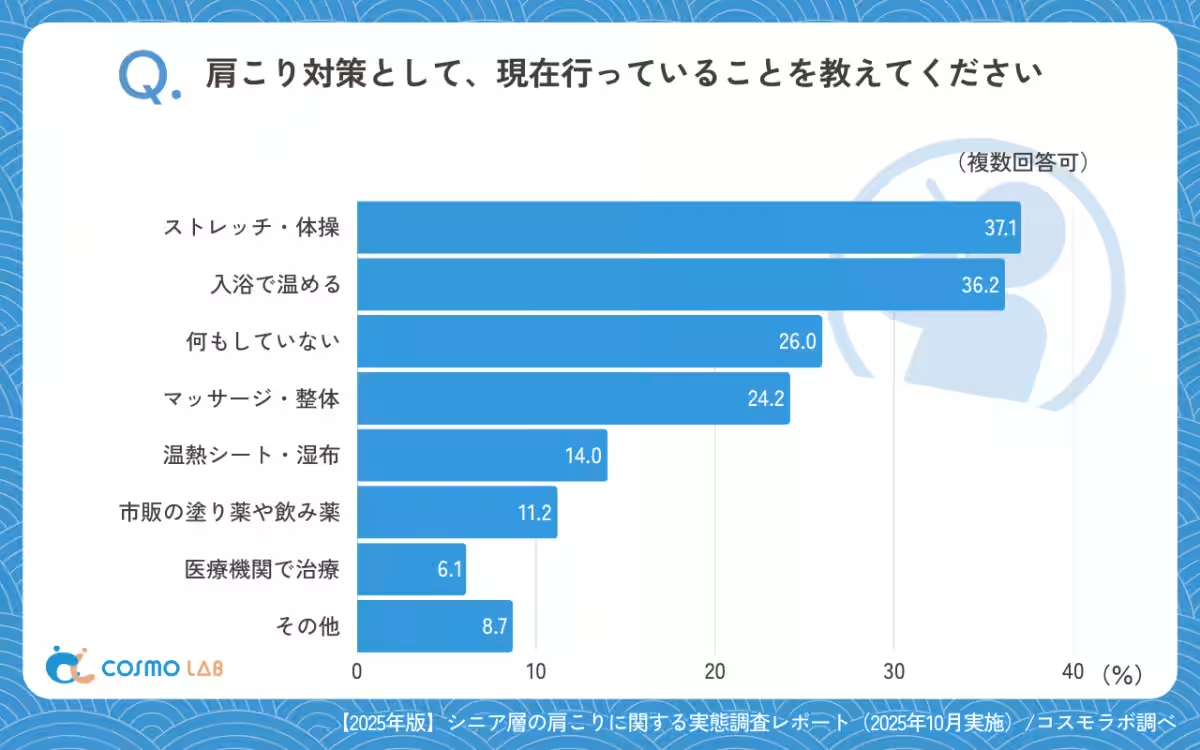
When exploring current coping strategies, participants indicated preferences for actions like stretching (37.1%) and bathing (36.2%). Around 26% reported not taking any action at all, demonstrating a noteworthy gap where some individuals remain unaware of available, easy-to-implement strategies.
Future Interest in Solutions
Looking forward, the desire for self-care solutions remains prevalent, especially with 60.7% expressing interest in discovering simple at-home stretching solutions. There were also desires for more accessible massage devices, but results showed that a considerable portion of respondents (23.9%) expressed 'no specific preferences.' For this group, enhancing awareness about the necessity and effectiveness of various shoulder care offerings could allow a transition toward greater self-management of shoulder pain.
Key Elements in Product Selection
Further findings detailed the importance of 'convenience' as a crucial factor for project selection (57.3%), followed by 'effectiveness' and 'credibility' (40.7%). This indicates that while seniors want solutions that are proven effective, the likelihood of integrating them into their routine rests heavily on their seamlessness and ease of use. Additionally, while economic factors are a consideration for 29.2% of respondents, they are not the main drivers behind their decisions, suggesting that affordability of options must balance against their practicality and ease of use.
Willingness to Invest
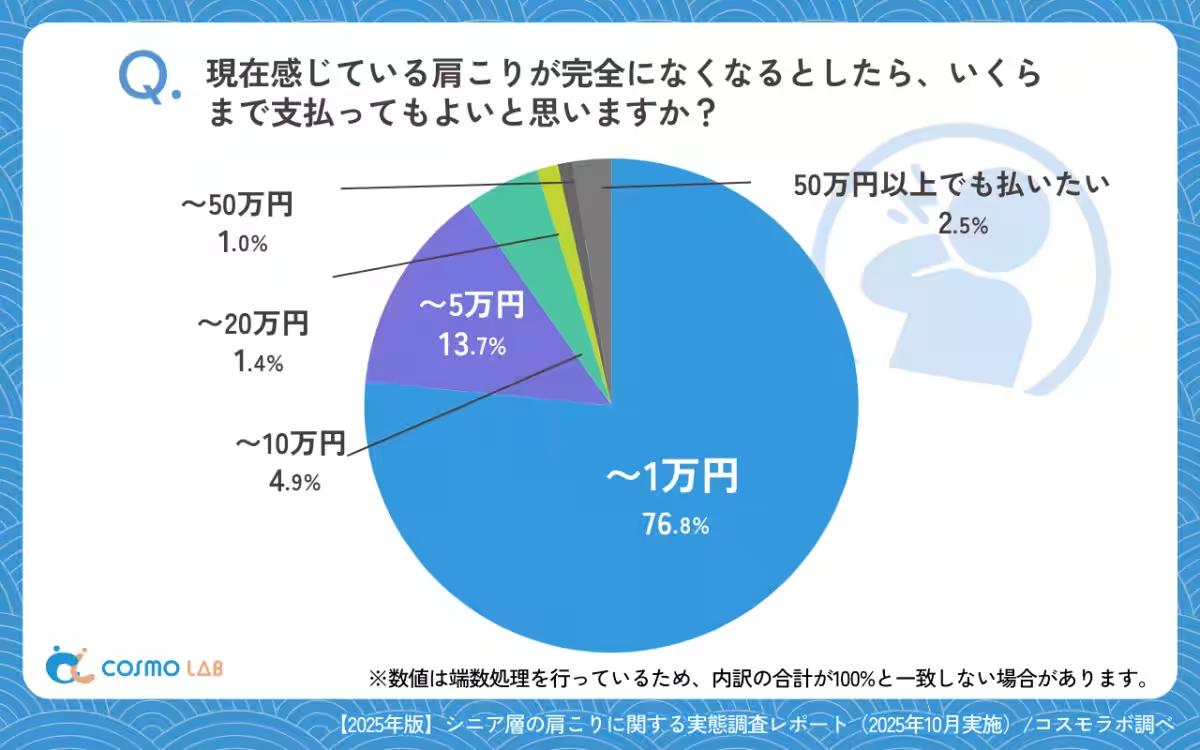
Regarding financial commitment for relieving shoulder pain, a significant 76.6% of participants indicated they would be willing to spend up to 10,000 yen, signaling a preference for low-cost, easy-to-maintain solutions over expensive treatments. This reflects not only their practical outlook but also their desire for products that promise tangible benefits without a hefty price tag.
Conclusion
This survey underscores the persistent and often underestimated presence of shoulder pain in the lives of seniors. While many report regular discomfort, the pain is typically seen as a manageable, everyday reality. Care strategies adopted often lean heavily towards self-care techniques that can easily fit within their lifestyles. This suggests a vital opportunity for businesses to cultivate products tailored to these nuanced needs and priorities, emphasizing ease of use—and the role of awareness in encouraging more proactive management of shoulder pain among seniors. Moreover, as the results indicate, tapping into the overlooked segment of individuals unaccustomed to recognizing or addressing their pain is essential for fostering a well-rounded self-care dialogue.
The report concludes with an invitation for those interested in senior marketing strategies to delve into a wealth of similar research by CosmoLab, covering varied themes like health, disaster prevention, and consumption tendencies, aiming to present an accurate portrayal of the modern senior.
Topics Consumer Technology)
【About Using Articles】
You can freely use the title and article content by linking to the page where the article is posted.
※ Images cannot be used.
【About Links】
Links are free to use.