



Recent Survey Reveals Insights into Shopping Habits and Mindsets in Japan
Insights into Shopping Habits and Mindsets in Japan
In July 2026, Cross Marketing conducted an extensive survey involving 3,000 individuals aged between 18 and 79 across Japan. This survey aimed to understand evolving consumer behaviors and mindsets regarding shopping and purchasing. Here are some crucial findings from the research.
General Attitudes Towards Shopping
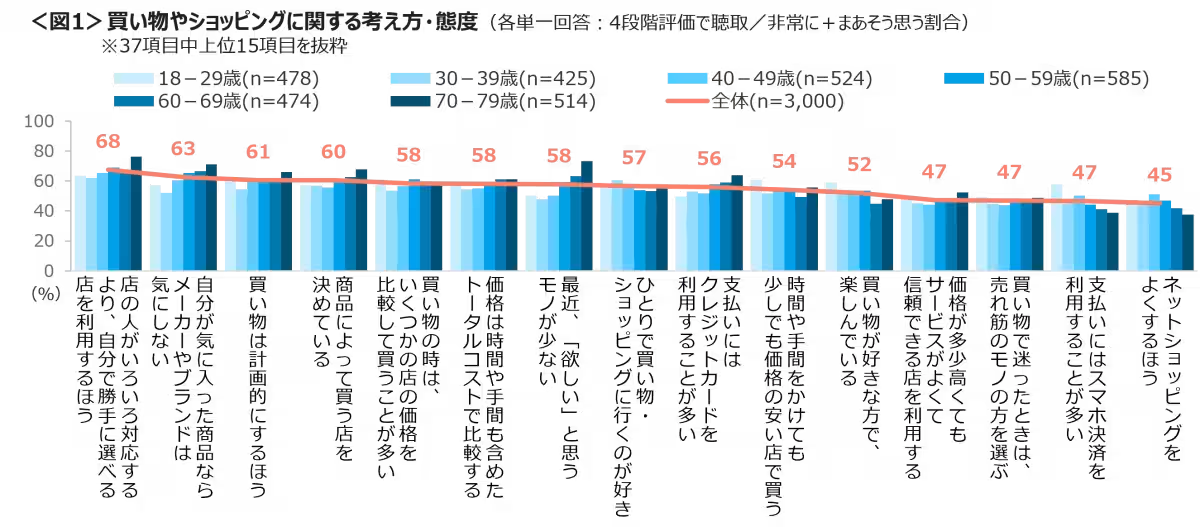
The survey evaluated participants' attitudes toward shopping by using a four-point scale. A significant majority expressed a preference for shopping in places where they can independently select their items, rather than relying on store staff. About 60% agreed that they would prioritize personal preferences over brand choices. A trend identified was that older participants, especially those in their 70s, increasingly reported feeling less desire for new purchases, with over 70% indicating fewer wishes for new items.
Frequency of Store Visits
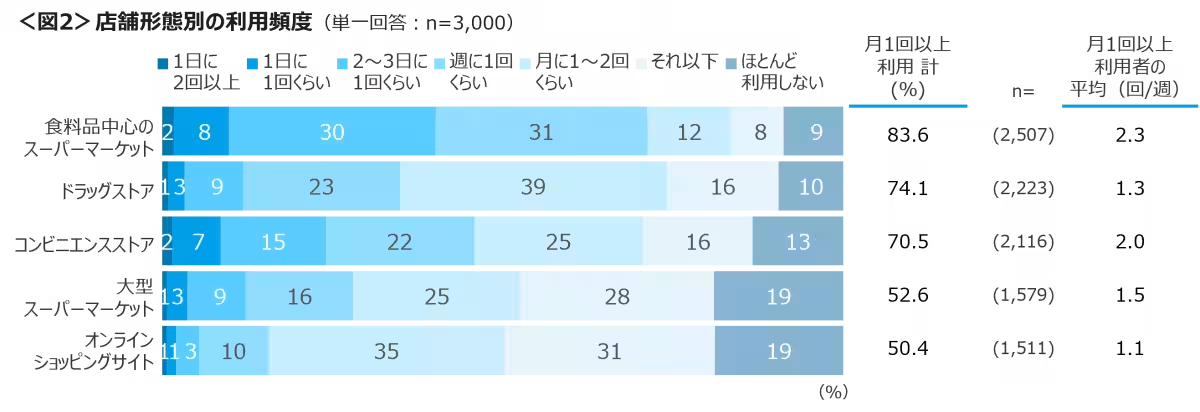
The survey presented 13 types of stores to the participants, revealing that grocery-focused supermarkets, drugstores, convenience stores, large supermarkets, and online shopping websites are the most frequented. On average, respondents visit grocery stores 2.3 times and convenience stores 2.0 times per week, indicating a stable reliance on these retail formats.
Purchasing Response to Price Increases
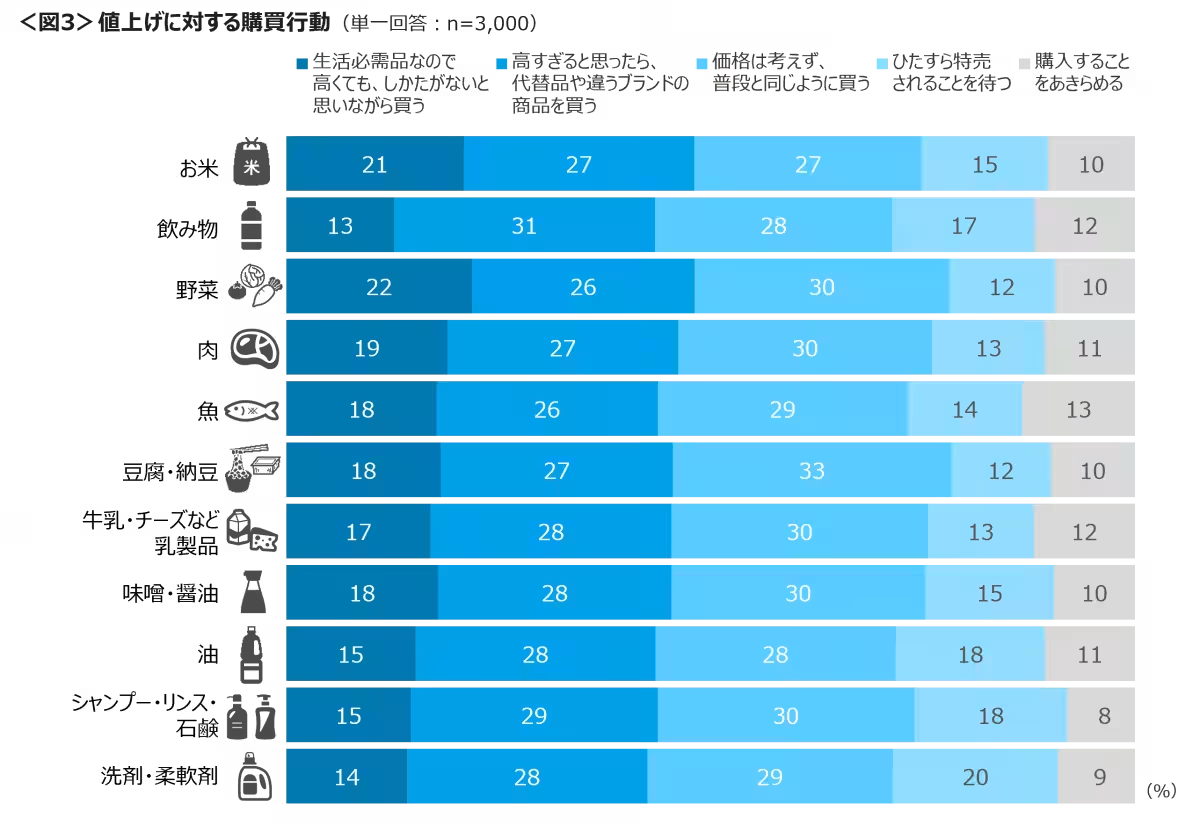
Due to ongoing price rises influenced by international events, the survey questioned how consumers react to price changes across 15 different goods categories. Approximately 31% of respondents indicated that they would opt for alternative products or different brands if they found a beverage too expensive. In the case of rice, oil, and personal care items, opinions were split between choosing alternatives or sticking to familiar products regardless of price increases.
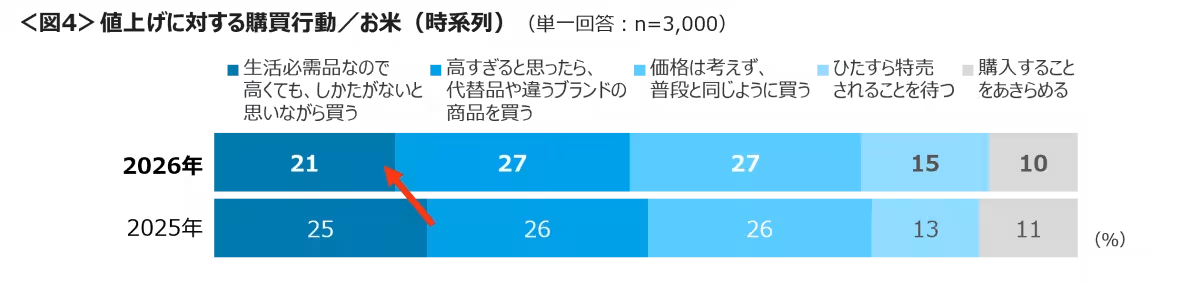
Interestingly, regarding rice, only 21% of participants stated they would accept higher prices as a necessity, which is a decrease from the previous year.
Stocking Up on Essentials
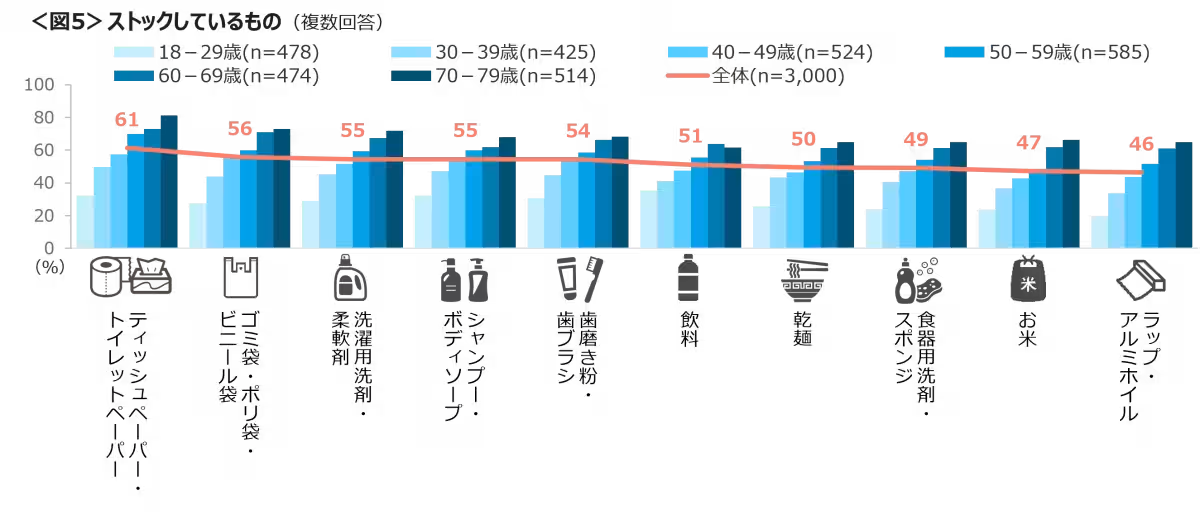
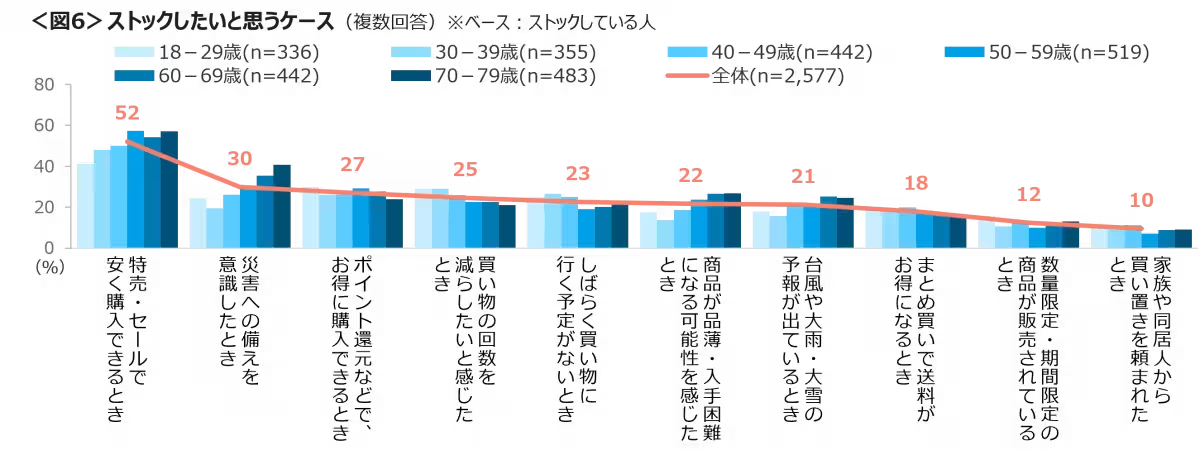
When asked about household item inventories, common essentials like tissue paper, trash bags, laundry detergent, shampoo, and toothpaste topped the list, reflecting a focus on daily necessities. Many respondents stated they prefer stocking up during sales or promotional events (52%), while others mentioned considering disaster preparedness as a key factor.
Notably, the interest in stocking up due to disaster preparedness was significantly higher among older age demographics (60s to 70s).
Common Shopping Issues
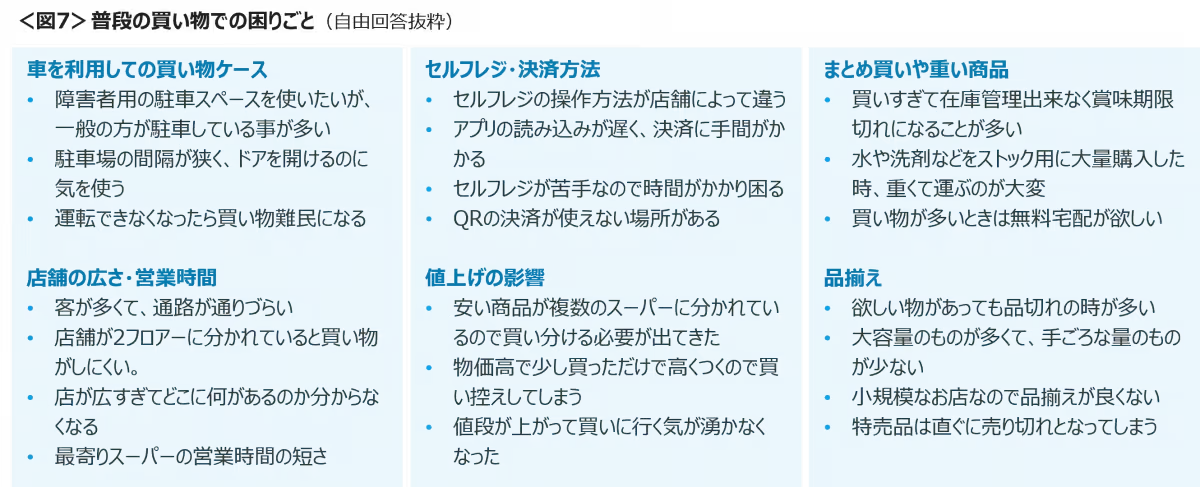
Challenges faced by shoppers included limited parking in urban settings, store size and hours, issues with self-checkout machines, the hassle of purchasing from multiple stores, and difficulties in transporting heavy products. These concerns indicate areas where retail businesses could potentially improve customer experience.
Conclusion
The insights gleaned from Cross Marketing's survey provide valuable perspectives on the shifting landscape of consumer shopping habits in Japan. By understanding how Japanese shoppers allocate their preferences, respond to price fluctuations, and navigate their buying experiences, businesses can better align their strategies to meet evolving consumer demands.
For those interested in further details about this survey and its findings, the full report is available on the Cross Marketing website.
Topics Consumer Products & Retail)


【About Using Articles】
You can freely use the title and article content by linking to the page where the article is posted.
※ Images cannot be used.
【About Links】
Links are free to use.