



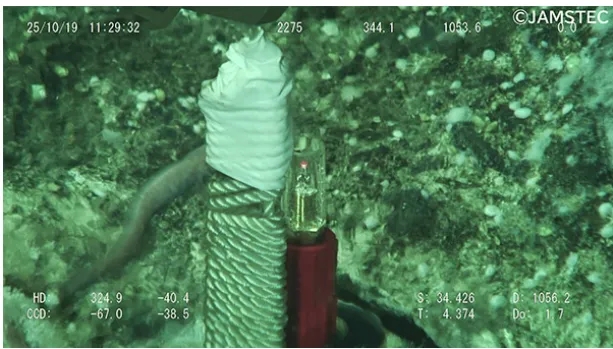
Innovative LED Lighting Using Seafloor Hot Springs: A World First
Innovative LED Lighting Using Seafloor Hot Springs
In a groundbreaking achievement, Mitsui O.S.K. Lines (MOL) has successfully conducted the world's first experiment using thermal energy from seafloor hydrothermal vents to power LED lights. This initiative was supported by the New Energy and Industrial Technology Development Organization (NEDO) and aims to explore the potential of underwater geothermal energy as a sustainable energy source.
The project, part of NEDO's Hydrogen Society Construction Technology Development initiative, involved a collaborative effort among several prestigious organizations, including the Japan Agency for Marine-Earth Science and Technology (JAMSTEC), the Port and Airport Research Institute, Tokyo University of Marine Science and Technology, Japan Geothermal Energy Development Co., and elleThermo.
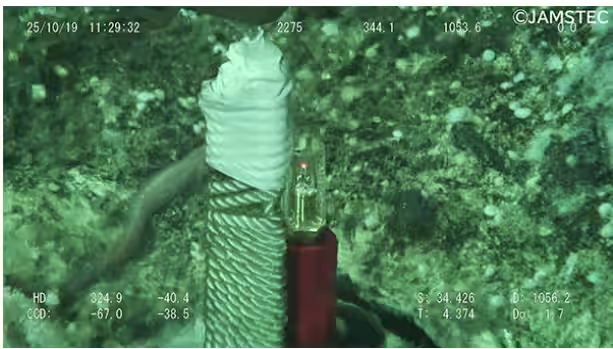
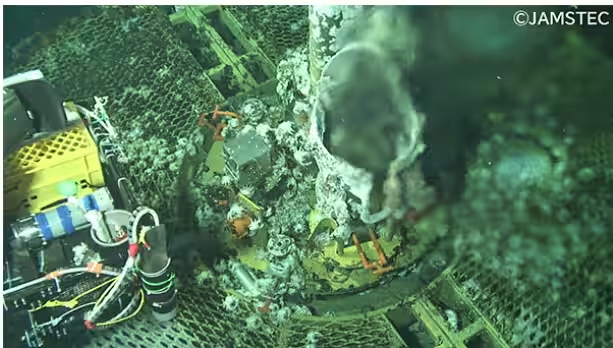
During the experiment, warm water from the seafloor hydrothermal vent in the Okinawa Trough served as the heat source to power underwater LED lights. The success of this experiment demonstrates a continuous flashing capability of the LEDs, marking the first instance in the world where seafloor geothermal energy has been harnessed for lighting in oceanic environments.
The experiment gathered crucial data on the temperature conditions, power generation performance, and durability of the LED lights in underwater conditions. This research project was further strengthened with support from the collaborative research program of the Atmosphere and Ocean Research Institute at the University of Tokyo.
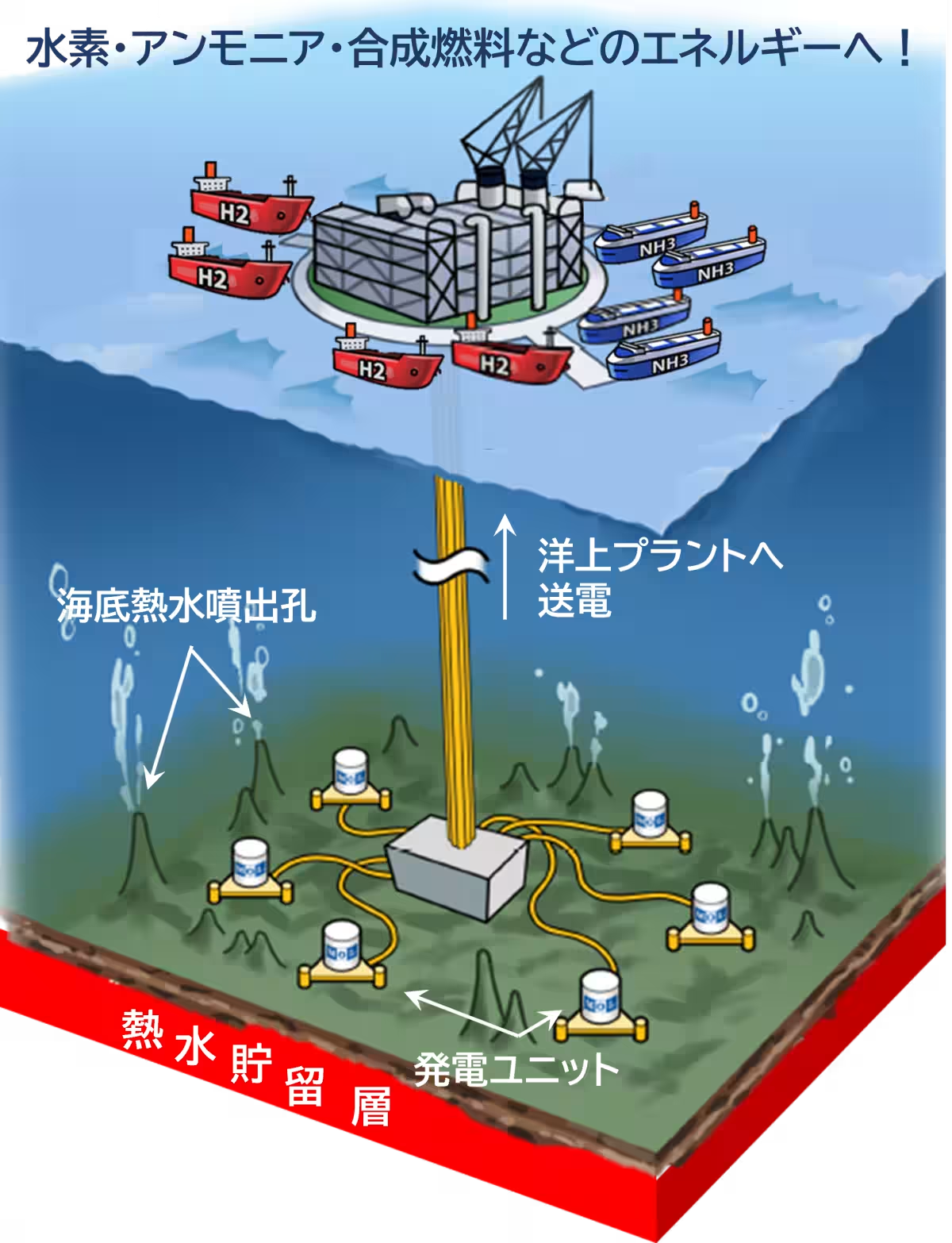
The significance of this project extends beyond mere experimentation; it highlights the enormous potential of geothermal energy from the seafloor, with estimates suggesting that certain areas, such as the Okinawa Trough, could yield power generation capacity of up to 60 GW. As a result, MOL plans to incrementally advance further research into hydrothermal resources, development of power generation modules, and long-term continuous testing.
Moreover, MOL envisions a comprehensive value chain that includes generating power via seafloor geothermal sources, producing hydrogen, ammonia, and synthetic fuels at offshore plants, and subsequently supplying these fuels to various sectors, including maritime transportation.
To achieve the practical implementation of this zero-emission fuel model, MOL will collaborate with relevant organizations to validate the technical and economic viability of this entire process.
MOL's continuous commitment to this project aligns with its mid-to-long-term management policy focused on energy transition and environmental sustainability. This includes undergoing extensive research and development, as specified in the MOL Group Environmental Vision 2.2, to drive decarbonization within the shipping and energy sectors.
Going forward, MOL aims to actively promote the commercialization of marine renewable energy, utilizing the high potential of natural energy sources to significantly contribute to the creation of a sustainable energy society.
This pioneering effort not only sets a precedent in renewable energy utilization but also opens new avenues for environmentally friendly energy solutions in the maritime industry and beyond.
Topics Energy)
【About Using Articles】
You can freely use the title and article content by linking to the page where the article is posted.
※ Images cannot be used.
【About Links】
Links are free to use.