



Why a Waste Management Company Opted for Solar Power and Group Purchasing
Embracing Solar Power: A Case Study of a Waste Management Company
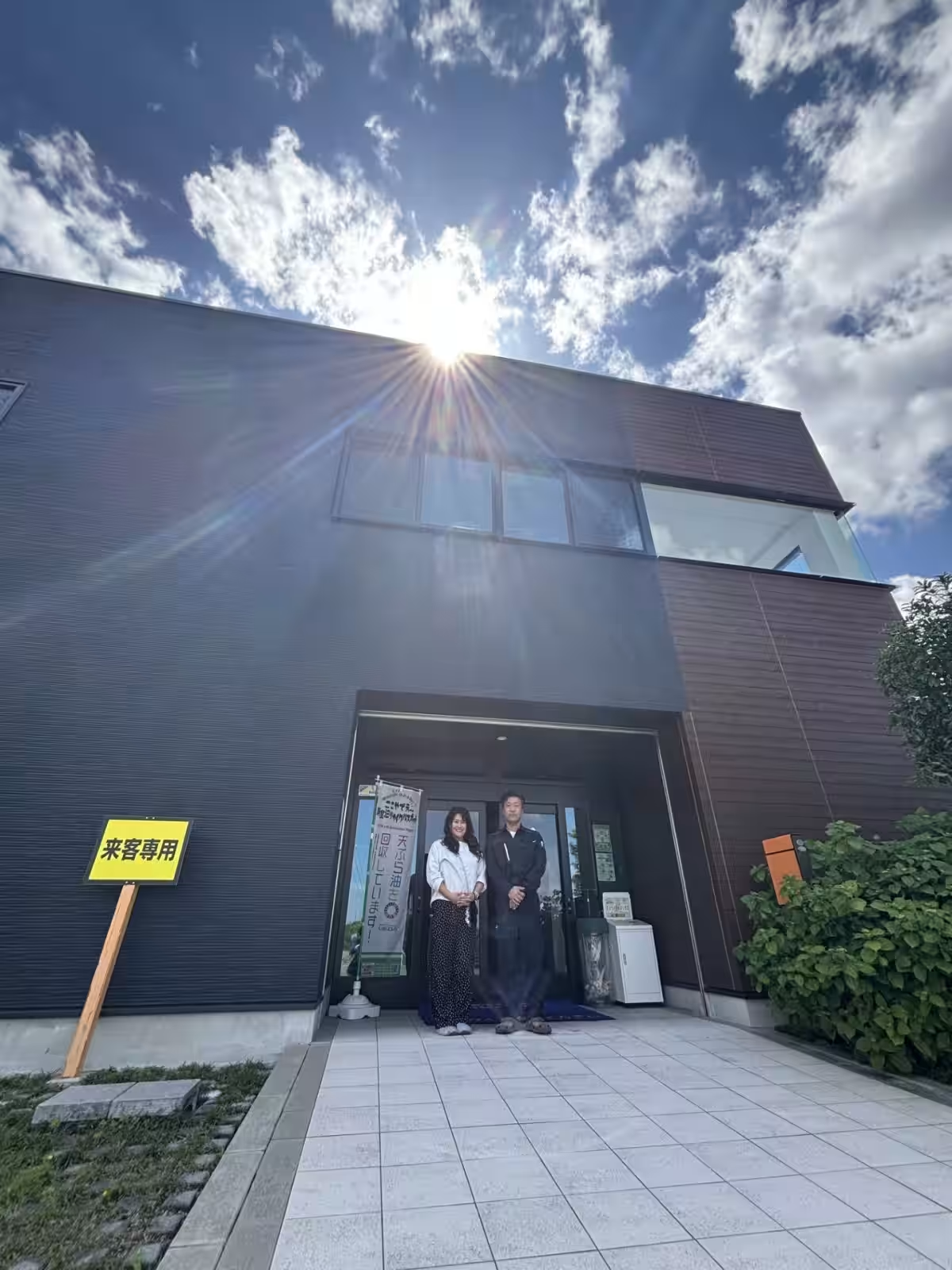
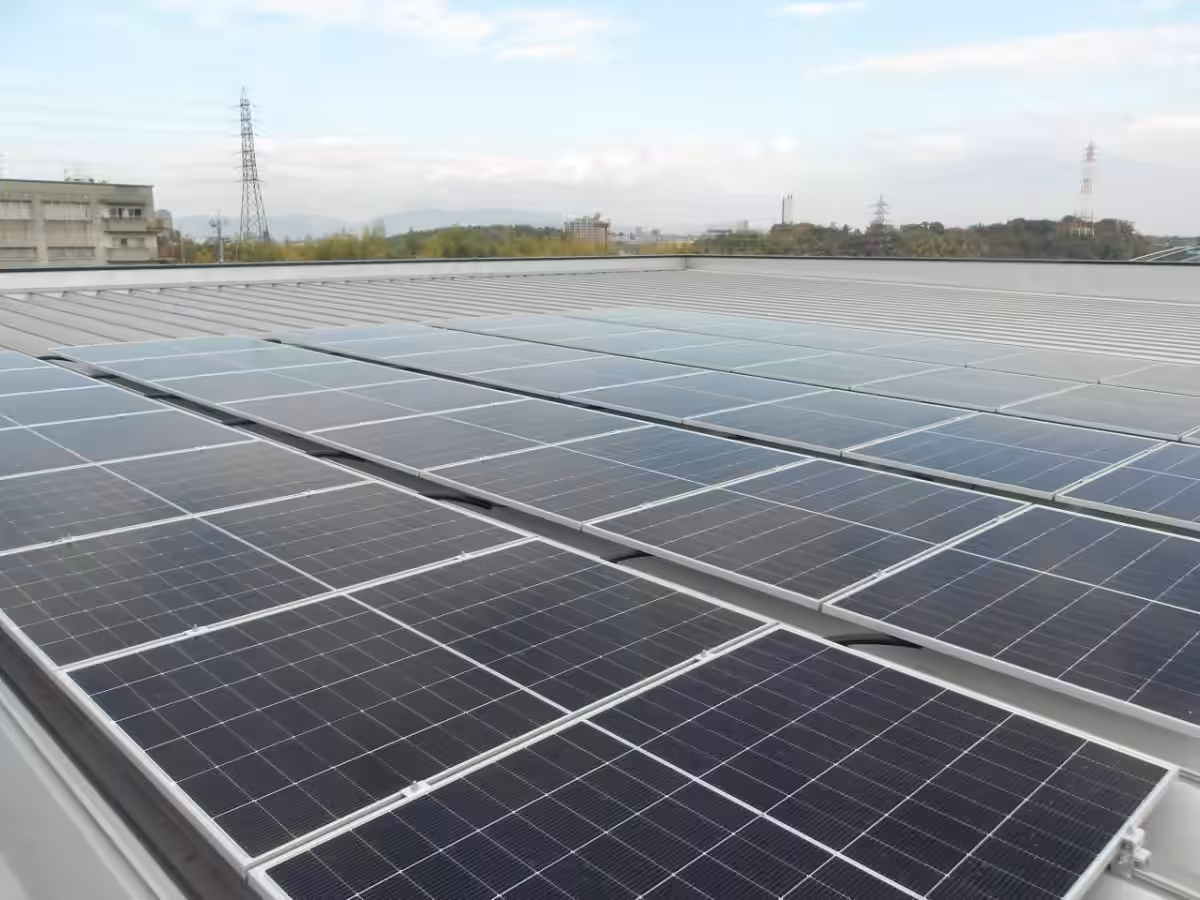
In a world increasingly focused on sustainability, the shift towards renewable energy is not just a trend but a necessity. For many businesses, the journey into renewable energy can be daunting, especially when it involves financial considerations and a lack of clarity on which providers to choose. This article delves into the experience of Enterprise Yama Co., Ltd., a waste management company that successfully transitioned to solar energy through group purchasing.
The Initial Conundrum: A Dilemma in Decision-Making
The company specializes in the collection and transportation of general and industrial waste. Covering the Kansai region, excluding Wakayama, they have navigated various regulations and challenges inherent in their industry. According to the company's representatives, the recognition from the Eco Action 21 program compelled them to focus on environmental management, yet they faced ongoing challenges regarding costs that deterred them from adopting solar energy for some time.
The Catalyst for Change: An Increasing Interest in Renewable Energy
The shift began in 2011 with the introduction of a certification program for exemplary industrial waste management businesses. They pursued the Eco Action 21 certification, opening their eyes to the need for corporate responsibility in environmental issues. As their interest in decarbonization and renewable energy grew, they considered solar energy again but hesitated due to the initial costs involved.
With the advent of better environmental standards like the Science Based Targets (SBT) certification, the encouragement to adopt solar energy returned.
Discovering Group Purchasing: A Helping Hand
Awareness of group purchasing emerged through correspondence from organizations like the Osaka Chamber of Commerce and Industry and the Osaka Environmental Counselor Association, which provided information on subsidies and environmental initiatives. Participating in a group purchasing scheme for solar power became a viable option, relieving the pressures of selection and allowing for collective negotiating power.
Deciding Factors: Considerations Beyond Profitability
When making the final decision, profitability was important but not the sole focus. Concerns about business continuity and the capability to recover from disruptions also weighed heavily in their decision-making process. With a sizable fleet of trucks, achieving decarbonization is complex. They recognized that while the impact of solar power on their energy usage might be limited, it represented a meaningful enhancement to their operational resilience and contribution to the community.
Benefits of Participating in Group Purchasing
Feedback surrounding group purchasing has been overwhelmingly positive. The company reported feeling reassured by the support received during the selection process and noted that this collaborative approach made understanding scale benefits much clearer. They appreciate the partnership with local government, providing a valuable framework for companies unsure of how to proceed with adopting renewable energy technologies.
Future Aspirations and Expectations
Looking ahead, Enterprise Yama is keen on exploring innovative technologies such as solar film that can be applied to windows and other surfaces. They requested ongoing support for future equipment upgrades and disposal needs to reinforce a long-term commitment to sustainability. Furthermore, they expressed interest in information regarding emerging technologies like biofuels and biomethane fermentation that contribute to their decarbonization objectives.
A Message from the Company
For businesses considering renewable energy adoption, the current global landscape, which includes rising energy costs and geopolitical risks, makes having renewable energy infrastructure a strategic advantage. Monitoring generated power will provide insight into future energy-saving measures and contribute to ongoing environmental management efforts.
In the words of President Yamamoto, “Witnessing the strong production of energy on clear days fuels our motivation to work!”
Commitment Beyond Solar
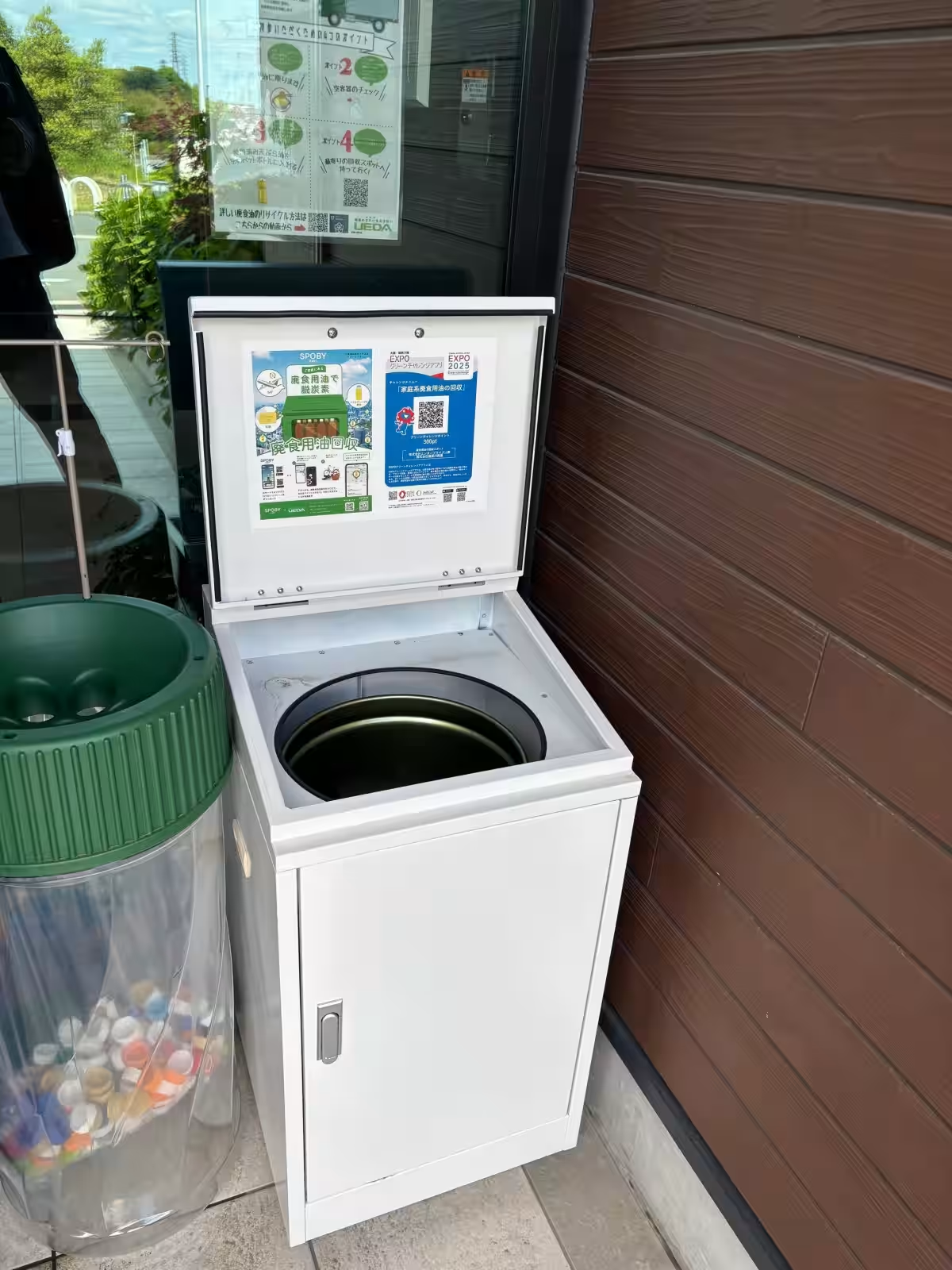
Apart from solar installations, Enterprise Yama puts significant effort into recycling waste cooking oil to create soap and biodiesel fuel, exemplifying their commitment to sustainability in its holistic sense.
For inquiries related to this initiative, please visit our dedicated website: EnerBank.
Company Overview
Name: EnerBank Co., Ltd.
CEO: Kenichi Murakanaki
Co-founder: Jogo Sato
CTO: Daisuke Sekine
CHRO: Tetsushi Yamamoto
Location: Kanda Square, 2-2-1 Kanda Nishikicho, Chiyoda-ku, Tokyo 101-0054
Established: July 2018
Business Scope: - Development and management of an electricity auction system - Management of an environmental value trading platform - Issuance of green power certificates - Agency purchases of non-fossil certificates - Sale of J-credits - Operations for solar energy facility matchmaking - Development of digital concierge services for energy procurement and decarbonization
Website: EnerBank Official Site
Topics Other)

【About Using Articles】
You can freely use the title and article content by linking to the page where the article is posted.
※ Images cannot be used.
【About Links】
Links are free to use.