



Public FM Fest 2026 in Kobe: A Platform for Municipal Facility Management Dialogue
Public FM Fest 2026 in Kobe: Current Trends in Public Facility Management
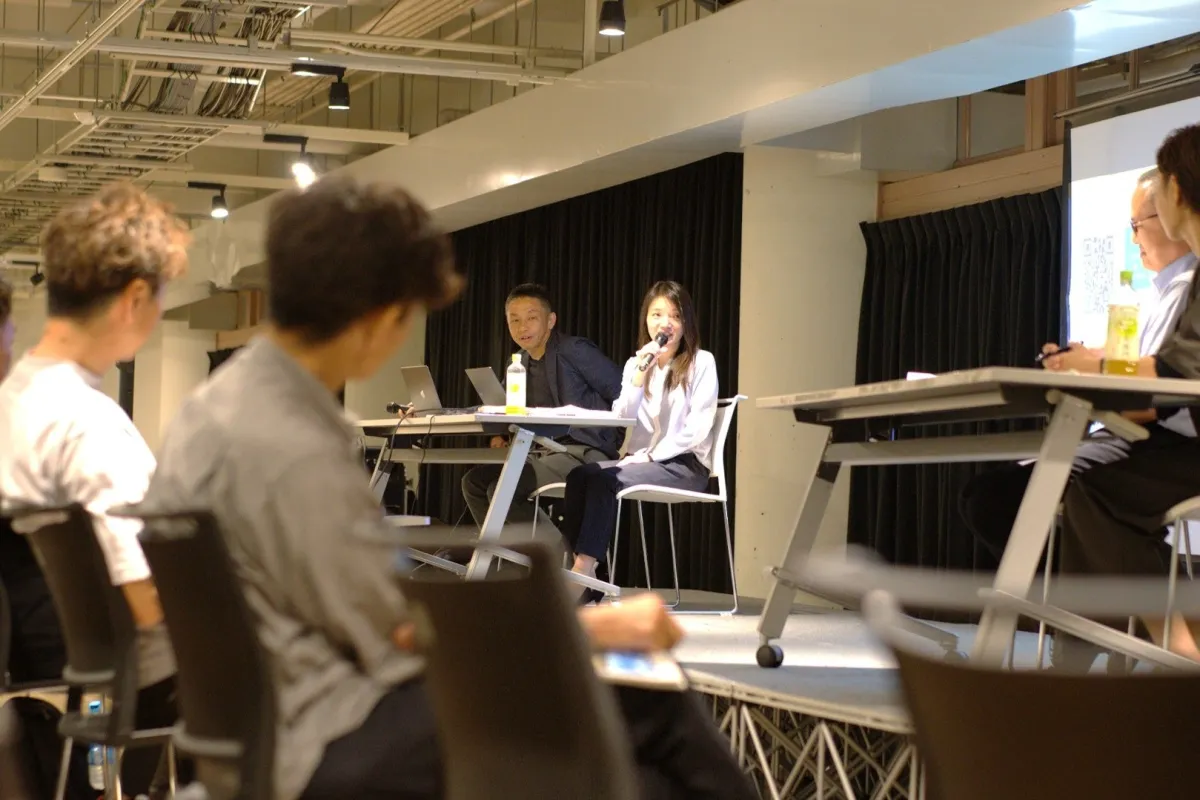
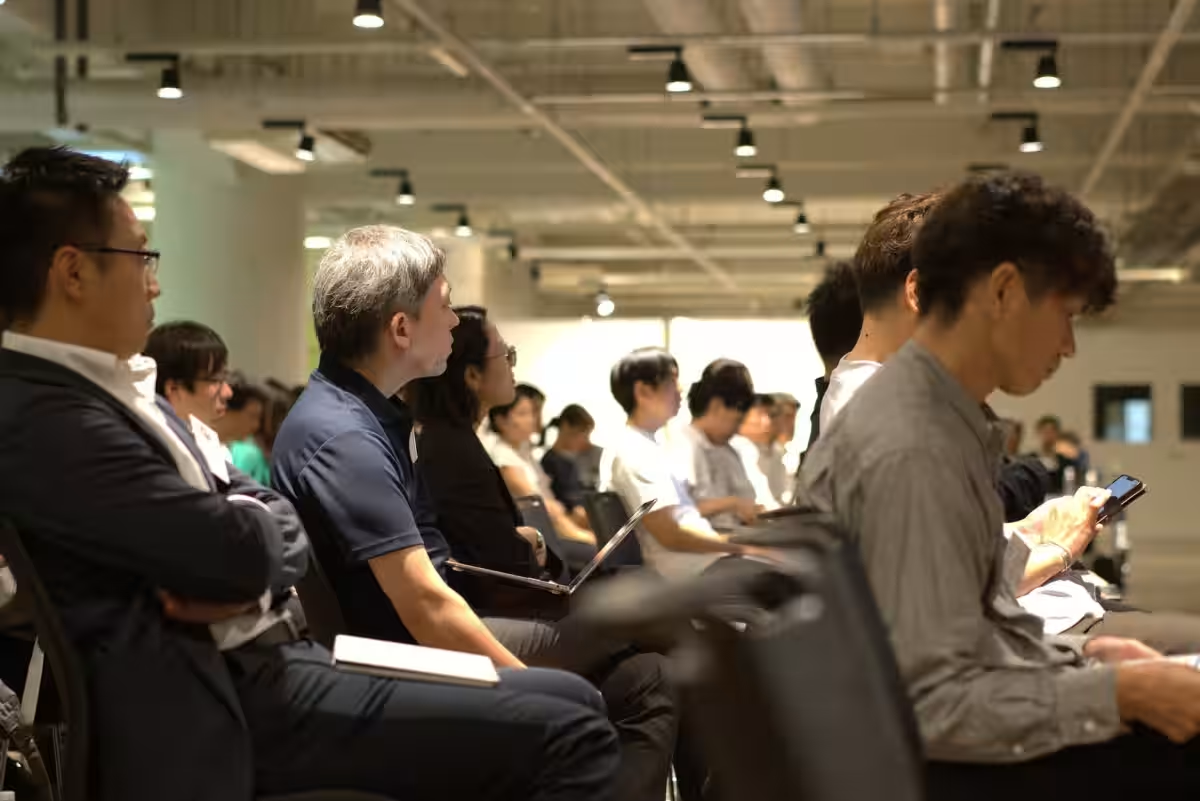
Japan Kanzai Holdings Co., Ltd. has organized the fifth iteration of the "Public FM Fest 2026 in Kobe," which took place from July 28 to July 29, 2026. The event brought together practitioners from eight municipalities across Japan and one private organization, providing a platform for sharing experiences and actively exchanging ideas through presentations and discussions.
Challenges Faced by Local Governments
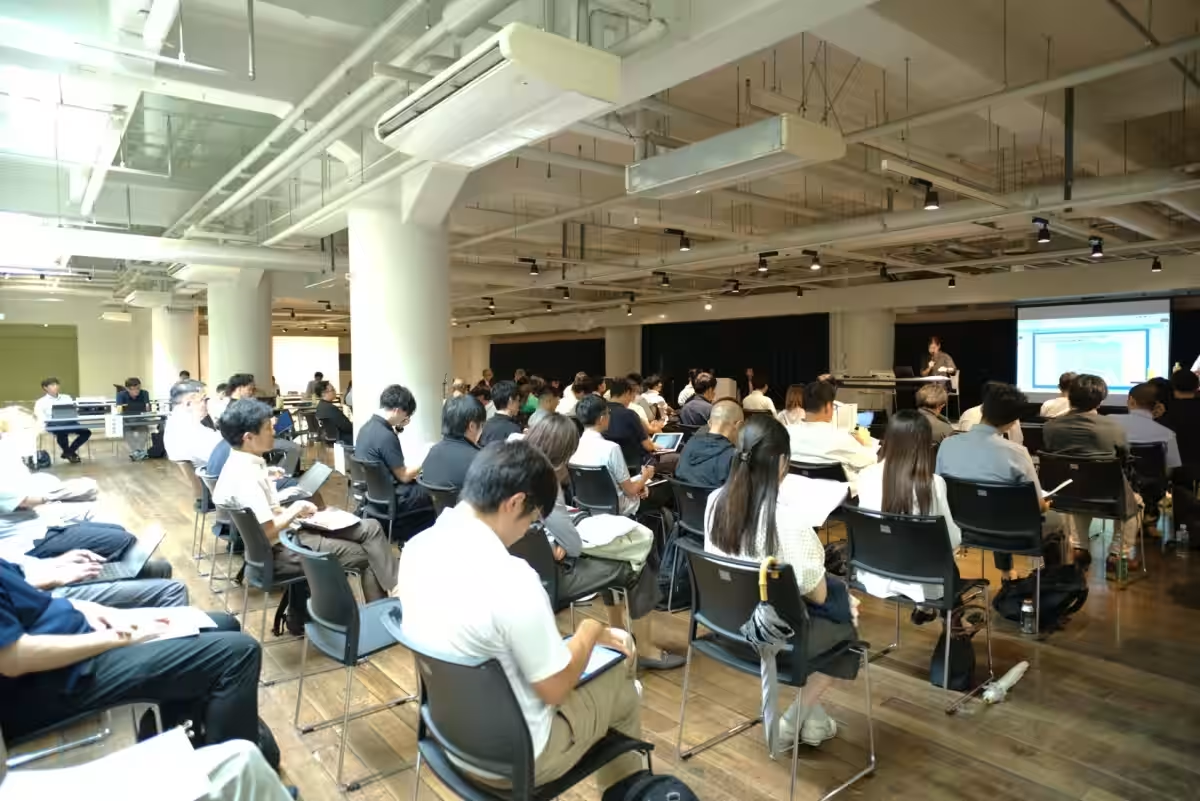
Municipalities nationwide are grappling with common challenges such as aging public facilities, the optimization of resources, and the need to secure skilled personnel for effective management. Japan Kanzai has been selected as a PPP (Public-Private Partnership) contract partner by the Ministry of Land, Infrastructure, Transport and Tourism since 2018, reflecting their commitment to facilitating dialogue and idea-sharing among stakeholders involved in PPP initiatives. The Public FM Fest serves as an annual event organized by Japan Kanzai to address these important issues, previously held in progressive locales like Sumida Ward in Tokyo and Shiwa Town in Iwate Prefecture. This year’s festival in Kobe attracted a total of 177 participants both in-person and online.
Event Details
Event Name: Public FM Fest 2026 in Kobe
Organizer: Japan Kanzai Co., Ltd.
Dates: July 28-29, 2026
Venue:
- - July 28: Design and Creative Center Kobe (KIITO)
- - July 29: NATURE STUDIO
The agenda included several insightful activities:
- - July 28: Talks and sessions focused on comprehensive management of public facilities, public facility management, public-private partnerships, and community development.
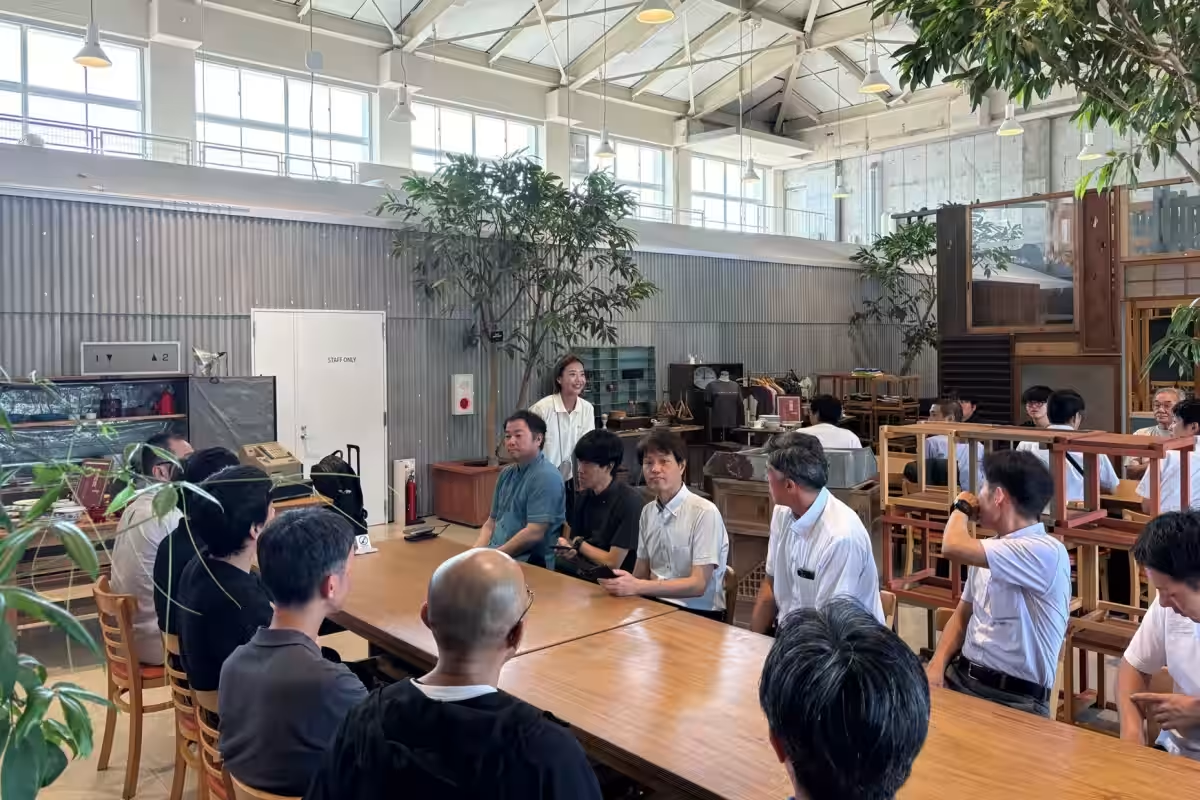
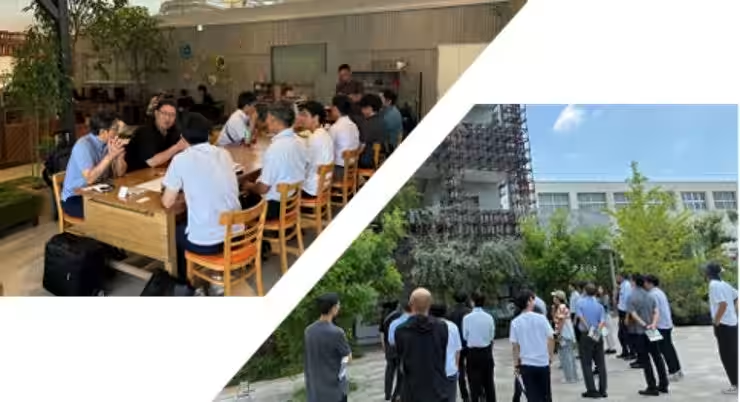
- - July 29: An after-session aimed at participant networking followed by a tour of NATURE STUDIO, which showcases innovative uses of public facilities.
Presentations and Discussions
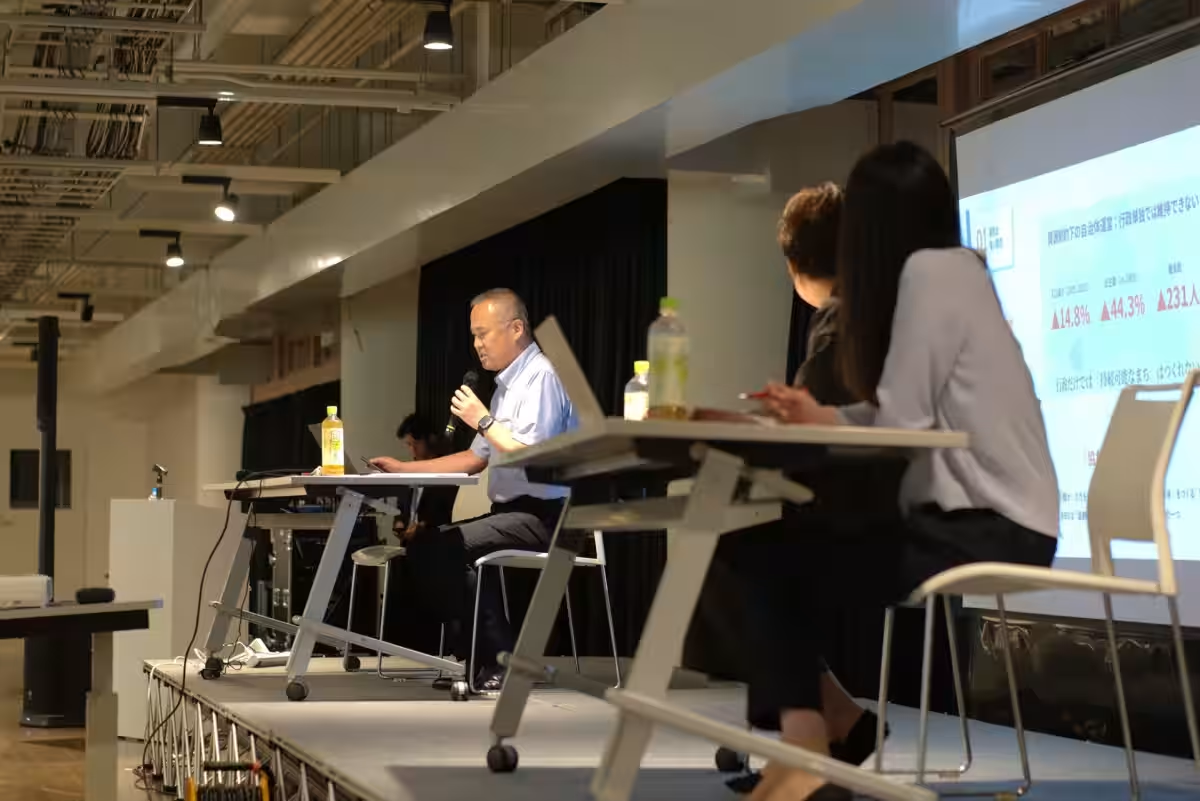
The presentations on July 28 covered three main themes: comprehensive management of public facilities, public facility management, and the cooperation between public and private sectors in community development. Experts from the eight municipalities and one private firm addressed various challenges prior to and following the implementation of new management strategies, sharing insights about practical innovations and personal experiences.
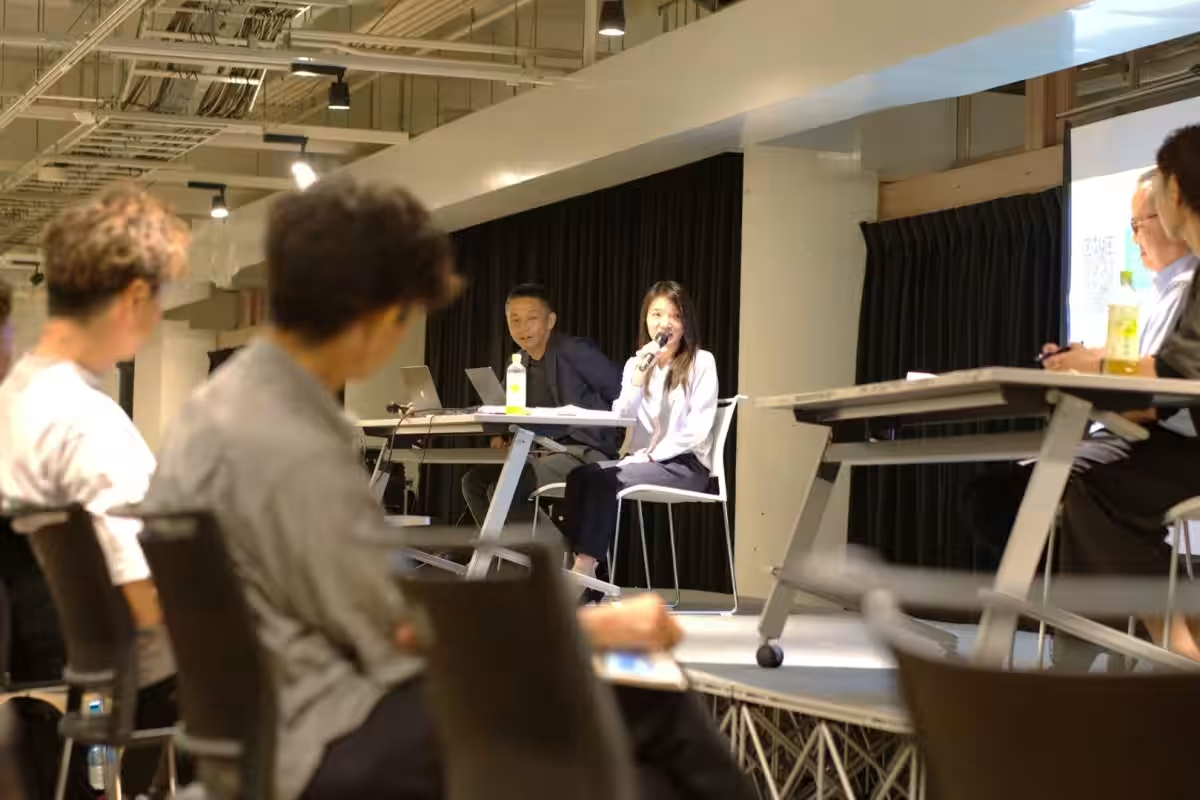
The subsequent talk sessions were moderated by Hiroki Terasawa from Machimirai LLC. Attendees raised questions, fueling an exchange of ideas among the speakers and offering them an opportunity to elaborate on their approaches and solutions. Below are some selected questions and feedback captured from participants:
- - Questions from Participants:
- How has the introduction of comprehensive management changed the work environment?
- What were some of the opposing opinions prior to implementing these changes?
- - Participant Feedback:
- These discussions will significantly influence our future considerations regarding the role of public facilities.
- The detailed roadmap presented, including post-implementation challenges, was incredibly valuable.
- Listening to multiple examples from different municipalities has highlighted the importance of internal awareness reform.
- The event was profoundly insightful as I could hear from so many local authorities.
The Importance of Interaction
The overall response to the event was positive, with many attendees highlighting the significance of networking opportunities. Suggestions were made to increase the time allocated for informal discussions, allowing for deeper conversations and idea exchange, which could ultimately lead to collaborative solutions to common public management challenges. One participant expressed that despite initial hesitations about attending due to travel distance, the experience surpassed all expectations.
Insightful Sessions
The presentations delved into various aspects of facility management:
- - Comprehensive Management Strategies: Addressed the practical issues encountered during the implementation of inclusive management and looked at new challenges emerging after their adoption. Each municipality shared their specific experiences and methodologies, from ensuring safety in Hitachinaka to reorganizing maintenance cycles in Maizuru and managing a surge in repair requests in Kobe.
- - Transforming Facility Management: Discussed shifting the focus from merely managing facilities to leveraging them as community resources, featuring innovative practices from Sanyo-Onoda and Toyama that actively involved citizens in revitalizing local areas, showing how civic engagement plays a crucial role.
- - Public-Private Collaboration: Explored how local governance can create a sustainable future by engaging citizens and leveraging community resources, with examples from Akashi and Nanjō illustrating the effectiveness of joint public and private initiatives.
Post-Session Tours
To wrap up the festival, an after-session tour of NATURE STUDIO was organized, which is notable for its transformation of a former elementary school into a community-centric complex. This tour provided participants a firsthand glimpse of what effective community use of public facilities looks like in practice. Participants walked through the site and engaged in discussions on how local public facilities can foster community interaction and belong to diverse groups.
About Japan Kanzai
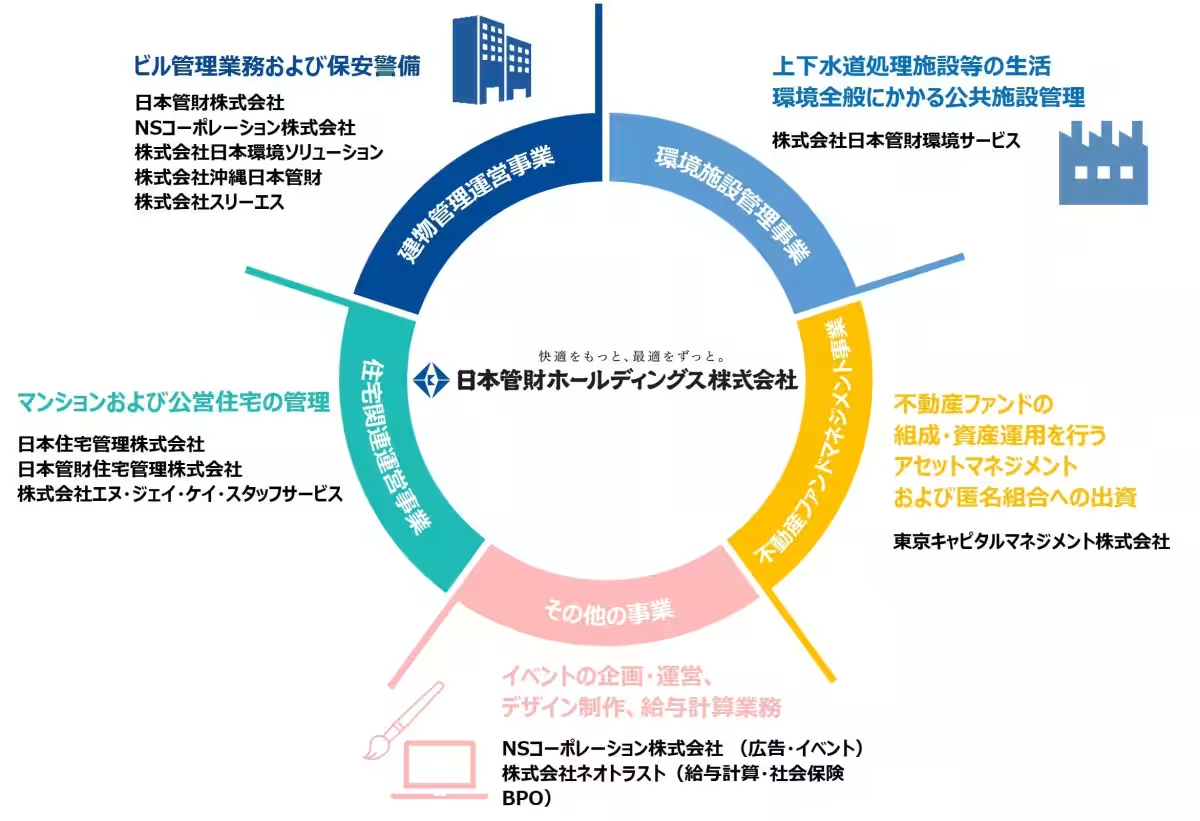
Founded in 1965, Japan Kanzai Group is a leading player in building management and operation, environmental facility management, and real estate fund management across both domestic and international markets. As an independent entity, it operates extensively in various sectors, including office buildings, commercial facilities, hotels, educational institutions, and public facilities. In 2023, Japan Kanzai Holdings Co., Ltd. was established as a holding company, dedicated to managing the group's diverse interests.
For more information, visit: Japan Kanzai Holdings
Topics Business Technology)
【About Using Articles】
You can freely use the title and article content by linking to the page where the article is posted.
※ Images cannot be used.
【About Links】
Links are free to use.