



The Rise of International Guests: Challenges and Opportunities for the Hotel Industry
The Rise of International Guests and Challenges for the Hotel Industry
Recent studies reveal a significant increase in international guests at hotels, especially following the pandemic's impact on travel. LIVE Corporation conducted a survey among hotel employees to explore the consequences of inbound tourism, illustrating how it shapes daily operations and customer interactions.
Project Overview
LIVE Corporation, headquartered in Nagoya, Aichi, carried out a comprehensive study from June 11 to 12, 2025, targeting hotel staff to understand the impact of inbound tourism. This study involved over 1,028 respondents who work in the hotel industry, and it aimed to shed light on the various challenges they face while catering to foreign visitors.
The Surge in Foreign Guests
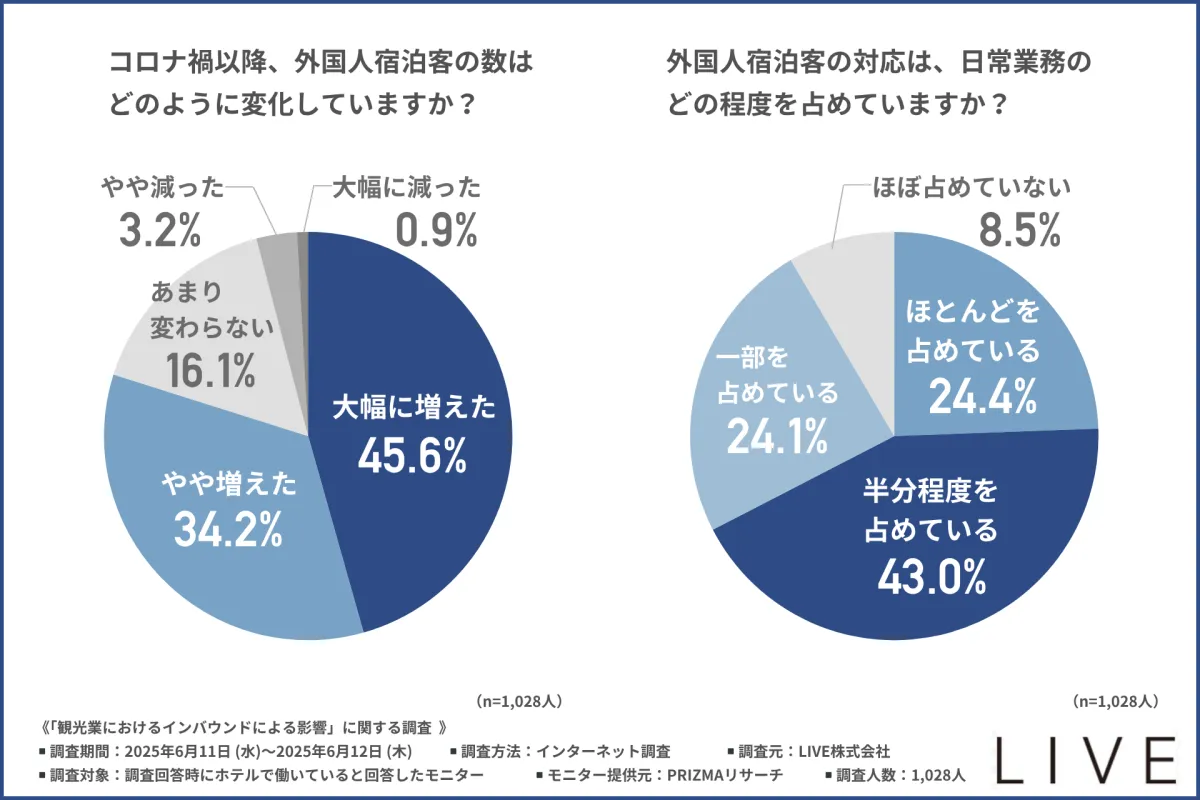
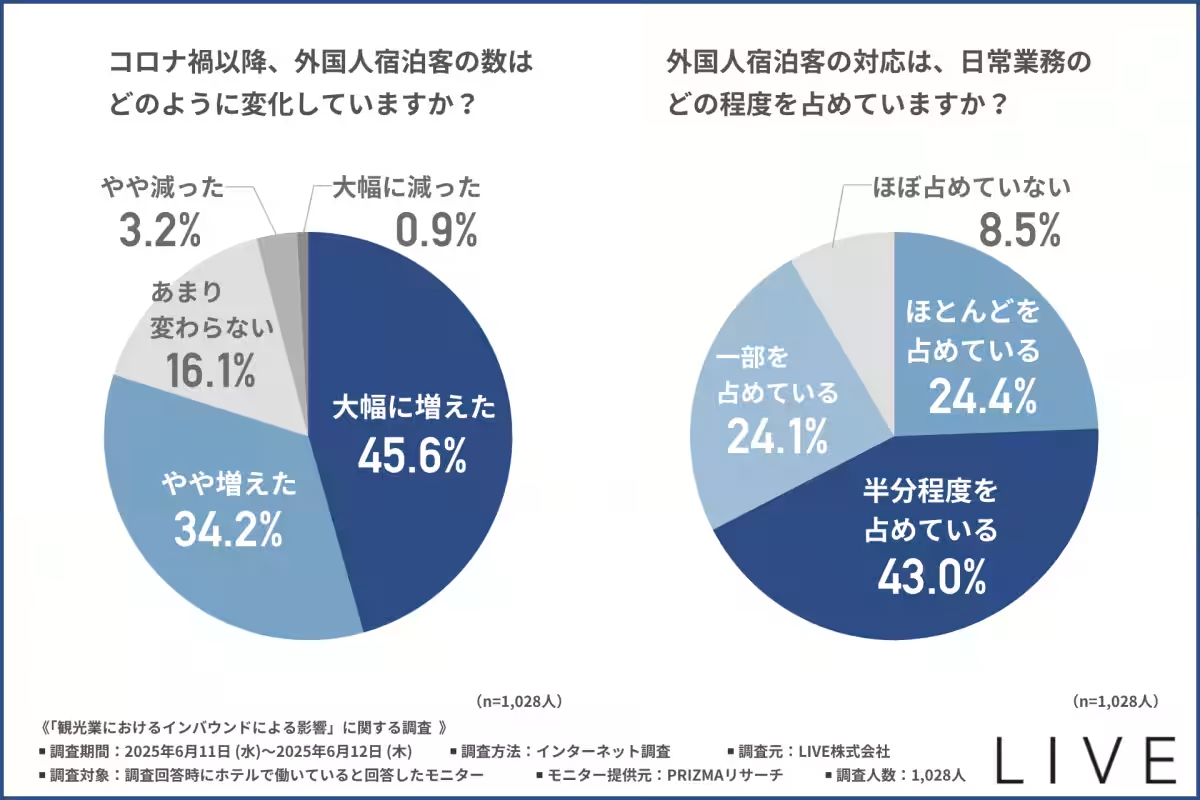
The survey results indicate a swift recovery in inbound tourism, with nearly 80% of respondents reporting a notable increase in foreign guests since the pandemic. Approximately half of them acknowledged that the number of international visitors has substantially escalated.
When participants were asked how much of their daily work revolves around foreign guests, about 67% declared it to be a significant part of their responsibilities, indicating that interactions with international travelers are now a staple of hotel operations.
Challenges Encountered
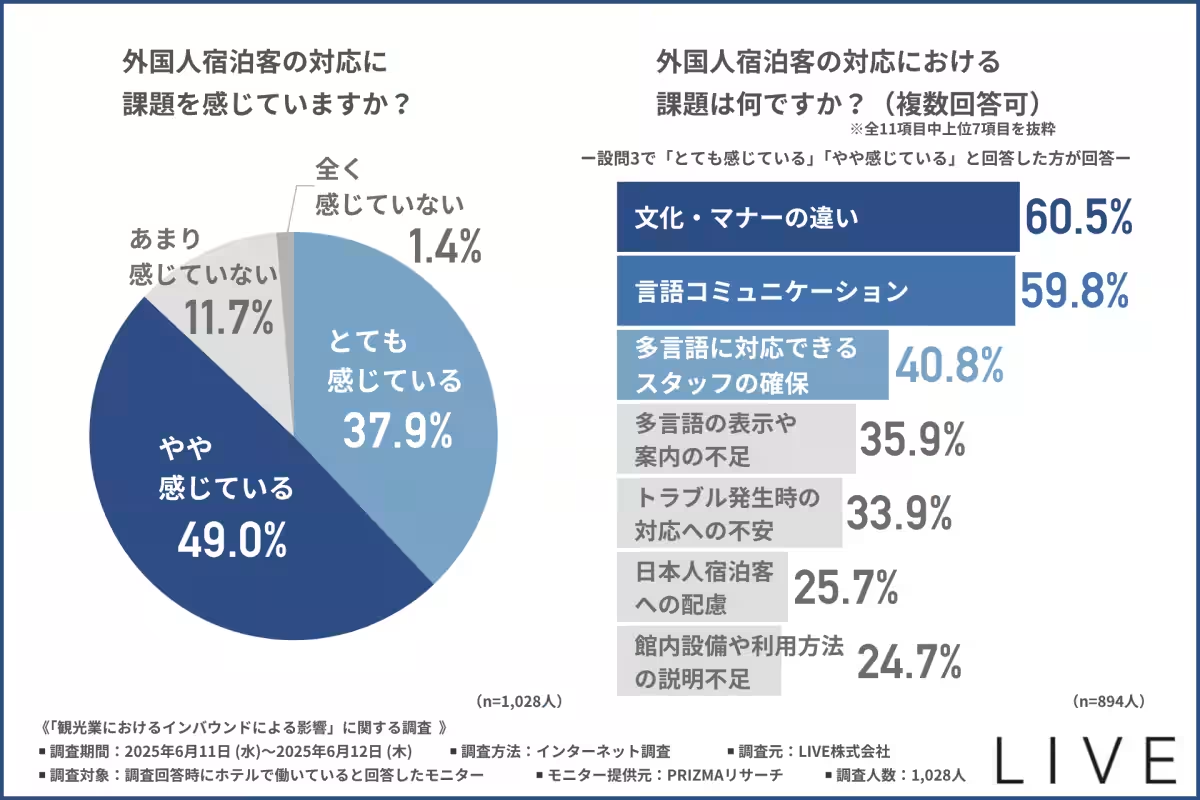
Despite the promising influx of international guests, over 80% of hotel workers expressed concerns regarding their capacity to handle these visitors effectively. The major challenges highlighted include:
1. Cultural and etiquette differences (60.5%)
2. Language barriers (59.8%)
3. Shortage of multilingual staff (40.8%)
These challenges emphasize not only the importance of language proficiency but also the necessity for cultural understanding and sensitivity within the hospitality sector. The survey showed a clear demand for comprehensive training and resources to bridge these gaps.
Staffing Solutions: A Strong Preference
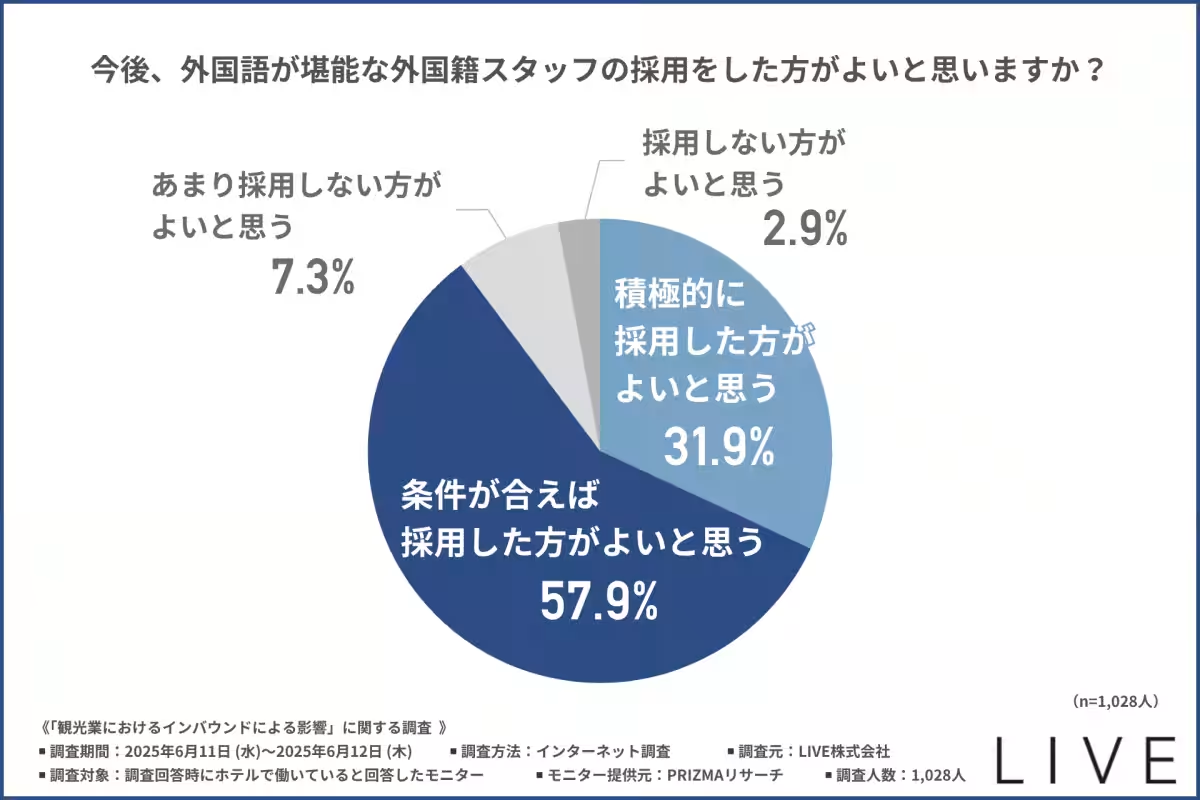
Interestingly, when asked about the recruitment of foreign staff proficient in multiple languages, approximately 90% of respondents were supportive of actively hiring bilingual employees. This response underscores the industry's recognition of the need for diverse and capable staff who can meet the demands of a globalized customer base.
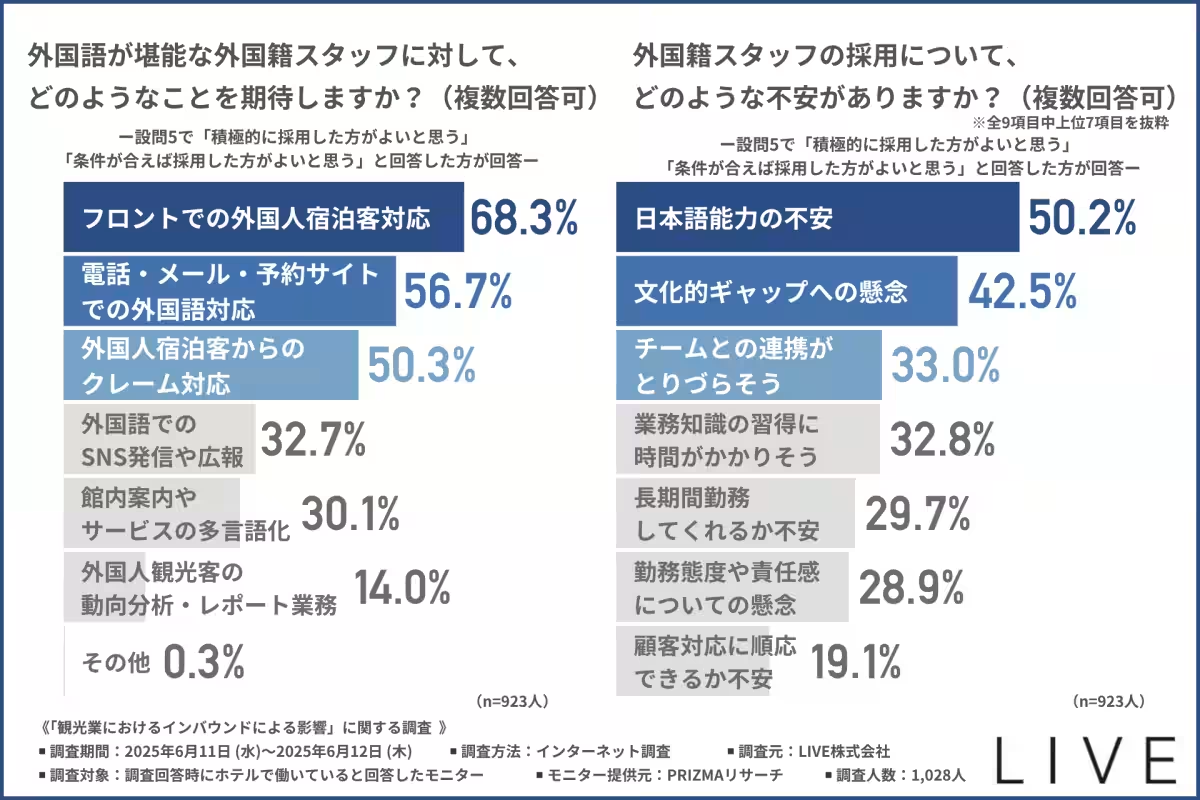
Hotel staff identified key roles for these bilingual personnel, focusing primarily on positions involving direct guest interaction like front desk duties and managing reservations. Their involvement would not only streamline guest experiences but also directly improve customer satisfaction.
Addressing Concerns About Bilingual Staff
Despite the enthusiasm for hiring multilingual employees, several apprehensions exist. Half of the respondents expressed concerns regarding the Japanese language proficiency of potential hires, highlighting the challenge of ensuring effective communication. Additionally, worries about cultural differences and team dynamics were also prevalent, indicating a need for comprehensive onboarding processes for international staff.
Implementation of Multilingual Solutions
Currently, many hotels are adopting immediate solutions to enhance multilingual support. Some of the most popular strategies include:
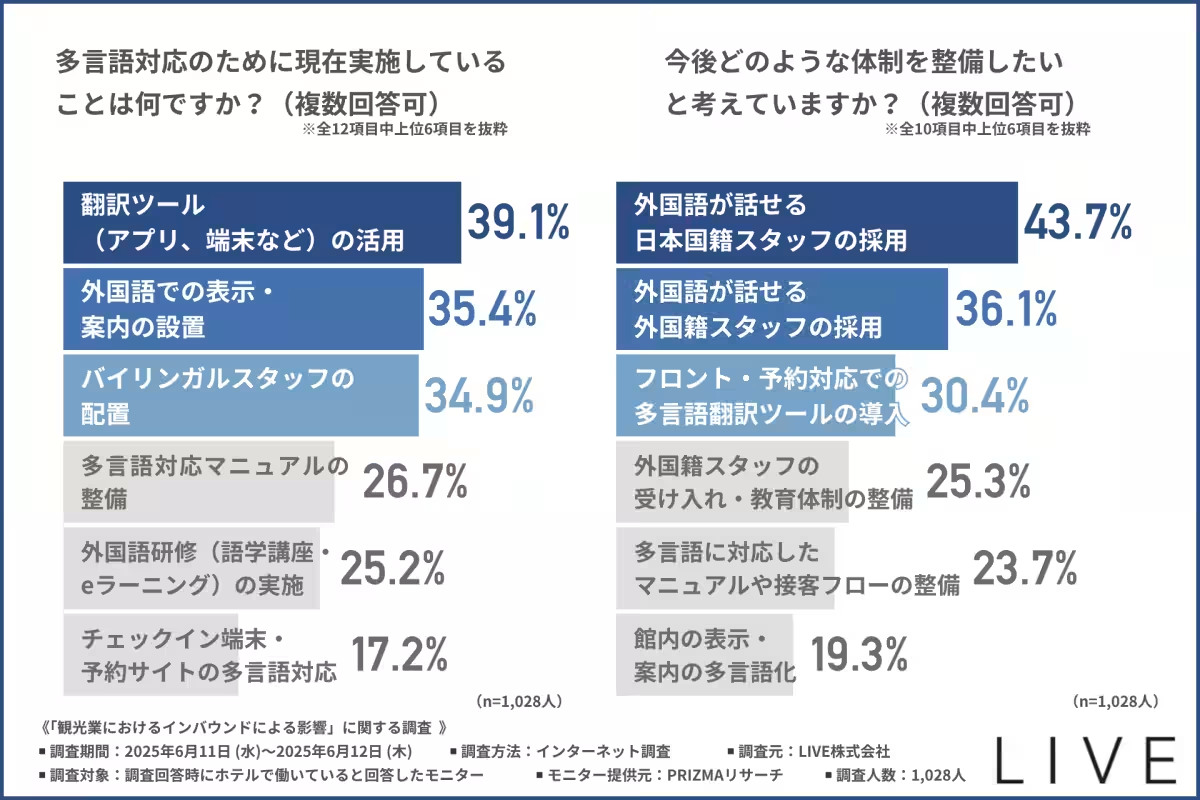
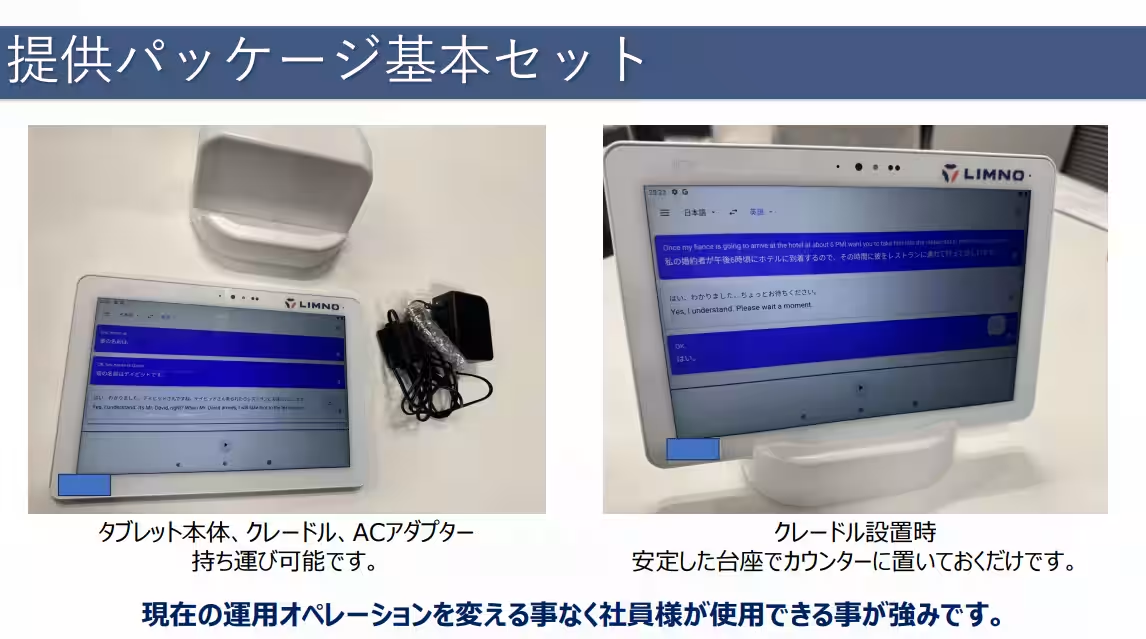
- - Utilizing translation tools and applications (39.1%)
- - Installing multilingual signage and informational displays (35.4%)
- - Hiring bilingual staff (34.9%)
These solutions reflect a growing recognition of the importance of effective communication with international guests. However, the number of hotels effectively using these tools remains below 40%, suggesting a need for further growth in this area.
Future Strategies for Multilingual Operations
Looking ahead, hotel operators indicated a strong interest in improving their staffing and resources for multilingual support. Notably:
- - 43.7% of respondents expressed a desire to hire Japanese staff who are fluent in foreign languages.
- - 36.1% showed interest in recruiting foreign staff who can communicate in Japanese and other languages.
This strategic emphasis on dual-language employees suggests that hotels are orienting their workforce toward enhancing overall guest experiences.
External Support Services
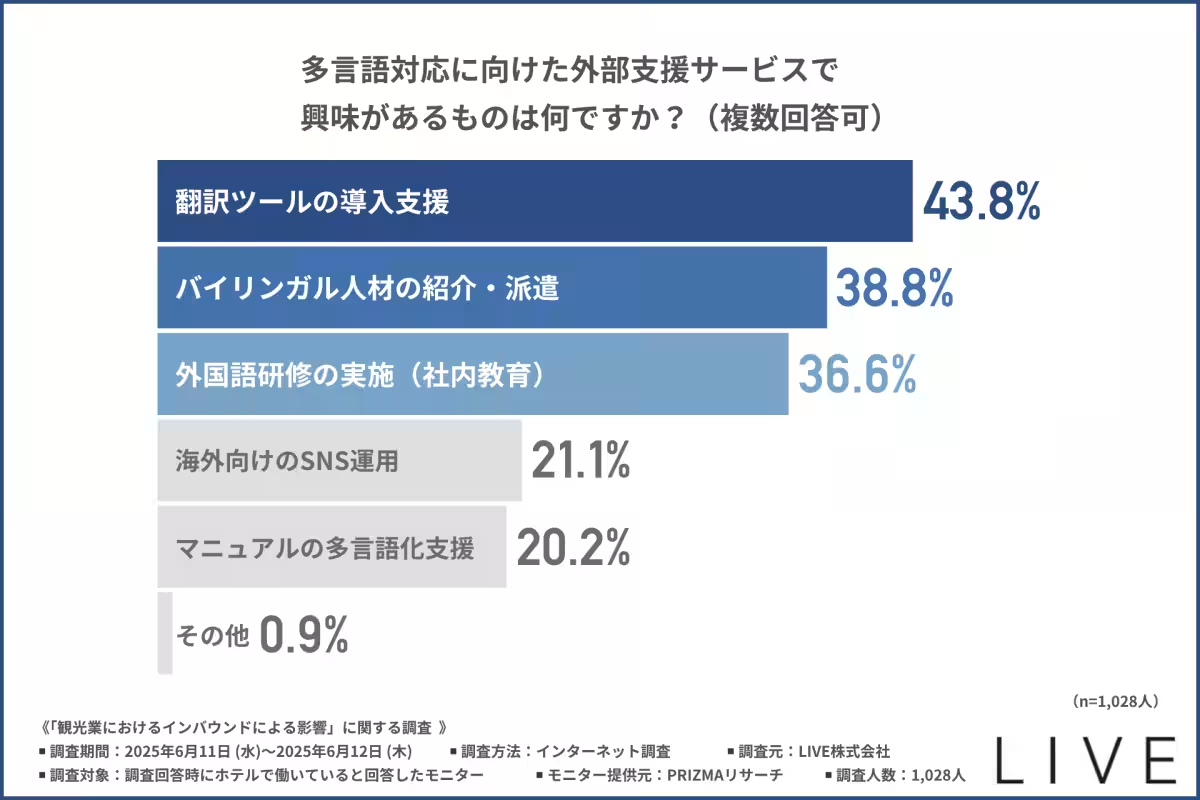
The interest in external support services is also rising, with respondents showing a preference for:
- - Assistance with translation tool implementation (43.8%)
- - Bilingual staff recruitment services (38.8%)
- - Conducting foreign language training (36.6%)
These insights suggest that hotel management is not solely focused on immediate fixes but is also considering long-term strategies for enhancing staff capabilities and improving service quality to meet the needs of a diverse clientele.
Conclusion: Bridging the Gap Between Cultures
The findings from this survey underscore a critical juncture for the hotel industry as it adapts to the increasing presence of international tourists. With the expectation that foreign guests will continue to rise, the need for effective communication and cultural competency in hotels is more pressing than ever. The prospective hiring of multilingual staff, alongside strategic training programs, will be essential to meet this demand. By cultivating a workforce equipped to engage with diverse guests and employing effective multilingual solutions, the hotel industry can enhance the experiences of international visitors while ensuring the sustainability of their operations.
In conclusion, the future of the hotel industry relies heavily on its ability to adapt to and embrace the challenges and opportunities presented by global tourism. LIVE Corporation stands at the forefront, committed to facilitating these transformations and enhancing the overall guest experience.




Topics Travel)

【About Using Articles】
You can freely use the title and article content by linking to the page where the article is posted.
※ Images cannot be used.
【About Links】
Links are free to use.