



The Current State and Challenges of Generative AI Adoption in Large Enterprises
Understanding the Adoption of Generative AI in Large Enterprises
Generative AI has seen rapid uptake in many industries, but a recent survey conducted by TechTouch Inc. sheds light on how effectively this technology is integrated into large corporate workflows. The survey targeted 319 professionals responsible for the promotion and utilization of generative AI in companies with more than 1,000 employees. The results reveal critical insights regarding the operational practices and challenges faced by these enterprises.
Key Findings from the Survey
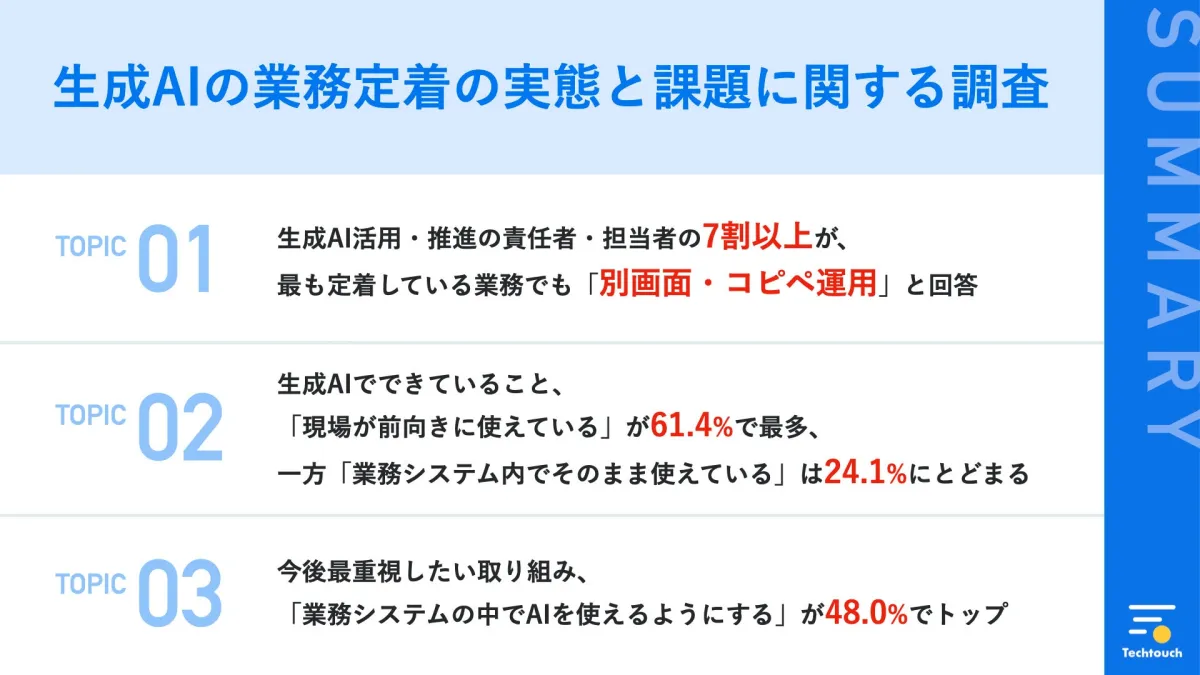
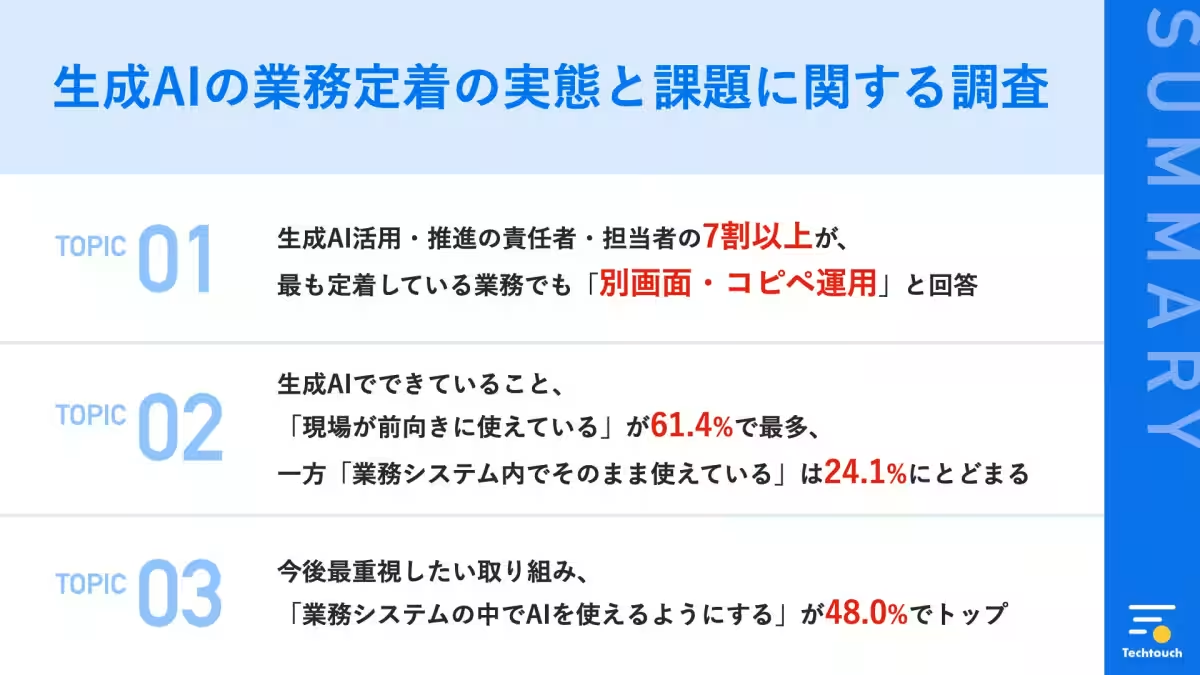
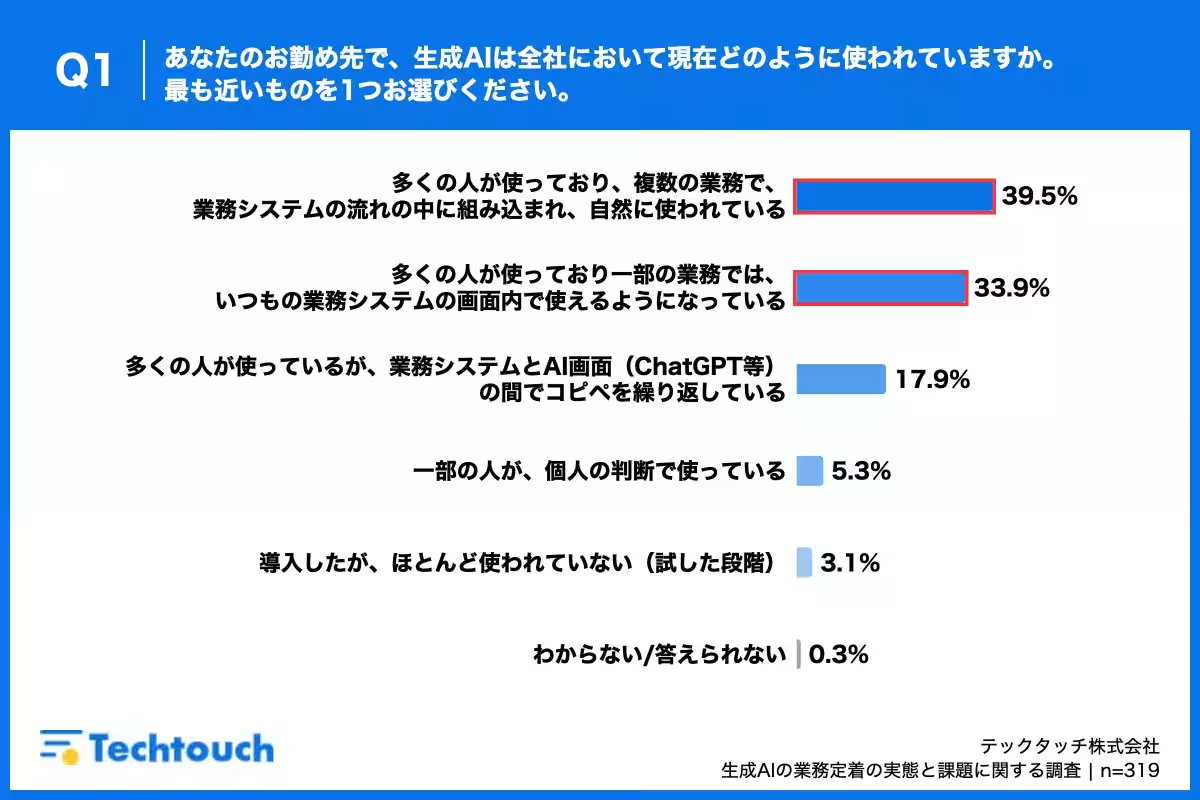
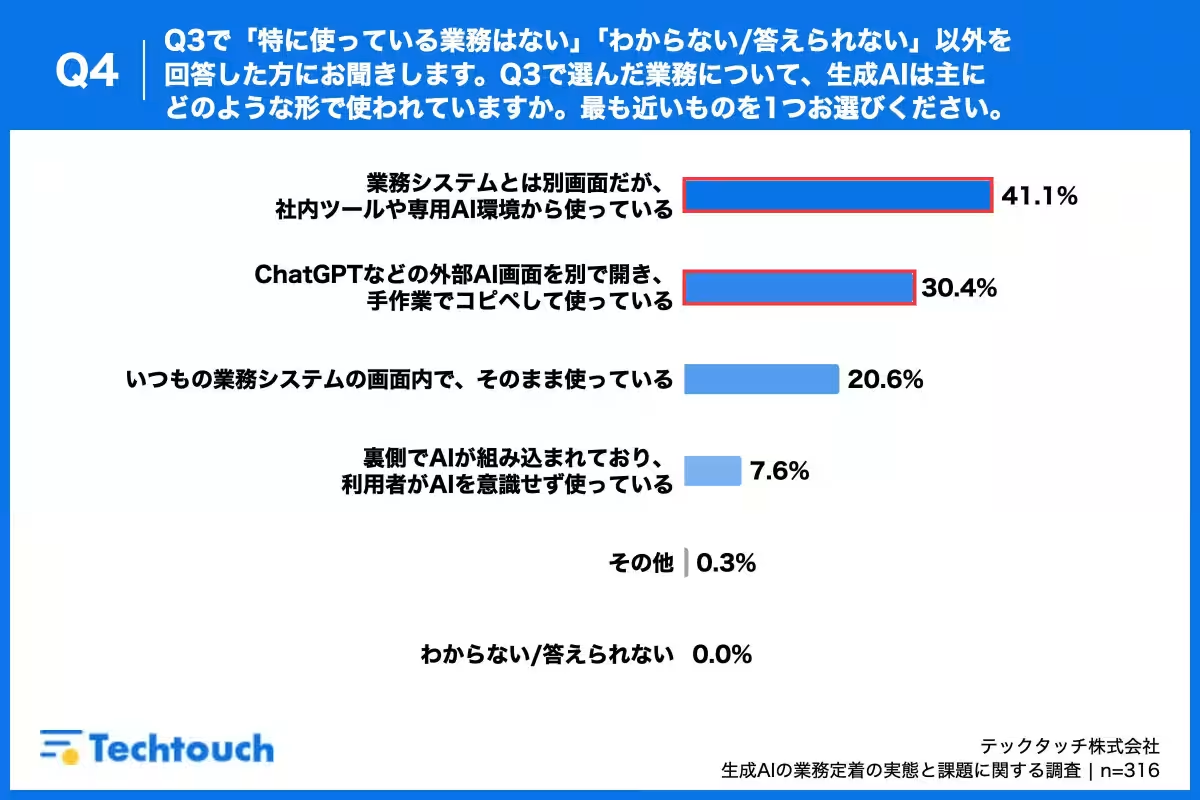
1. Separate Screen and Copy-Paste Operations: The survey unveiled that, despite the promising integration of generative AI into business processes, over 71.5% of organizations still utilize AI on separate screens, often resorting to manual copy-pasting. Only a mere 20.6% leverage AI within their standard operational interfaces, indicating a significant divide between AI utilization and full systemic integration.
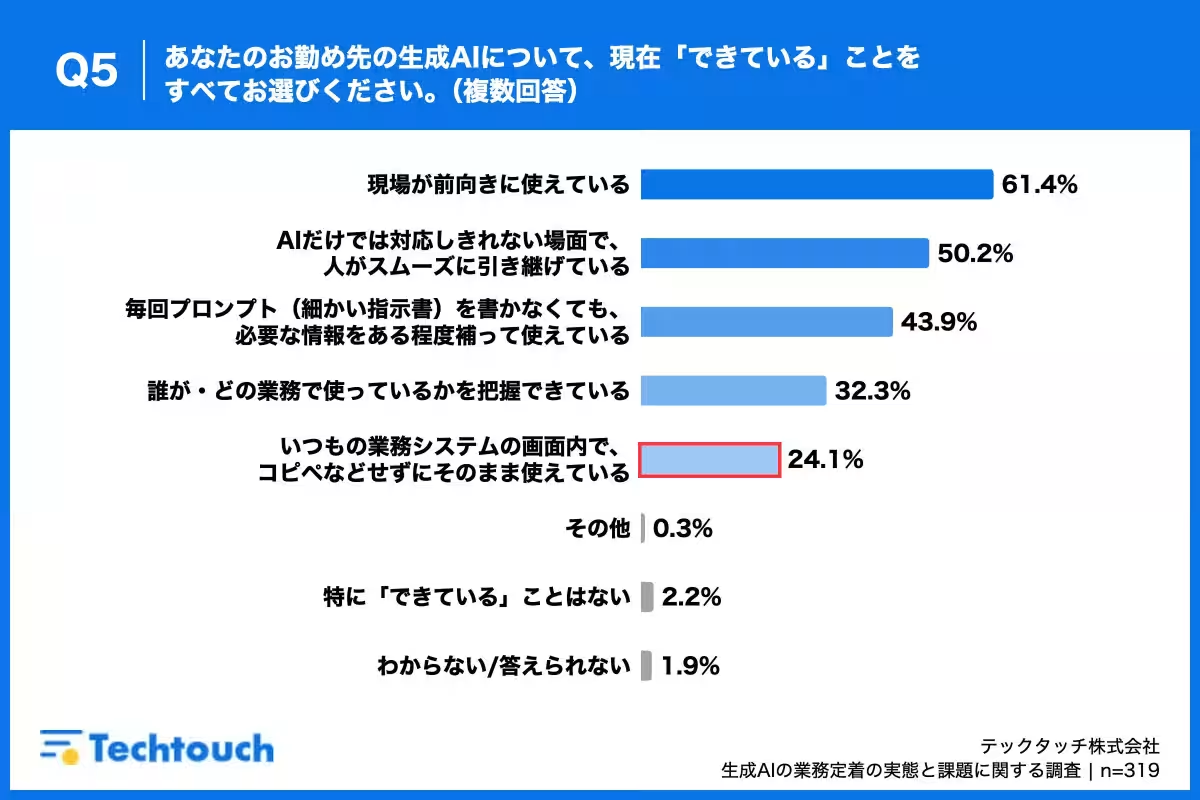
2. Positive Outlook on AI Capabilities: Over 61.4% of respondents expressed that their teams are positively inclined towards using generative AI in their operations. However, only 24.1% reported that the AI is effectively embedded in standard work processes. This highlights the gap between the optimistic outlook and practical application within existing systems.
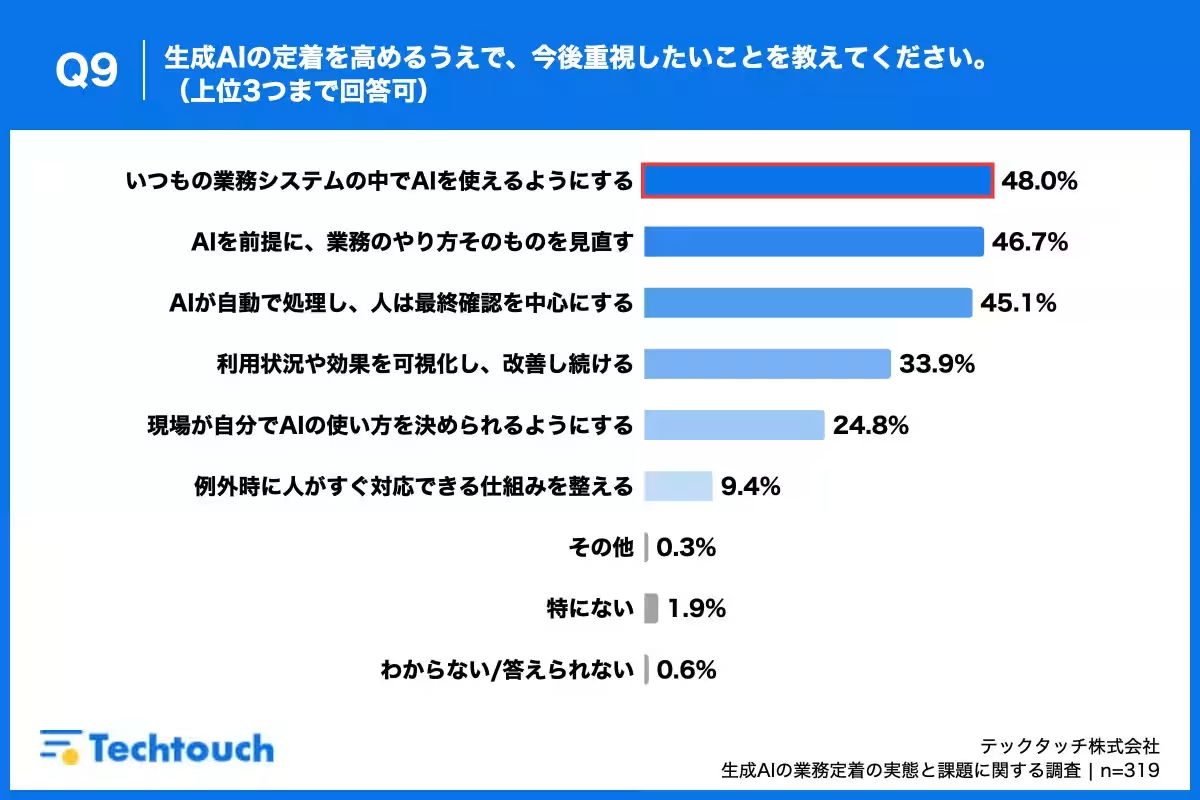
3. Focus on System Integration: Respondents identified a clear priority for future initiatives: 48% of them stated that enabling AI usage within existing operational platforms should be a key focus going forward. This sentiment reflects a recognition that enhancing AI usage means fundamentally altering the methods of everyday business operations.
Current Utilization of Generative AI
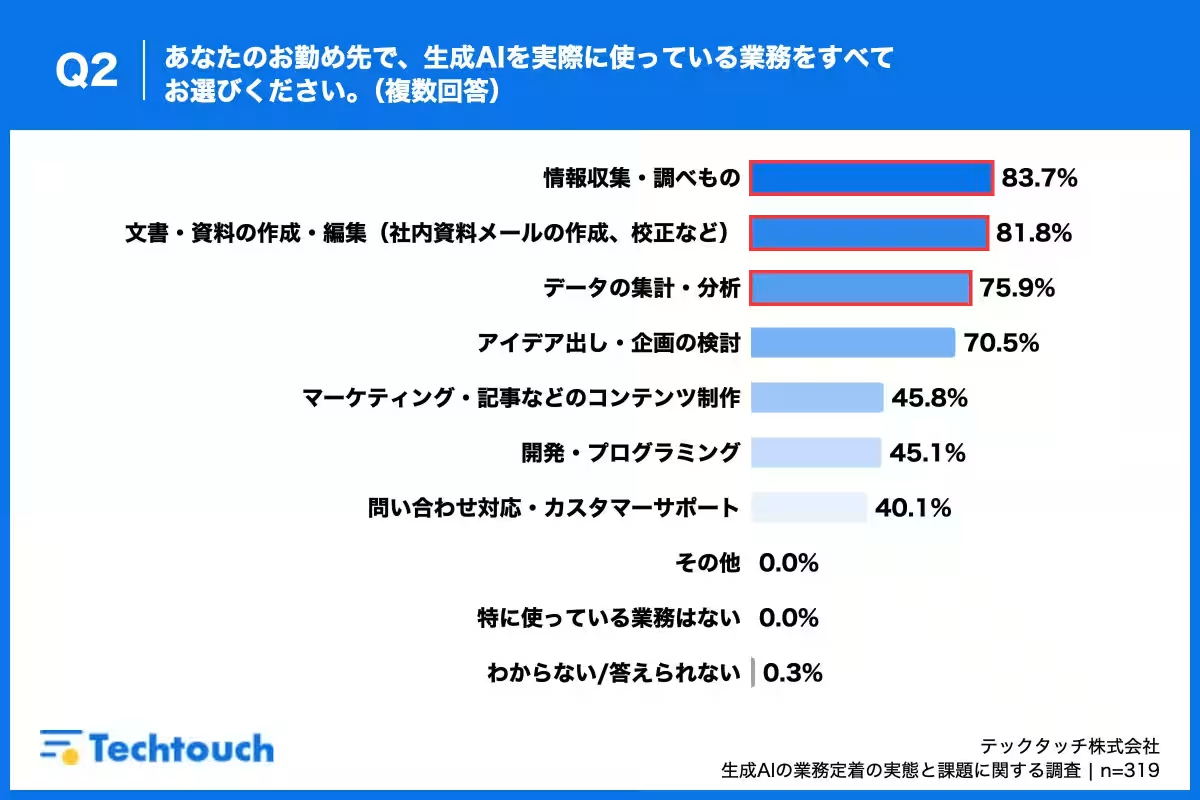
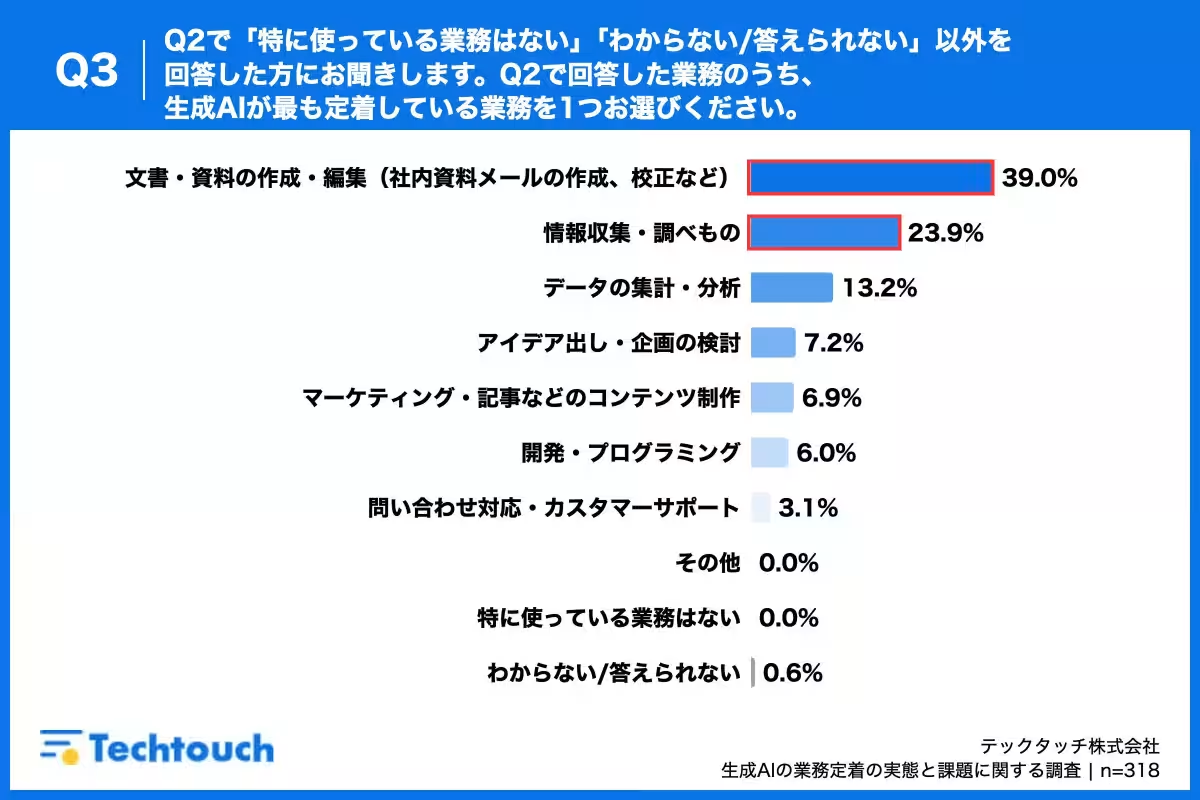
Generative AI is primarily utilized for tasks such as information gathering (83.7%), document creation (81.8%), and data analysis (75.9%). When asked about the tasks where generative AI is most firmly integrated, document creation and information gathering were cited as leading usage areas, collectively accounting for over 60% of responses. This shows a preference for tasks that are less complex and can be completed through direct interaction with AI tools.
Challenges in Implementation
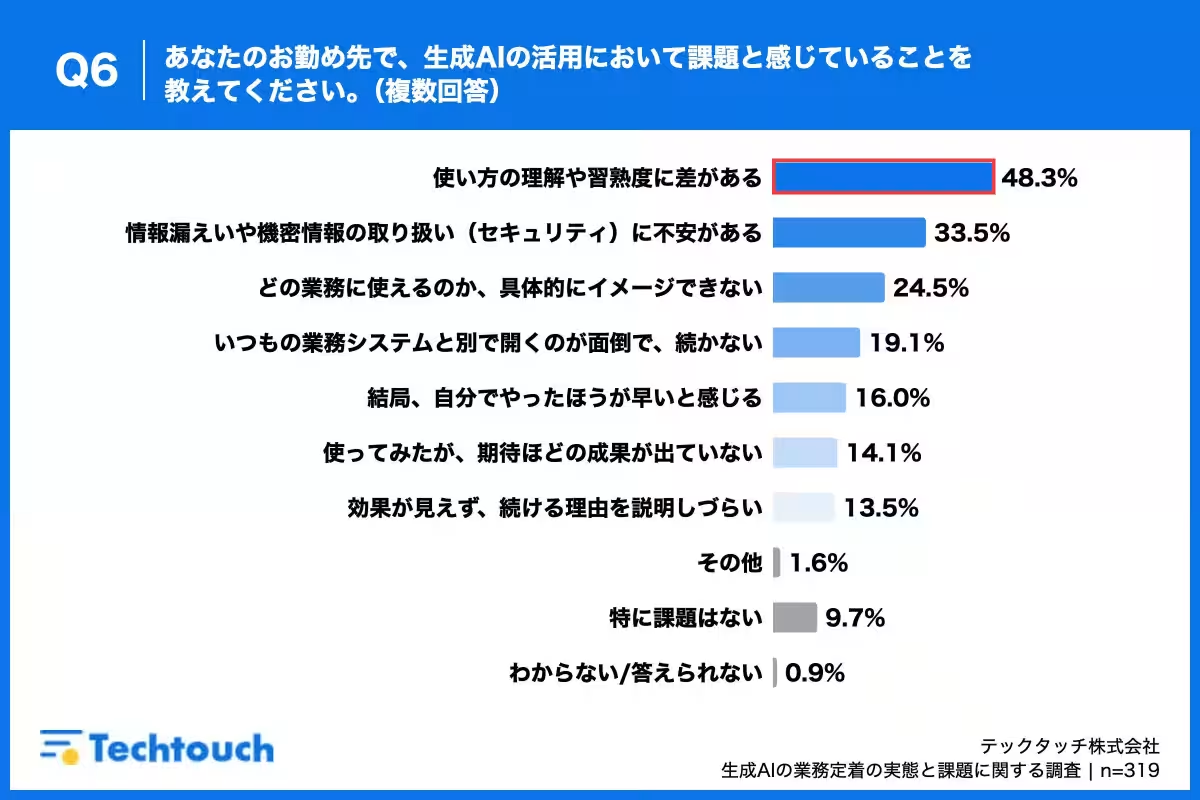
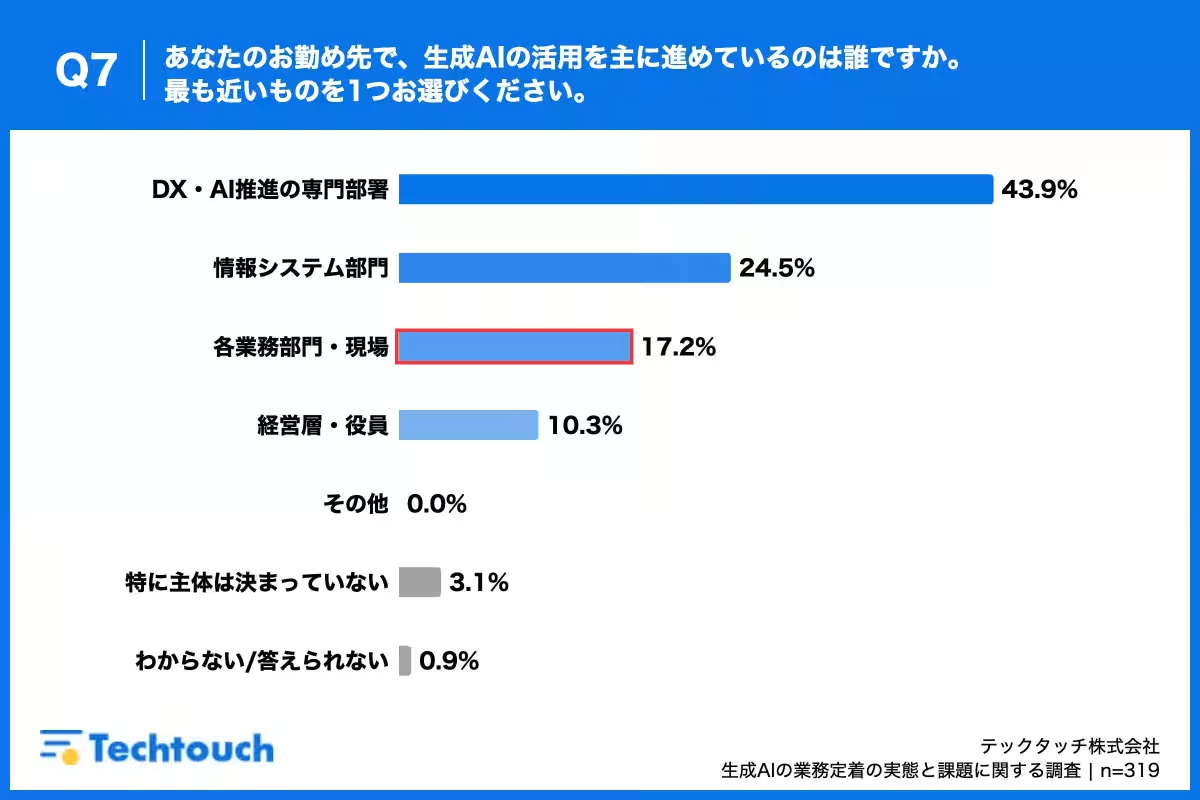
Despite the increasing usage of generative AI, significant challenges remain. The most notable barrier is the ‘lack of understanding or proficiency’ regarding AI application, as reported by 48.3% of respondents. This has resulted in a dependency on an ‘external AI environment’ for many, leading to inconsistent engagement levels among employees. Furthermore, responsibility for promoting AI adoption is concentrated mainly within specialized departments focused on digital transformation, rather than being distributed across various operational areas.
Moving Forward: Integration is Key
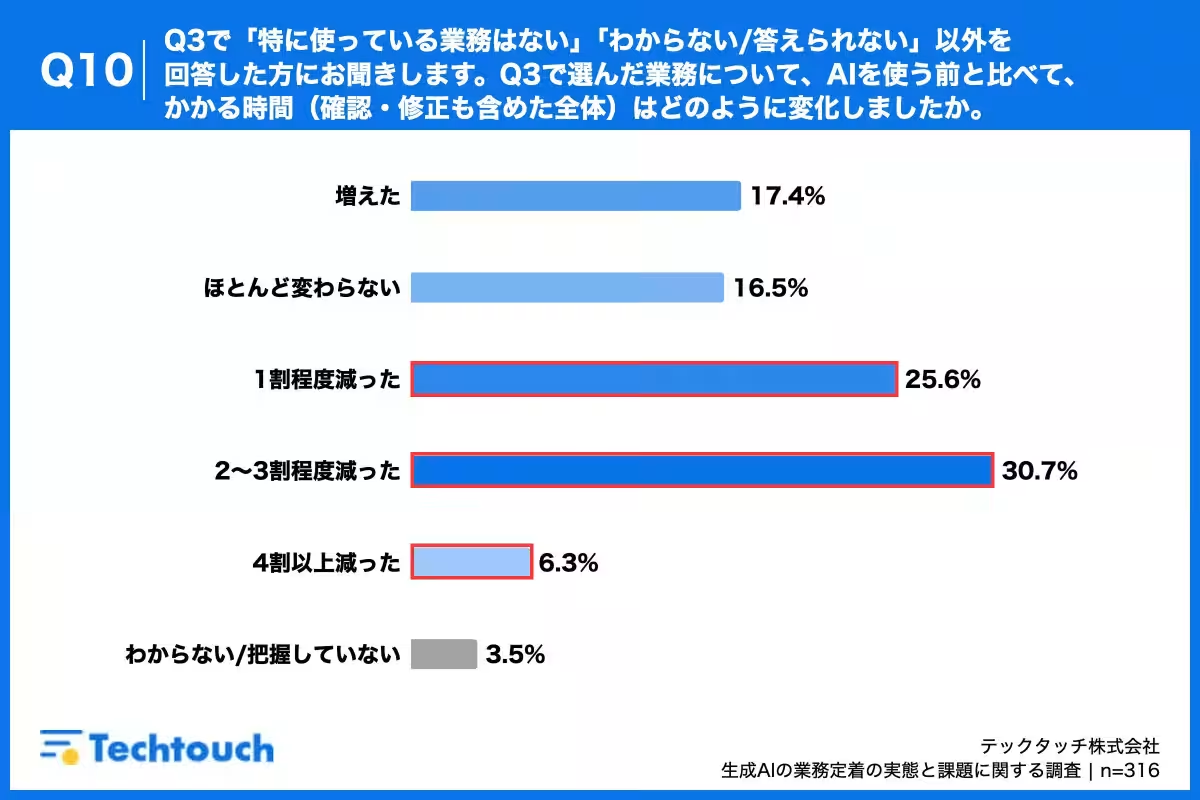
Looking ahead, it is clear that the next step for many organizations is not just to adopt AI, but to integrate it successfully into their daily operations. This shift from added tool to embedded system is essential for maximizing efficiency and achieving tangible results. The survey revealed that 62.6% of participants noted that their time expenditure has decreased due to generative AI, which emphasizes the potential benefits of such integration.
As organizations strive to harness AI's full potential, the emphasis will need to be placed on making its application seamless within existing systems. By revising operational procedures to incorporate AI from the ground up, companies can enhance not just productivity but also employee satisfaction and innovation in their workflows.
Conclusion
In summary, while the adoption of generative AI continues to grow within large enterprises, the survey illustrates that significant work remains to ensure this technology is transformed from a tool used in isolation into an integral part of everyday business processes. For successful integration, organizations will need both a strategic vision and a pragmatic approach, ensuring that generative AI becomes a natural component of their operational fabric rather than an afterthought.
For those interested, a detailed report of the findings can be accessed at TechTouch Survey Results.

Topics Business Technology)
【About Using Articles】
You can freely use the title and article content by linking to the page where the article is posted.
※ Images cannot be used.
【About Links】
Links are free to use.