




JAL Group Reports Impressive Results during 2026 Obon Travel Period
JAL Group's Travel Performance During 2026 Obon Period
On August 17, 2026, the JAL Group announced the travel performance statistics for the Obon period from August 7 to August 16, 2026. Despite facing challenges such as severe weather conditions, the group reported significant occupancy rates, showcasing the resilience and demand for air travel.
Domestic Flight Performance
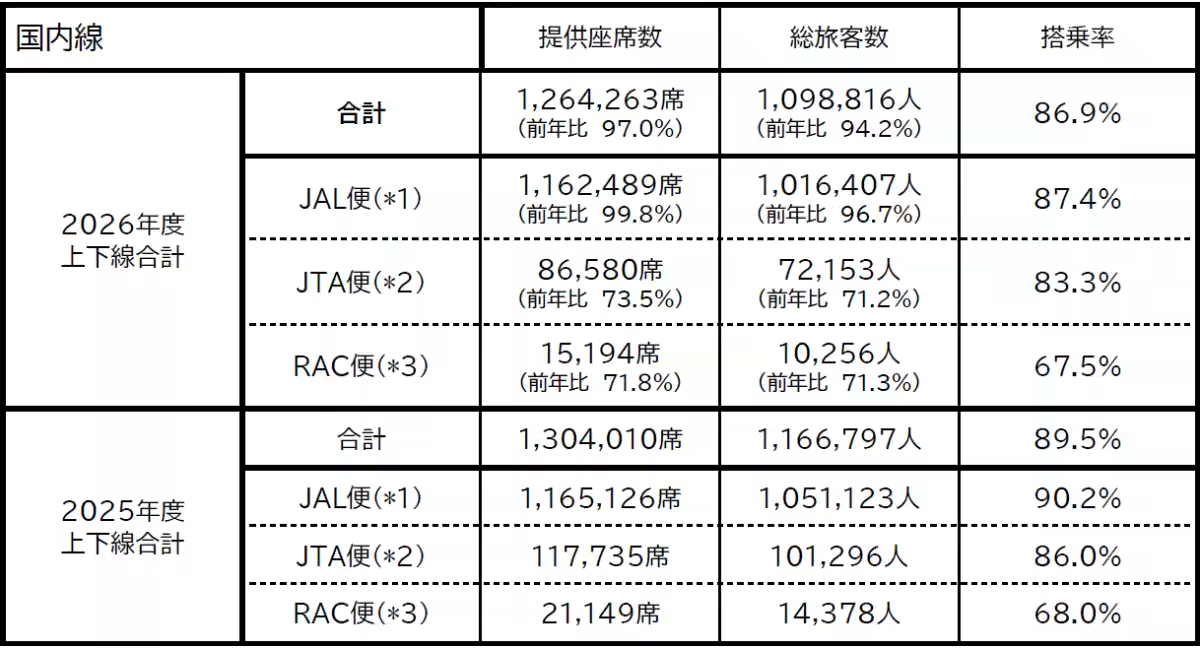
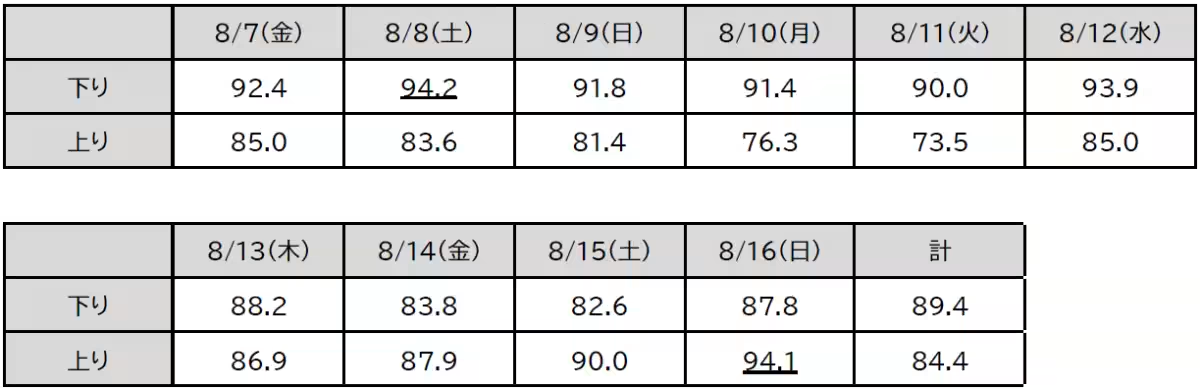
During the domestic flight operations, which included airlines like Japan Airlines (JAL), J-AIR, JAC, HAC, JTA, and RAC, the total occupancy rate reached an impressive 86.9%. The downward peak in travel occurred on August 8, while the upward peak was on August 16.
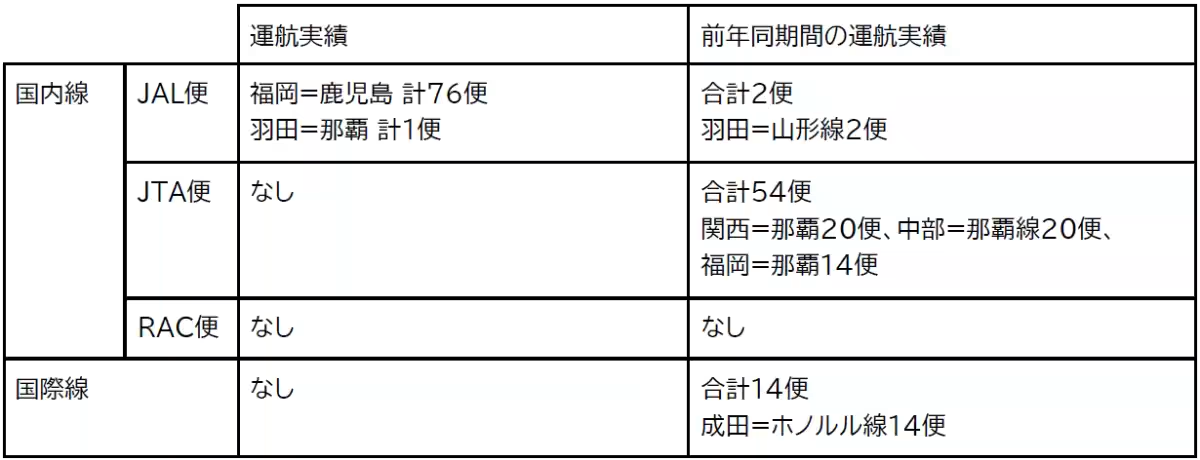
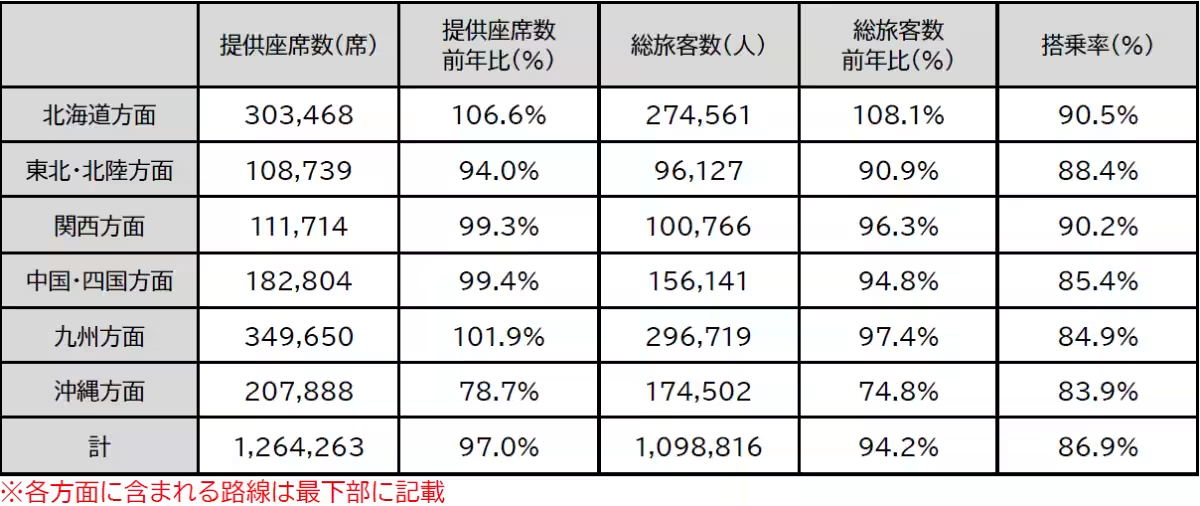
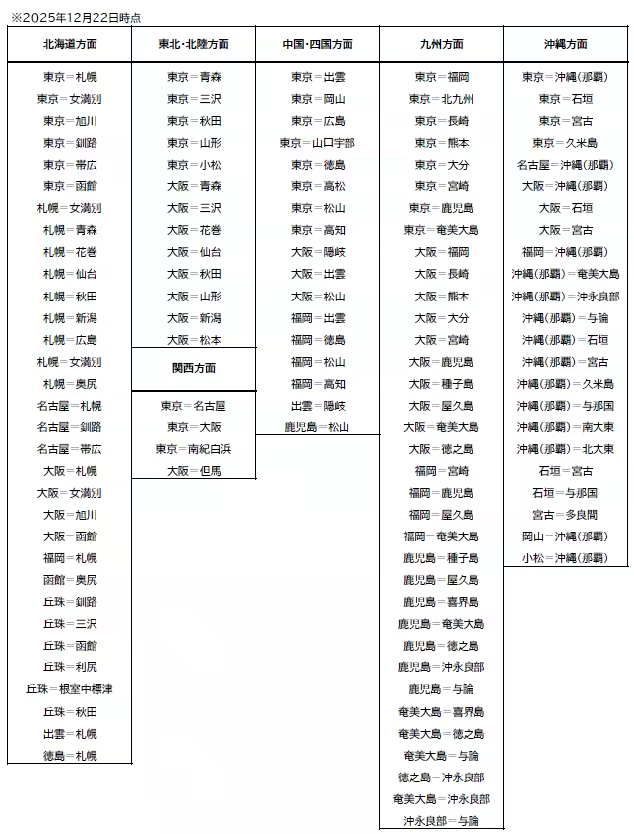
Notably, the cancellation of about 470 flights mainly affected routes to the Okinawa region due to typhoon impacts. However, the overall demand remained strong, particularly for routes to Hokkaido, which showed a remarkable increase in passenger numbers, climbing to 108.1% compared to last year's figures. Both Hokkaido and Kansai regions had occupancy rates exceeding 90%.
In response to the Kumamoto Earthquake, JAL has also set up 76 temporary flights on the Fukuoka-Kagoshima route to ensure the availability of transport within the affected Kyushu region.
International Flight Performance
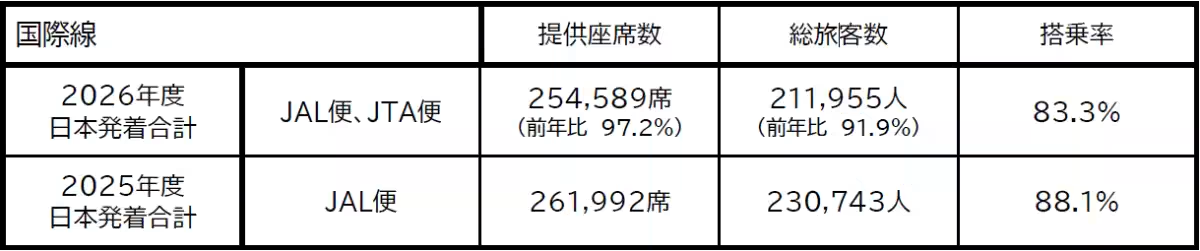
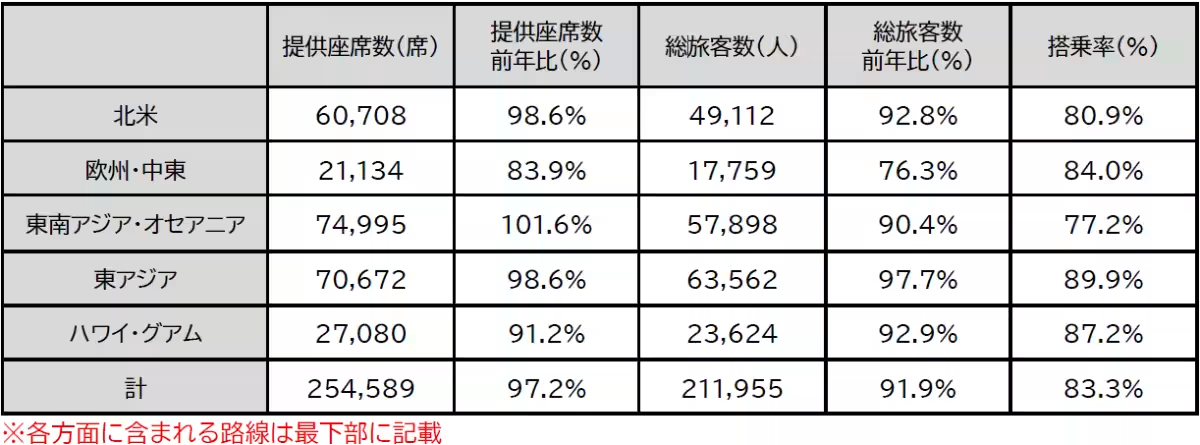
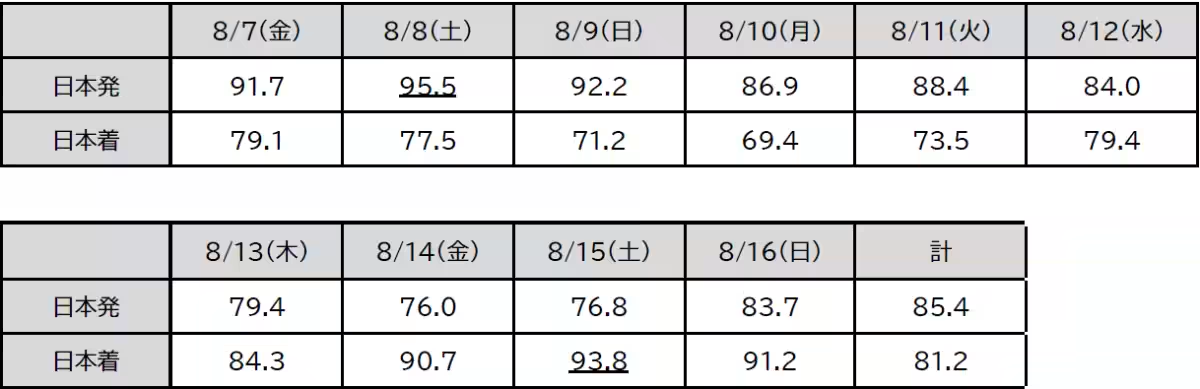
Regarding international flights operated by JAL and JTA, the occupancy rate during this Obon period was recorded at 83.3%. Unfortunately, the typhoon forced the cancellation of 22 flights, primarily impacting routes to East Asia. The peak for departures from Japan was on August 8, while arrivals peaking on August 15 indicated a busy travel schedule as many returned home after the holidays.
Although the passenger counts for international destinations were generally lower than the previous year, routes to Hawaii and Guam saw slight increases, yielding occupancy rates that were 1.5 points above last year's numbers.
Summary of Performance
As the JAL Group continues to navigate the challenges presented by natural disasters and unpredictable weather patterns, the travel statistics prove the sustained demand for air travel during significant holiday periods like Obon. Both domestic and international flights faced operational strains but still managed to secure high occupancy rates, reflecting travelers' confidence in the aviation sector.
For detailed insights and breakdowns of the flight performance, the attached documents provide a comprehensive view of the JAL Group's operational results.
In conclusion, the JAL Group's performance during the 2026 Obon period highlights resilience and adaptability, setting a positive tone for future travel endeavors as the industry seeks to recover and grow in the coming years.


Topics Travel)

【About Using Articles】
You can freely use the title and article content by linking to the page where the article is posted.
※ Images cannot be used.
【About Links】
Links are free to use.