



Changing the Image of Correspondence High Schools: Insights from New Research
Changing Perspectives on Correspondence High Schools
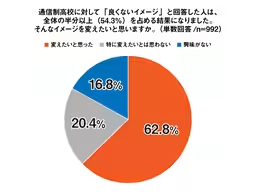
A groundbreaking study conducted by Premaceed, an educational company dedicated to changing the perceptions of correspondence high schools, brings to light the thoughts of students engaged in this unique educational system. Between May 21 and June 18, 2025, the company surveyed nearly 1000 individuals, including 958 current students and 34 graduates, regarding their experiences and overall sentiments about correspondence high schools. The responses unveil a significant desire for cultural shifts surrounding these institutions, particularly since a considerable 62.8% of students and graduates indicated a wish to alter the existing negative image associated with correspondence high schools.
Key Findings from the Survey
Conducted through an online survey, the results of this inquiry provide a comprehensive look at students' backgrounds, challenges, and hopes. Here are some of the survey highlights:
- - Desire for Image Change: A resounding 62.8% expressed an eagerness to change how correspondence high schools are viewed. Many students feel that their schools offer beneficial alternatives to traditional education, yet the prevailing stigma remains.
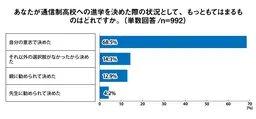
- - Personal Agency in Choice: Many students, approximately 68.5%, clarified that their decision to enroll was born from personal choice rather than external pressures, indicating a growing recognition of the value of self-determination in education.
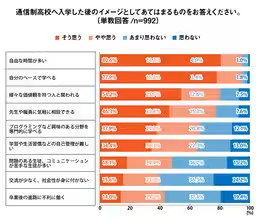
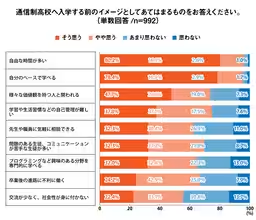
- - Changing Concerns: Initially, students carried a range of anxieties about their new educational pathway, but these apprehensions shifted post-enrollment to a greater understanding of the supportive nature of their environments. For instance, they noted how easily they could communicate with instructors and how the flexible learning structure catered to their individual needs.
Root Causes for Enrollment
When diving into the reasons behind enrollment, the survey identified a variety of factors:
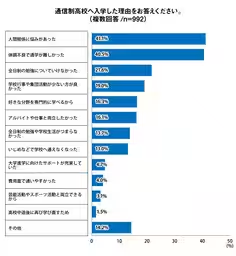
- - Social Anxiety and Health Issues: 41.1% of respondents noted struggles with social relationships as a major impetus for their decision to join a correspondence school, followed closely by health concerns impacting regular attendance (40.5%).
- - Desire for a Different Learning Environment: 19.0% of students preferred a setting with fewer mandatory group activities, suggesting a marked inclination for a personalized educational approach.
Experiences Prior to Enrollment
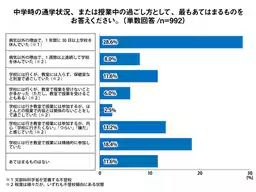
A considerable number of respondents indicated challenging experiences leading up to their decision to join correspondence high schools. Approximately 28.6% reported having missed 30 or more school days due to non-illness related issues during their middle school years. The data reveals that about 88.4% of current students faced difficulties attending traditional schools, whether due to anxiety, health, or academic struggles.
Challenging Societal Perceptions
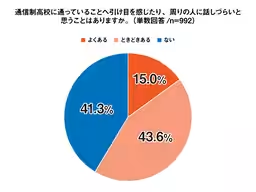
Despite the positive sentiments towards the curriculum and structure of correspondence high schools, over half (58.7%) of respondents admitted to feeling discomfort discussing their educational choices with others. This highlights an important barrier that students face as they navigate a world where traditional schooling is often viewed as the only acceptable pathway.
Looking Ahead
The data uncovered by Premaceed illuminates a stark need for cultural reform surrounding correspondence high schools. Voices from the field indicate that students wish to break free from stigmas that diminish the value of their education. It is evident that, while students appreciate the advantages such as flexibility and individualized learning, they simultaneously carry a burden of societal judgment.
The founder of Premaceed, Akihito Iwata, acknowledges the disparity in perspectives between different generations surrounding correspondence high school education. The research has presented an opportunity to address these perceptions and proactively share positive narratives about the benefits of correspondence schools. The firm is committed to disseminating information accurately representing the realities and advantages of this educational route.
Overall, as students express their desire to redefine the narrative around correspondence high schools, it is apparent that an emphasis on open conversations and targeted communication strategies can aid in fostering a more positive image. This effort can potentially transform how future generations perceive and engage with alternative educational pathways, validating diverse learning experiences and fostering inclusion within the educational landscape.
Topics Other)
【About Using Articles】
You can freely use the title and article content by linking to the page where the article is posted.
※ Images cannot be used.
【About Links】
Links are free to use.