



Examining the Realities of PR Activities in the Age of LLMO: Insights from Communications Professionals
Introduction
The landscape of public relations (PR) is rapidly evolving, particularly with the advent of Large Language Models (LLMO). A recent survey conducted by IDEATECH focuses on PR professionals working in companies with over 300 employees and who have never engaged in research PR. The findings unveil significant insights into the challenges and aspirations of these professionals in adapting to the LLMO era.
Key Findings
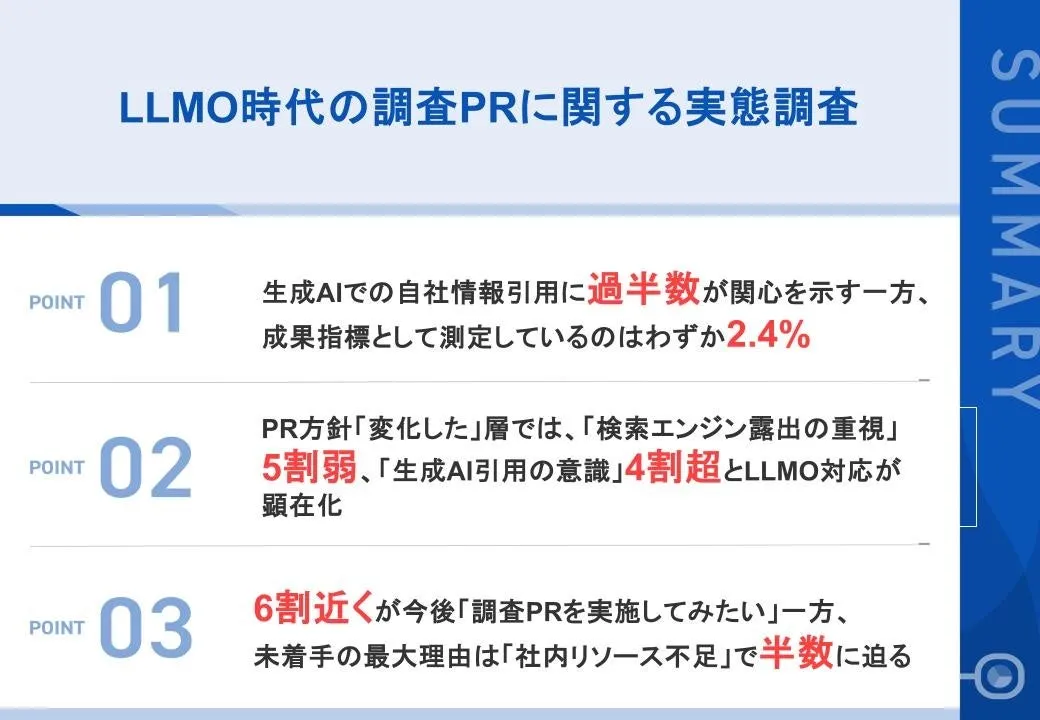
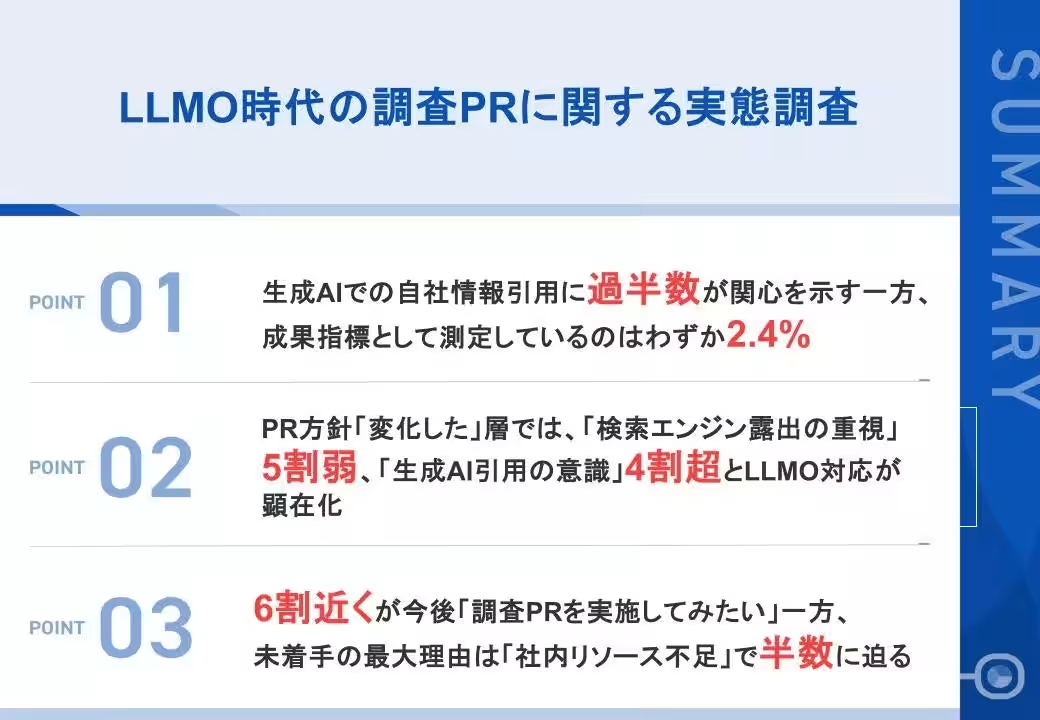
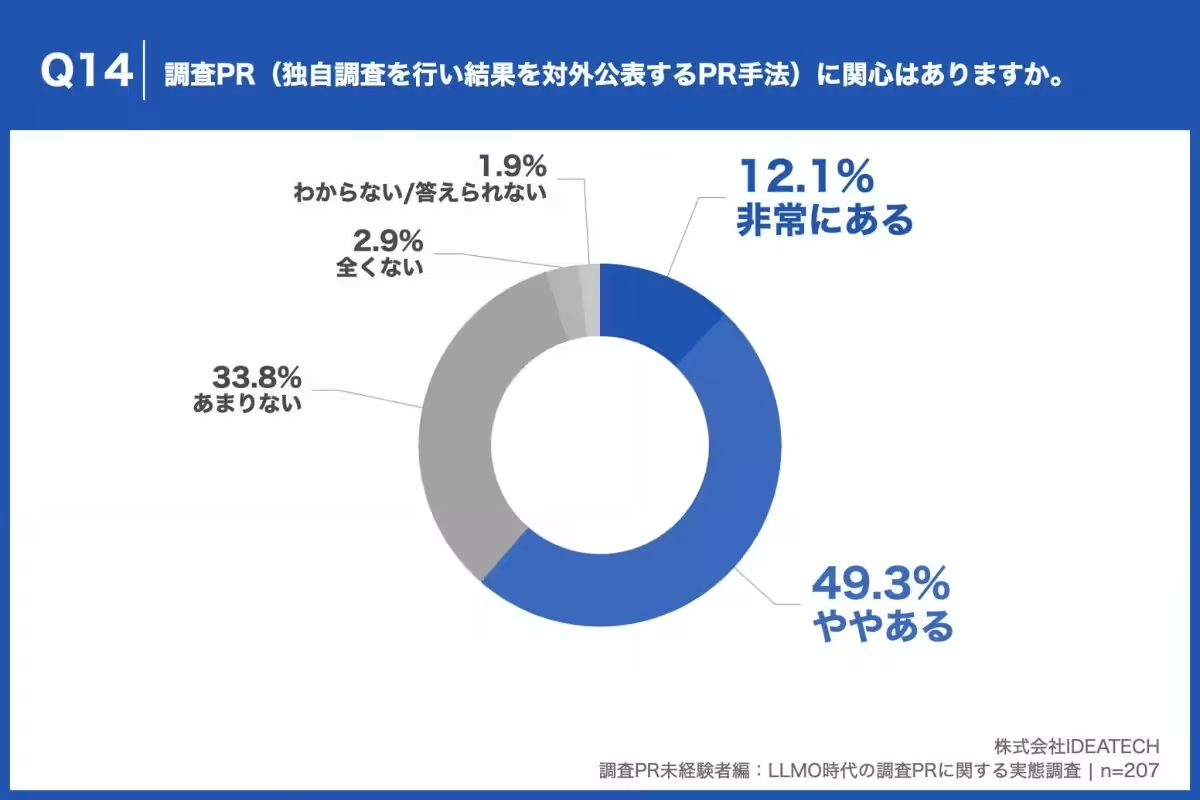
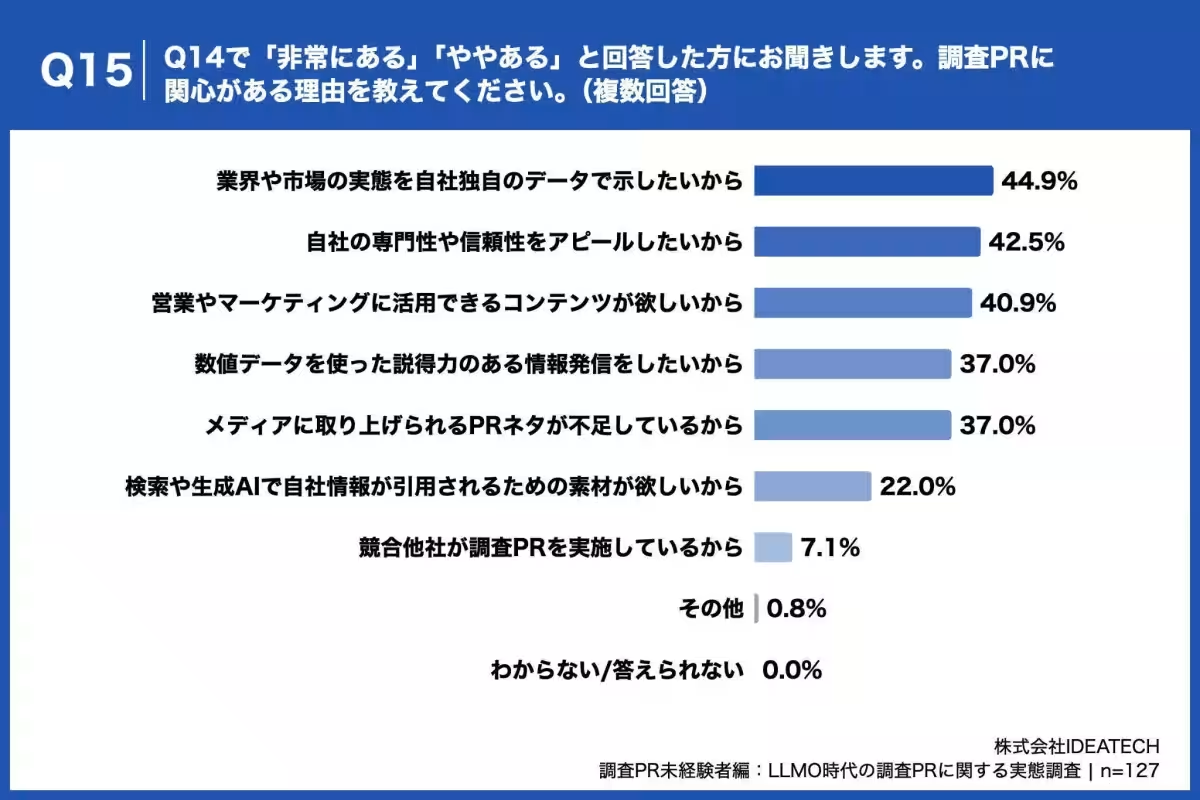
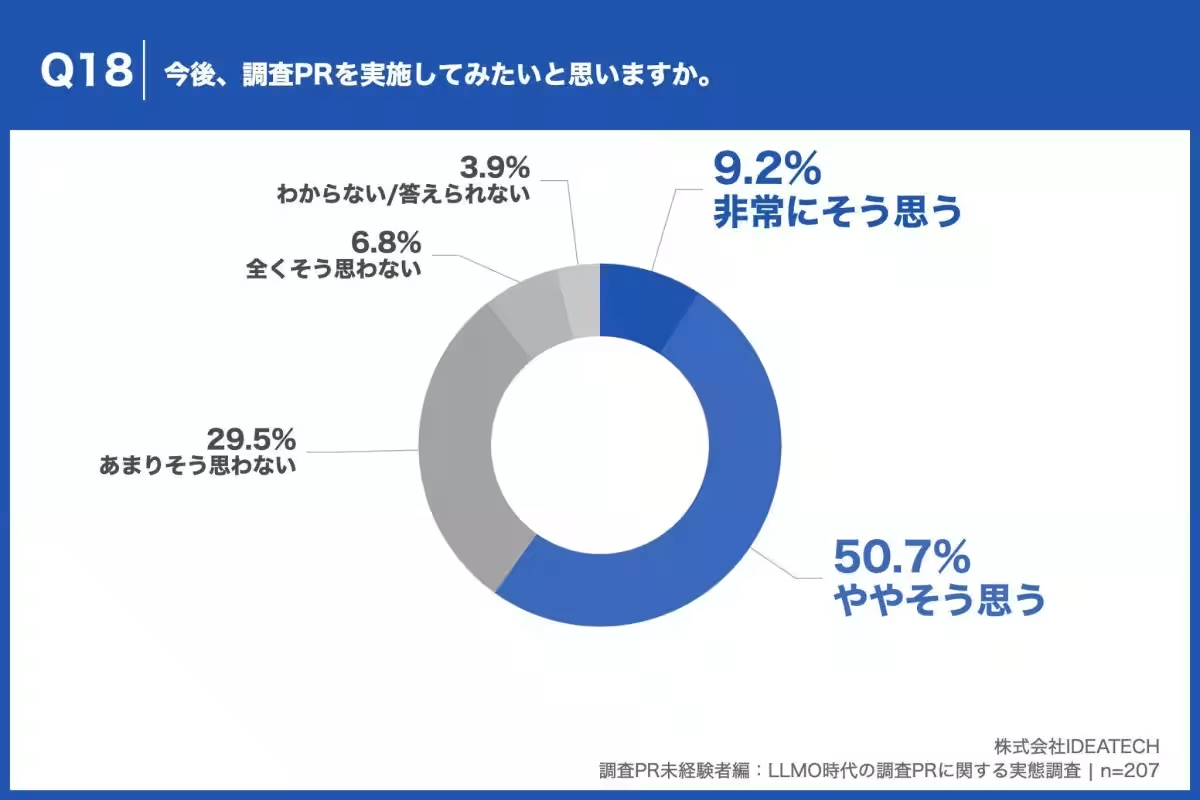
1. Interest in Research PR: About 60% of respondents expressed a desire to implement research PR. However, nearly half cited internal resource shortages as a barrier to entry.
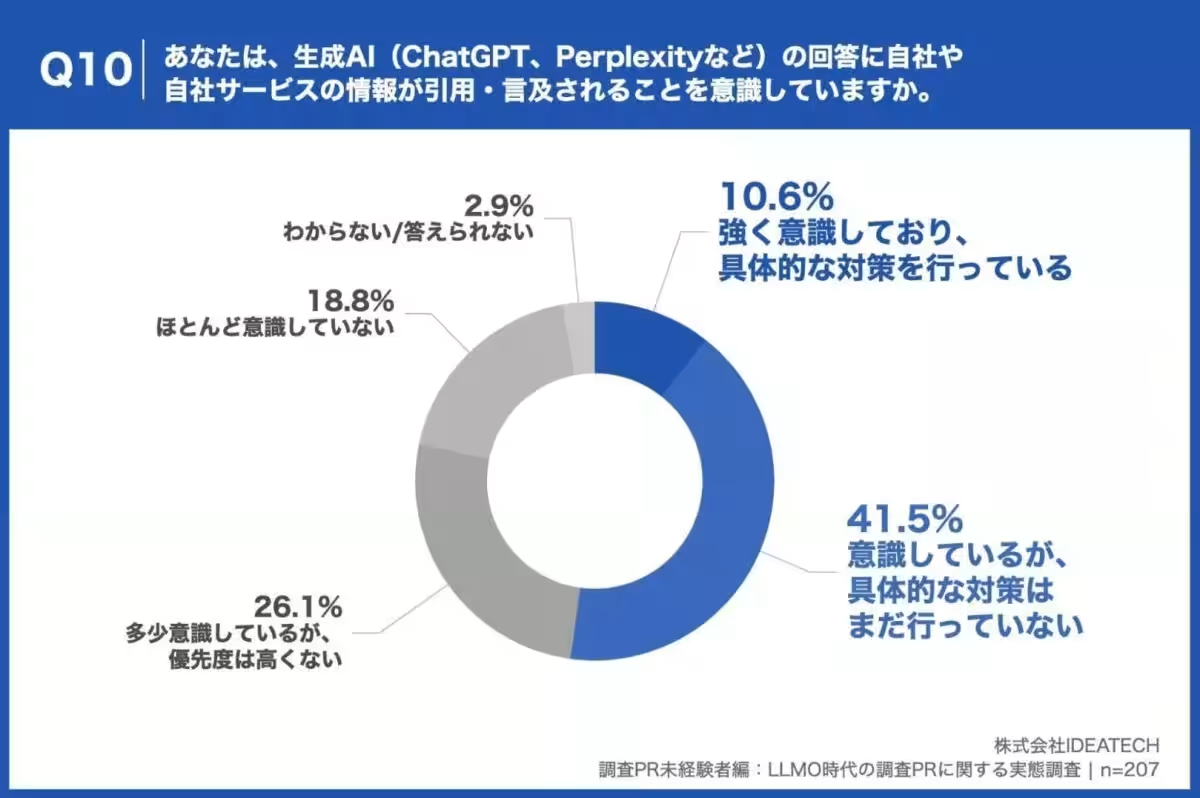
2. LLMO Awareness: More than half (52.1%) are conscious of how their information might be cited by AI-generated content, signaling a growing awareness of AI's impact on PR strategies.
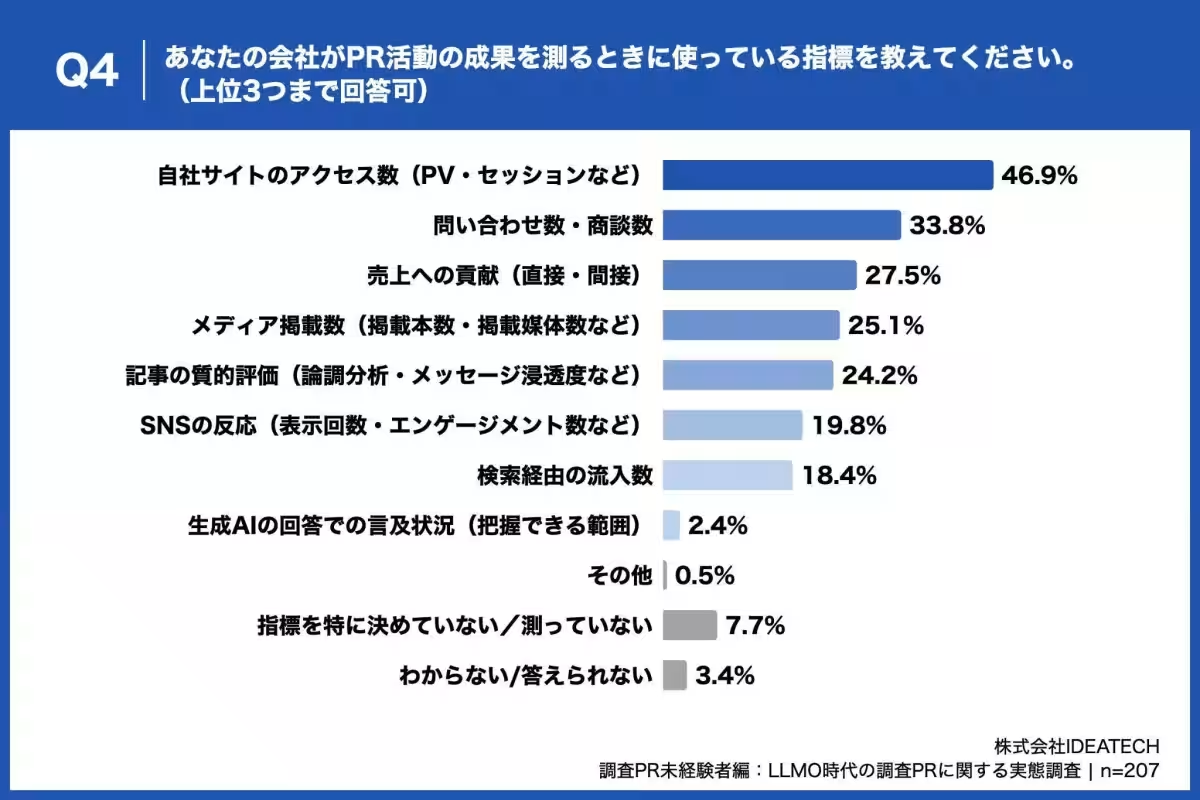
3. Measurement Challenges: While 46.9% measure their PR success by website traffic, only 2.4% track mentions via AI, showcasing a significant gap in effectiveness measurement.
Survey Highlights
The survey, which polled 207 PR professionals, aimed to determine their interest in research PR and the obstacles they face. The research ran from March 31 to April 2, 2026, highlighting the industry's current state regarding LLMO adaptation and the interest in utilizing independent investigative findings.
Objectives of PR Activities
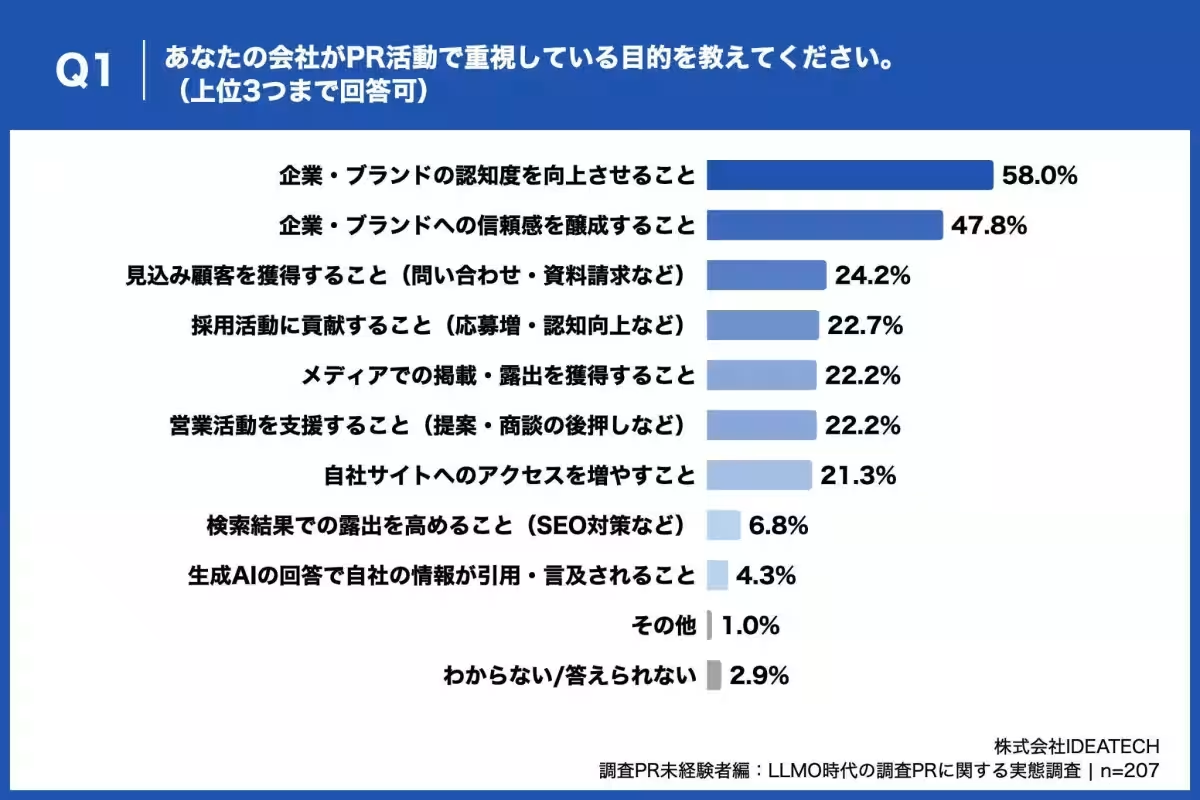
The survey asked participants to identify their primary objectives for PR efforts. The results indicated:
- - Brand Awareness: 58.0% emphasize improving company or brand recognition.
- - Building Trust: 47.8% aim to cultivate trust in their brand.
- - Lead Generation: 24.2% focus on acquiring potential customers.
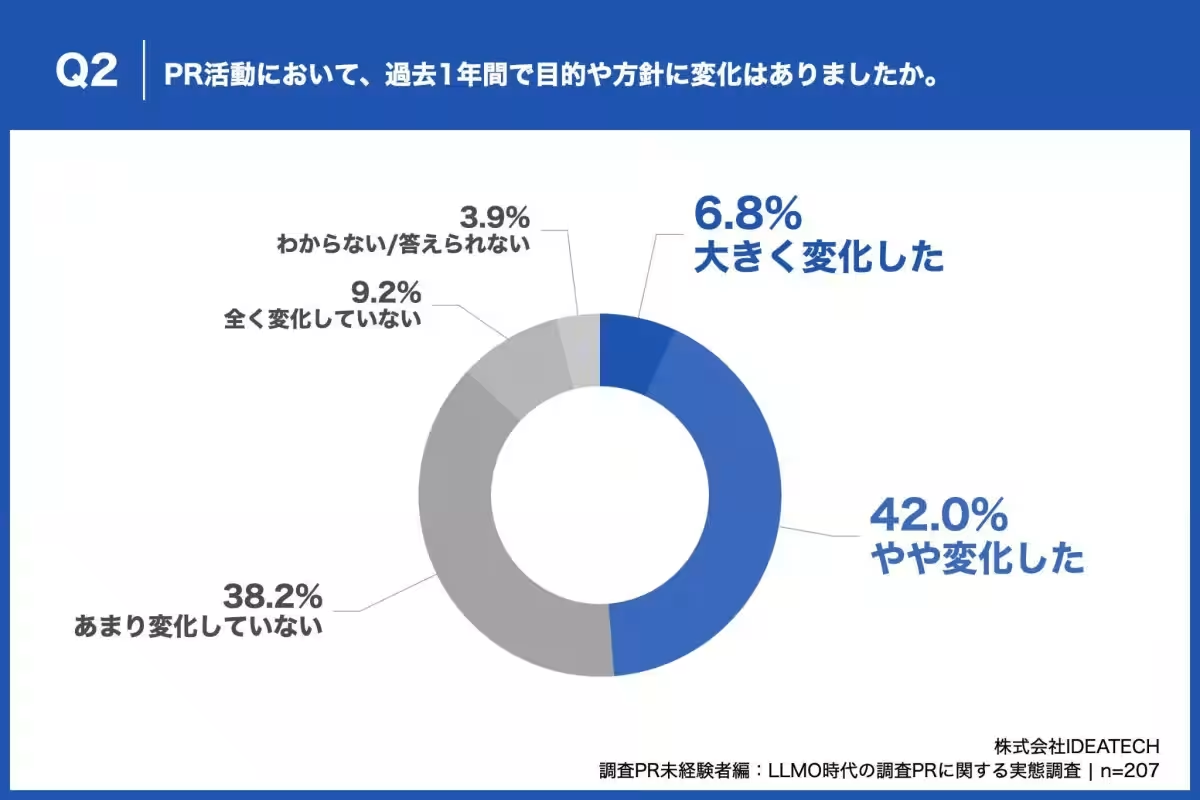
Changes Over the Past Year
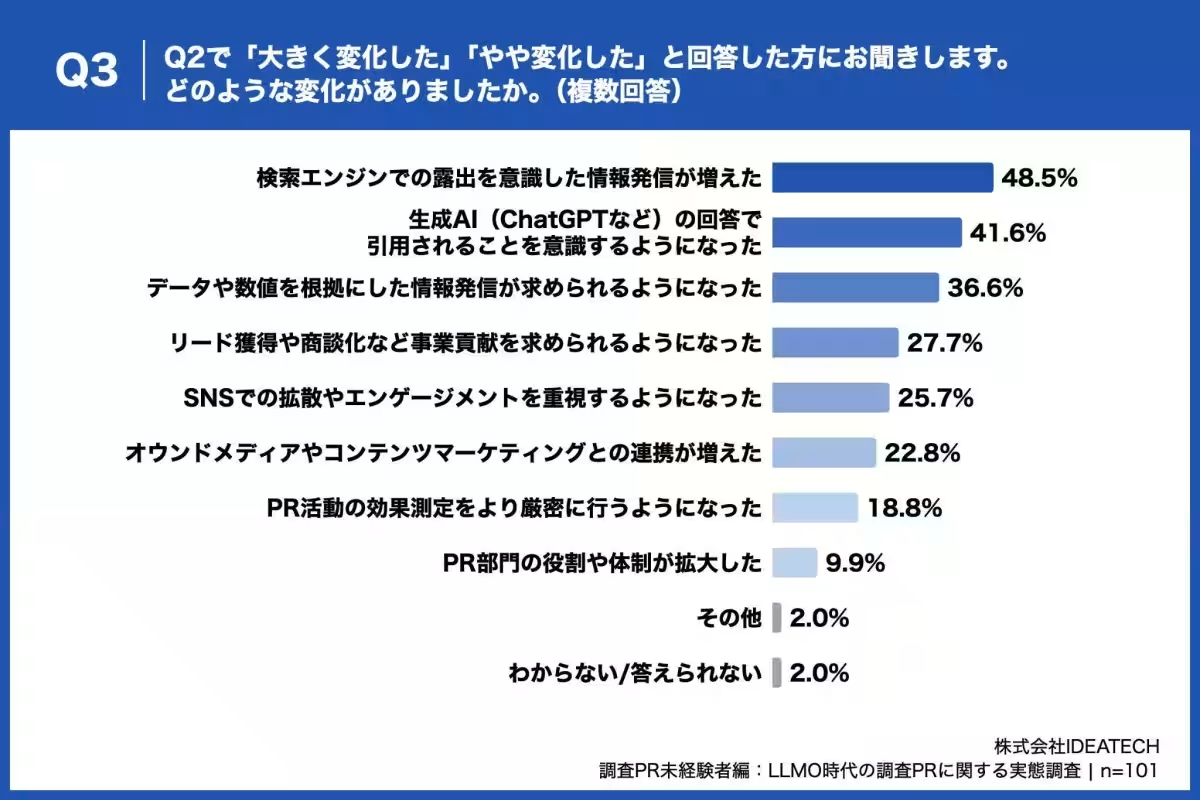
Approximately half of the participants noticed a shift in their PR strategies over the last year. Key changes included:
- - Increased emphasis on exposure through search engines (48.5%).
- - Greater awareness of citations in generative AI outputs (41.6%).
- - A push for data-driven messaging (36.6%).
These insights suggest that PR professionals are increasingly adapting their strategies to align with modern methodologies and expectations, particularly in response to digital advancements.
Effectiveness Measurement
When it came to measuring PR effectiveness, respondents indicated that traffic to their websites (46.9%) was the most relied upon metric. However, the minimal usage of AI mention tracking (2.4%) signals that PR teams may not fully understand the nuances of AI's role in their communications.
Barriers to Research PR Implementation
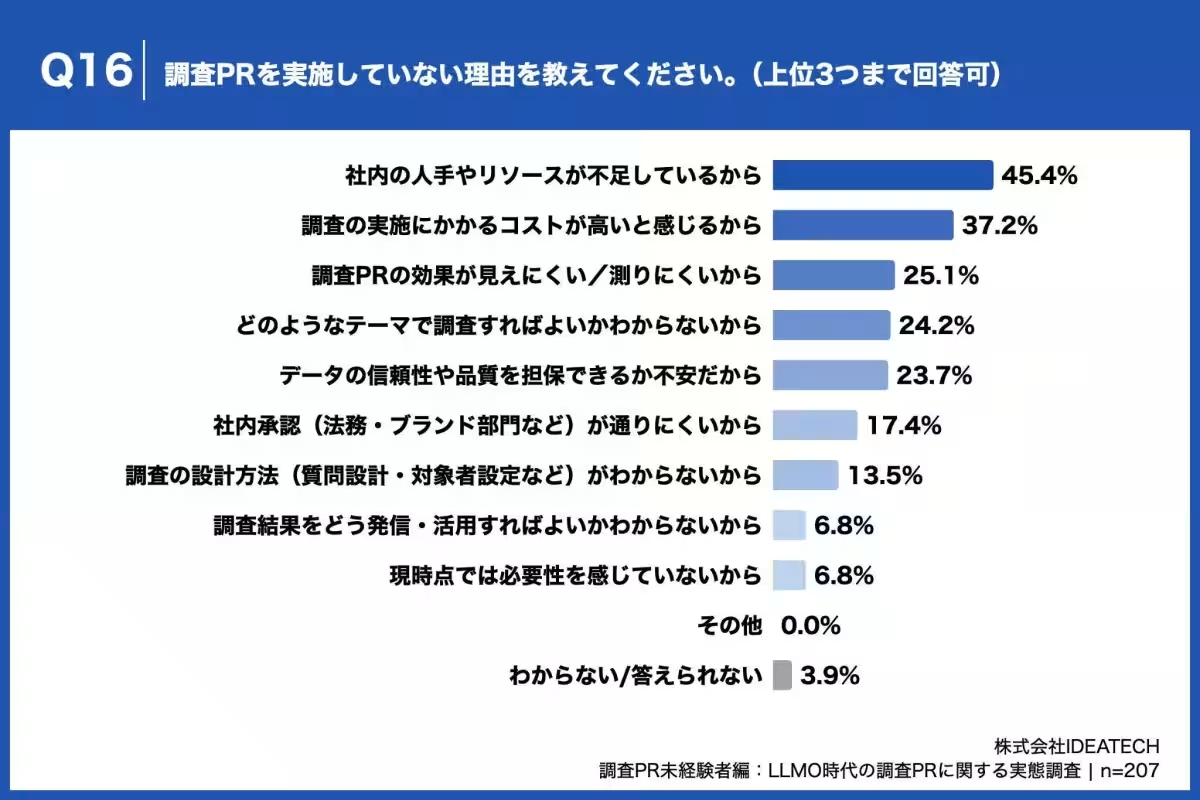
Despite the high interest in research PR (61.4% indicated a desire to pursue it), there are significant barriers. The main reasons for not implementing include:
- - Resource Limitations: 45.4% reported insufficient internal resources.
- - High Costs: 37.2% found the costs of conducting research prohibitively expensive.
- - Undetected Benefits: 25.1% believed the effects of research PR are difficult to measure.
Importance of Primary Data
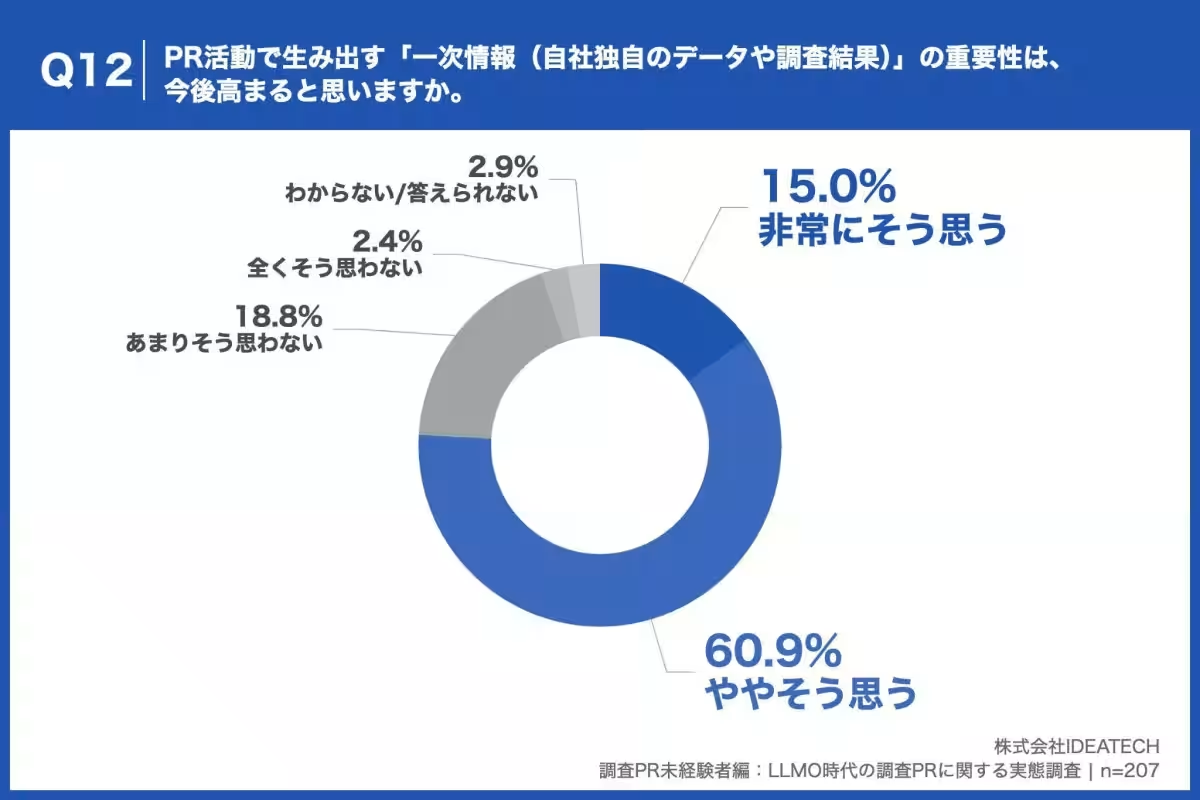
A notable point in the survey showed that approximately 80% of professionals believe the importance of generating primary information (such as original company data or survey results) is increasing, indicating a pivot towards data-centric PR strategies.
Additionally, the reasons for the increased focus include:
- - Maintaining brand credibility.
- - The growth of niche but valuable information for customer acquisition.
Embracing Generative AI
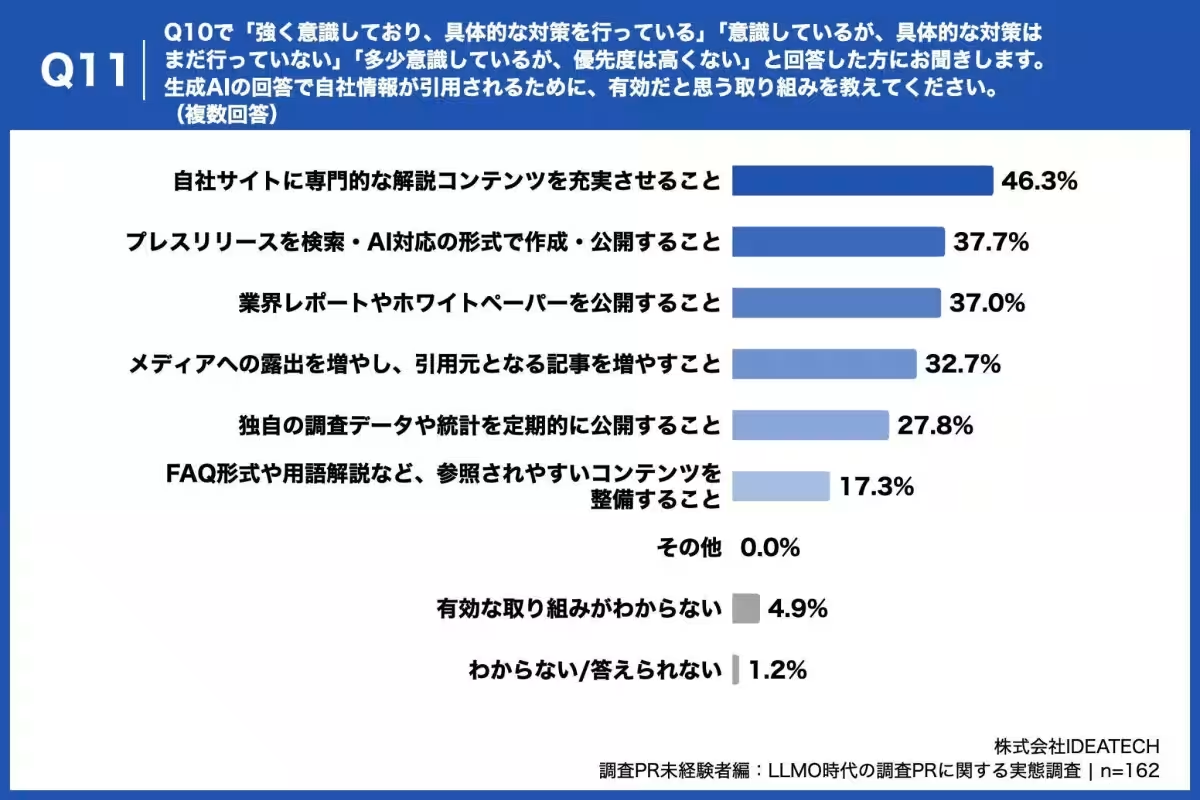
The survey highlights a growing consciousness about AI's impact on PR content, with 52.1% of respondents aware of how their information could be referenced by AI sources. However, only 10.6% have taken concrete measures to ensure their data is referenced positively in this algorithm-driven world.
The Future of PR
The overall sentiment among PR professionals is optimistic yet cautious. Around 60% are open to experimenting with research PR initiatives to leverage unique data for reputation enhancement.
As the PR landscape evolves, companies may need to rethink their metrics and strategies to effectively engage with audiences through diverse channels, including social media and AI-generated content.
Conclusion
This overview of the contemporary PR landscape in the LLMO era underscores the need for professionals to adapt and innovate continually. While interest in research PR is strong, challenges such as resource allocation and education on new measurement techniques remain. Hence, building partnerships with external agencies may be crucial for overcoming these barriers and fostering an environment conducive to growth and adaptability in PR practices.
For the full survey results, download it here.

Topics Other)
【About Using Articles】
You can freely use the title and article content by linking to the page where the article is posted.
※ Images cannot be used.
【About Links】
Links are free to use.