



The High Bar for Speaking English: Insights from a Recent IIBC Survey
Understanding the Perceived Challenges of English Communication
Introduction
Despite the growing interest in learning English, a recent survey conducted by the Institute for International Business Communication (IIBC) sheds light on a paradox. While more than 70% of English learners in Japan believe they can engage in conversations beyond daily communication, less than 20% feel confident enough to declare that they 'can speak English.' This article delves into the nuances of these findings, exploring the underlying psychological barriers and the implications for English learners.
Survey Overview
Key Findings on Learning Habits
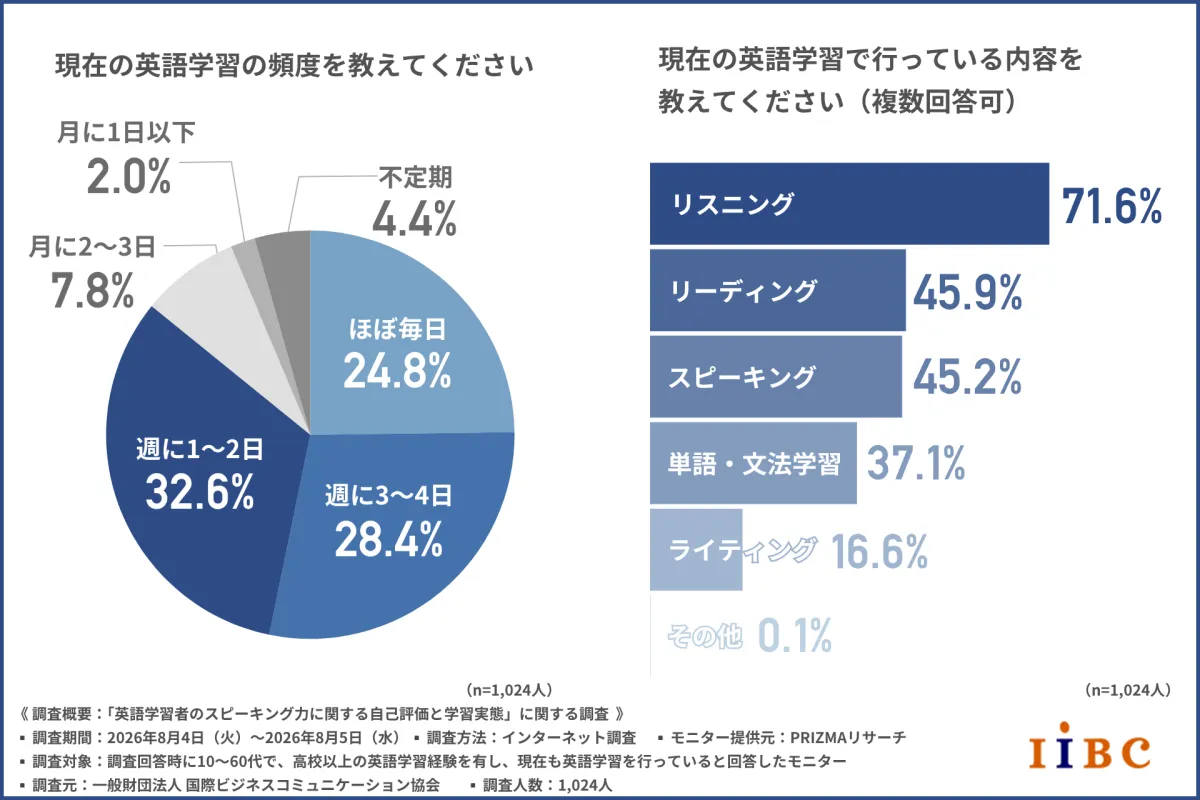
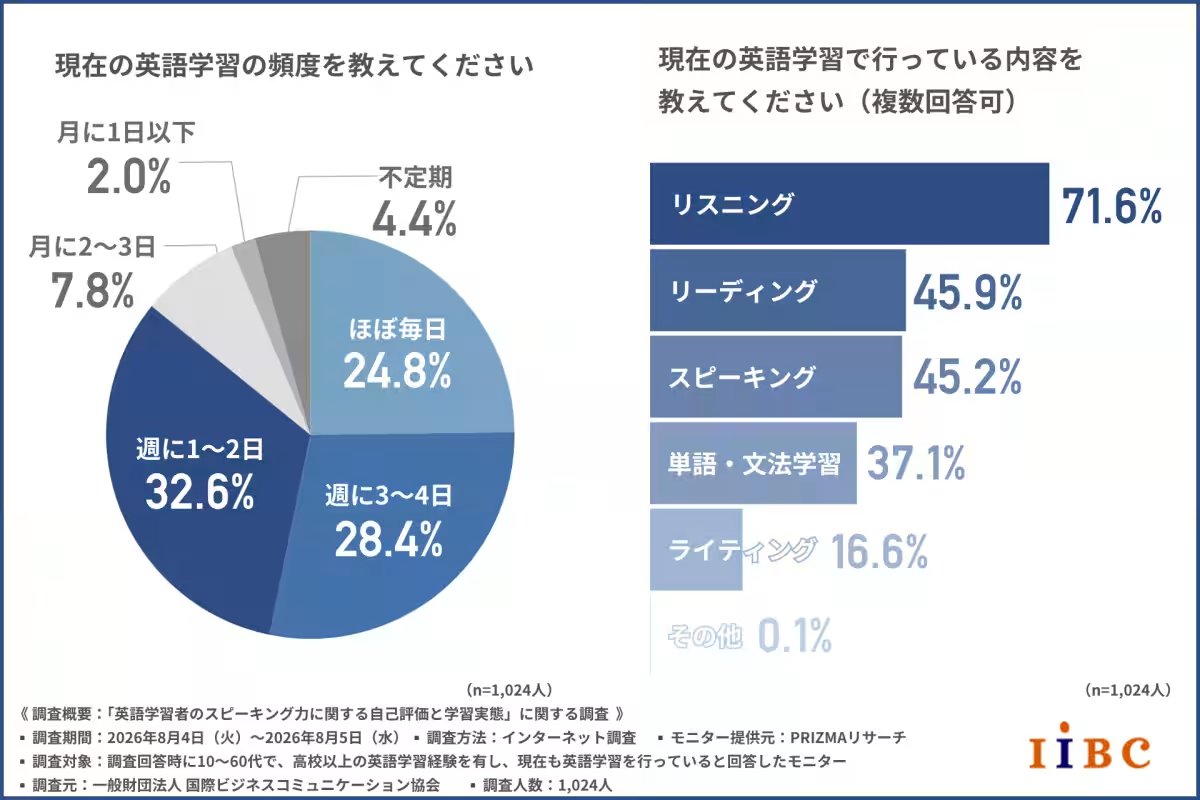
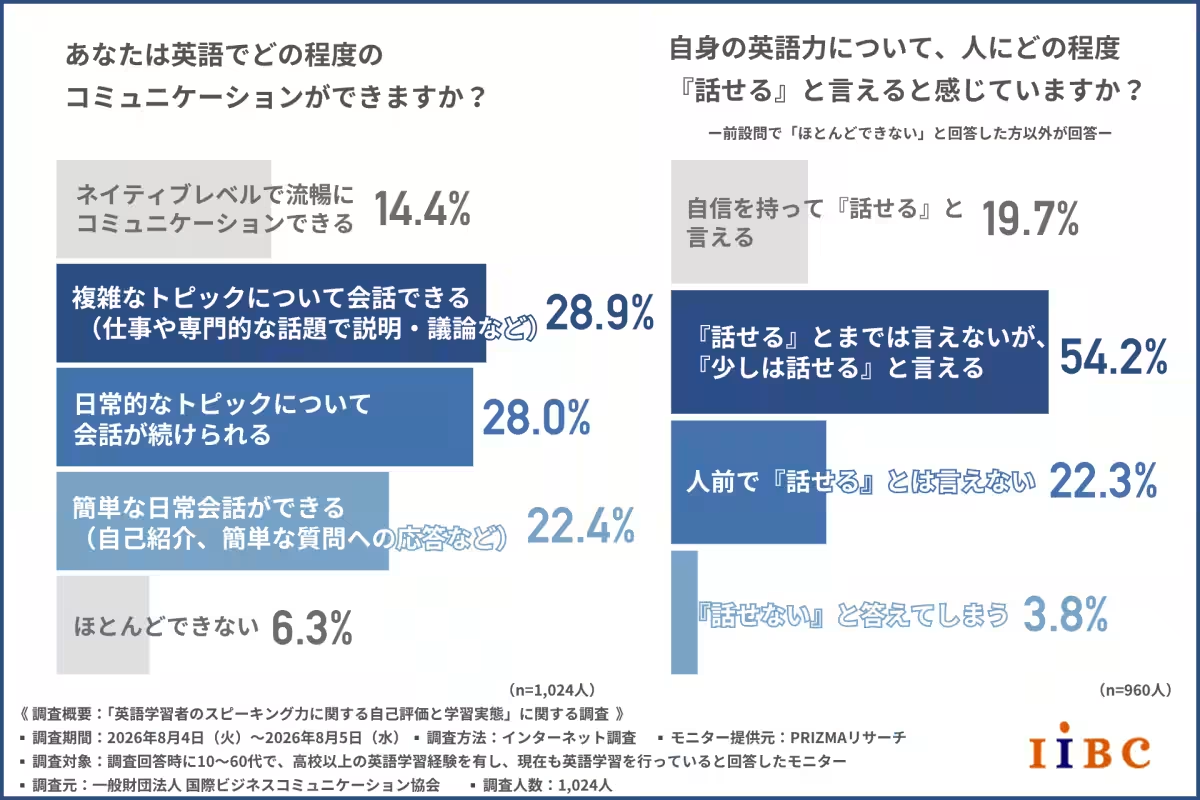
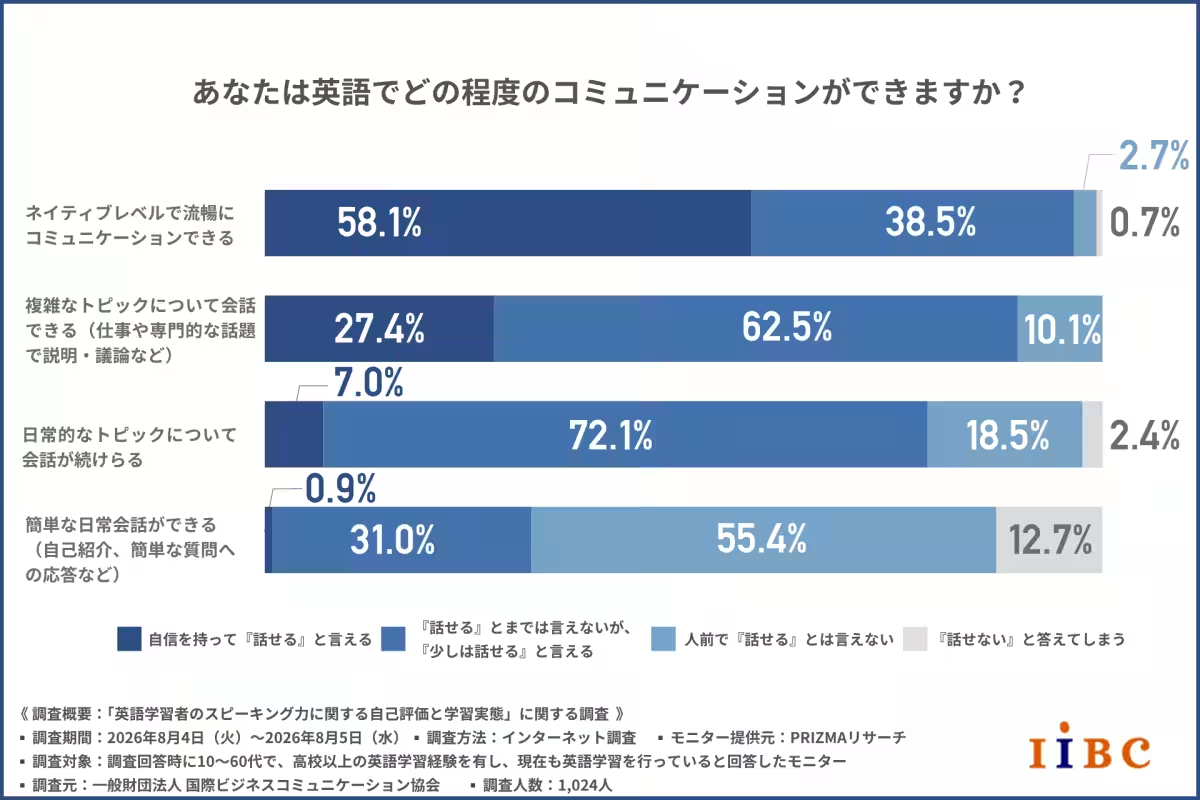
The survey captured responses from over 1,000 individuals aged 10 to 60 currently engaged in English studies. Notably, over 85% reported studying English at least once a week. Surprisingly, 71.3% claimed they are capable of holding conversations on everyday topics.
However, there is a striking discrepancy between perceived ability and self-confidence. Only 19.7% of respondents could confidently state that they are able to 'speak English.' Even among those who could discuss complex subjects, around 72.6% hesitated to self-identify as English speakers.
Psychological Barriers
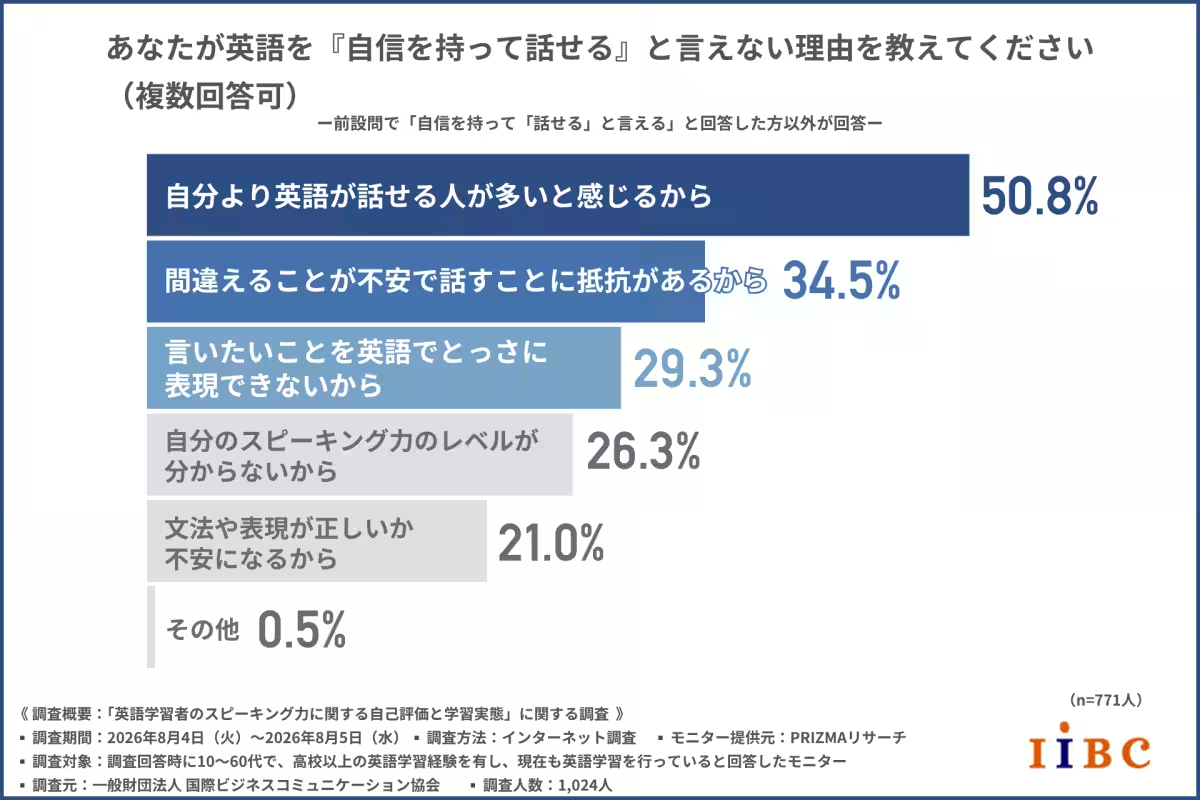
The high standards individuals set for themselves contribute to the lack of confidence. Approximately 70% of participants attributed their reluctance to label themselves as 'English speakers' to the belief that they should be able to engage in smooth conversations with foreigners. Factors such as comparison with peers and fear of making mistakes were cited as significant barriers.
The Importance of Speaking Skills
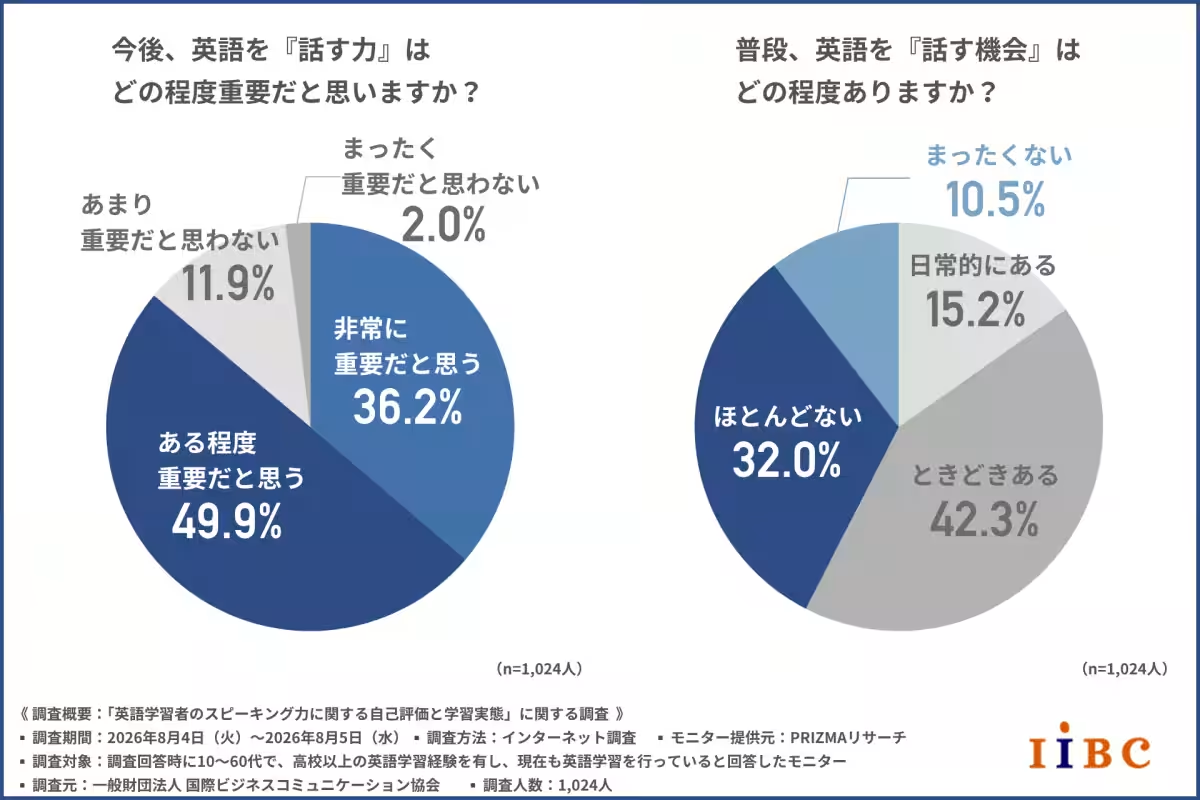
Despite the anxieties surrounding using English, the survey revealed that 86.1% of individuals still regard speaking skills as vital. However, 42.5% acknowledged that they rarely or never have the opportunity to speak English, which points to a disconnect between the desire to improve and the practical chances to do so.
Real-World Implications
The data indicates that while many English learners recognize the value of speaking, they do not frequently engage in conversation practice. Consequently, this lack of opportunity ultimately results in lower self-esteem regarding language skills.
What Does it Mean to 'Speak' English?
The Standard Set by Learners
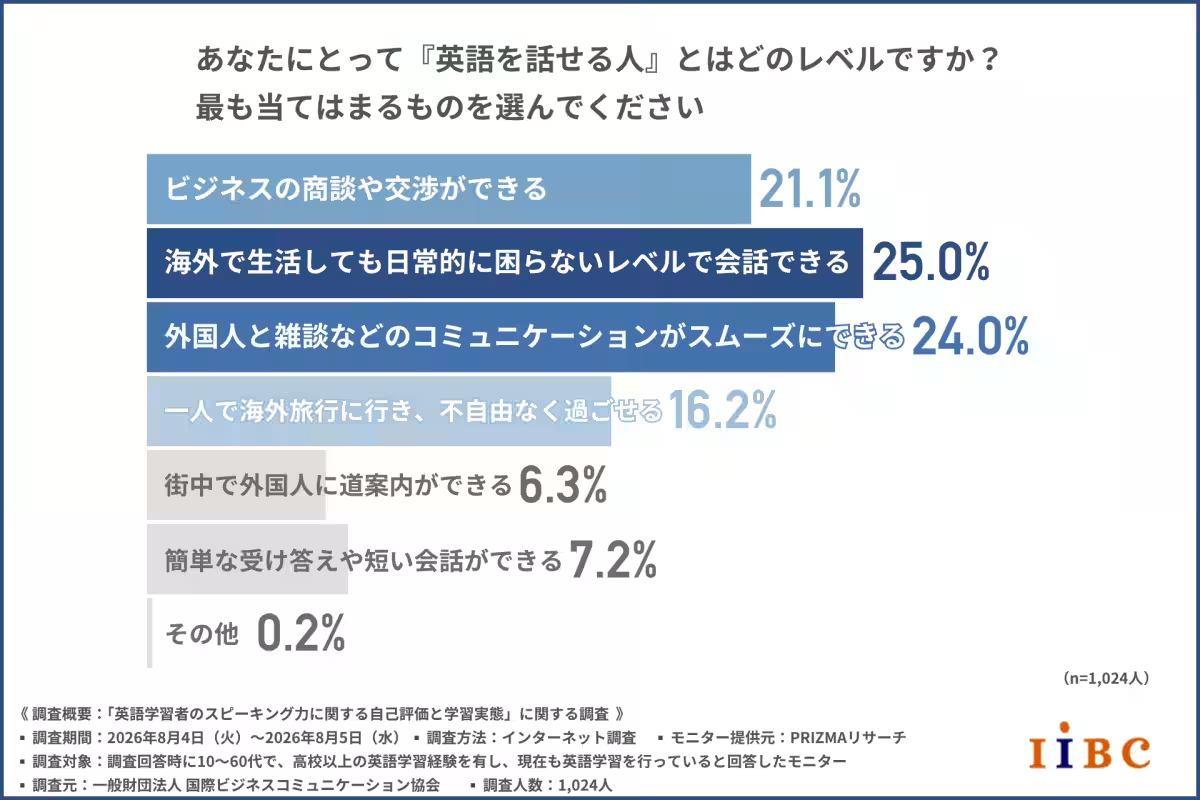
Further analysis showed that many individuals have a stringent definition of what it means to be able to speak English. Over 70% defined 'speaking English' as being able to chat effortlessly with a foreigner, indicating that a higher conversation standard exists than merely engaging in simple exchanges. Additionally, only 6.3% of respondents felt that providing directions to a foreigner constituted speaking ability.
Value Beyond Language
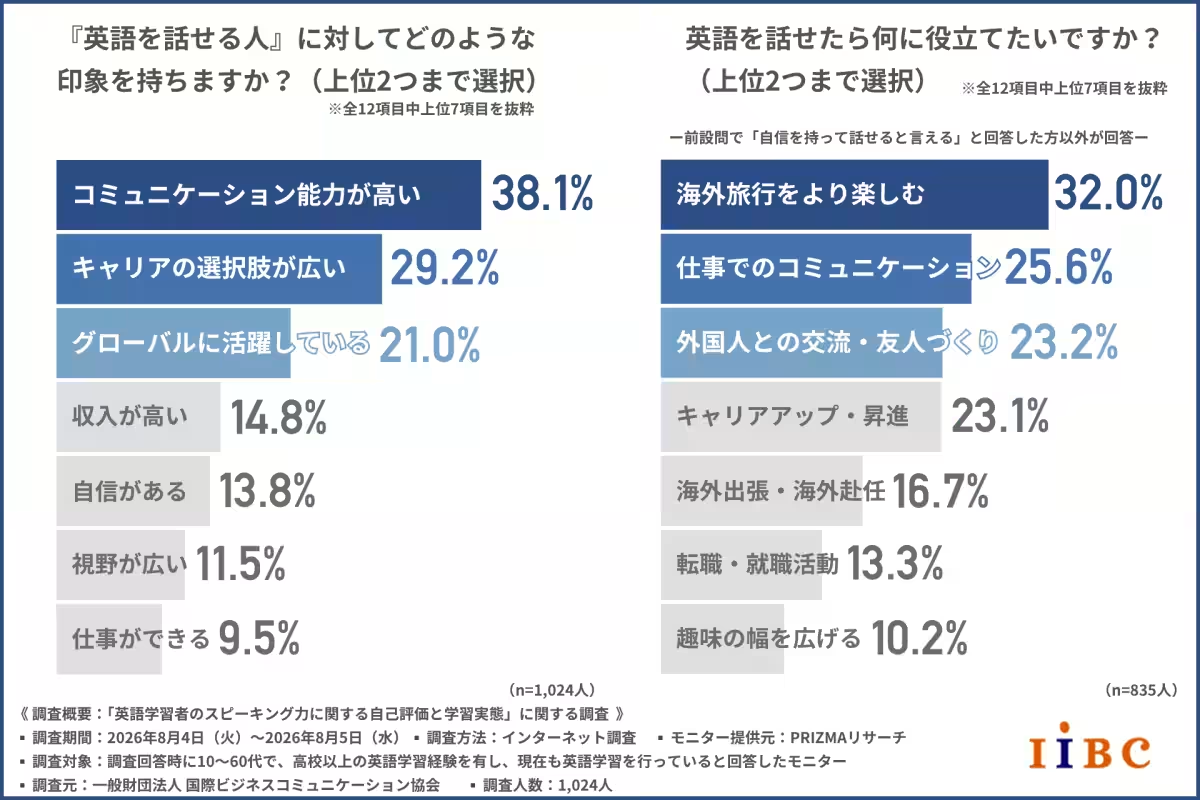
Moreover, responses also highlighted the perceptions held about 'people who can speak English.' The most common associations included strong communication skills and broader career opportunities, reinforcing the idea that English fluency is closely tied to professional success.
Moving Forward: Building Confidence and Opportunities
There exists a crucial need to create more opportunities for speaking practice within English learning environments. This would allow learners to accumulate small successes that can bolster their confidence.
The survey results also suggest that creating a supportive atmosphere could facilitate a more open approach toward using English without the fear of judgment or failure. As highlighted, “it’s not about waiting until you are perfect; it’s about using your current level of English to engage and learn.”
Conclusion
The IIBC survey reveals that while many English learners believe they possess the ability to engage in communication beyond basic conversation, they struggle with the self-confidence to identify as proficient speakers. The psychological hurdles, alongside a lack of speaking opportunities, create a paradox that hinders many from progressing. To address these issues, developing environments that encourage experimentation with the language can lead to more learners progressively asserting their abilities.
The IIBC aims to bridge this gap through structured programs and tests, providing an opportunity for English learners to understand their communication capabilities clearly. Ultimately, addressing these barriers is essential to empower individuals to confidently embrace the English language in their daily interactions and professional endeavors.
Topics Other)









【About Using Articles】
You can freely use the title and article content by linking to the page where the article is posted.
※ Images cannot be used.
【About Links】
Links are free to use.