



Nisshin Seifun Welna Launches Upcycling Project with Pasta Waste to Reduce Food Loss
Nisshin Seifun Welna's Innovative Upcycling Project
Nisshin Seifun Group's Nisshin Seifun Welna, led by President Yasuhiro Iwahashi, has kicked off a groundbreaking initiative called the "Pasta Demirai" upcycling project. This initiative aims to tackle the issue of food waste generated during the manufacturing process and the transportation of damaged packaging, particularly focusing on pasta that typically becomes discarded food loss.
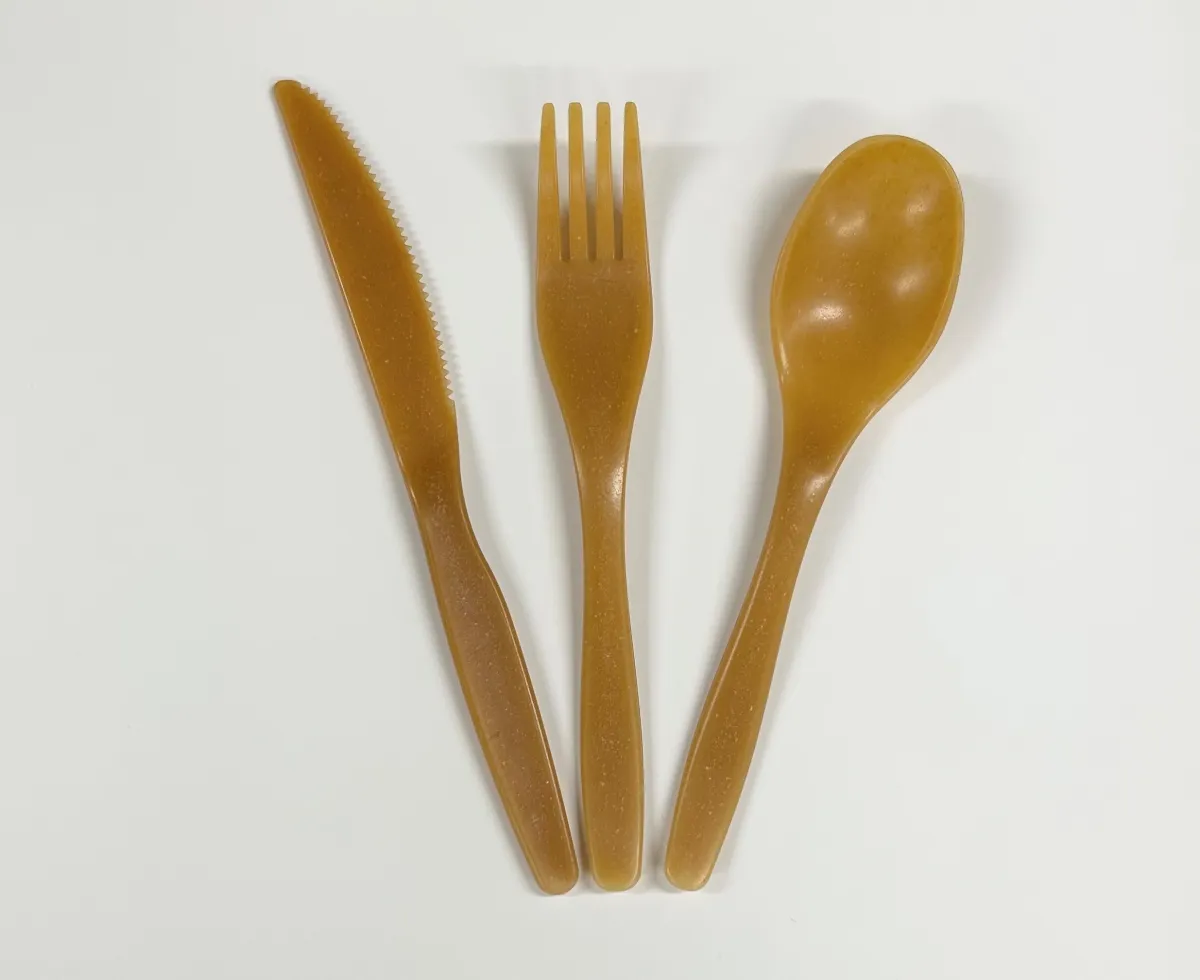
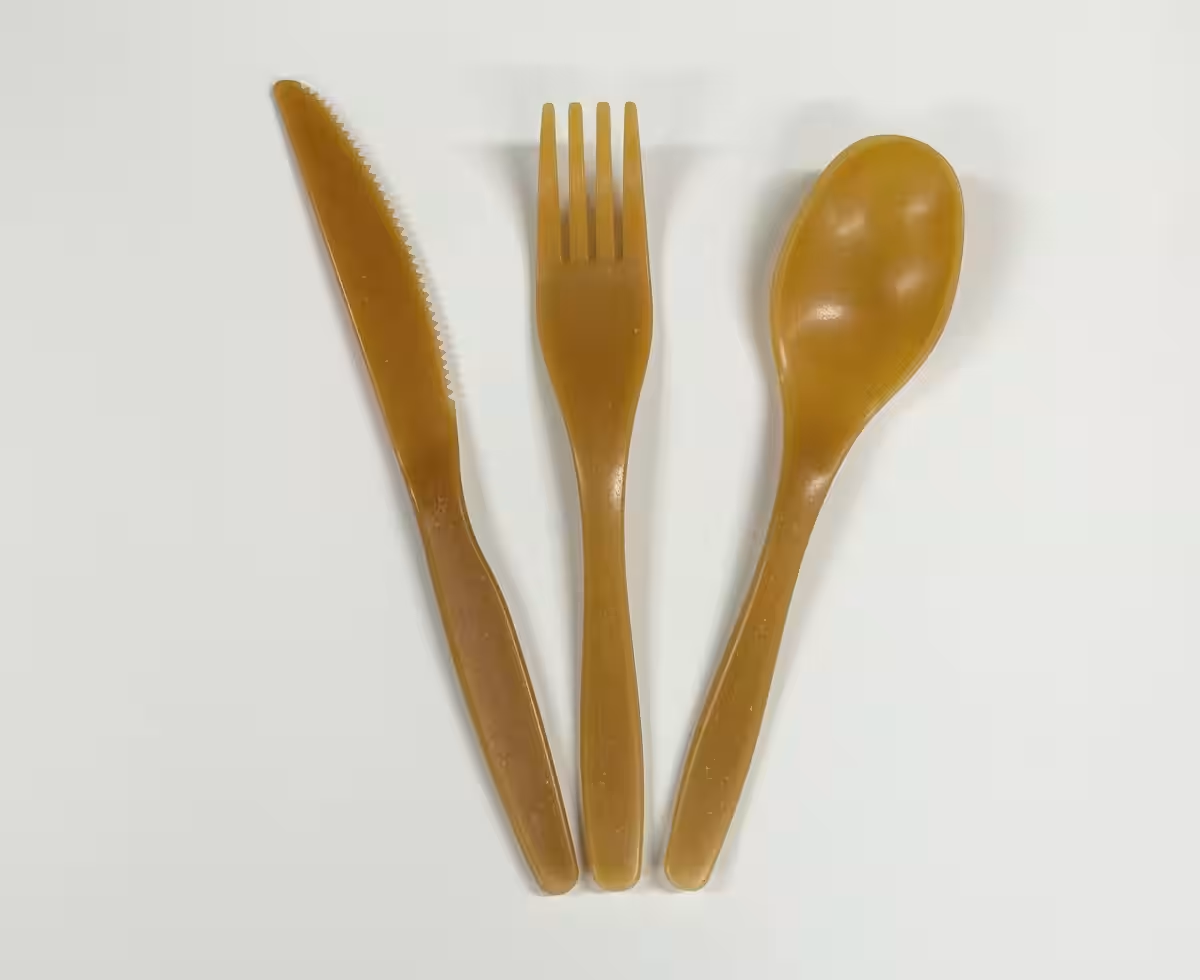
This innovative project has already taken its first major step through collaboration with Marubeni Forest Links and Kobayashi Co., Ltd. Together, they have developed a new plastic material called "Pasta Depla", derived from leftover pasta intended for waste. This endeavor not only helps reduce food waste but also aims to replace conventional plastics, thereby decreasing the reliance on fossil fuel-based resources in a bid to work towards a more sustainable society.
What is the "Pasta Demirai" Upcycling Project?
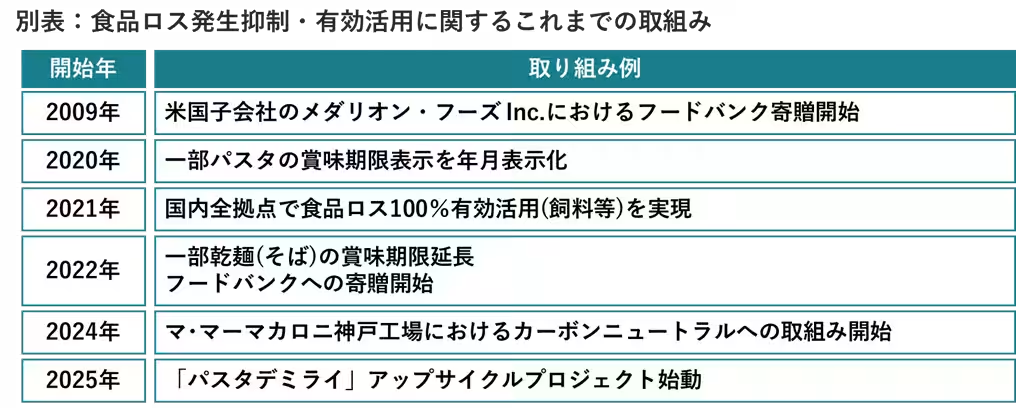
Nisshin Seifun has been actively engaged in efforts to prevent food waste and find effective uses for surplus food. Traditionally, pasta trimmings and broken packaging materials have been primarily recycled into animal feed. However, with the launch of the Pasta Demirai project, the company seeks to broaden its horizon of upcycling - taking what has traditionally been treated as waste and transforming it into products of higher value.
Understanding "Pasta Depla"
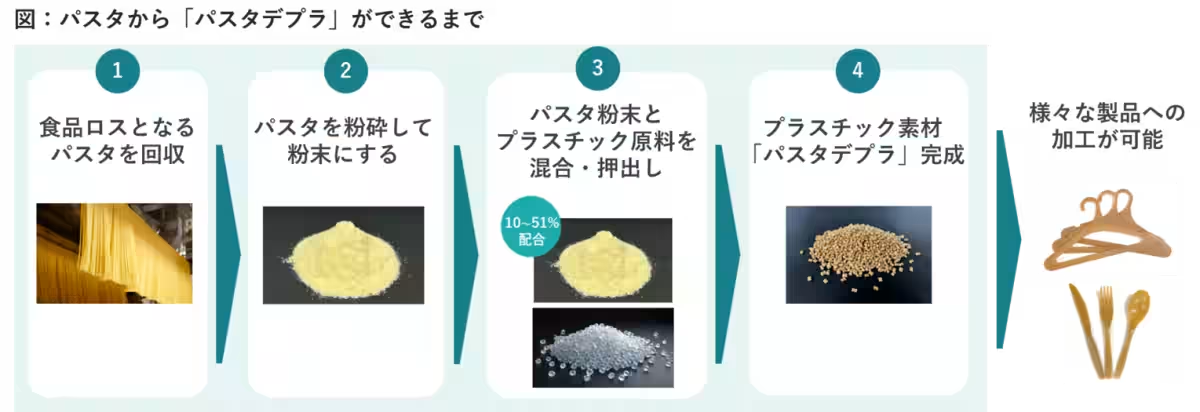
"Pasta Depla" is a new plastic material created by incorporating 10% to 51% of food-waste pasta into the mix. The process involves grinding pasta into a powder, which is then blended and extruded with plastic raw materials like polypropylene. This innovative material opens the door to various applications in product manufacturing, transitioning from waste to resource.
Features of "Pasta Depla" and Future Directions
One of the notable characteristics of "Pasta Depla" is that it possesses strength comparable to that of conventional plastics while showcasing a unique texture derived from its pasta content. Moving forward, Nisshin Seifun Welna, alongside its partners Marubeni Forest Links and Kobayashi, plans to expand the project to include raw material sales and the commercial distribution of products made from Pasta Depla.
This project not only highlights the potential for reducing food loss but also emphasizes the importance of reimagining waste as a valuable resource. By integrating sustainability into their production processes, Nisshin Seifun Welna is setting a precedent for food manufacturers everywhere, showcasing how creativity and collaboration can lead to a more sustainable future.
The company’s commitment to innovation in tackling food waste symbolizes a significant step towards promoting eco-friendly practices in the industry. As the project develops, it will encourage others in the food sector to consider how they can contribute to a circular economy and reduce their environmental footprint through similar initiatives. By turning something that is typically seen as waste into an essential component of everyday materials, the Pasta Demirai project could shape a new paradigm for sustainable production methods in the food industry and beyond.
Topics Consumer Products & Retail)


【About Using Articles】
You can freely use the title and article content by linking to the page where the article is posted.
※ Images cannot be used.
【About Links】
Links are free to use.