



Rising Lunch Costs Lead to Employee Welfare Innovations in Japan
The Impact of Rising Lunch Costs on Employee Welfare in Japan
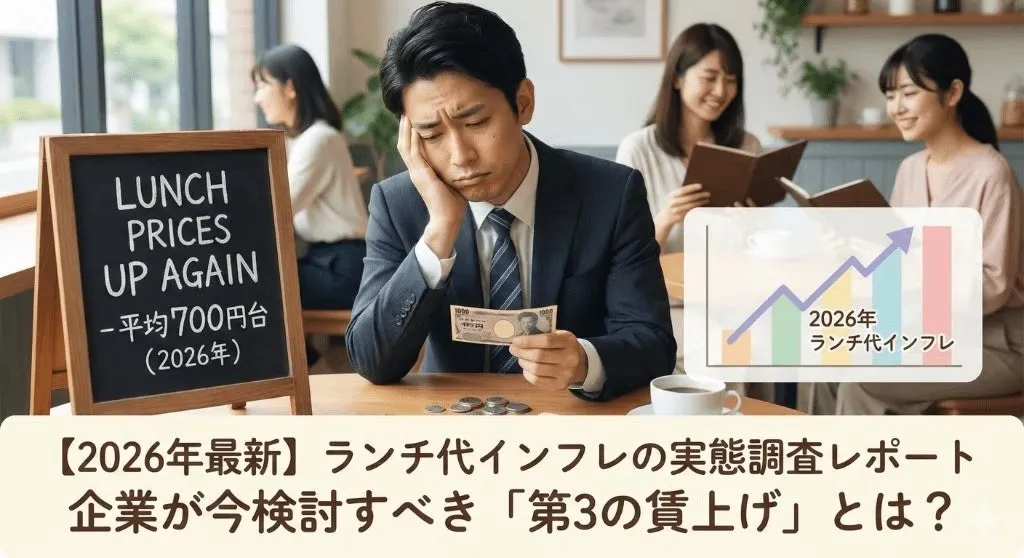
In recent times, lunch prices in Japan have surpassed ¥700, becoming a significant issue for many working professionals. With the rising costs exacerbated by inflation and supply challenges, the demand for affordable, nutritious meal options has never been more pressing. A recent report published by Wao Inc., the company behind the lunch service "Shashoku DELI," has shed light on this growing concern and the innovative solutions being adopted by corporations to support their employees.
The Current Situation
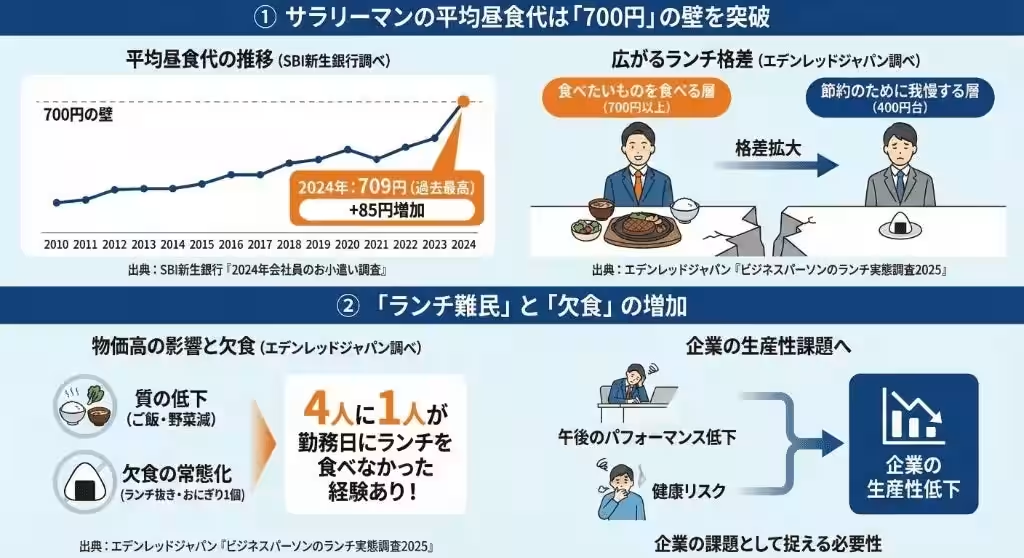
According to key survey data, the average lunch cost for male employees has reached ¥709, a record high that reflects a broader trend of increasing living expenses. Strikingly, approximately one in four business professionals is opting to skip lunch or settle for minimal meals like a single rice ball to save money, illustrating a widening gap between those who can afford to indulge in their lunch choices and those who are financially constrained.
This disparity not only affects individual well-being but also raises critical questions about productivity in the workplace. A nutritious lunch is crucial for maintaining energy levels and focus, and employers are now recognizing how lunch affordability directly impacts overall productivity.
Corporate Responses: A New Approach to Employee Support
To address these challenges, many companies are increasingly viewing food benefits as a form of "third wage increase." This approach involves offering meal subsidies that can be provided tax-free under certain conditions. As companies explore solutions to enhance employee welfare while managing costs, meal subsidies are becoming a popular alternative to traditional direct salary increases.
This shift reflects a growing understanding among employers that providing employees with adequate means to access healthy meals during work hours can contribute positively to their physical health, job satisfaction, and overall well-being.
Trends in Corporate Meal Services
One of the notable trends in corporate meal offerings is the transition towards flexible meal provision models that require no upfront capital investment. With the rise of remote work and the necessity for cost efficiency, many businesses are moving away from traditional cafeterias requiring extensive kitchen setups. Instead, they are adopting "bento-box-style" meal services, wherein meals are provided in convenient formats that can be distributed in meeting rooms or designated areas.
The advantages of this model — including zero initial costs, reduction of food waste, and the elimination of equipment maintenance expenses — make it an attractive solution during these inflationary times. As companies seek to enhance workplace engagement and ensure employees do not forgo meals, such innovative meal services play a pivotal role.
Exploring Shashoku DELI
The "Shashoku DELI" service exemplifies how businesses can leverage available office space for effective meal solutions. This service enables employees to enjoy a variety of menu options every day, extending beyond standard offerings. With over 30 diverse dishes, ranging from Japanese to international cuisine and seasonal specials, it caters to different tastes while enhancing workplace morale.
Moreover, the presence of staff for face-to-face sales simplifies operations for employers, as they can seamlessly manage everything from ordering to serving and cleanup. The pricing, starting as low as ¥350 per meal, is an added benefit, making it easier for companies to provide an attractive meal solution that is both healthy and financially viable.
Conclusion
As we navigate through these challenging economic times characterized by rising food prices, companies must adapt to ensure the well-being of their employees is prioritized. The insights from Wao Inc.'s report highlight a crucial crossroads where corporate policies can significantly impact employee health and satisfaction. As the workplace evolves, so must our approaches to employee welfare, and meal benefits are certainly at the forefront of this change.


Topics Consumer Products & Retail)
【About Using Articles】
You can freely use the title and article content by linking to the page where the article is posted.
※ Images cannot be used.
【About Links】
Links are free to use.