



Kaken Test Center Launches Marine Biodegradable Plastic Testing to Combat Ocean Pollution
Tackling Marine Plastic Pollution
As we face a crisis with approximately 22% of global plastic waste entering our natural surroundings through illegal dumping and burning, the Kaken Test Center, located in Nihonbashi, Tokyo, is stepping up. Starting April 24, 2026, the center will commence the testing of marine biodegradability in plastics based on two international standards: ISO 18830 and ISO 23977-2. This move aims to support the sustainable development of materials and assist businesses in acquiring the Marine Biodegradable Plastic Mark certified by the Japan BioPlastic Association (JBPA).
The Urgency of Marine Biodegradability Evaluation
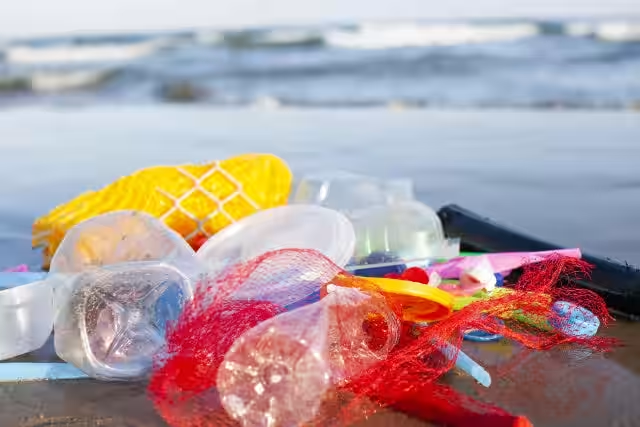
A report by the OECD titled 'Global Plastics Outlook' reveals concerning statistics about plastic waste management: only 9% of the world's plastic waste is recycled, 19% is incinerated, and about 50% ends up in landfills. Tragically, the remaining 22% of plastic waste is either illegally dumped, burned, or flows into the environment. Among these, marine pollution poses severe threats to ecosystems. The Japanese Ministry of the Environment estimates that between 16,000 to 31,000 tons of plastic waste are discharged into the ocean annually from Japan alone.
In terms of the global sustainable product market, it is poised to grow significantly, beginning at $412.2 billion in 2026 and projected to reach $801.7 billion by 2035, with a compound annual growth rate (CAGR) of 7.7%. This growth reflects an increasing global interest in the recycling of plastic resources and the development of biodegradable plastics.
Features of the Two Evaluation Tests
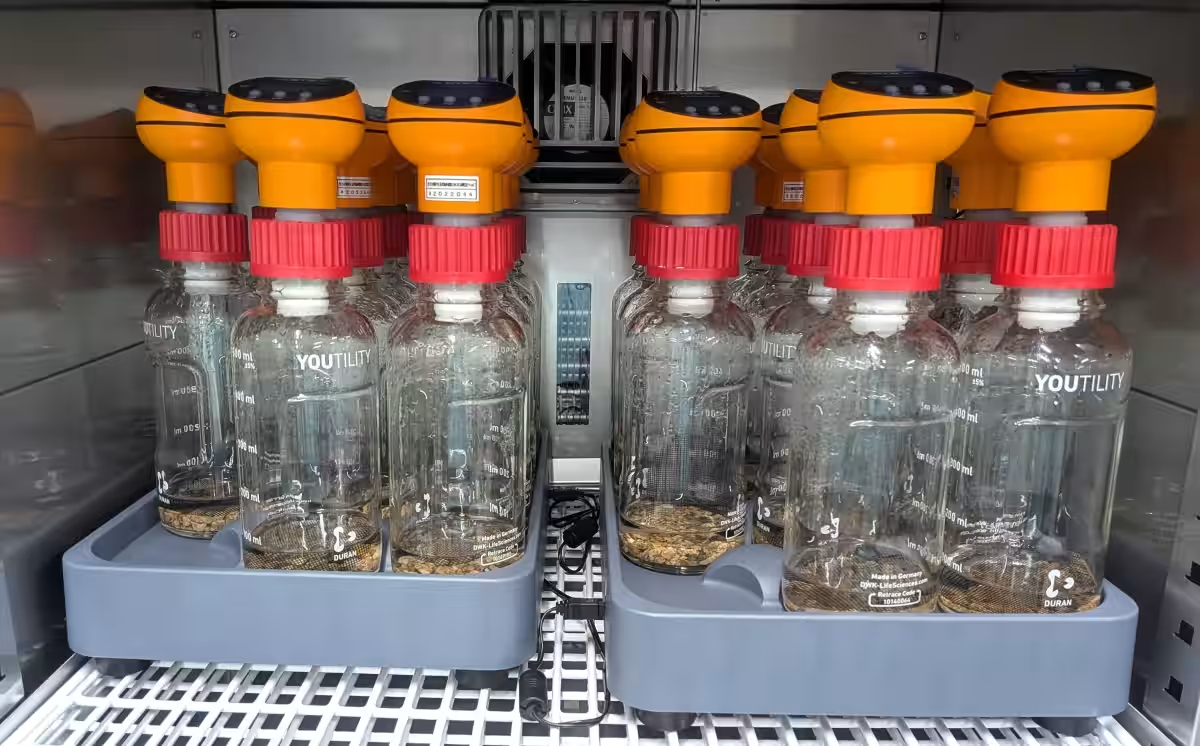
Kaken's testing facility will simulate different marine environments to assess the biodegradability of plastics. The two tests following the international standards are:
- - Surface Testing of Seawater/Sediment Interface (ISO 18830): This test simulates plastics that have settled on the ocean floor, evaluating marine biodegradability in environments with minimal tidal movement.
- - In-water Assessment Testing (ISO 23977-2): This simulates plastics floating on or submerged in water, using agitation and additives to assess biodegradability.
Testing Method Overview
| Test method (Standard) | Test Environment | Test Temperature | Test Duration | Agitation | Additives |
|---|---|---|---|---|---|
| ---- | --- | ---- | --- | --- | ----- |
| ISO 18830 | Seawater/Sandy Sediment Interface | 15-25°C | Up to 24 months | None | None |
| ISO 23977-2 | Seawater | 15-25°C | Up to 24 months | Yes | Yes (Potassium Dihydrogen Phosphate + Ammonium Chloride) |
Summary of the New Service
- - Service Name: Marine Biodegradable Plastic Testing
- - Start Date: April 24, 2026
- - Applicable Standards: ISO 18830 / ISO 23977-2
- - Target Products: Includes film products (bags, packaging, agricultural mulch films), plastic molded items (cutlery, containers), and new materials (resin raw materials, compounds, new biodegradable polymers).
- - Testing Duration: Up to 24 months
- - Fee: To be quoted individually
- - Application Process: Download the request form from the Kaken website and send samples to the Biological Laboratory in Osaka along with the application form.
- - Utilization Range of Reports: Can be used for applications to the JBPA positive list.
About Kaken Test Center
Since its establishment in 1948, Kaken Test Center has built a prominent reputation in quality testing for textile products. The organization has expanded its services beyond textiles to include fire safety tests for automotive interior materials, quality testing of building materials, harmful substance testing in plastic products and food containers, and hygiene-related tests for protective clothing and masks.
Moreover, Kaken is evolving from being a mere testing institution to a comprehensive quality partner, providing sustainable material assessments, consulting, third-party certification support, and product quality improvement consulting to businesses across various industries.
Contact Information
For inquiries, please reach out to the Kaken Test Center Public Relations Office:
- - Address: 8F Sumitomo Realty and Development Building, 4-11-5 Nihonbashi-Honmachi, Chuo-ku, Tokyo 103-0023, Japan
- - Phone: 03-6736-5404
- - Website: Kaken Test Center
Topics Environment)
【About Using Articles】
You can freely use the title and article content by linking to the page where the article is posted.
※ Images cannot be used.
【About Links】
Links are free to use.