


Understanding the Boundaries of Safe AI Utilization Among IT Engineers
Exploring the Boundaries of AI Use in IT
A recent survey conducted by Kikkake Creation Inc. among 330 IT engineers aged 20 to 39 has shed light on the current practices and challenges in utilizing generative AI in their daily operations. The findings reveal significant concerns about safety and responsible AI use, emphasizing the need for clearer guidelines in workplace environments.
Survey Highlights
1. Ambiguity in Guidelines
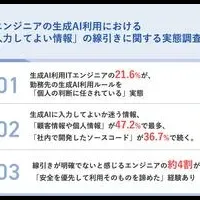
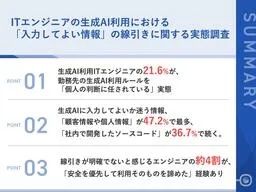
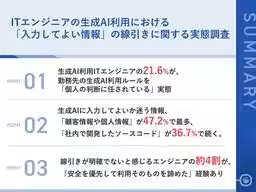
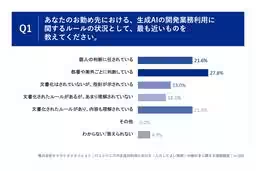
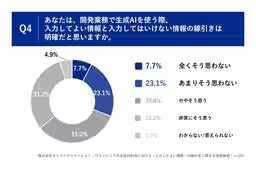
One of the key insights from the survey is that 21.6% of respondents indicated that their companies place the responsibility of generative AI use on individual judgment. Additionally, 27.8% mentioned decisions are made departmentally or project-wise, indicating a lack of cohesive policies across their workplaces.
2. Safety Concerns and Information Input
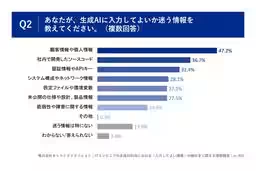
A staggering 47.2% of IT engineers expressed uncertainty about inputting customer or personal information into AI systems, while 36.7% were concerned about sharing internally developed source code. This trepidation points to a deeper problem with the existing frameworks which govern the use of sensitive data within AI applications.
3. The Impact of Unclear Boundaries
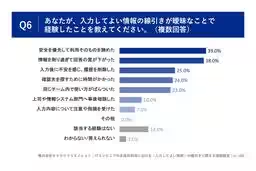
About 39% of engineers reported having completely refrained from utilizing AI out of safety concerns, reflecting a significant barrier to innovation. Additionally, a nearly equal percentage (38%) noted that overly cautious information sharing has led to diminished quality in AI-generated outputs. This may signal the need for better-defined guidelines to facilitate healthy AI engagement while safeguarding sensitive information.
Grasping the Underlying Reasons
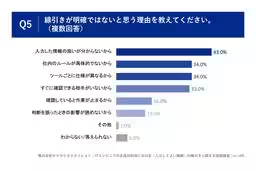
The survey delved deeper to uncover why so many engineers feel the guidelines are insufficient. The primary reason cited by 43.0% of respondents was uncertainty over how the input data would be handled. 34.0% pointed out that corporate policies are vague while the same percentage noted that different AI tools have different specifications, complicating the environment further.
4. Technical Necessities Being Unmet
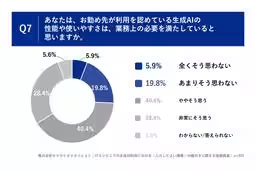
When asked about the effectiveness of the AI tools authorized by their companies, nearly a third of respondents felt these tools do not adequately meet their operational needs, with 25.7% stating they do not think the systems support their tasks sufficiently. This evidence suggests a need for both improved AI tools and clearer operational protocols.
A Call for Clearer Guidelines
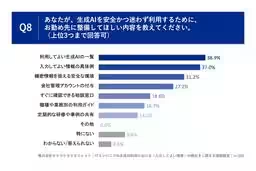
Engineers indicated a desire for specific resources to facilitate safer AI use. They overwhelmingly supported the creation of a list detailing permissible AI usage and examples of acceptable input data, with 38.9% wanting safer operational environments for handling sensitive information. These guidelines could reduce uncertainty and encourage technical professionals to leverage AI capabilities more effectively.
Conclusion
The results of the survey underline a critical aspect of AI integration into workplace environments: the necessity for clear rules and support systems. As the demand for generative AI continues to grow, addressing the worries surrounding data security and usage guidelines becomes paramount for enhancing productivity while minimizing risk.
The ongoing evolution of AI technologies and their implications necessitates that companies adapt not just their tools but also their policies. As engineers look for greater assurance in using new technologies, fostering an environment that feels safe and supportive is vital. This will empower them to harness the full potential of generative AI, driving innovation while protecting their data integrity.


Topics Consumer Technology)

【About Using Articles】
You can freely use the title and article content by linking to the page where the article is posted.
※ Images cannot be used.
【About Links】
Links are free to use.