



Unlocking Art Thinking for New Employees in the Age of AI
Embracing the Future of Work with Art Thinking
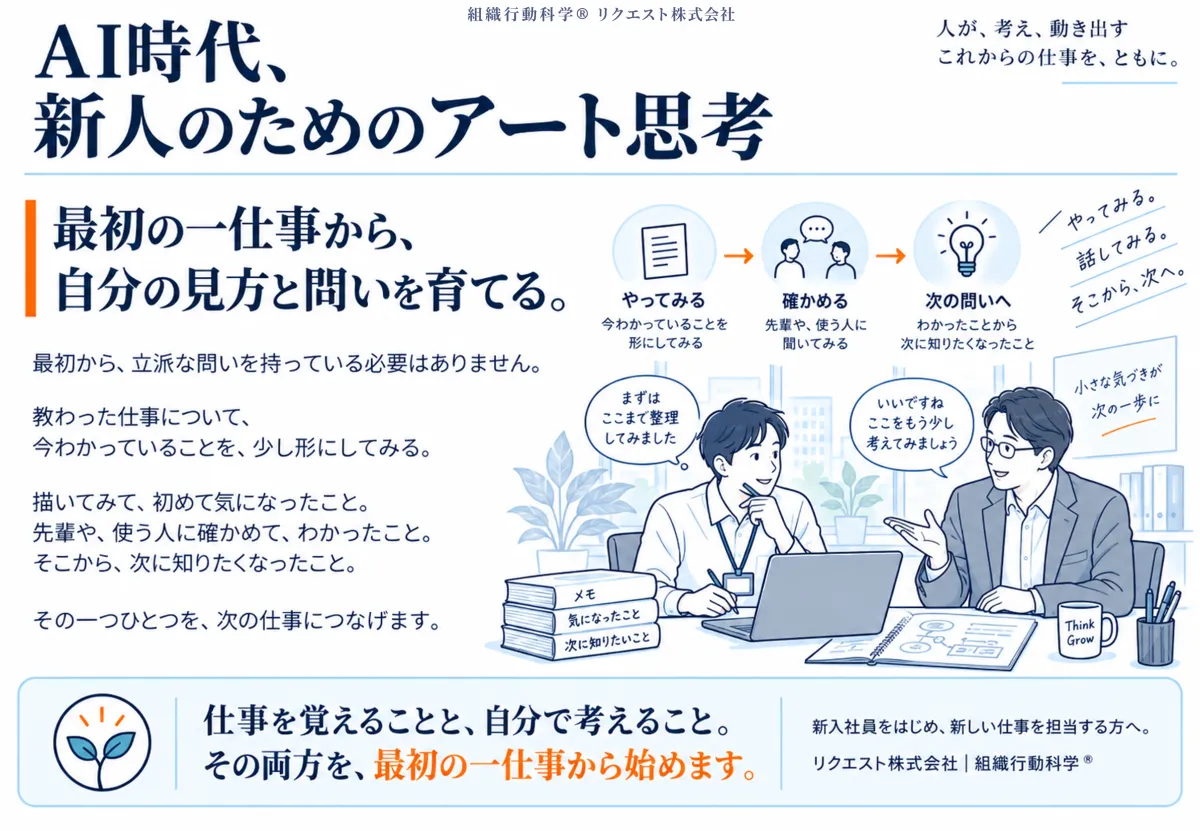
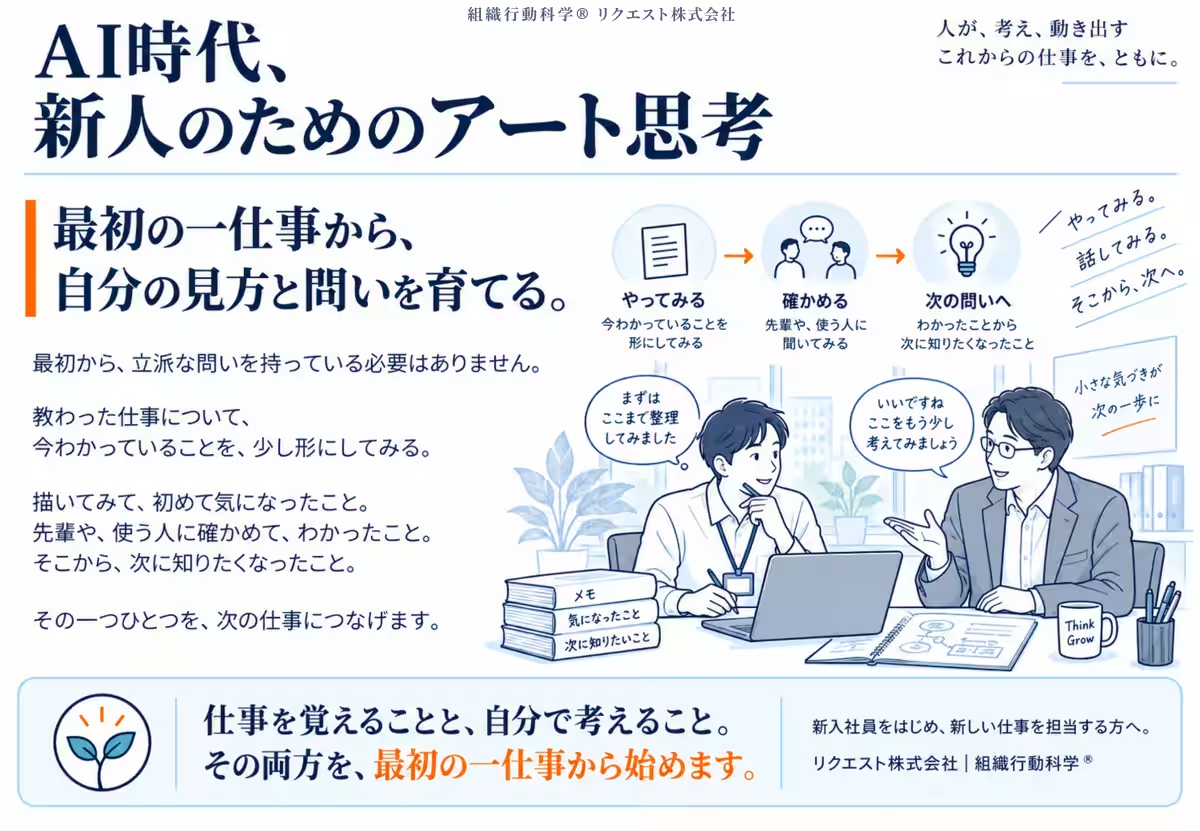
In an era dominated by artificial intelligence, Request Co., Ltd. has unveiled a vital resource titled 'Art Thinking for New Employees,' comprising ten detailed pages designed to nurture a fresh perspective and questioning mindset from the outset of their careers. This toolkit serves as a practical entry point for those who are new or transitioning to different responsibilities at work.
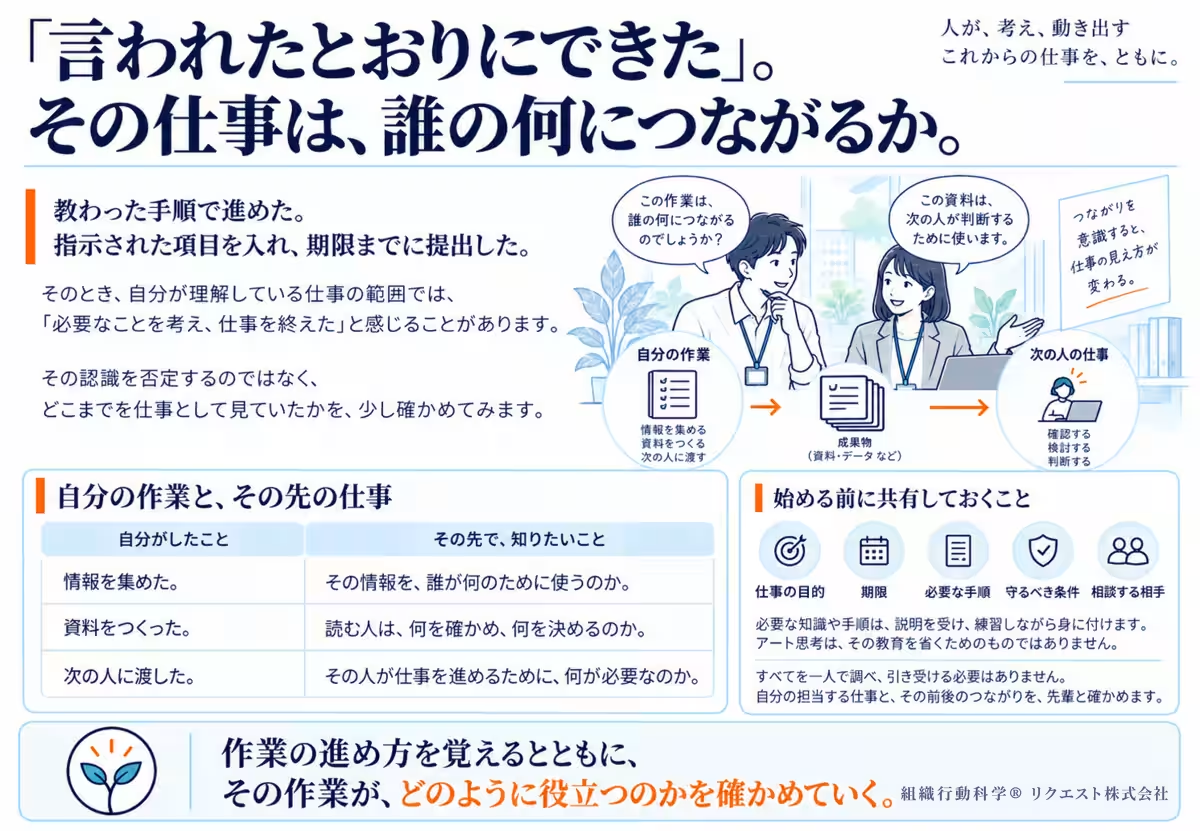
As the integration of AI continues to reshape job environments, accessing information and structuring writings has become vastly more efficient. However, it is crucial for newcomers not just to finish their tasks but also to understand the broader implications of their work—who it serves, what needs to be verified, where consultations are necessary, and how to make well-informed judgments.
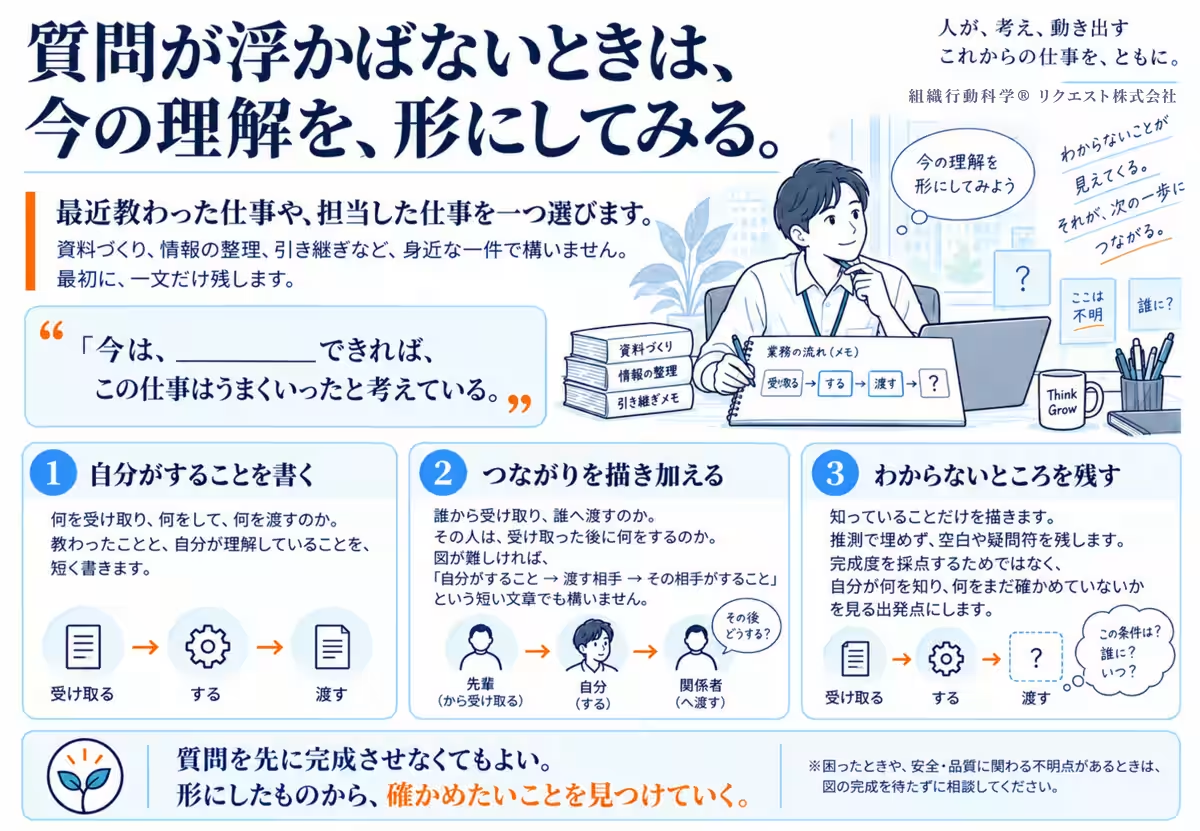
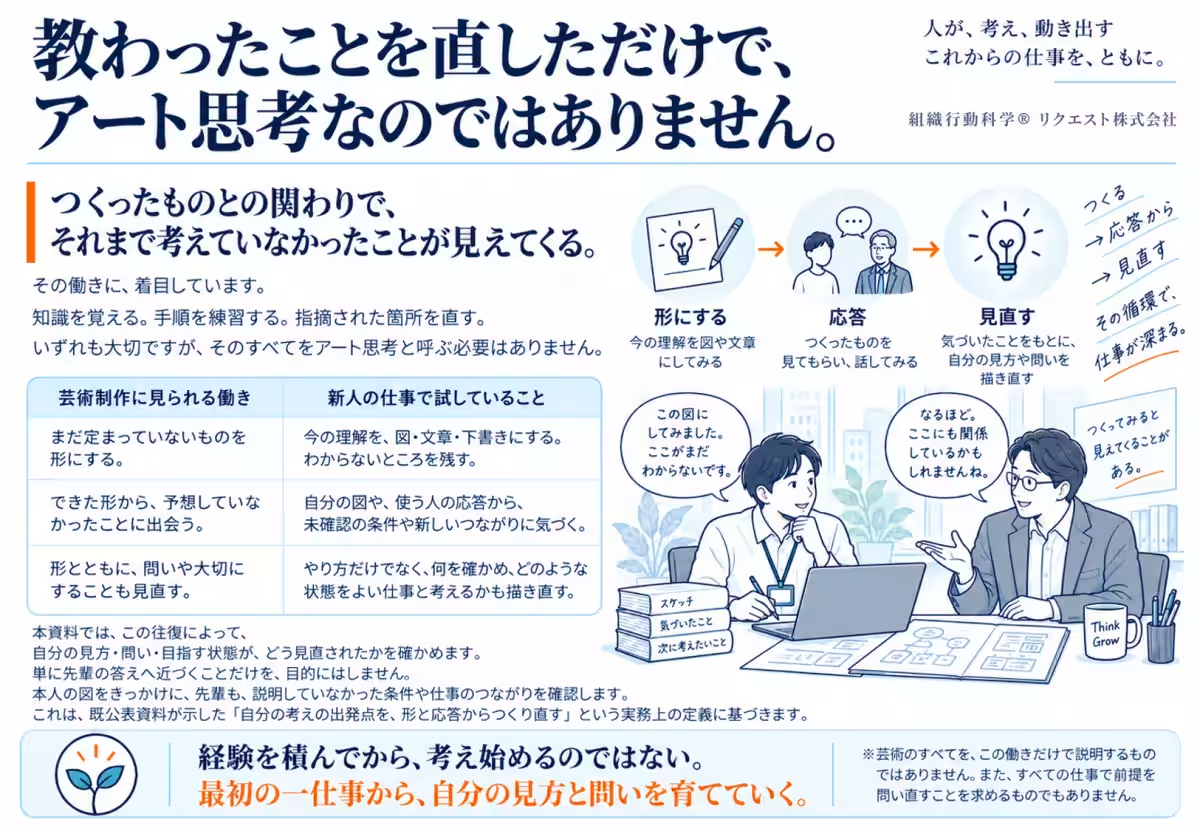
The 'Art Thinking for New Employees' guide does not demand high-level abstract thinking from the start. Instead, it encourages newcomers to shape what they presently understand and engage with their environment for feedback, thereby cultivating their view and future inquiries through actual practice.
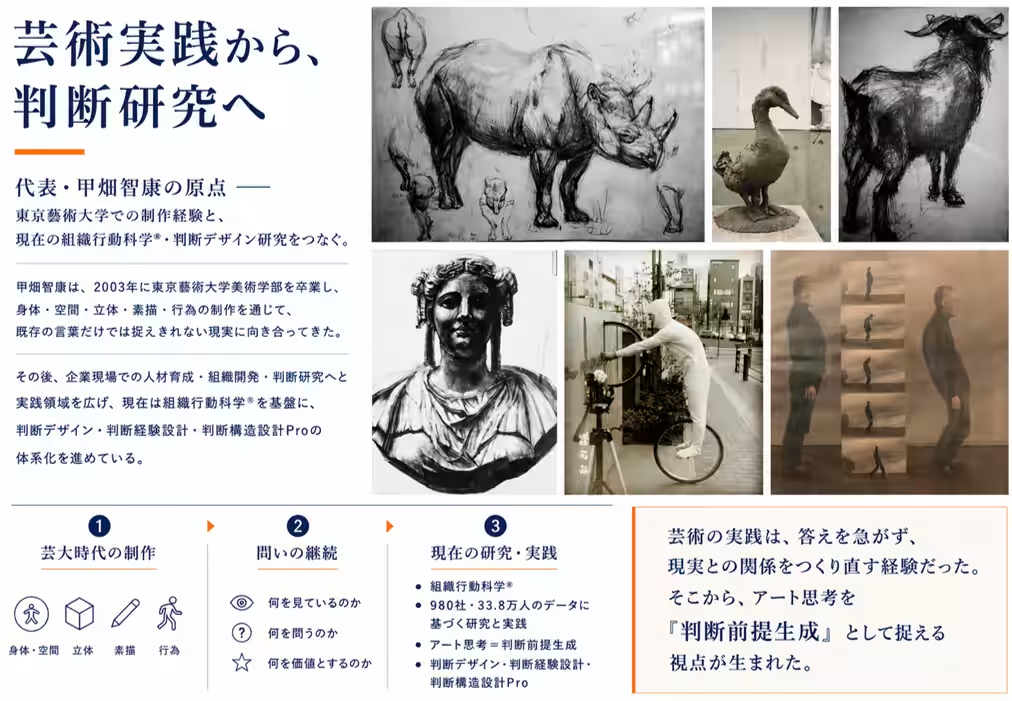
In this document, art thinking is contextualized not merely as creative freedom or unique expression but as a practice that revolves through tangible creations back to reality, allowing individuals to reshape their perspectives and objectives. Thus, it has been organized to connect this philosophy with the practical work duties of new employees in a concrete manner.
Starting Point for New Employees
The journey begins with identifying a foundational starting point for newcomers. On page two, the document clarifies that no grand questions need to be established initially; instead, it emphasizes starting from familiar tasks. This perspective transforms the content from an esoteric method for a select few into actionable practice grounded in everyday responsibilities.
As the pages progress, they encourage a broader view of what it means to feel accomplished in one’s work. Page three poses questions about how what one perceives as completed tasks connect to future endeavors. This naturally lays the groundwork for understanding the significance of perspective-taking and validation later in the material.
If new questions don't arise immediately, page four encourages readers not to halt their processes. Instead of reaching for fully formed inquiries, it highlights the importance of transforming current understanding into something actionable, paving the way for subsequent validation and comprehension.
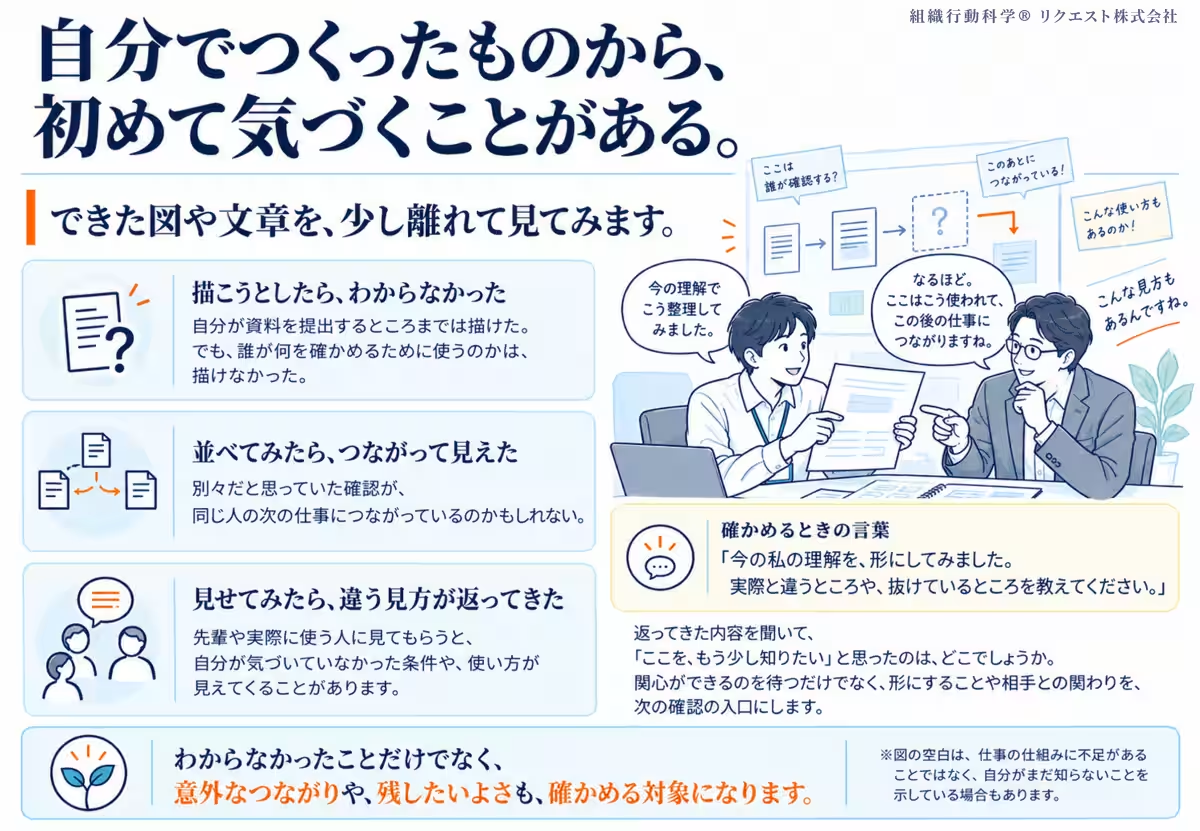
After shaping their thoughts, individuals may discover insights that they had previously overlooked. Page five illustrates that stepping back to view what they created or sharing it with others can reveal new observations. This passage underscores that the act of creation is not a solitary sorting task but a catalyst for subsequent verification and dialogue.
Redefining the Improvement Process
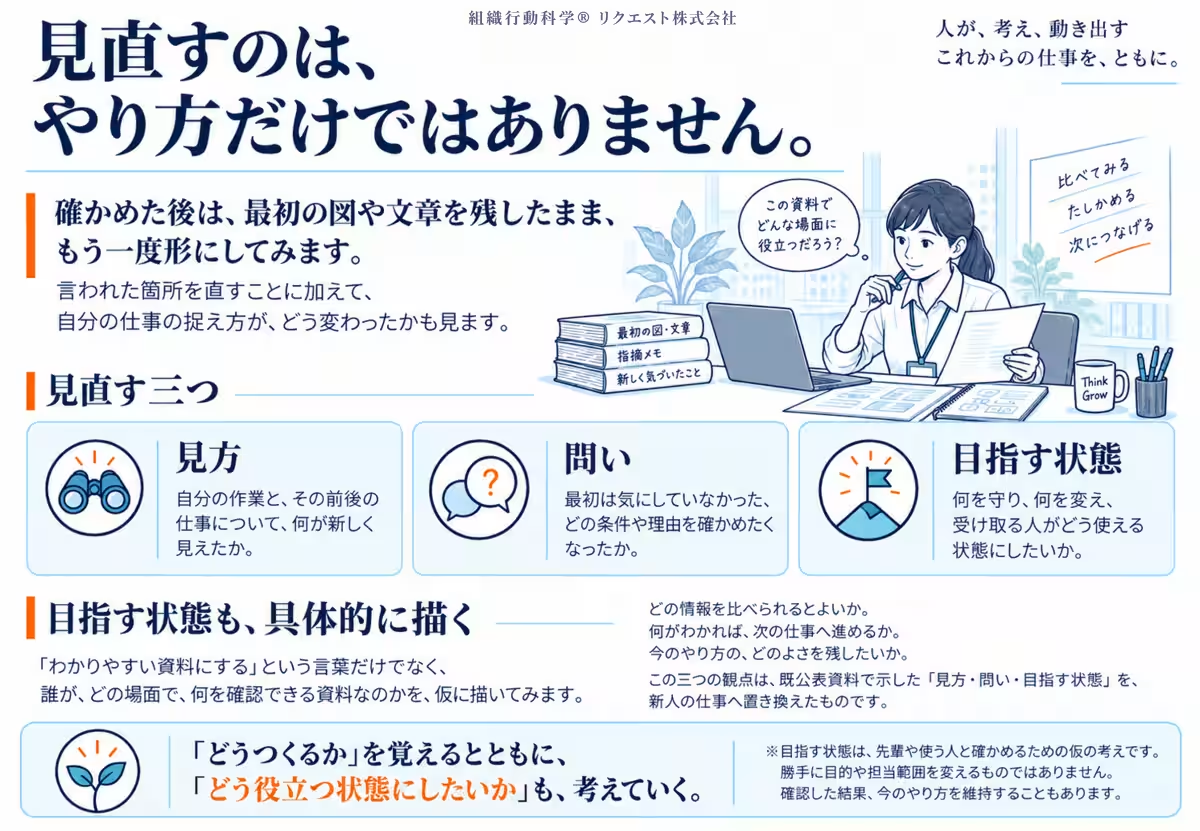
Moving beyond mere procedural corrections, page six emphasizes that the positive outcomes from validation broaden understanding, enabling new ways of thinking and confirming future endeavors. This encourages recognition that the document's application extends well beyond 'just improving methods' but touches upon a deeper understanding of work itself.
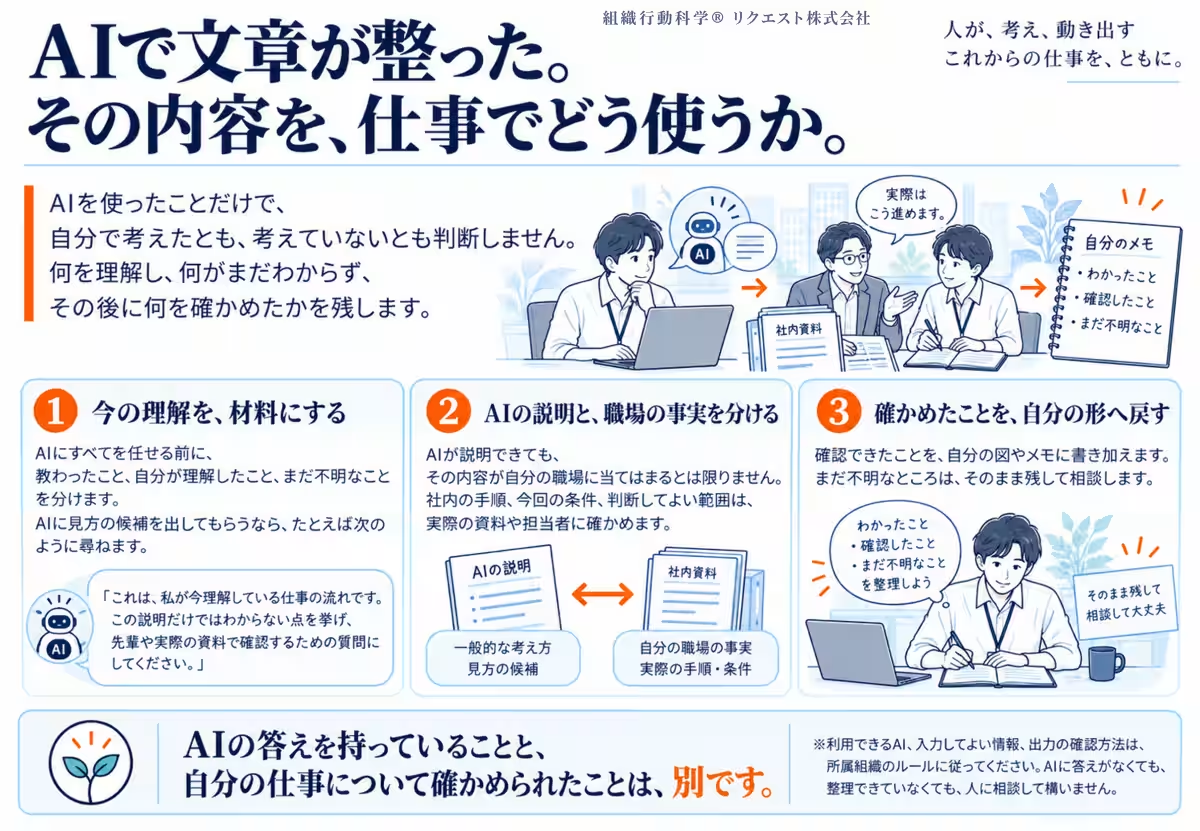
AI's role is then integrated into this framework. Page seven progresses to how to handle the output created with AI tools within job contexts. It clarifies that AI outputs should not be accepted uncritically; careful consideration of one’s understanding in relation to workplace truths is essential.
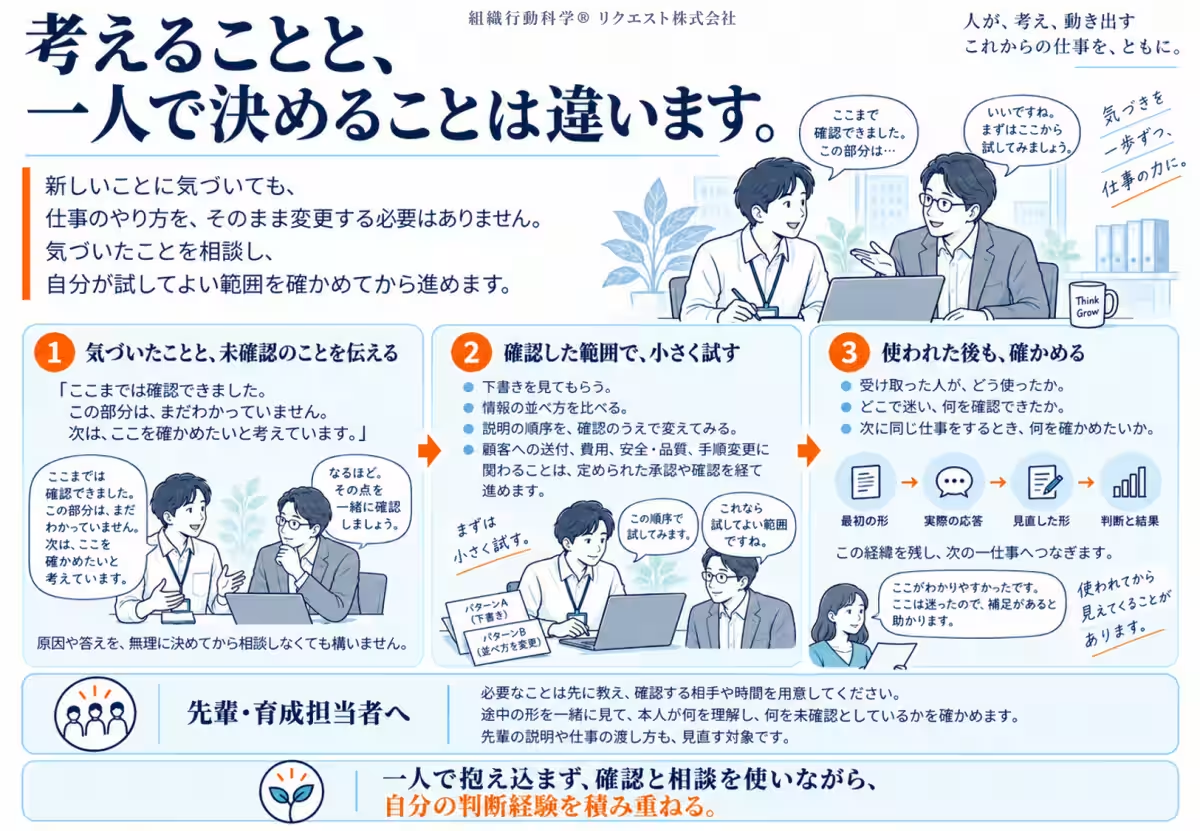
Finally, important distinctions are made concerning the difference between 'thinking' and 'independent decision-making' on page eight. New insights shouldn't trigger immediate unilateral changes; instead, consultation and validation must underpin handling these observations. This section reaffirms that the document is designed to nurture judgment experiences within the working context rather than merely promoting unilateral decision-making.
Relating Theory to Practice
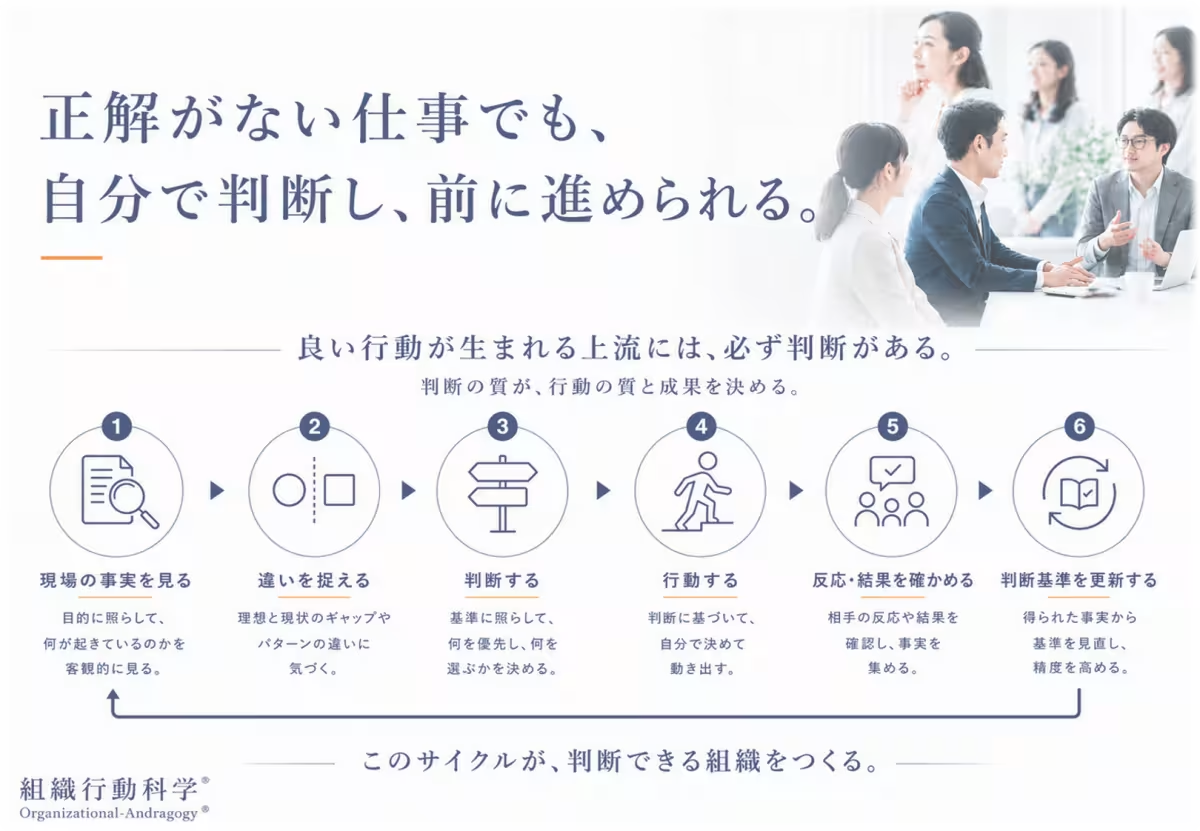
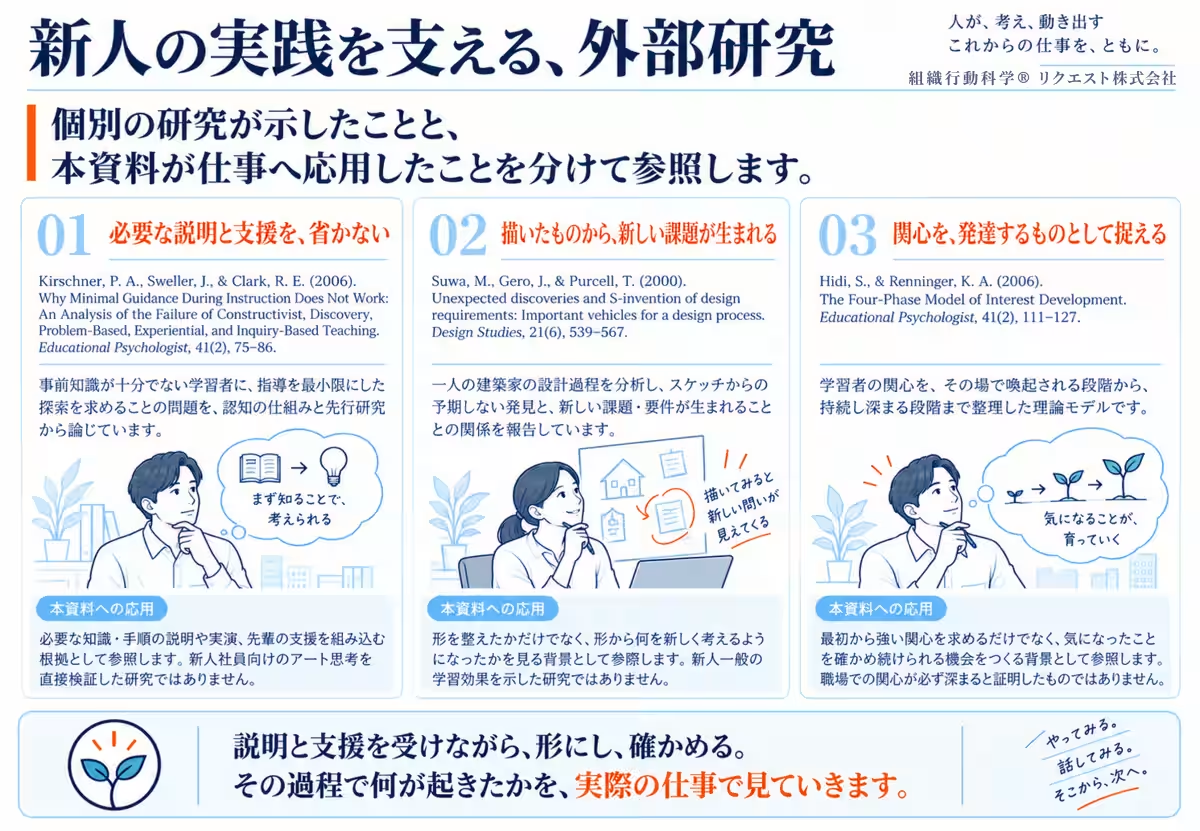
The document also encompasses a review of external research relevant to the perspectives adopted. The process unfolds from the personalization of the new employee's experience, through shaping and validating their work, returning to practical engagements.
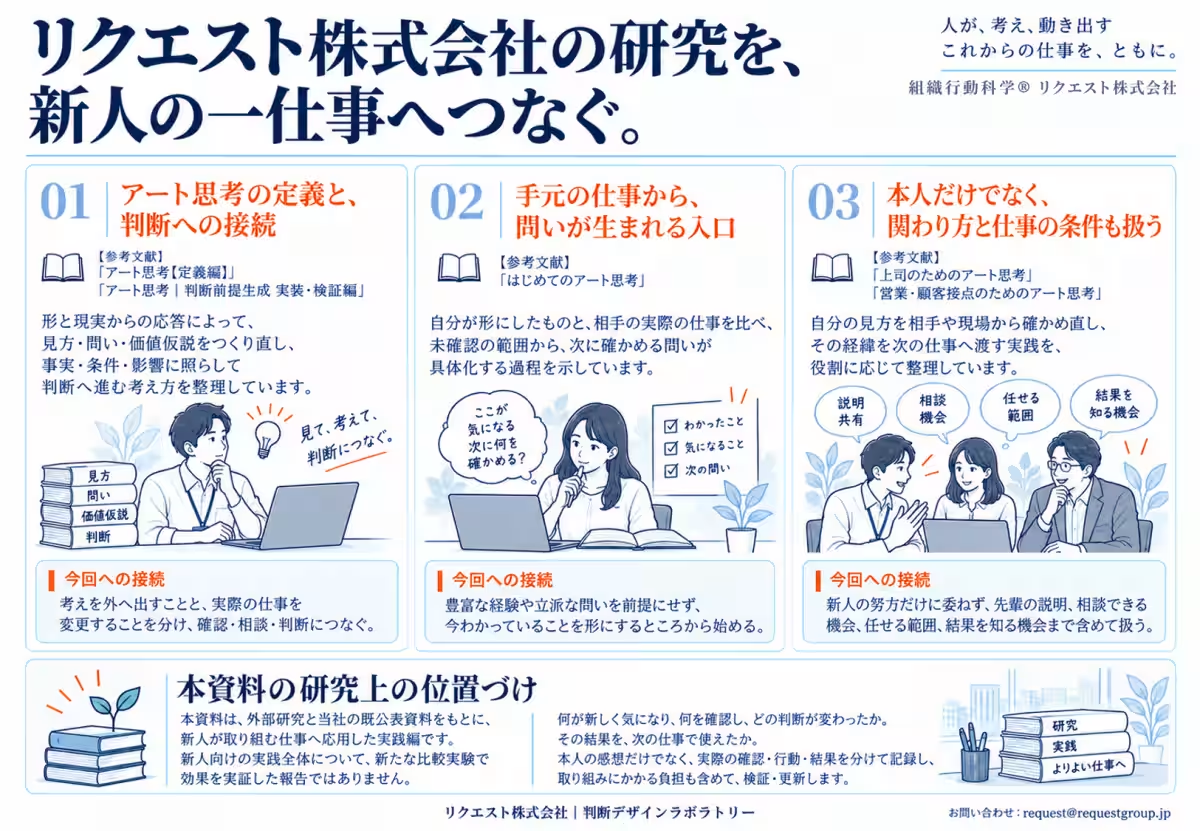
Its final pages connect the ideas presented in previous studies on art thinking and decision-making, establishing a clear link to how these elements weave into the responsibilities assigned to newcomers. It balances the roles of mentors, opportunities for questions, and delegation, offering insights into their critical interactions.
For those keen to explore further, a PDF version of 'Art Thinking for New Employees' is available for free. This comprehensive tool invites new hires to reflect on their recent tasks while also serving as a resource for mentors and supervisors discussing what has been understood, what remains unclear, and where additional guidance is beneficial.
Conclusion
In conclusion, 'Art Thinking for New Employees' by Request Co., Ltd. is more than just a guide—it's a blueprint for integrating creativity and critical thinking practices within the demanding landscape of modern work, especially amidst the transformational shifts prompted by AI. Engaging with this material will prepare newcomers to not only adapt but thrive in their new professional environments.

Topics People & Culture)
【About Using Articles】
You can freely use the title and article content by linking to the page where the article is posted.
※ Images cannot be used.
【About Links】
Links are free to use.