


Understanding the Importance of Pure Alcohol Amount in Drinking Habits
The Need for Awareness in Alcohol Consumption
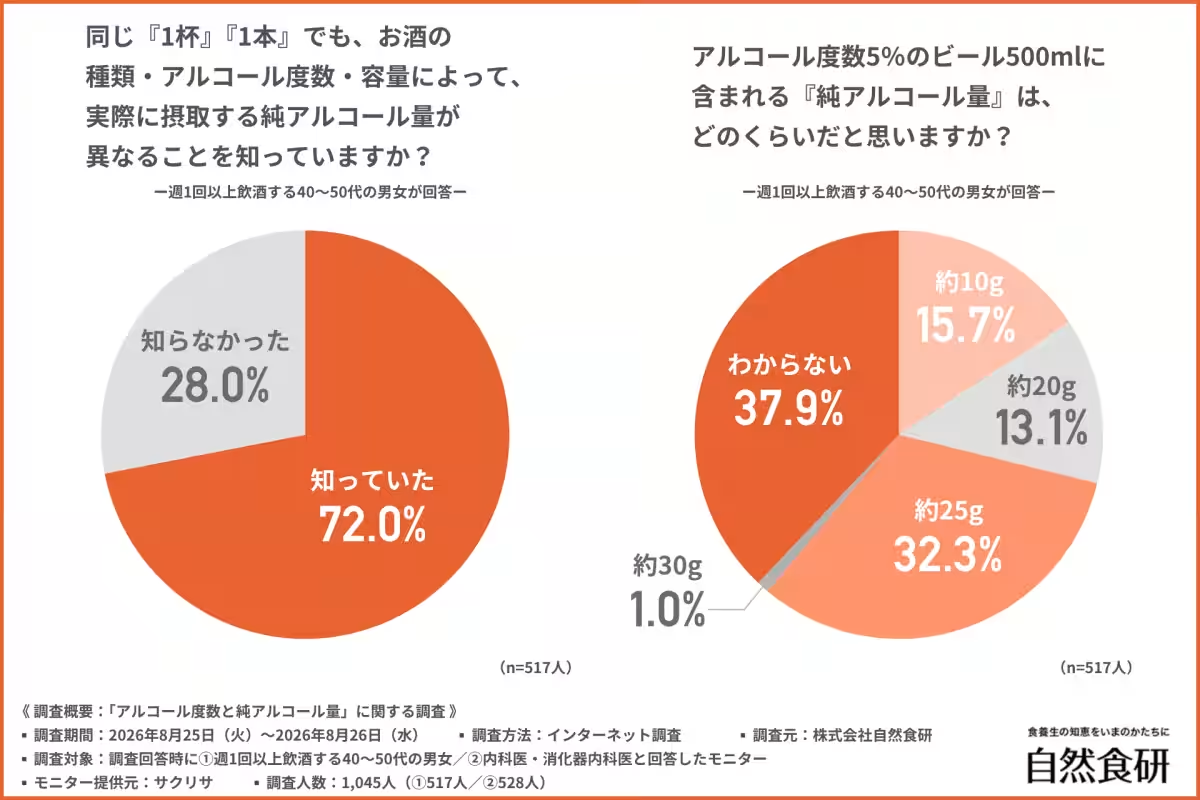
A recent study conducted by Sizen Shokken Corporation in Oita Prefecture revealed a concerning lack of awareness regarding pure alcohol content among those who consume alcohol regularly. With only 13.1% of participants accurately knowing the pure alcohol amount in a 500ml beer, it's evident that many drinkers struggle to quantify their intake accurately.
The study targeted men and women in their 40s and 50s who drink at least once a week, alongside healthcare professionals, to understand perceptions around alcohol consumption and management.
The Growing Trend of Low Alcohol Drinks
In light of a growing health consciousness, many consumers are opting for low-alcohol beverages that promise a more palatable drinking experience. However, as the Japanese Ministry of Health, Labour and Welfare highlights in its "Health Japan 21 (Third Phase)" initiative, keeping track of pure alcohol consumption is vital to prevent lifestyle diseases. The recommended limits suggest a daily intake of no more than 40g for men and 20g for women. While these guidelines exist, they can often feel abstract without practical application in daily choices.
Choices Influenced by Type and Taste
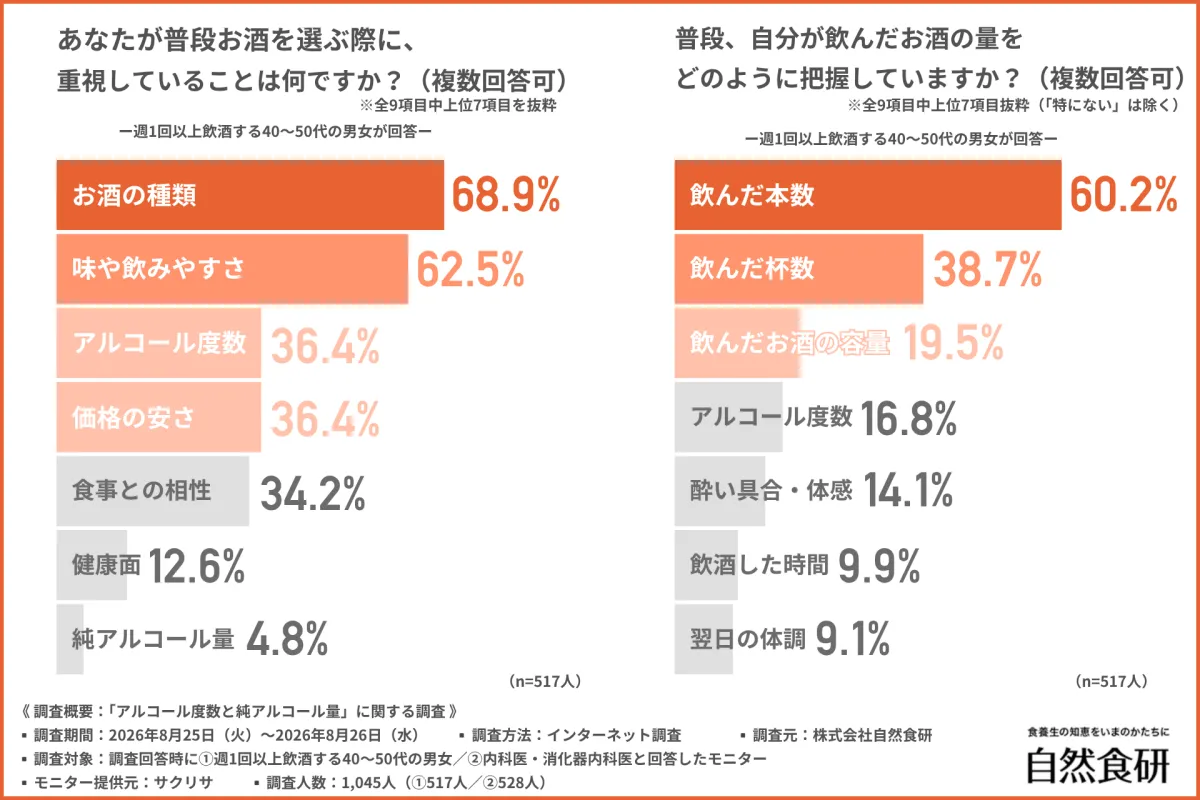
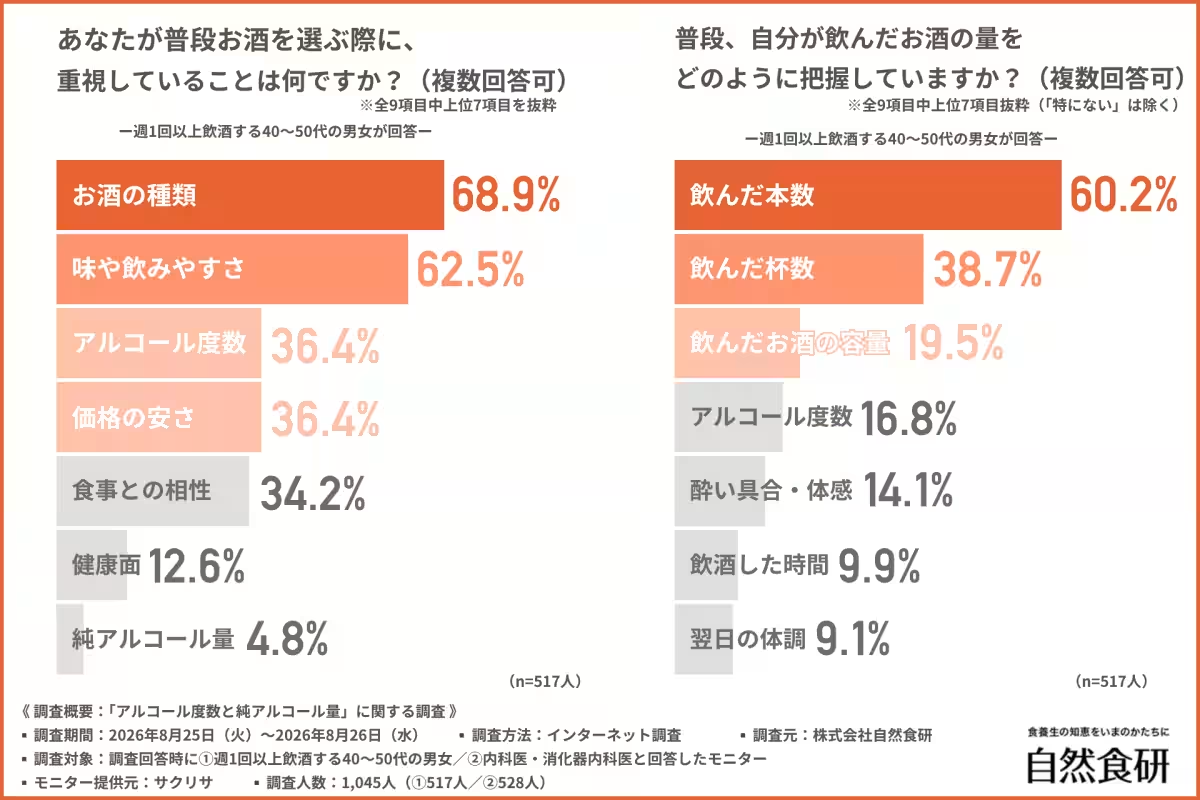
Survey participants indicated that their most significant considerations when choosing an alcoholic beverage were type (68.9%) and flavor (62.5%), with alcohol percentage being a factor for 36.4%. This reinforces the idea that personal preference heavily influences decisions, overshadowing the more technical aspects of alcohol management.
When asked how they track their consumption, the majority (60.2%) counted by the number of drinks consumed, and 38.7% measured using the number of cups. This easy-to-visualize method is a common practice, but it lacks precision when compared to the analysis of pure alcohol content, which varies widely by drink type and strength.
Knowledge Does Not Equal Practice
While 72.0% of respondents were aware that pure alcohol content differs based on drink type, only a small percentage grasped the specifics. When asked how much pure alcohol is present in a 500ml beer at 5% alcohol content, a staggering 37.9% admitted they didn’t know. This indicates a knowledge-action gap that leaves many overestimating or underestimating their consumption, complicating their journey to responsible drinking.
Patient Perceptions in Medical Insight
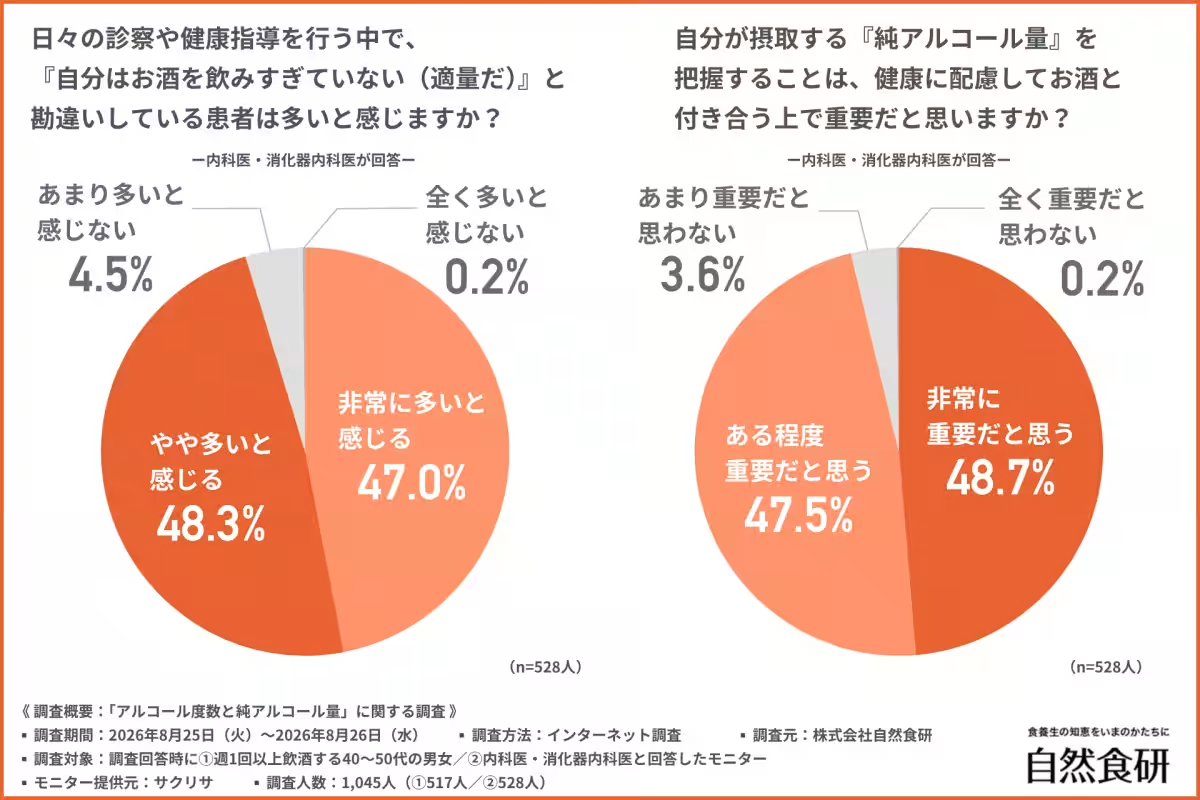
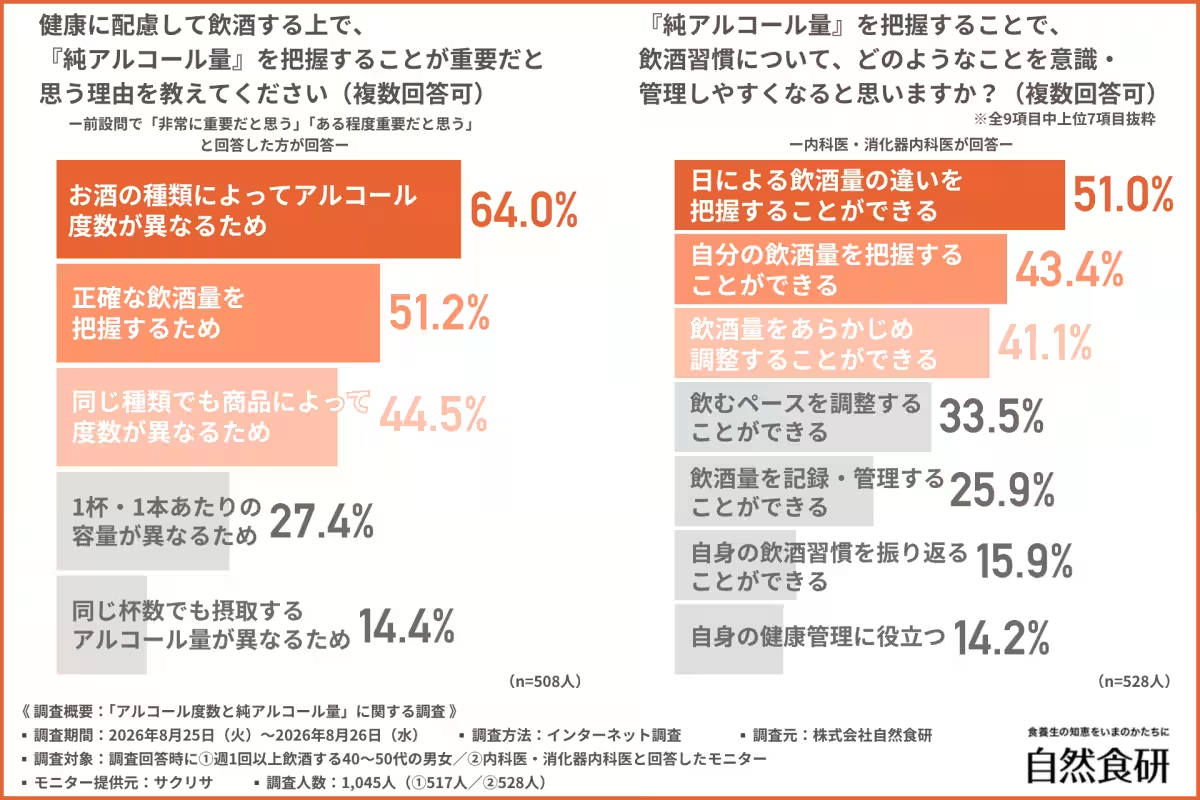
Turning to healthcare professionals, over 90% of surveyed internal medicine and gastroenterology doctors perceives that many patients mistakenly believe their drinking levels are appropriate. This disconnect emphasizes both the public's misunderstanding of what constitutes safe drinking and the need for better educational resources. The doctors agree that being aware of pure alcohol levels is essential for maintaining health while enjoying alcoholic beverages.
Bridging the Gap
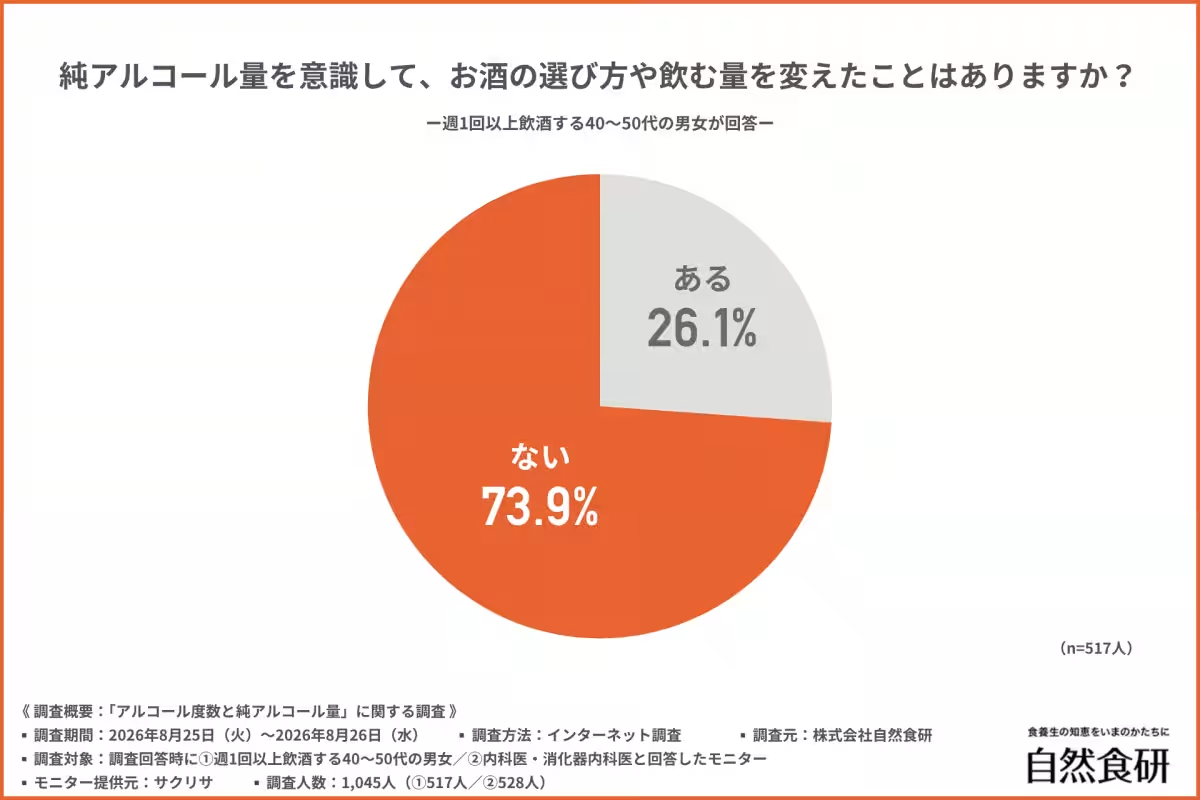
The survey also revealed that only about 30% of participants had made adjustments to their drinking habits based on pure alcohol awareness. This underlies the need for better communication and strategies that emphasize practical alignment between knowledge and behavior.
Practical Recommendations from Medical Experts
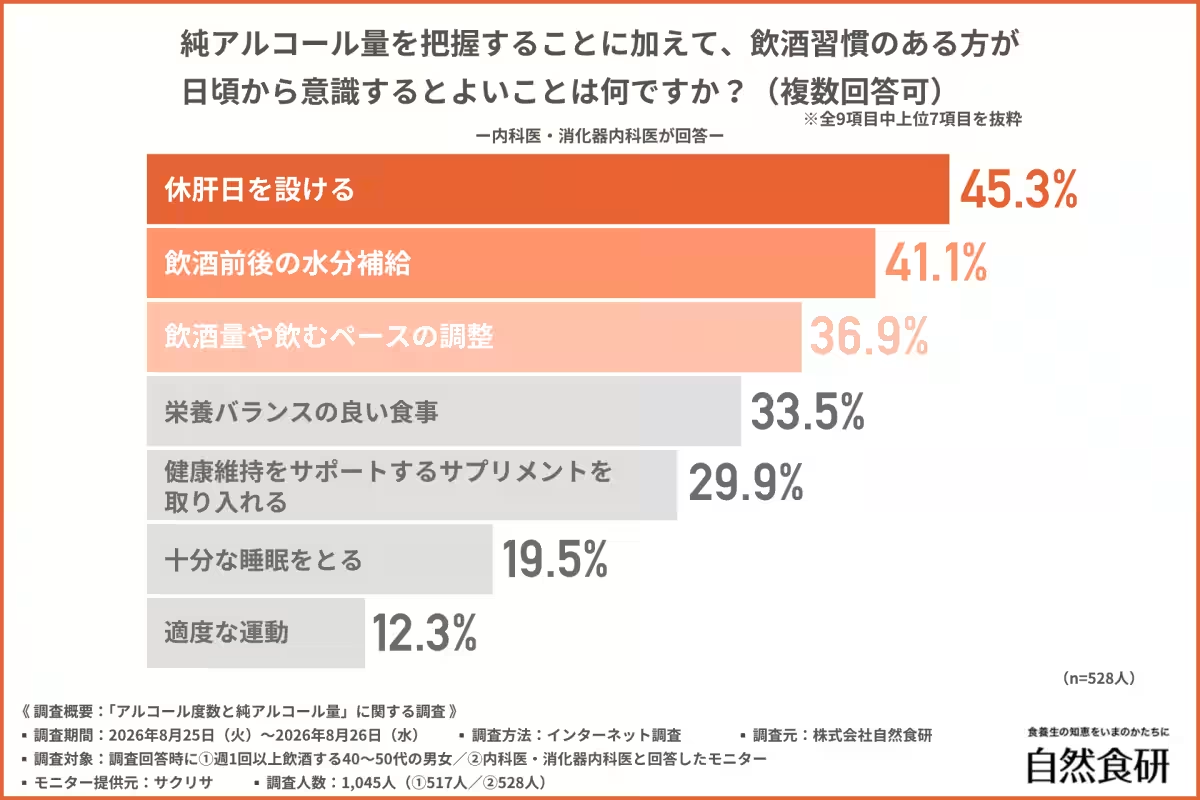
When asked about healthy drinking practices, doctors suggested measures such as allocating rest days from alcohol (45.3%), maintaining hydration (41.1%), and adjusting consumption levels based on personal limits (36.9%). Moreover, incorporating health supplements was noted as an option to fortify nutritional intake. This multifaceted approach reinforces the concept that conscious drinking goes beyond just monitoring alcohol levels; it involves an encompassing lifestyle change.
Conclusion: Moving Towards Better Alcohol Management
This research has unveiled a significant gap in how alcohol intake is perceived and managed among typical consumers, compared to the insights from healthcare professionals. While many recognize their inclination to manage consumption by counting drinks, there’s an evident lack of comprehension regarding the pure alcohol amounts involved. Hence, fostering a clearer understanding of pure alcohol content must be prioritized to promote healthier drinking habits. It's also essential to pair this knowledge with practical strategies that encourage responsible choices—fostering a healthier, more informed relationship with alcohol consumption.
For those seeking to enhance their alcohol education and health, incorporating tools such as informative guides on alcohol content and supportive community practices could be beneficial. Additionally, Sizen Shokken's product "Shijimi Habit" offers a nutritious complement to healthier drinking.
For further information and to explore healthier options, you can visit Sizen Shokken.
Topics Health)






【About Using Articles】
You can freely use the title and article content by linking to the page where the article is posted.
※ Images cannot be used.
【About Links】
Links are free to use.