



The Rise of Interest in Relocating to Okinawa: Insights from a Resort Job Survey
Increasing Interest in Moving to Okinawa
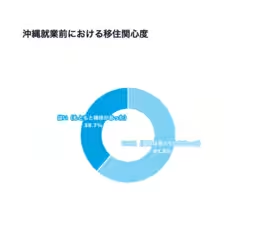
A recent survey conducted by Dive Inc. has uncovered a noticeable shift in the perception of relocating to Okinawa, following experiences in resort employment. Prior to starting their jobs, only 38.7% of participants were considering moving to the beautiful tropical island, but this number surged to 59.1% after their work experience. This increase highlights how direct exposure to local life shapes individuals' thoughts about relocation, suggesting that immersive experiences can greatly influence one's perspective on potential life changes.
Background of the Survey
Dive Inc., which specializes in workforce solutions for over 5,900 tourist facilities across Japan, focused their efforts on individuals based in Okinawa who had previously worked or were currently working in resort jobs. The motivation behind this survey stems from the growing recognition of the tourism sector as a crucial driver of Japan’s economic growth. The latest data indicates that the number of tourists visiting Okinawa reached 10,935,800 in 2025, marking a remarkable increase of 9.9% compared to the previous year. However, while tourism flourishes, the region faces a significant labor shortage, with a mere 29.3% of hotels reporting no staffing issues during the peak tourist season.
The Survey Findings
The survey results are compelling, highlighting the transformation in attitudes and intentions regarding migration:
- - Significant Growth in Relocation Interest: After experiencing the local job environment, the interest in relocating surged by 1.5 times, demonstrating the power of work experience on shifting mindsets.
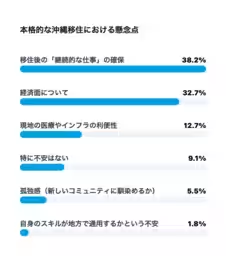
- - Top Concerns for Potential Movers: The primary worry for those contemplating a permanent move is securing continuous employment (38.2%), followed closely by economic factors (32.7%).
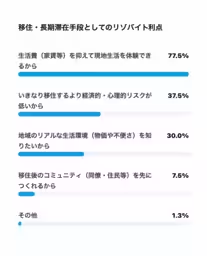
- - Resort Jobs as a Catalyst: A significant 77.5% emphasized that the ability to experience life in Okinawa while minimizing living expenses was a major deciding factor for selecting resort jobs.
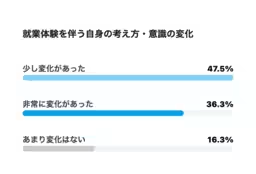
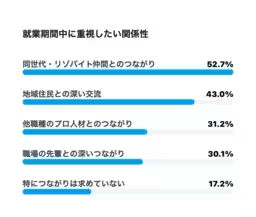
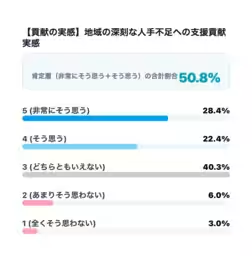
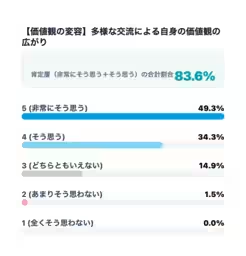
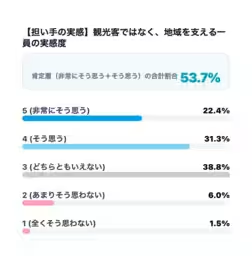
- - Community Engagement: Many respondents (83.8%) sensed a change in their outlook due to their experiences, with over half (53.7%) feeling a newfound sense of belonging to the region as contributors, rather than merely outsiders.
Participant Demographics
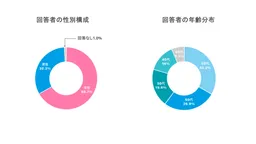
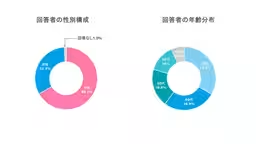
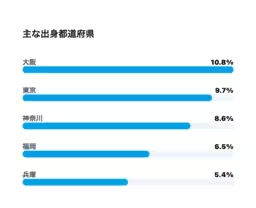
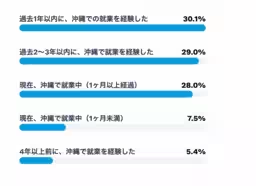
The respondents hailed primarily from major metropolitan areas, particularly Osaka (10.8%), Tokyo (9.7%), and Kanagawa (8.6%), showcasing a distinct trend wherein urban populations consider resort jobs a pathway to explore life outside the city. Approximately 30.1% of respondents had worked in Okinawa within the last year, while 28% were currently employed, shedding light on the appeal of these positions.
Employment Decisions and Influences
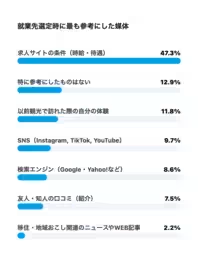
In making their employment decisions, participants predominantly relied on job listing conditions such as hourly wages and benefits (47.3%). Various factors influenced their move towards Okinawa, particularly prior job experiences and favorable reviews shared via social media platforms.
Transformative Experiences Shaping Future Choices
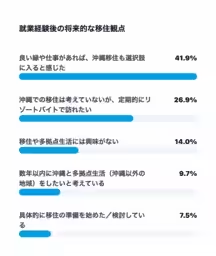
The survey further delved into individuals' evolving perceptions of work and community. Before starting in resort jobs, many participants were indifferent to the idea of relocating, but substantial shifts occurred post-experience. Although only 38.7% initially considered relocating, perceptions changed dramatically, with 41.9% open to the possibility if suitable employment was found.
Overcoming Barriers to Relocation
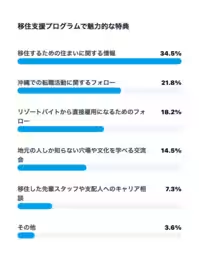
The main barrier identified for those wishing to move to Okinawa is continuing job security. Many shared how crucial initial job experiences provided not just employment opportunities but also connections with the local community. The survey underscores the importance of tailoring relocation programs to address employment stability and economic factors.
Engagement with Local Culture
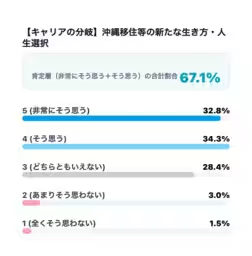
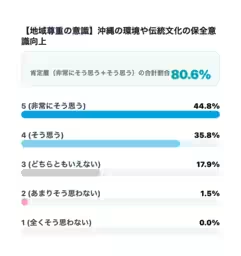
Participants also expressed a deepening understanding and appreciation of Okinawa’s natural environment and cultural preservation. More than 80% reported an increased commitment to safeguarding the region's culture and natural beauty following their work experiences. 61.2% showed interest in pursuing local career opportunities that promote regional contributions, indicating a shift towards valuing local engagement over urban-centered careers.
Conclusion
The findings of this survey illustrate a compelling narrative about Okinawa as a potential relocation site. Through temporary employment, individuals not only experience the local lifestyle but also find opportunities for personal growth, career reconsideration, and a renewed sense of belonging. Companies and policymakers must tap into this trend by providing adequate support and information to harness the potential of new movers to Okinawa, ultimately contributing to the region's vibrant tourism ecosystem.

Topics Consumer Products & Retail)
【About Using Articles】
You can freely use the title and article content by linking to the page where the article is posted.
※ Images cannot be used.
【About Links】
Links are free to use.