




The Challenge of Addressing Dietary Diversity in Japan's Restaurants Amid Inbound Tourist Boom
The Challenge of Addressing Dietary Diversity in Japan's Restaurants
The recent surge in inbound tourism to Japan, with projections of over 20 million visitors by August 2025, brings significant opportunities for the nation's restaurant industry. However, it also unveils a critical shortcoming: the struggle to cater to the growing demands for vegan and vegetarian options. In an extensive survey conducted by TableMark Co., Ltd., involving 300 restaurant industry professionals, the findings spotlight both the appetite for change and the barriers that remain in embracing dietary diversity.
Rising Demand for Vegan and Vegetarian Options
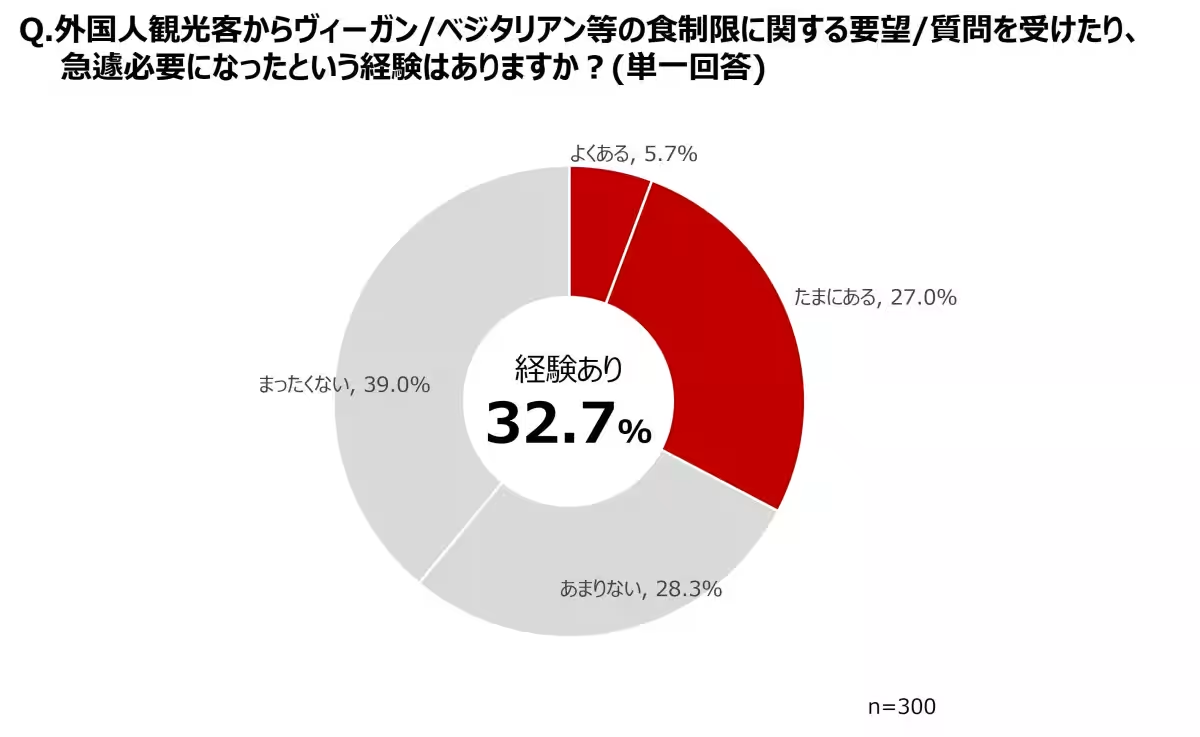
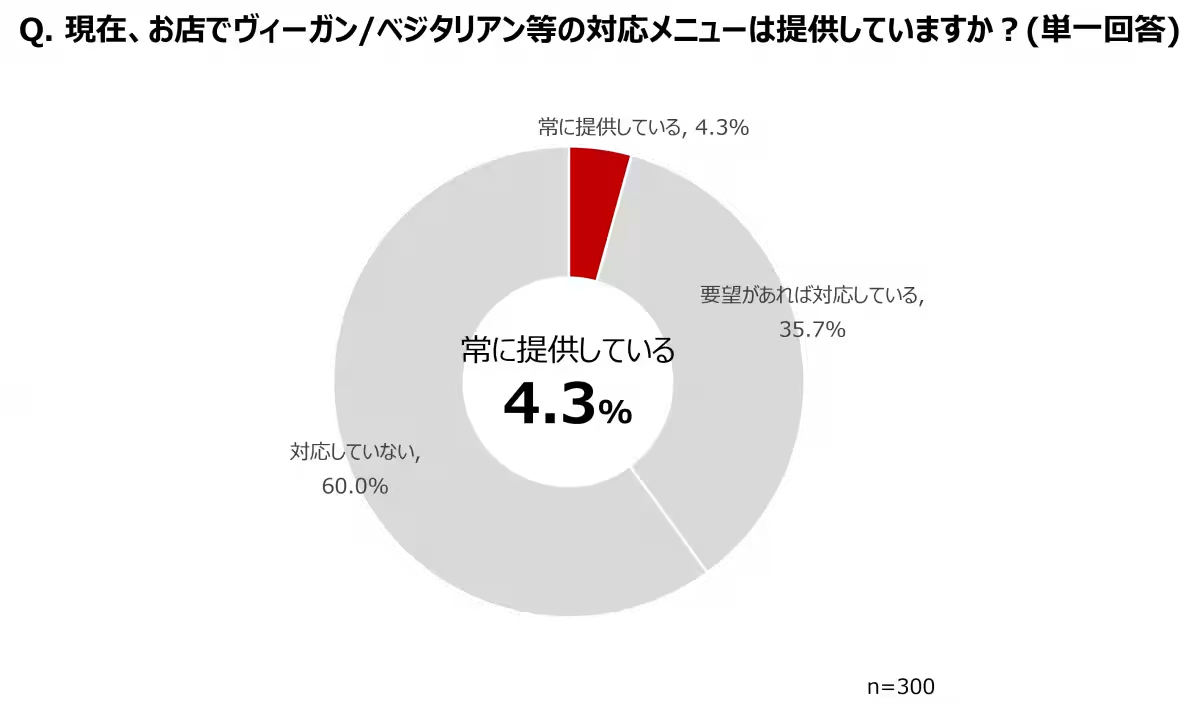
As the number of foreign visitors continues to rise, the expectation for diverse dining experiences increases. Remarkably, over 32.7% of surveyed restaurants reported receiving requests for vegan or vegetarian meals, pointing to a significant shift in customer preferences. However, the reality is stark; less than 5% (4.3%) of establishments claim to consistently offer options for these diners. Among the rest, most restaurants are either hesitant or unable to accommodate such requests.
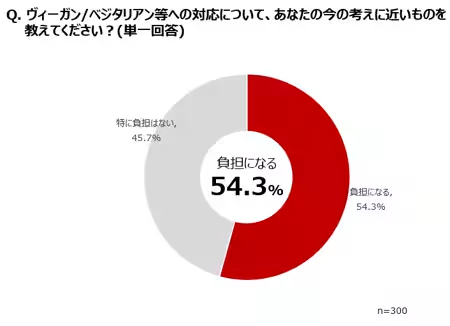
The survey revealed that over half (54.3%) of the respondents viewed catering to vegan and vegetarian customers as an added burden. Despite an eagerness to meet dietary restrictions, many face logistical dilemmas around staffing, ingredient sourcing, and operational constraints, creating a “catch-22” situation. This scenario presents a clear challenge for restaurants looking to optimize their menus while also maintaining commitments to quality and customer satisfaction.
Challenges in Implementation: Kitchen Operations and Menu Development
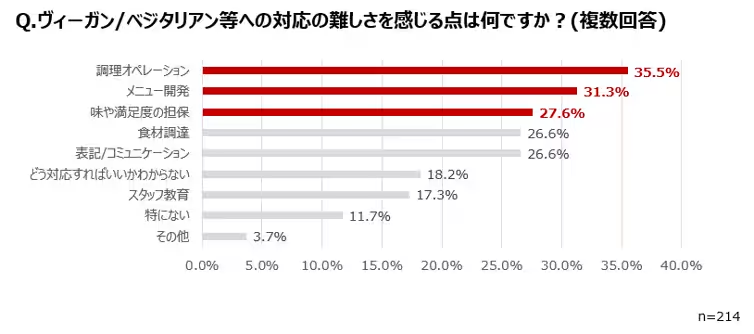
The difficulties that restaurants encounter when attempting to implement vegan and vegetarian menu options are multifaceted. A significant 35.5% cited challenges related to kitchen operations, while 31.3% pointed to difficulties in menu development. Flavor and satisfaction assurance was also a concern for 27.6% of respondents. As establishments ponder how to meet these dietary needs, it's evident that the struggle to maintain high standards without sacrificing inclusivity looms large.
Critical feedback from restaurant personnel indicates everyday frustrations, including last-minute requests from diners for vegan meals, particularly when such preferences are communicated only upon arrival. Issues surrounding the lack of preparation and available menu items further complicate these interactions, demonstrating a gap in communication and expectation management. Many professionals expressed that they need clearer guidelines on these requests to elevate their service efficiency.
Support Required for Successful Dietary Adaptation
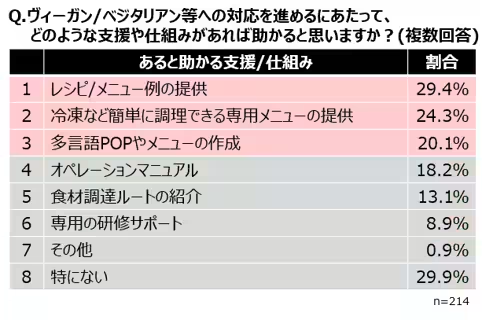
The survey also revealed what restaurant operators believe would help them better cater to vegan and vegetarian customers. Most think that providing templates or examples for menu items (29.4%) could serve as effective guidance. Additionally, pre-prepared frozen meals that are easy to serve (24.3%) were viewed as potential solutions to manage kitchen workload better. These insights illustrate that the industry would greatly benefit from supportive frameworks as it looks to diversify offerings and enhance the dining experience for patrons with specific dietary needs.
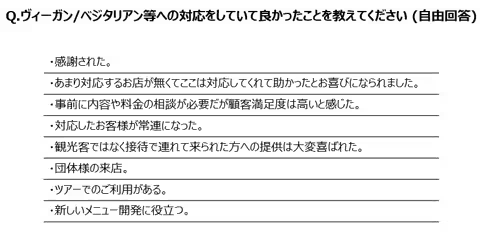
Interestingly, many restaurant owners who have ventured into vegan and vegetarian meal offerings report positive outcomes, such as increased customer loyalty, enhanced brand reputation among diverse groups, and even inspirations for new menu developments. In leveraging platforms like the BEYOND FREE initiative, restaurants can access high-quality, flavorful plant-based products that align with the growing demand while reducing operational burdens.
Conclusion: Embracing Change for Future Opportunities
To navigate these challenges effectively, restaurants in Japan must commit to exploring viable solutions and implementing strategic adjustments to their operations. By investing in staff training, diversifying their product mix, and considering the implementation of helpful resources like BEYOND FREE products, they can better accommodate the evolving dietary preferences of their clientele.
As Japan positions itself not just as a tourist destination but as a welcoming place for diverse dietary needs, the potential for growth in the restaurant sector remains substantial. It is time for dining establishments to adapt and rise to the occasion, viewing the inclusion of vegan and vegetarian options not merely as a challenge but as an opportunity to innovate and connect with a broader demographic of diners.




Topics Consumer Products & Retail)
【About Using Articles】
You can freely use the title and article content by linking to the page where the article is posted.
※ Images cannot be used.
【About Links】
Links are free to use.