




Latest Trends in Japan's Real Estate Investment Market as of February 2026
Insights into Japan's Real Estate Market
As Japan's economy steadily evolves, the latest February 2026 Market Trends Report released by Kenbiya, a subsidiary of the LIFULL group focusing on real estate investment, reveals the latest updates concerning housing-related income-generating properties across the nation. The report has highlighted crucial shifts and patterns, indicating that average prices have risen across all major categories, including sectional condominiums, entire apartments, and entire condominiums.
Key Takeaways
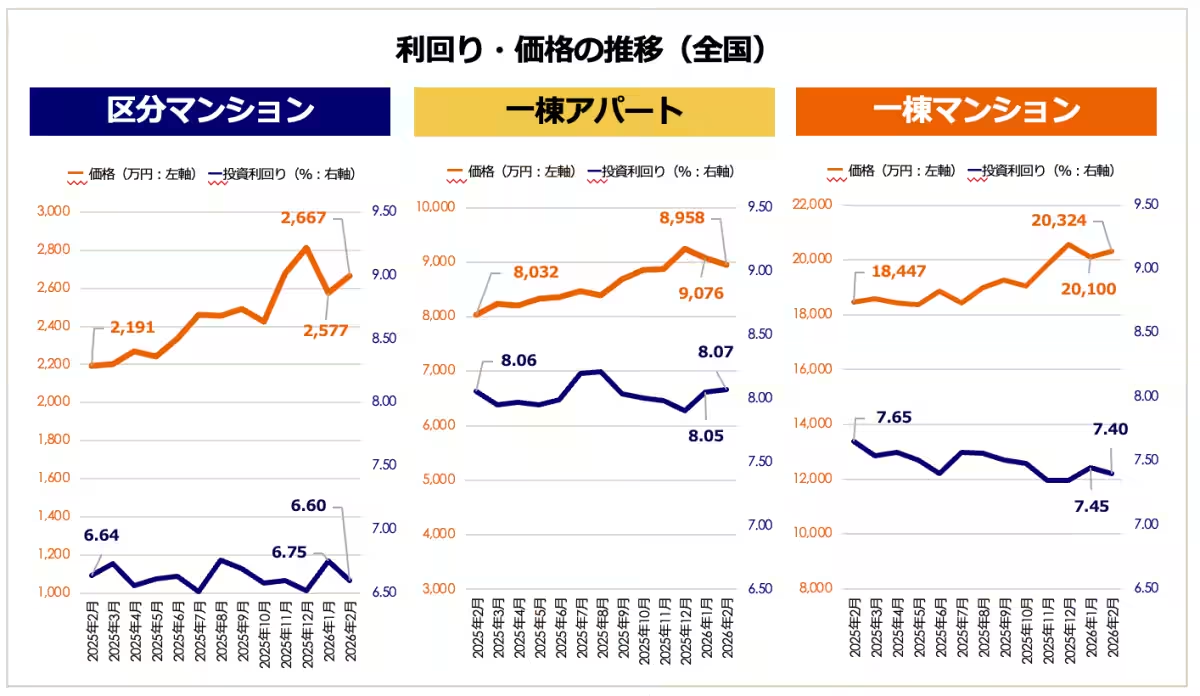
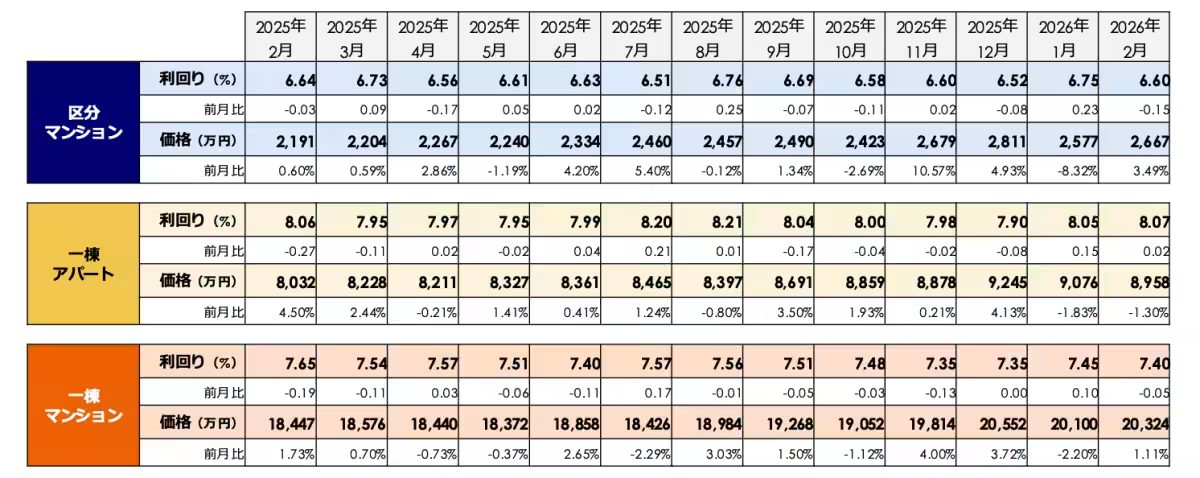
Despite little change in nationwide average prices for January, the annual comparison showcases an upward trend. The average gross yield for each category remains relatively stable. Here’s a detailed look at three property types:
1. Sectional Condominiums
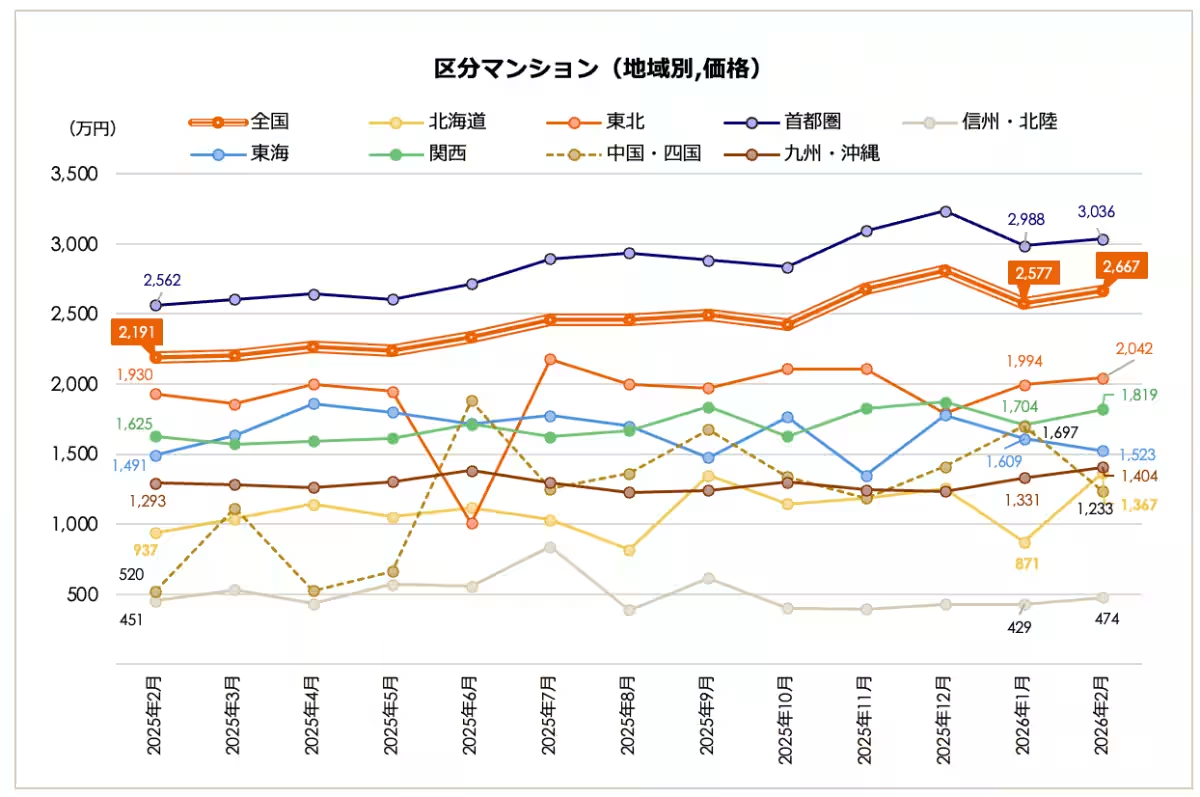
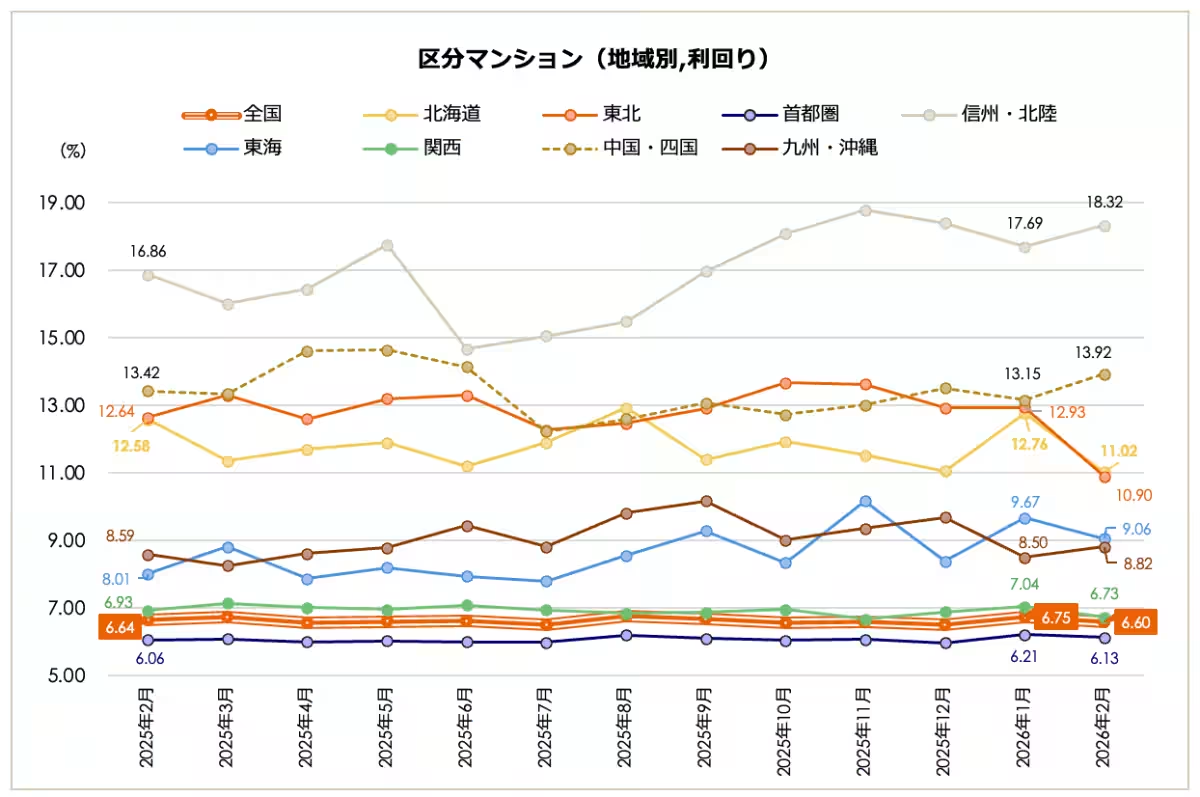
The average national price for sectional condominiums rose to 26.67 million yen, marking an increase of 3.49% from last month, and a significant 21.73% rise year-on-year. Regions such as Hokkaido and Kyushu-Okinawa saw prices hit all-time highs with Hokkaido experiencing an impressive 45.89% year-on-year increase. Despite this positive trend in pricing, the average yield faced a slight decline, directly reflecting ongoing challenges in yield generation across the board.
2. Entire Apartments
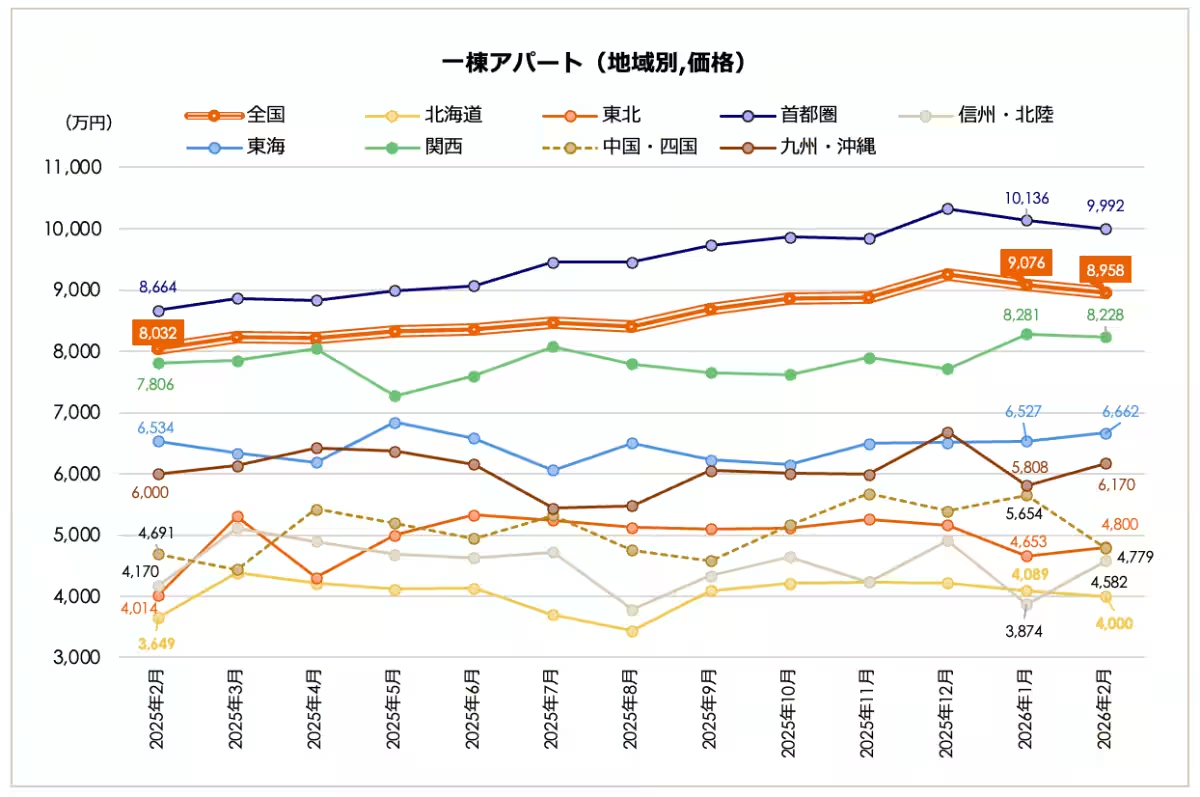
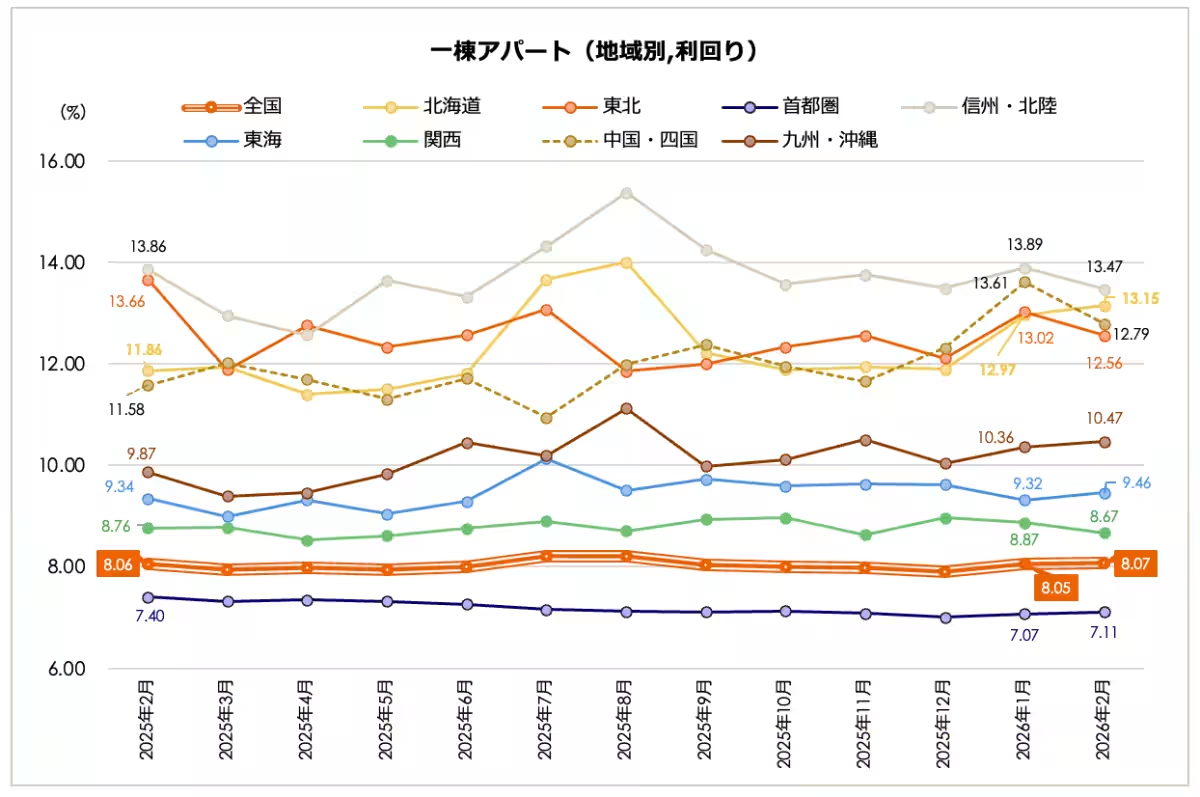
The average price of entire apartments stands at 89.58 million yen, witnessing a slight decline of 1.30% from the previous month. Yet, this is a remarkable 11.53% surge compared to last year. While yields remained fairly steady at 8.07%, notable discrepancies were evident from region to region, with some areas experiencing substantial price fluctuations. For instance, Shinshu-Niigata showed remarkable growth of 18.28% month-on-month, contrasting with a possible downturn seen in areas like Chugoku-Shikoku.
3. Entire Condominiums
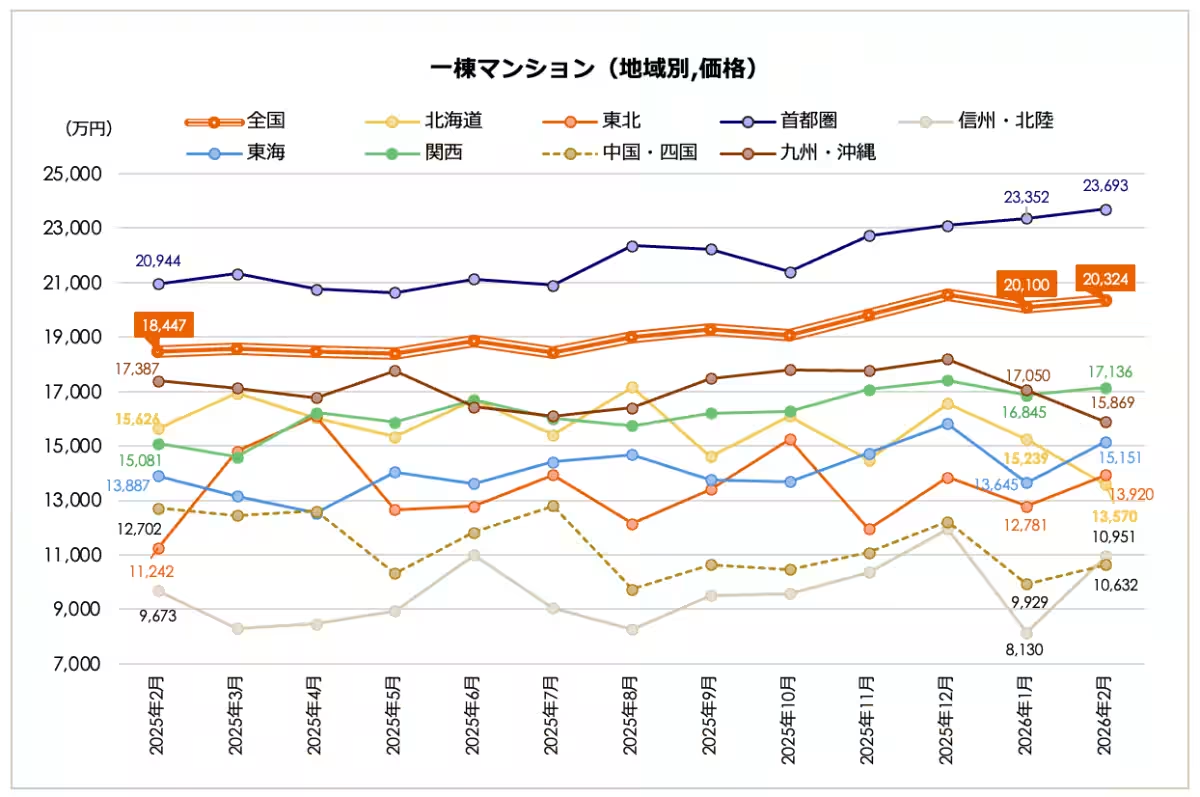
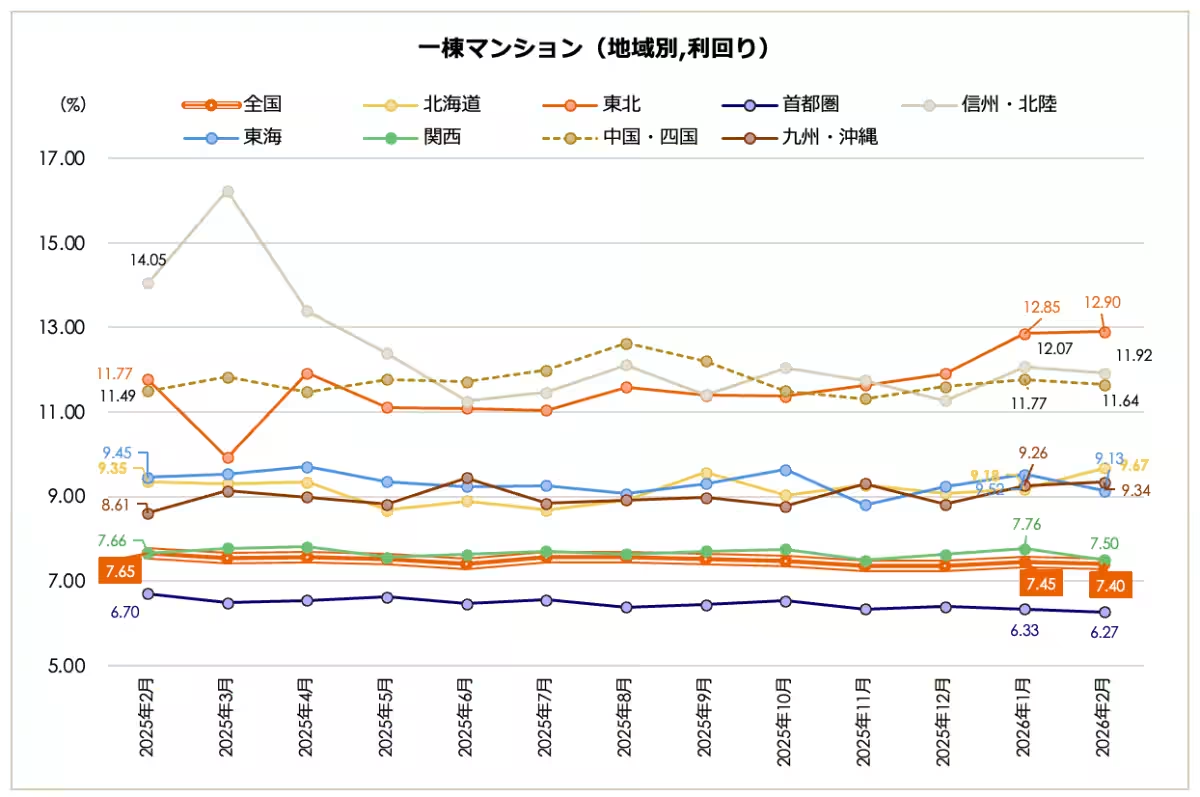
The average national price for entire condominiums reached 203.24 million yen, reflecting a month-on-month increase of 1.11% and a year-on-year rise of 10.18%. Particularly noteworthy is the fact that the Tokyo metropolitan area achieved its highest recorded price over the past year, while Hokkaido struggled, showing significant decreases both month-on-month and year-on-year. Conversely, regions like Tohoku have been buoyed with their price surging by 23.82%, a heartening trend that also saw a corresponding rise in yields.
Market Stability and Future Direction
Overall, while the averages paint an affirmative picture, the difference in price trends based on region is striking. Areas such as Hokkaido have had to navigate through considerable price declines, while others like the Tokyo metropolitan real estate market surge forward.
As expressed by Kenbiya's communications office, these fluctuations arise amidst the backdrop of Japan's economic environment, wherein real estate investors critically assess potential opportunities with data-driven insights. In light of the February report, Kenbiya aims to empower investors with reliable and up-to-date data encompassing the income-generating properties in Japan to foster well-informed investment decisions.
Conclusion
The February 2026 report serves as a valuable resource for real estate investors, providing essential insights into market trends and dynamics. The rise in property prices across varying types emphasizes the vigor of Japan's real estate investment sector, despite the evident regional disparities in yield performance.
For those interested in a deeper exploration of these reports or specific data downloads, more details can be found on the Kenbiya website.
Reference Links


Topics Consumer Products & Retail)
【About Using Articles】
You can freely use the title and article content by linking to the page where the article is posted.
※ Images cannot be used.
【About Links】
Links are free to use.