



Tokyo's 2026 Children's Survey: Insights on Youth Happiness, Education, and Digital Use
Overview of the 2026 Tokyo Children's Survey
In a bid to foster a 'Children First' society, the Tokyo Metropolitan Government has been actively revisiting its policies through the eyes of children. Since 2023, a comprehensive survey has been conducted to capture the realities and evolving attitudes of families and children residing in Tokyo. The latest results from the 2026 survey have just been released, offering enlightening insights into the current landscape of children's lives in the capital.
Key Findings:
1. Children's Perspectives on Happiness
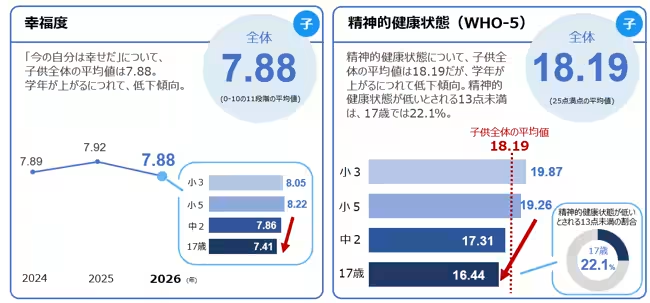
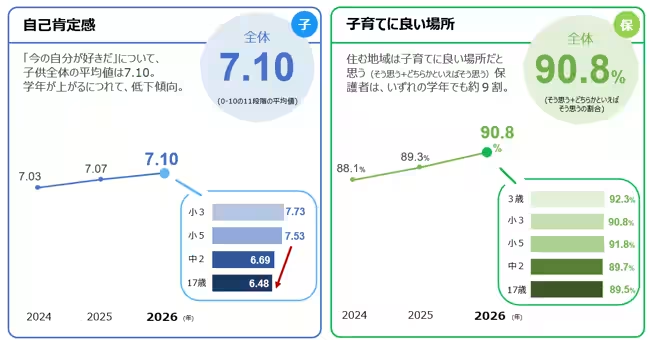
The survey reveals a significant trend where younger children express a higher sense of happiness about their current lives. However, this positivity declines as they progress through their grades, indicating a potential growing discontent or challenges as they mature. The survey also utilized the WHO-5 mental well-being scale, showing a decline in perceived mental health with advancing grades. This raises important questions about the pressures faced by older children.
2. Digital Engagement in a Changing Society
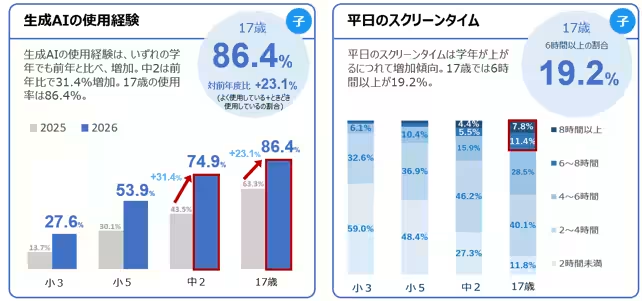
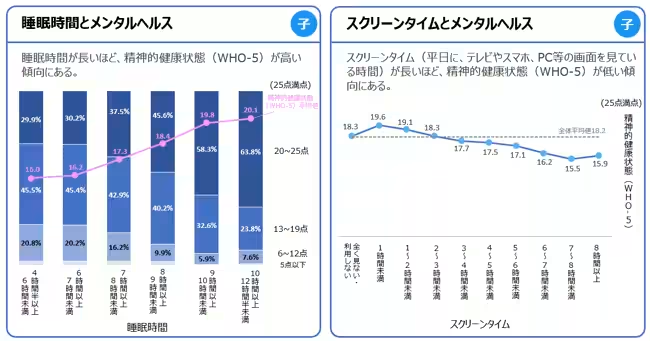
Compared to the 2025 survey, the use of generative AI among children has notably increased. Screen time during weekdays is also on the rise, particularly as they move up the educational ladder. This growth in digital engagement highlights the need for parents and educators to monitor and support healthy technology use.
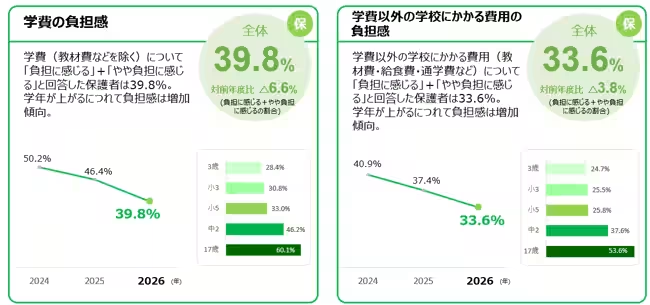
3. Educational Financial Burdens on Parents
In a hopeful turn of events, parents reported a noticeable decrease in their perceived financial burden regarding educational expenses compared to 2025. This shift may indicate improvements in economic conditions or support structures available to families.
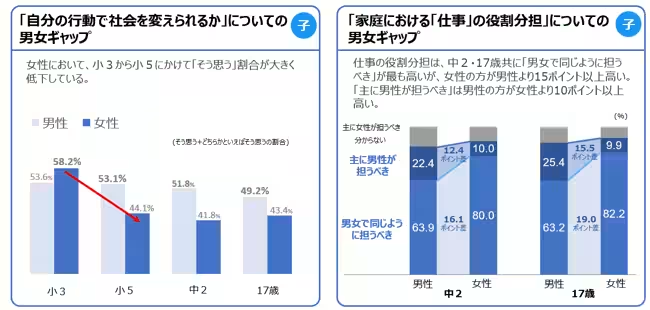
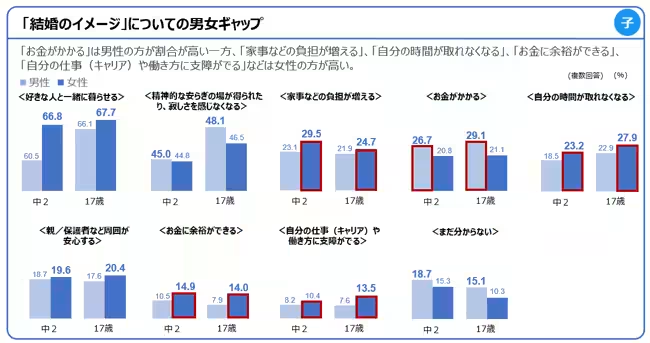
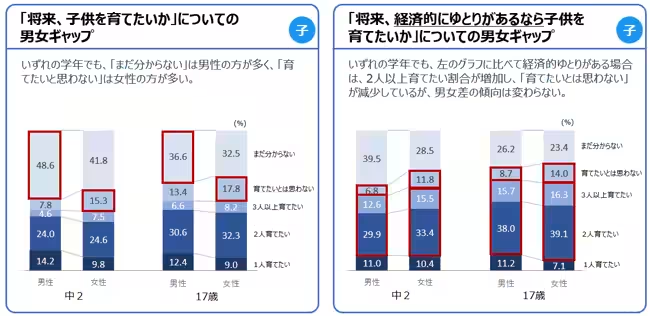
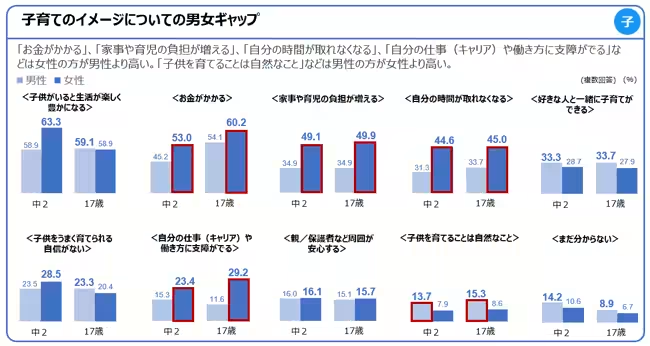
4. Gender Gaps in Perspectives
The survey also illuminated several distinctive gaps in perceptions between genders. These differences in responses could reflect broader societal and cultural attitudes that affect boys and girls differently.
Breakdown of the Findings:
The results encapsulated various aspects of children's and parents' views, emphasizing topics such as:
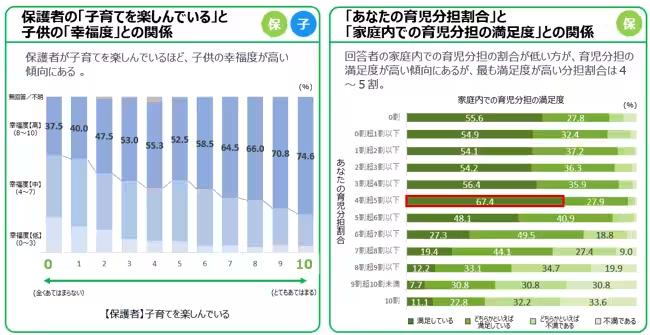
- - Children and Parents' Awareness: Insights into how children and their caregivers think about their lives and futures.
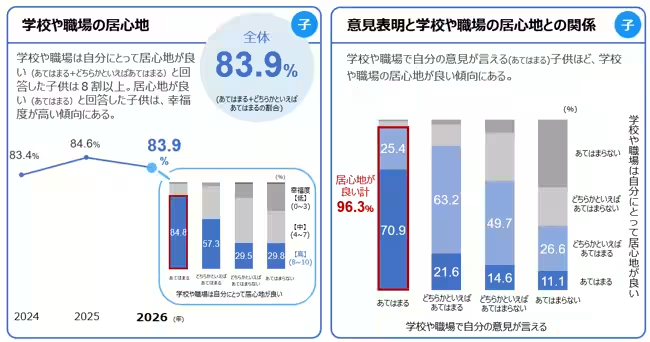
- - Environmental Comfort in Schools: Parents and children provided feedback on the learning environments, illustrating the importance of comfort and safety in educational settings.
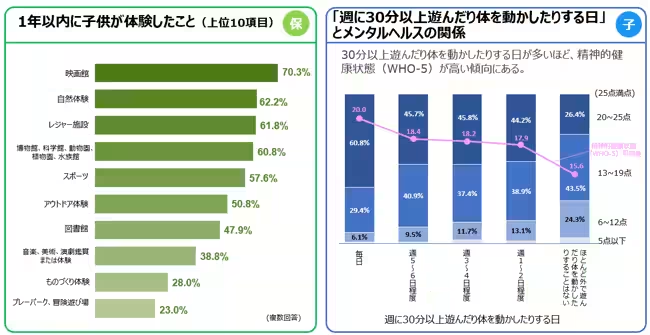
- - Experiential Activities and Play: The survey gathered opinions on the significance of play and hands-on experiences in children's lives.
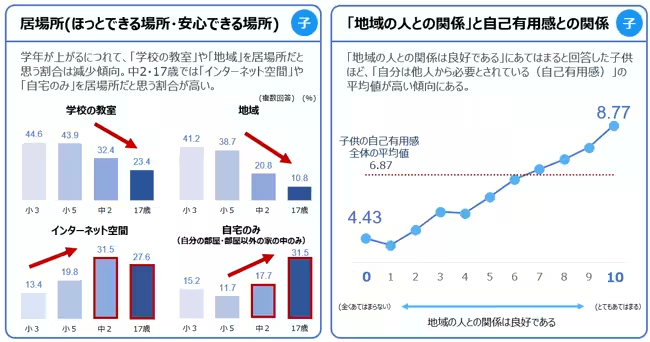
- - Community and Social Needs: The sense of belonging and accessibility to safe spaces in neighborhoods was highlighted as a crucial aspect of children’s experiences.
- - Mental Health and Digital Interaction: With digital interactions on the rise, both mental health and its correlation with digital practices were critical discussion points.
The detailed findings can be accessed on the Children’s Policy Liaison Office homepage for those interested in deeper insights: Tokyo Children Survey Results.
Youth-Friendly Reports
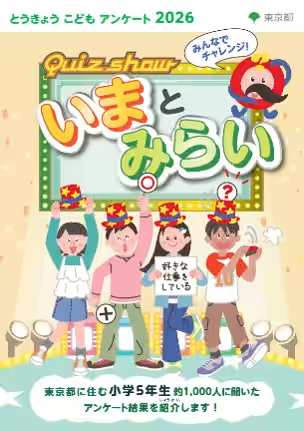
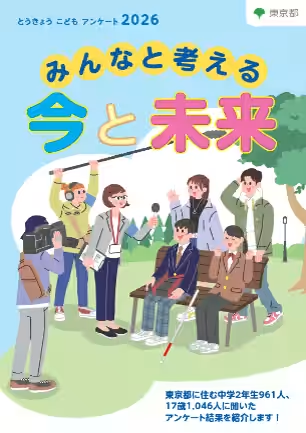
To effectively communicate these findings to children, three distinct reports tailored for different developmental stages were created:
1. Results from third-graders
2. Results from fifth-graders
3. Results from second-year middle schoolers (17 years old)
These reports are available on the previously mentioned homepage for easy access to child-friendly information.
Engaging Short Videos
To further disseminate the findings among children, three short videos tailored for each age group were developed. They aim to engage younger audiences in understanding the survey's importance, ensuring the content resonates with them.
Informative Videos for Adults
The survey also led to the creation of educational videos aimed at parents and education professionals. These videos are designed to raise awareness about the survey while utilizing generative AI for character representations. For access, please visit the Children’s Policy Liaison Office homepage.
Survey Overview
- - Title of the Survey: Tokyo Children's Survey - Contemplating 'Now' and 'Future' Together
- - Survey Period: From May 8, 2026, to June 1, 2026.
- - Participants: Targeting third and fifth graders, second-year middle schoolers, and their parents, totaling 10,500 households (around 19,500 individuals).
- - Response Rate: 44.3%
This initiative is part of the broader 'Tokyo 2050 Strategy,' aimed at implementing child-focused policies and ensuring the voices of youth are heard in shaping the future of urban Tokyo.
Engaging in these dialogues and understanding children's needs is vital for crafting a positive societal landscape, aligning with the 'Children First' vision.










Topics People & Culture)


【About Using Articles】
You can freely use the title and article content by linking to the page where the article is posted.
※ Images cannot be used.
【About Links】
Links are free to use.