



The State of Home Exterior Maintenance: Insights Into Wealth and Cleanliness
Understanding the Cleanliness of Wealthy Homes
The question of why wealthy homes tend to look immaculate is more than just a matter of aesthetics. A recent survey by PL Japan, a company based in Tokyo, focused on homeowners aged 20 to 60, shedding light on their attitudes towards exterior maintenance and the perplexing gap between concern and action.
Home ownership is a significant investment, and with that comes the responsibility of upkeep, especially for the exterior. Regular maintenance is crucial to extend the lifespan of one’s property. Many homeowners often find themselves returning home and noticing grime on their walls, or they might have the nagging feeling that during the year-end cleaning, they neglected the exterior maintenance once again.
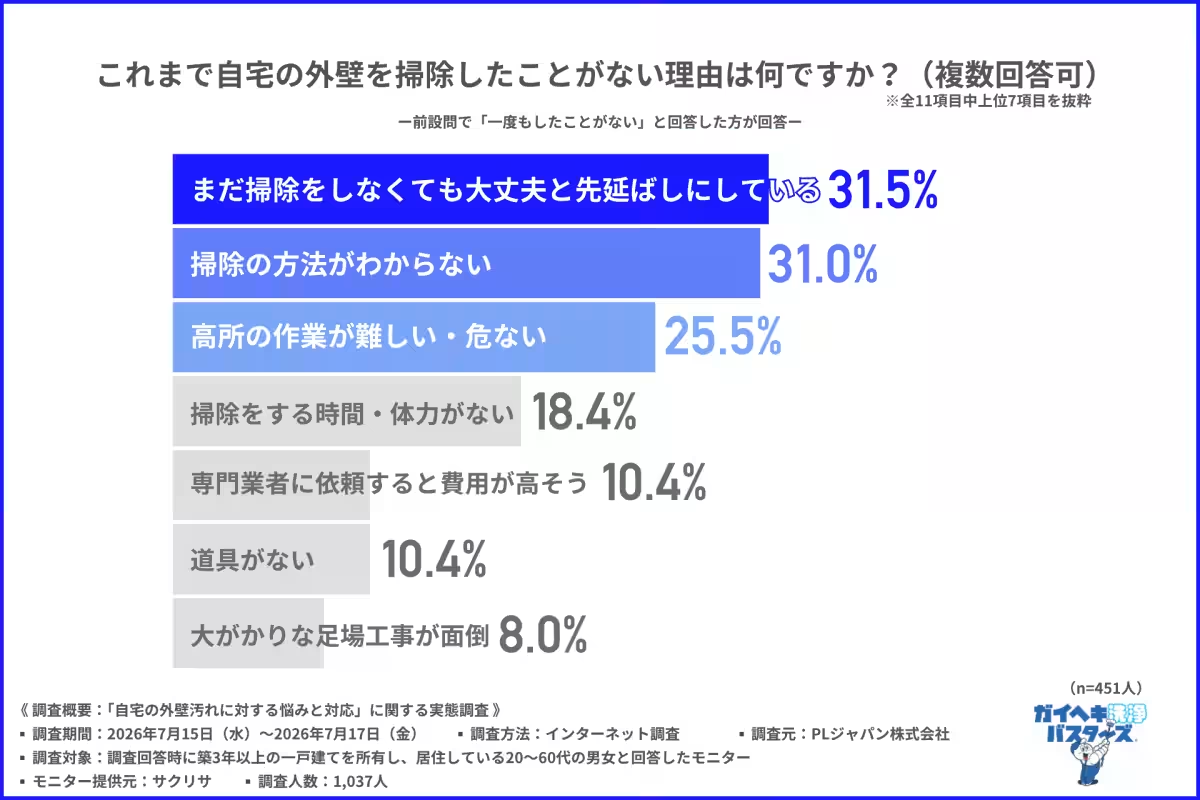
Yet, a considerable number of people hesitate to address this issue due to reasons such as the perception that high-cost exterior painting is unnecessary, worries about expenses, or simply not knowing how to start. This reluctance leads to houses becoming dirtier, despite the property owners being concerned about the degradation of their homes.
The True Concerns of Homeowners
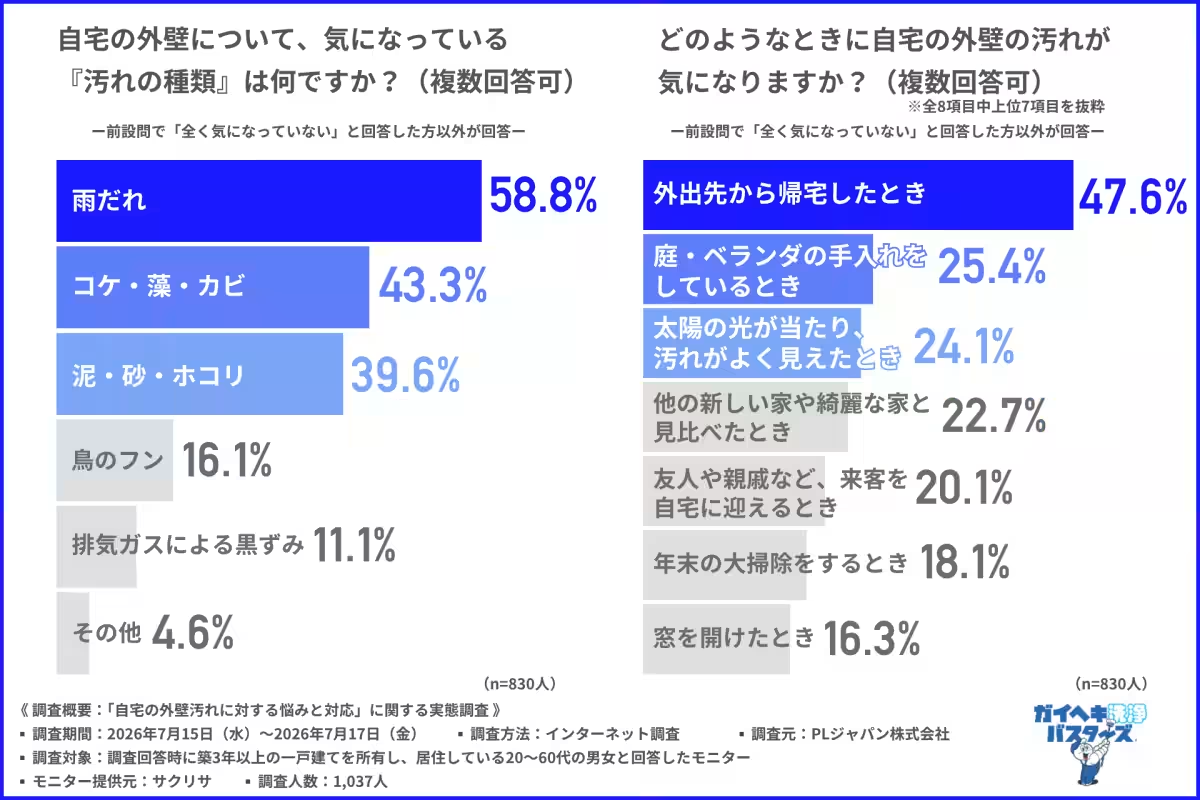
So, when do homeowners notice that their exterior is dirty? According to the survey findings, the most common time is right upon returning home—47.6% of respondents remarked that this was when they became most aware of external grime. Others mentioned while tending to gardens or balconies, or when sunlight hits the wall and highlights the dirt. This reveals that the homeowner's perception of their property often magnifies in certain contexts, highlighting the stark contrast between the outside world and their private domain.
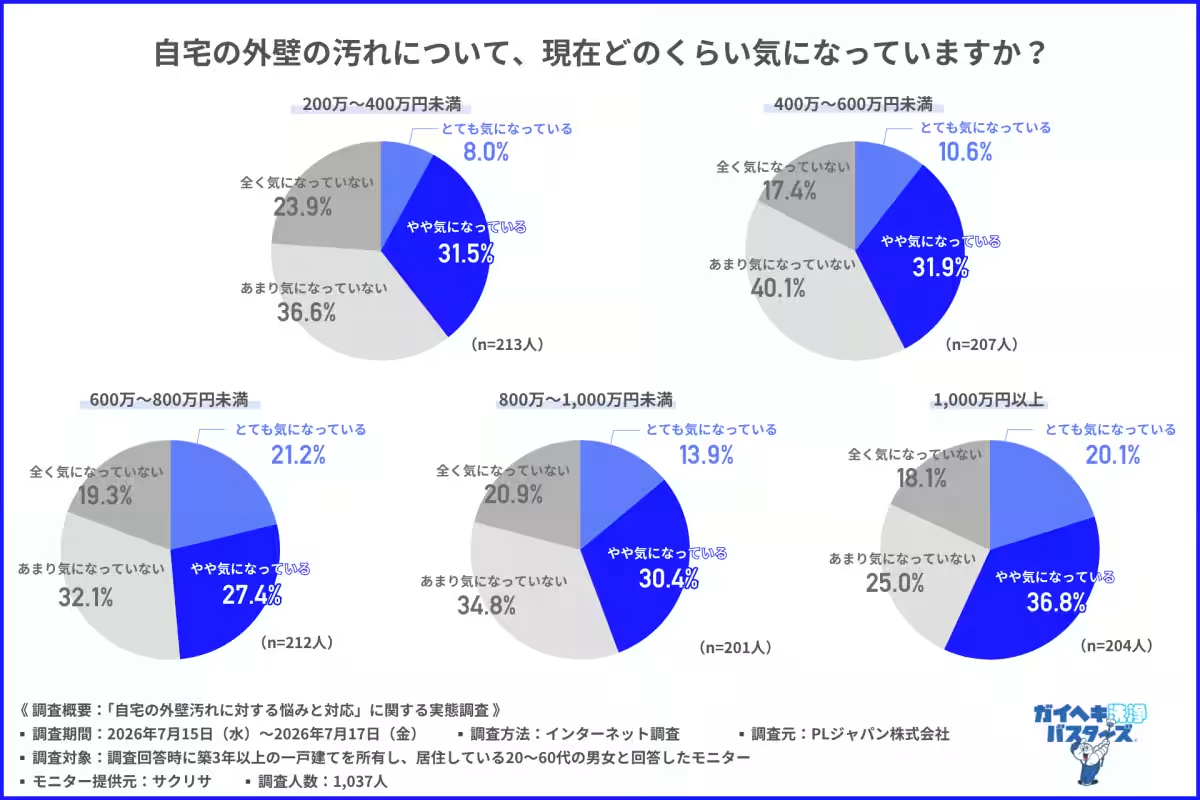
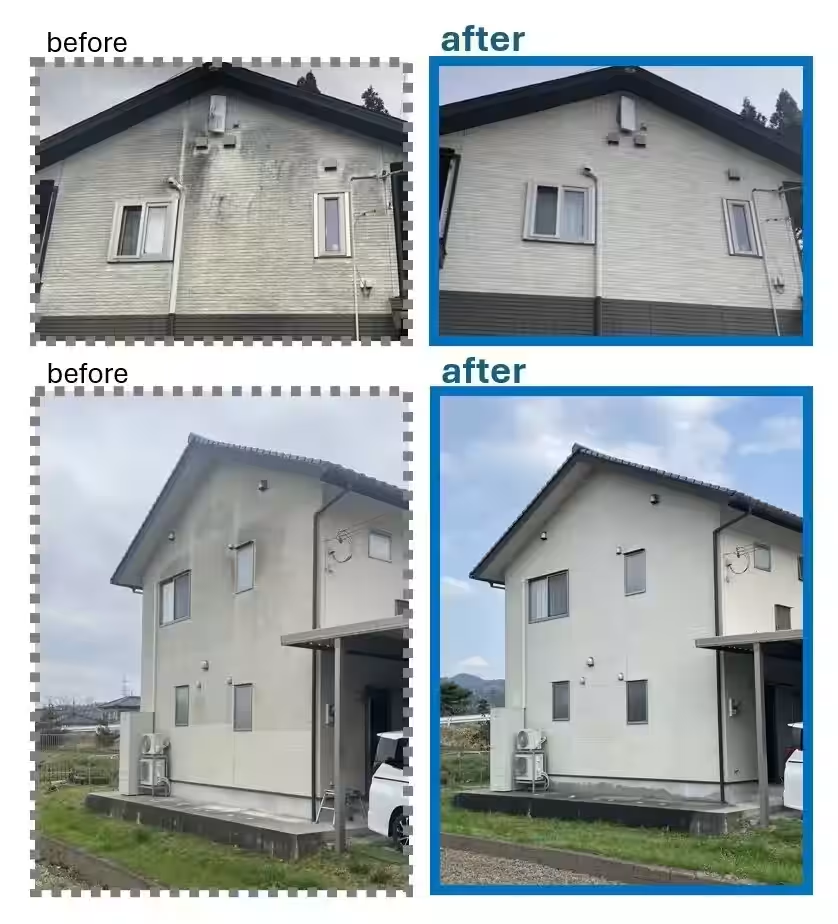
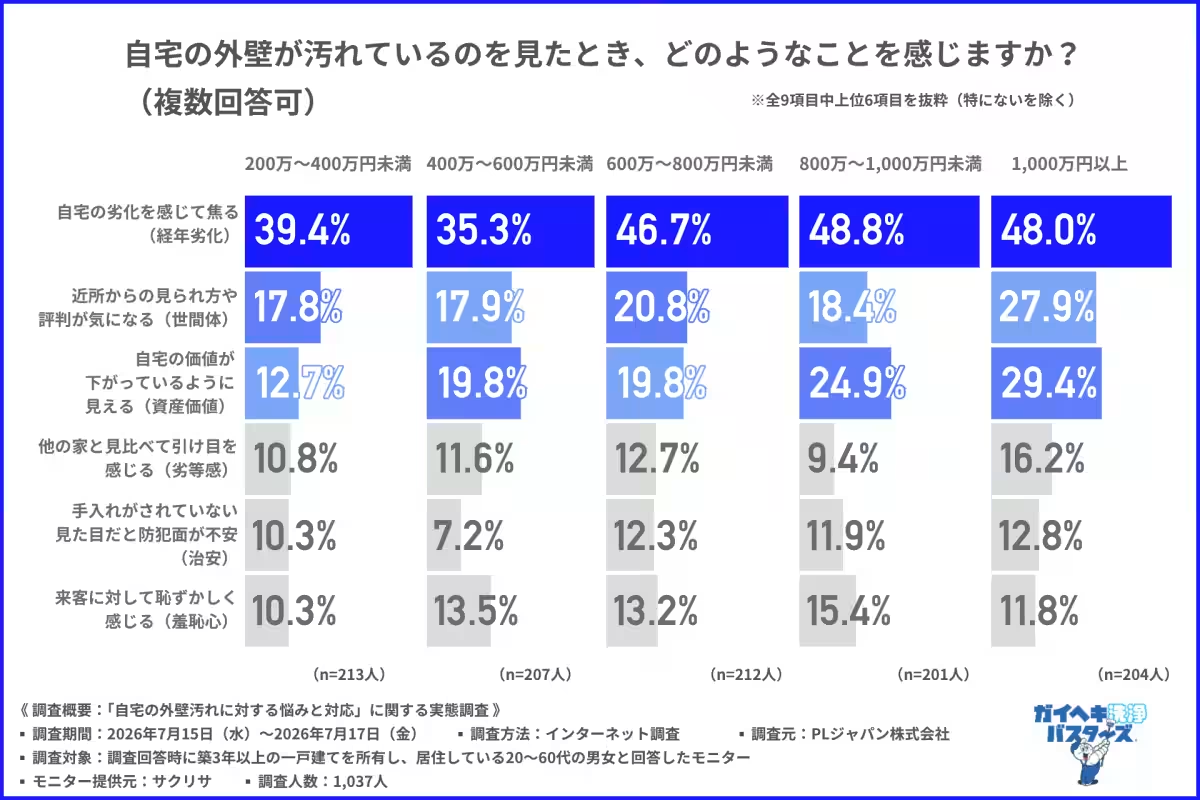
The survey also indicated that about 60% of respondents with annual incomes exceeding 1 million yen expressed significant concern about their exterior condition. The various types of dirt and grime reported included rain streaks, moss, and mildew, particularly prevalent in homes susceptible to damp conditions. This not only affects aesthetics but may lead to more significant maintenance issues over time, contributing to a feeling of impending decay in their homes.
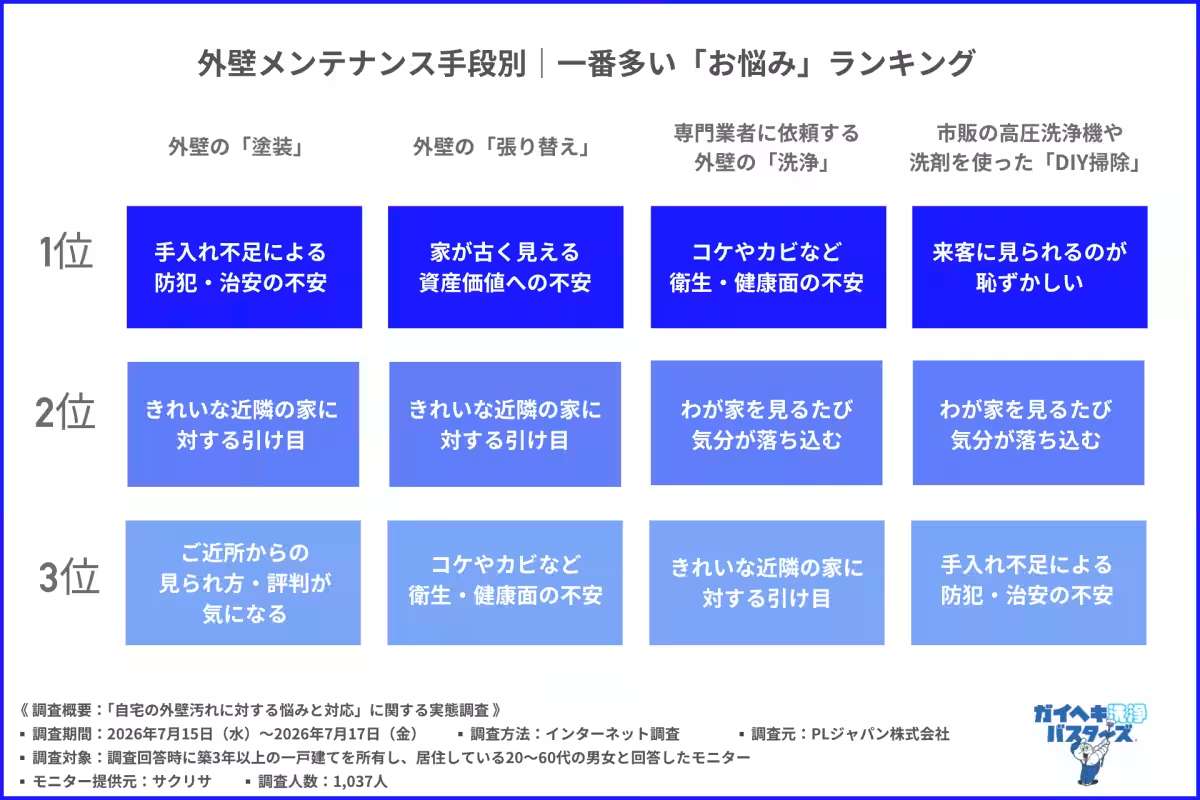
Furthermore, there is a distinct psychological aspect at play. Many respondents reported feelings of anxiety linked to the perceived decline in property value associated with flaking paintwork and dirty exteriors. This suggests that for homeowners, maintenance is not merely about cleanliness but tied closely to their asset's worth and overall pride of ownership.
The Hurdles of DIY Maintenance
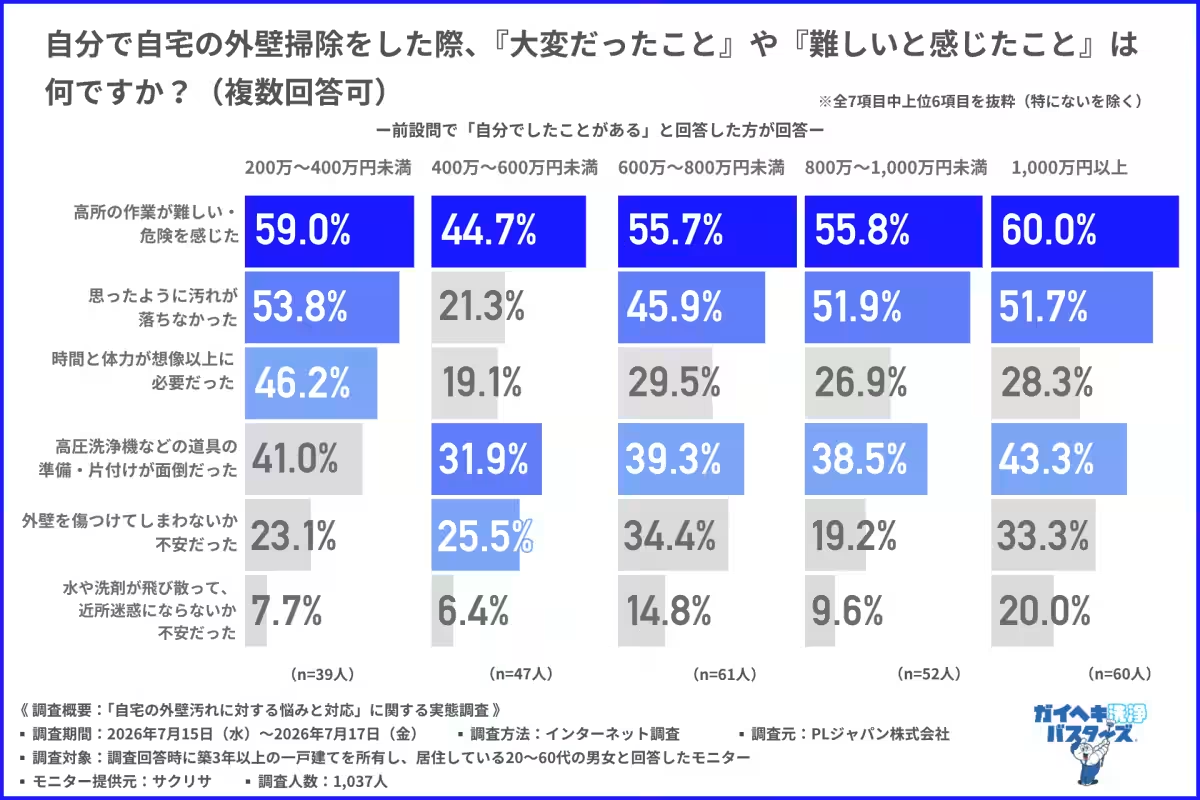
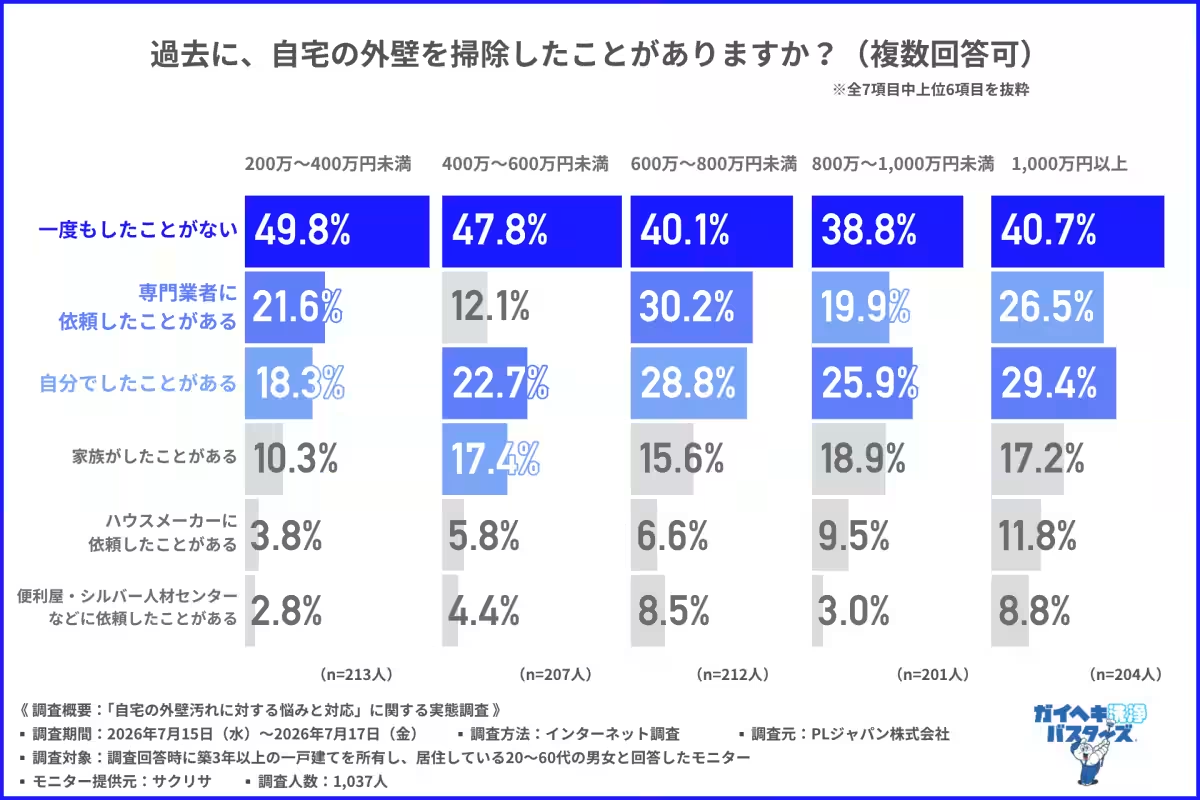
Despite acknowledging the need for exterior cleaning, a significant portion of homeowners have never attempted it. When asked about the challenges they faced while handling exterior cleaning tasks themselves, many cited concerns over safety with high-work, and the assumption that such efforts were time-consuming and unlikely to yield the desired results. Indeed, over half of the respondents indicated that working at heights was particularly daunting.
Moreover, homeowners with lower incomes reported feeling unequipped to clean their exteriors due to a lack of knowledge about proper methods, compounding their feelings of inadequacy and disinterest in engaging with the upkeep. In contrast, those in higher income brackets showed more initiative in hiring professionals or undertaking maintenance tasks themselves, highlighting socioeconomic disparities in home care practices.
The Desire for Professional Solutions
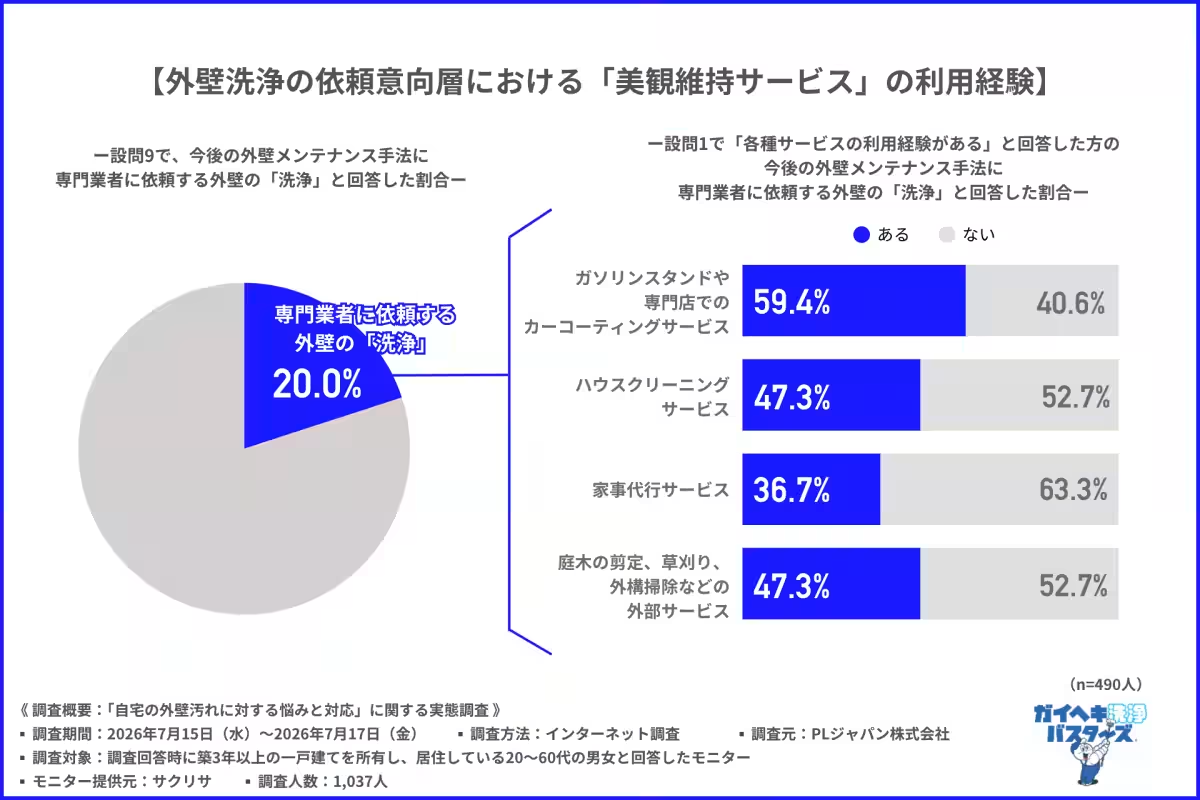
Interestingly, when the survey posed the question about potential methods for future maintenance, the majority of respondents (39.3%) leaned towards exterior painting solutions. However, around 20% showed interest in hiring specialists for cleaning operations. This underlines a clear preference for professional intervention rather than attempting DIY options, particularly for those who view maintenance as an investment in home value rather than a chore.
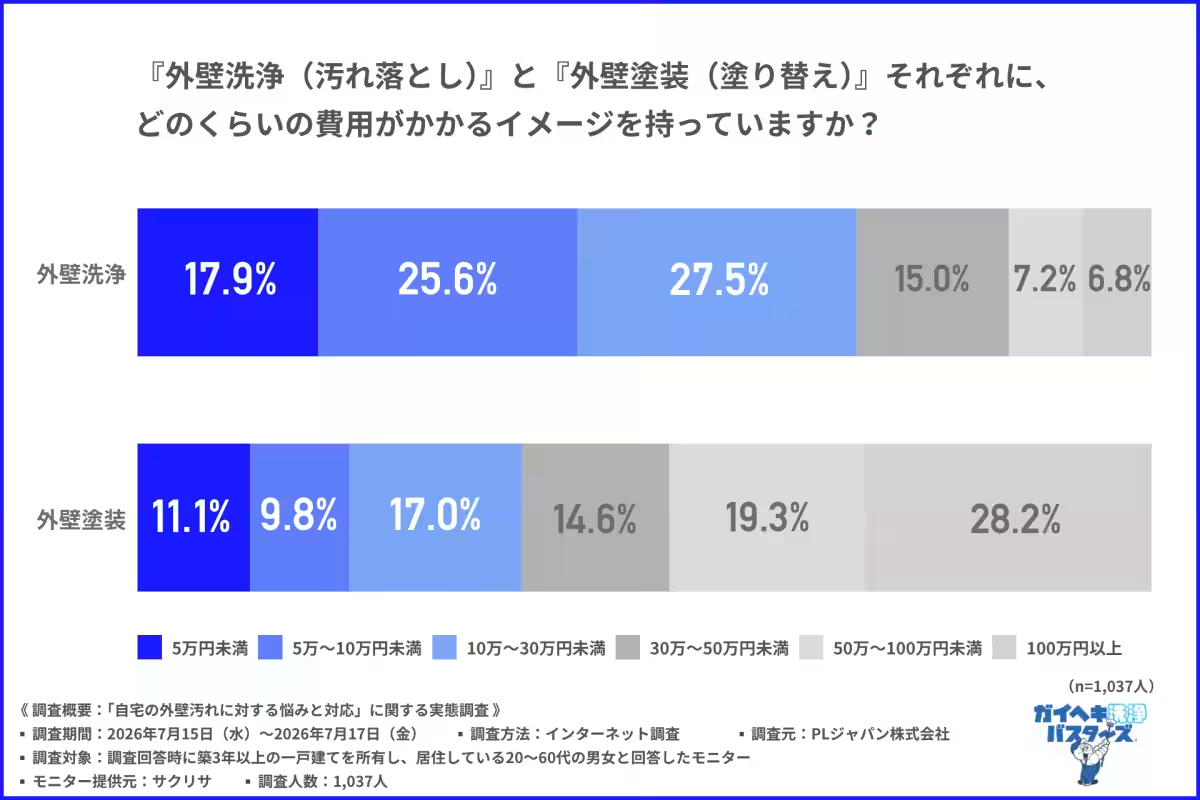
This sentiment was further reflected in the financial expectations for services; many respondents anticipated exterior painting to cost over 1 million yen, while a significant majority perceived external cleaning as relatively inexpensive, often under 300,000 yen. The vast difference in perceived cost reflects a tendency to shy away from substantial repairs while recognizing the need for regular maintenance.
Conclusion: Bridging the Gap Between Awareness and Action
The findings of PL Japan’s survey reveal a disconnect in the attitudes and actions of homeowners towards their properties. While many express concern over the state of their home's exterior, a substantial number have yet to act on these feelings. The typical narratives of procrastination, uncertainty regarding effective methods, and fears linked to the dangers of DIY cleaning contribute to a reluctance to address these issues. As awareness grows regarding home asset management, it becomes increasingly evident that accessible, professional cleaning solutions are welcomed. These services could become vital in maintaining property aesthetics and long-term value, ensuring that homeowners not only perceive their dwellings as valuable investments but also treat them as such.

Topics Consumer Products & Retail)
【About Using Articles】
You can freely use the title and article content by linking to the page where the article is posted.
※ Images cannot be used.
【About Links】
Links are free to use.