




An In-depth Analysis of Japan's Online Healthcare Services Market and Its Future Growth
Exploring the Future of Online Healthcare Services in Japan
Introduction to the Study
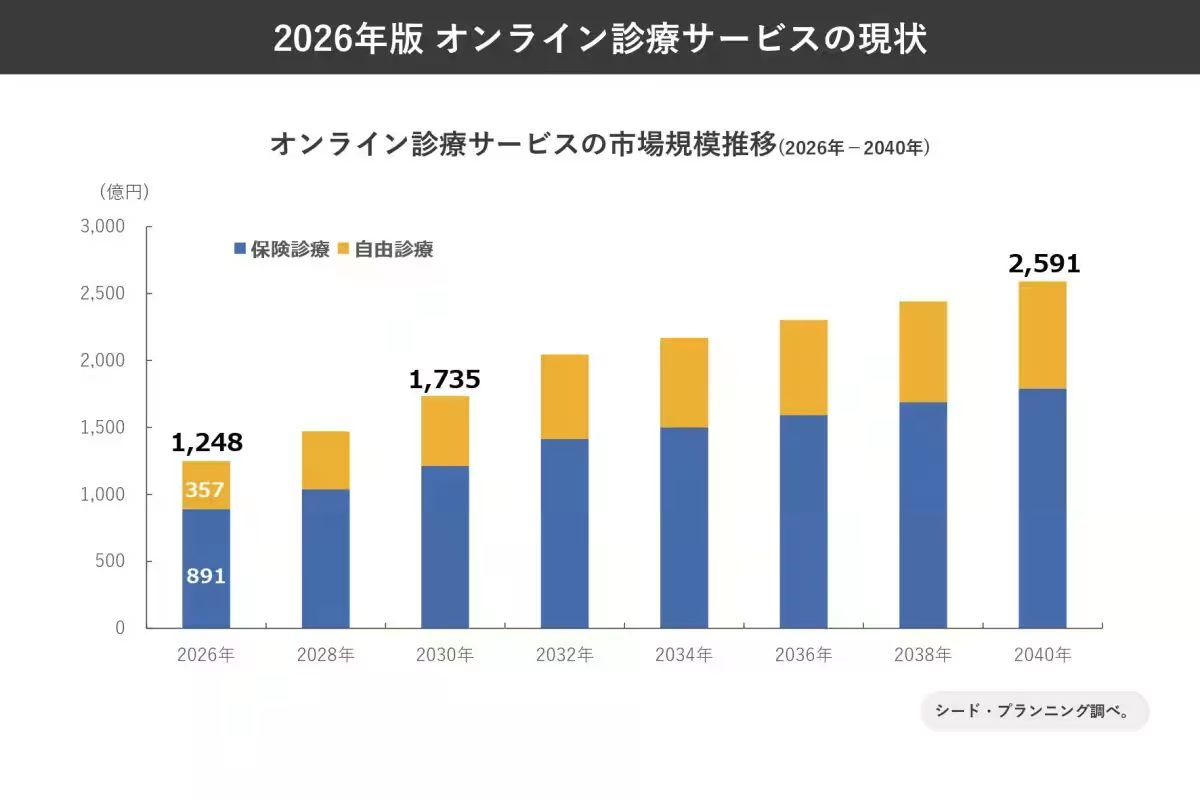
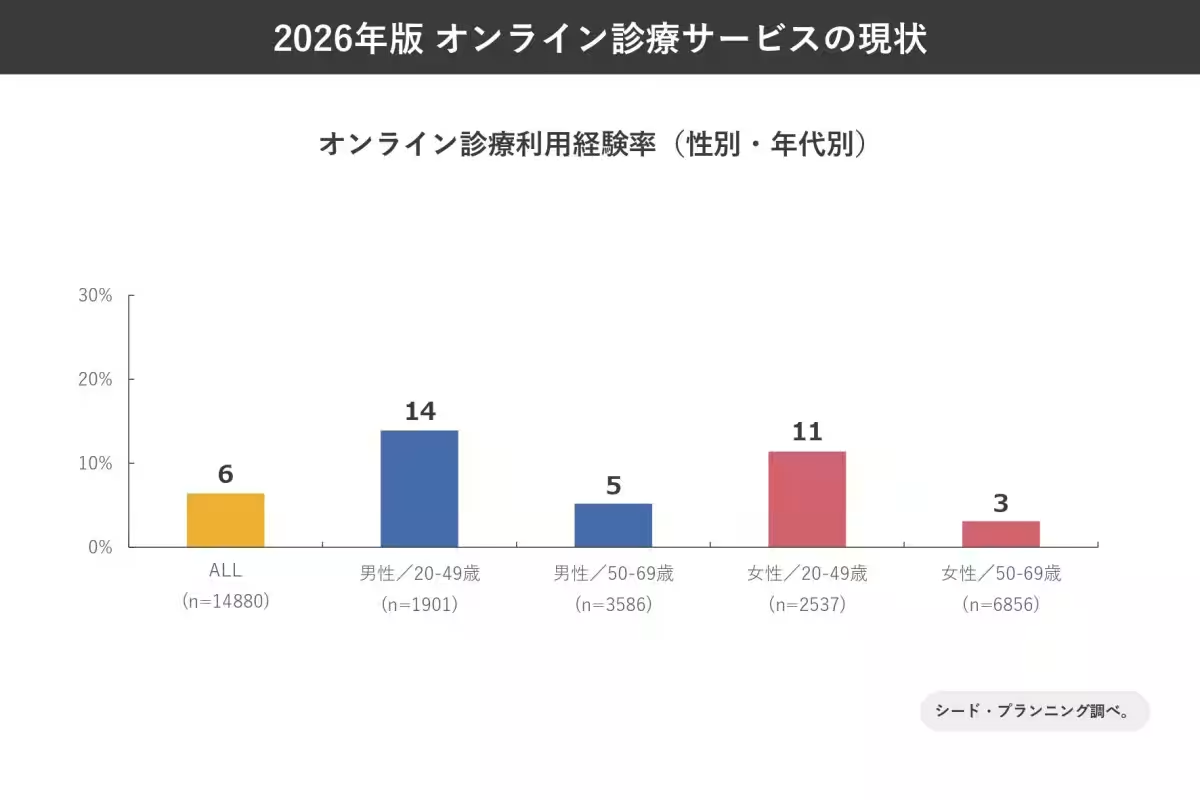
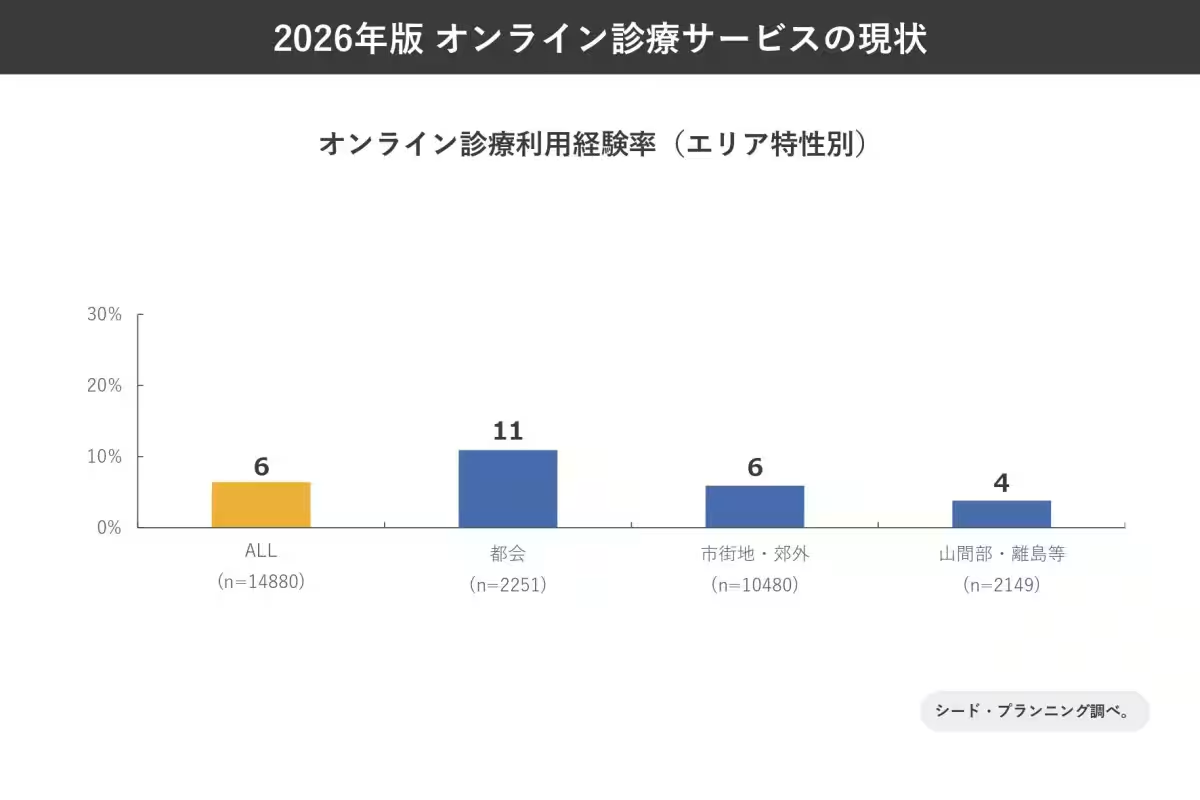
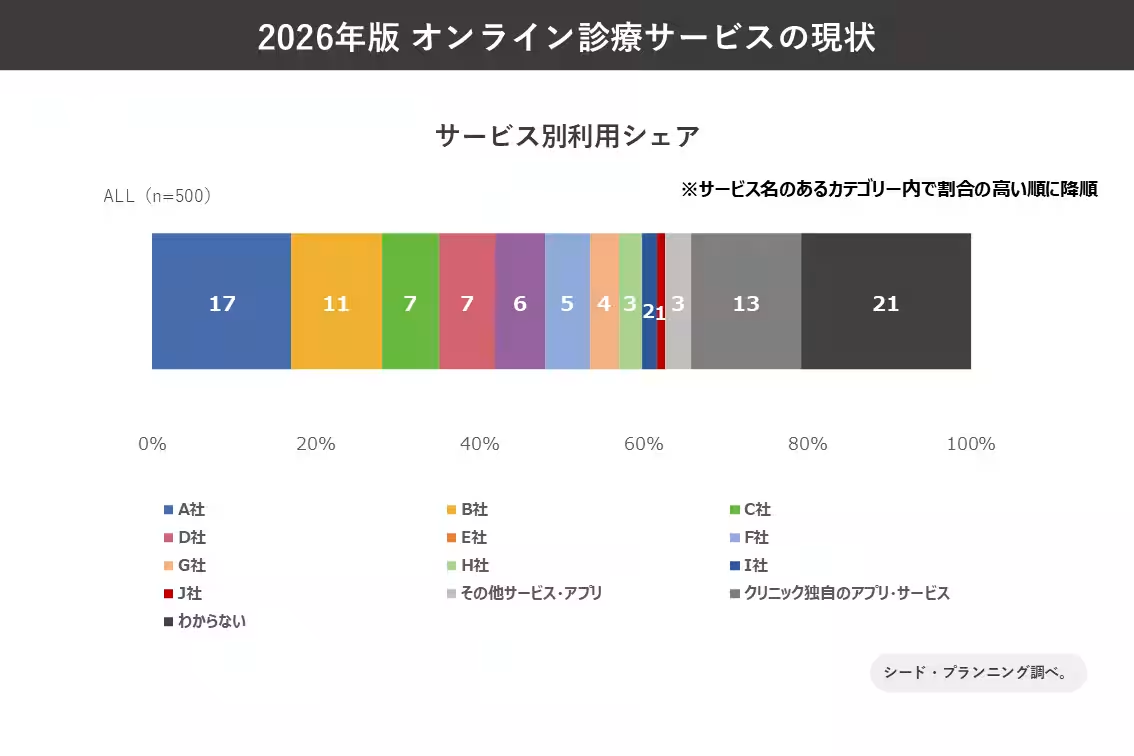
In a rapidly evolving medical landscape, Seed Planning, headquartered in Bunkyo, Tokyo, has released significant findings from their survey involving 500 users of the burgeoning online healthcare services in Japan. With the domestic market projected to reach an impressive 124.8 billion yen by 2026, this study highlights the current utilization rates segmented by gender, age, and geographical factors. The findings illustrate the transformative impact of telemedicine on Japan's healthcare system, amidst an array of challenges stemming from an aging population and healthcare accessibility issues.
Background and Objectives
Japan's healthcare environment is currently undergoing a significant transition. Motivated by pressing issues such as demographic decline, an aging population, uneven healthcare resource distribution, and increasing pressure on healthcare professionals, optimizing the healthcare delivery system stands as a top policy priority. The adoption of digital healthcare (or healthcare DX) is no longer just about implementing technological solutions; it has become an essential foundation for providing quality healthcare access with limited resources.
Online consultations have evolved beyond simple remote visits—they redefine every aspect of the healthcare process from appointment scheduling to electronic prescriptions. However, this transformation invites new discussions regarding the balance between enhancing convenience in the non-insured medical sector and ensuring safety and reliability in healthcare delivery.
This thorough investigation, informed by years of accumulated expertise and the latest user surveys, along with interviews with businesses and municipalities, aims to shed light on the challenges and future prospects of online healthcare services. The objective is to provide strategic insights for stakeholders engaged in healthcare, IT, and patient service innovations.
Key Findings from the Survey
Market Overview
According to the survey results, the online healthcare market is anticipated to reach 124.8 billion yen by 2026, with 89.1 billion yen attributed to insured medical practices and 35.7 billion yen from private medical services. Projections suggest further expansion, forecasting market growth to 173.5 billion yen by 2030 and about 259.1 billion yen by 2040.
The rise of private medical services significantly contributes to this market growth. Areas like AGA treatment, low-dose contraceptive pills, cosmetic medicine, and obesity treatment have established models that facilitate consultations, prescriptions, and deliveries entirely online. These sectors are seen to create high-value, sustainably-utilized business structures that capture previously untapped demands, driving overall market expansion.
Additionally, regulatory developments, especially the recent amendment to healthcare laws establishing

Topics Health)
【About Using Articles】
You can freely use the title and article content by linking to the page where the article is posted.
※ Images cannot be used.
【About Links】
Links are free to use.