



Changing Perspectives on Disaster Preparedness Among Residents of High-Rise Housing: A Newly Released Survey
In a new survey conducted by Tsunagu Network Communications, approximately 8,200 residents of collective housing across Japan were assessed regarding their awareness and preparedness for disasters. This survey reflects a growing emphasis on the importance of preparing for large-scale disasters in response to increasing calls from national authorities for readiness. The results present a stark contrast between initial optimistic views of residents and their subsequent awareness after considering scenarios of infrastructural failure, such as power outages and water supply disruptions.
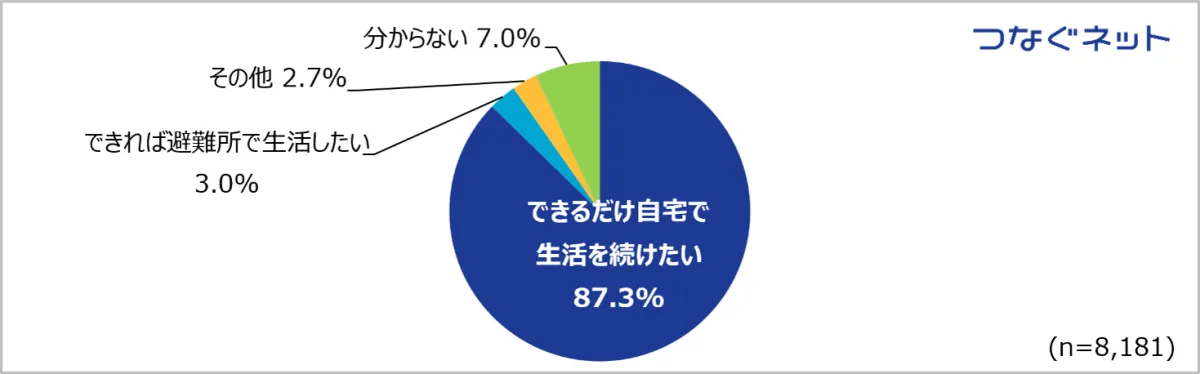
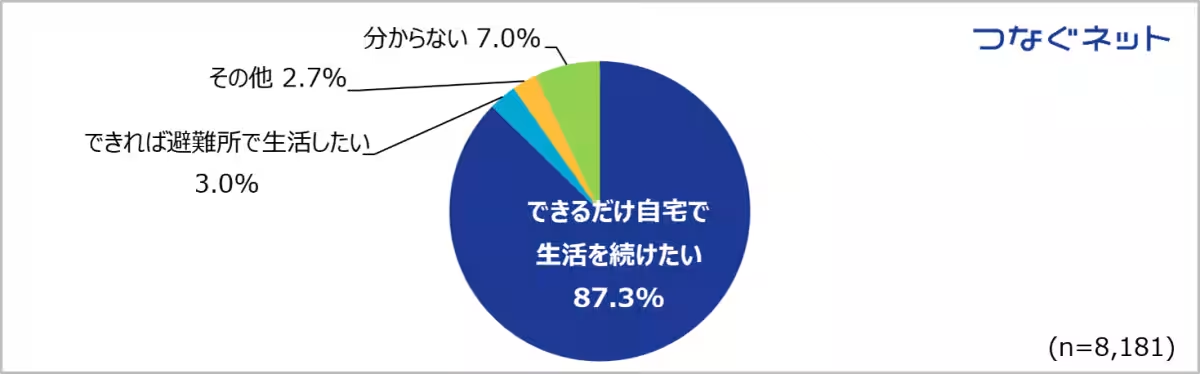
The survey, which took place from July 13 to July 16, 2026, utilized online methodologies targeting internet panel registered monitors aged between 20 to 79 living in Japan. A total of 8,181 individuals participated. When asked about their desire to remain at home during a natural disaster, an overwhelming 87.3% of respondents indicated a preference for continuing to reside in their homes as much as possible. However, when directly questioned if they believed they could maintain their living conditions under such circumstances, only 60.6% expressed confidence in doing so. This discrepancy of 26.7 points indicates significant anxieties among residents about their ability to shelter in place during a disaster.
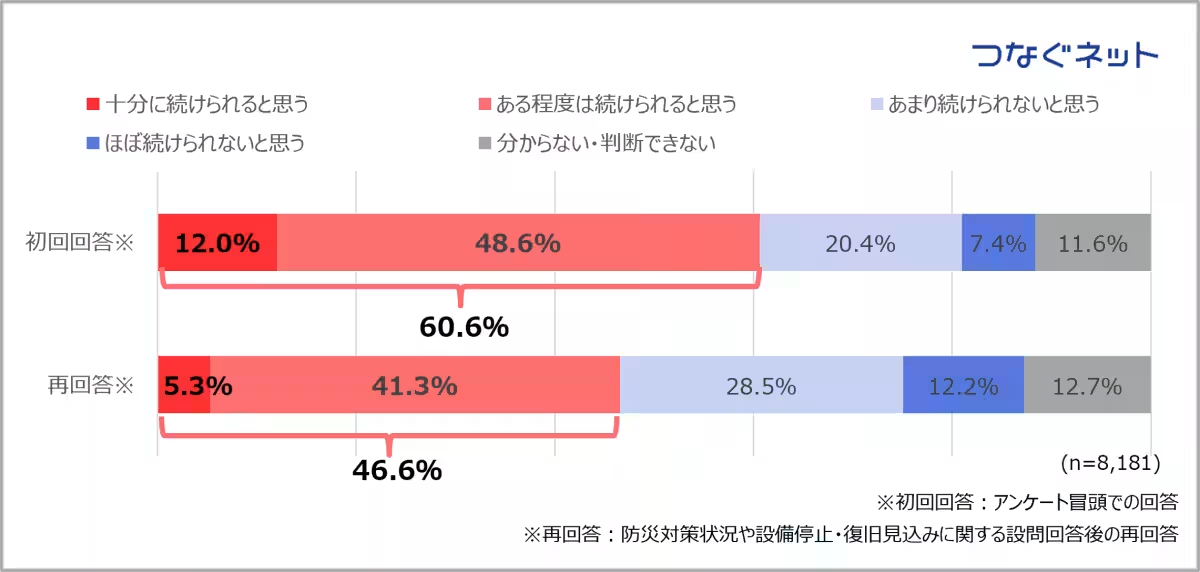
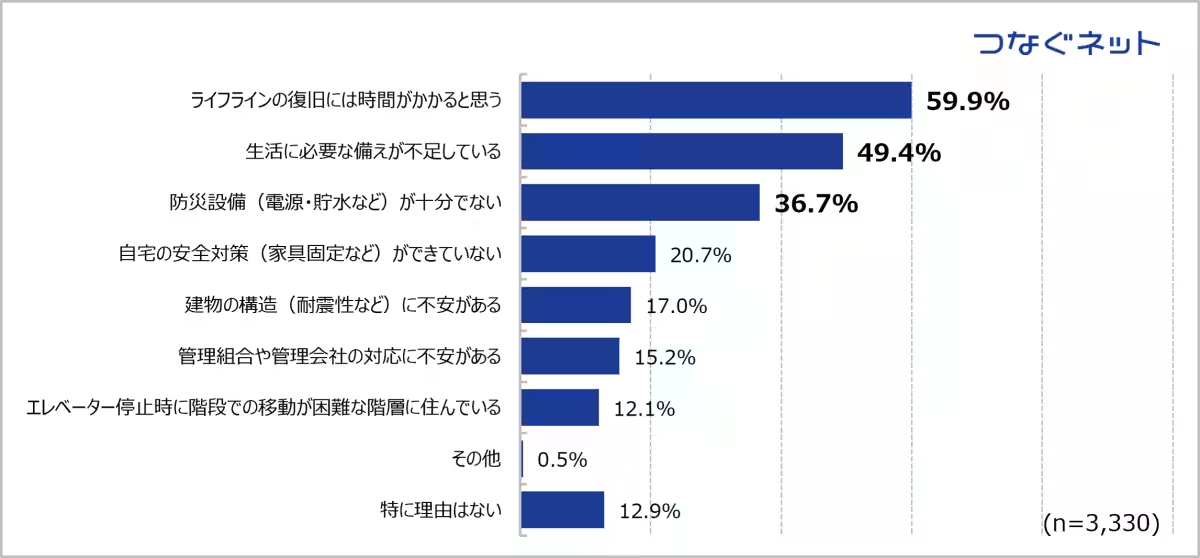
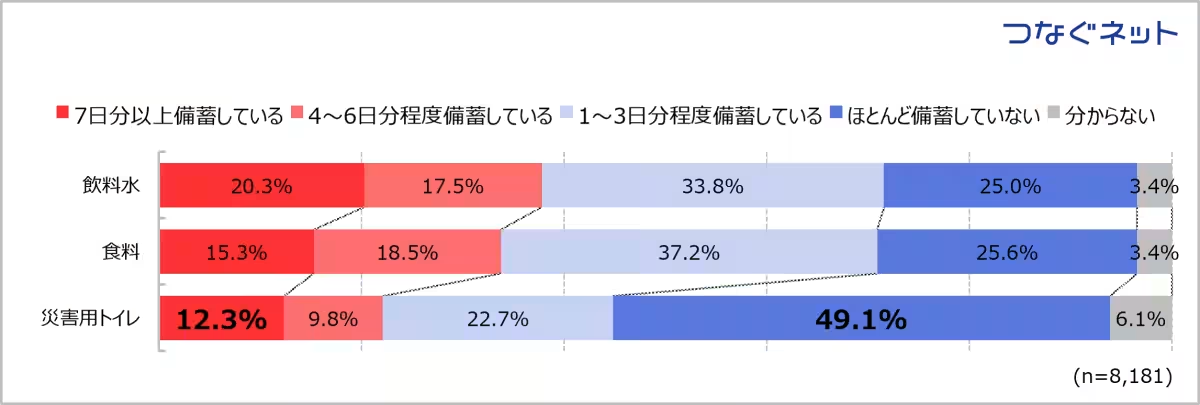
The survey revealed that respondents’ confidence in maintaining home living drastically dropped to 46.6% after contemplating scenarios involving power outages and infrastructure failures. The primary reason cited by individuals who doubted their ability to stay at home was the belief that restoring vital utilities would be a time-consuming process; this was noted by 59.9% of the participants. Further, nearly half of those surveyed (49.1%) admitted they had minimal supplies of emergency toilets, revealing a gap in crucial preparation for home confinement during disasters.
When residents were asked about their preparedness levels post-inquiry on their current disaster response measures and expectations for utility restoration, responses illustrated a concerning reality check. The percentage of those who felt they could still live in their homes dipped significantly, highlighting a shift in mindset prompted by the weight of practical concerns over idealistic assumptions.
Additionally, the reasons for believing they could not shelter at home included insufficient emergency supplies and defenses. Among these, 36.7% cited defense structures as lacking, and a worrying 49.4% identified that necessary provisions were not in place.
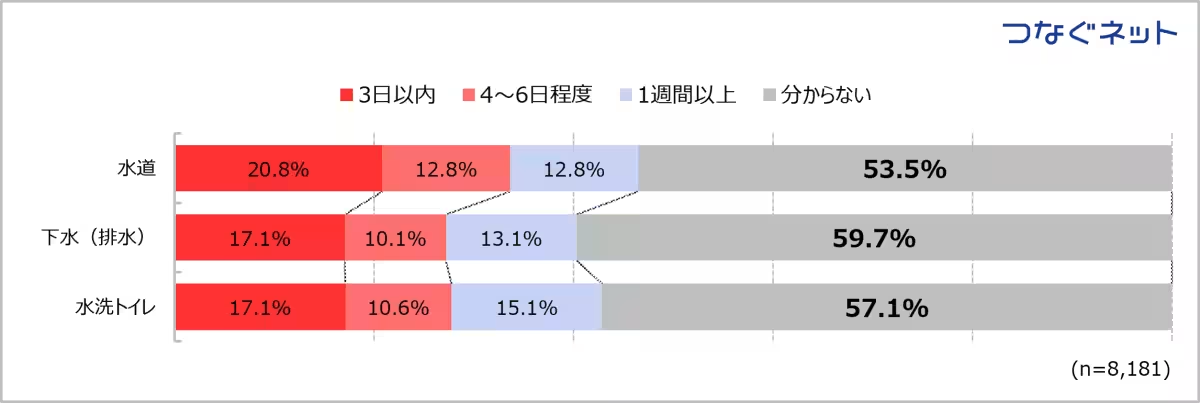
Research concerning disaster toilet stockage revealed that only a meager 12.3% had adequate supplies for a week's worth of needs. Alarmingly, 49.1% reported having almost no emergency toilets, a critical element for maintaining home living during disasters. Many participants expressed uncertainties about the restoration timelines of their residential infrastructure, with more than half unsure about when their water and sewage systems, including flush toilets, would be functional.
In light of these results, Tsunagu Network asserts the necessity of comprehensive stocking, including emergency toilets and food supplies to ensure effective home confinement during crises. Conversations and themes presented in this study amplify the message that planning essential supplies must be weighed against the reality of potential infrastructure failures. The findings underscore the urgent required actions for both residents and authorities in preparedness efforts moving forward.
Tsunagu Network will continue to support residents by providing tailored plans for disaster preparedness, encouraging proactive measures to enhance community security against natural disasters. The survey aimed to highlight current conditions for disaster readiness in high-rise living environments and will inform subsequent preventive measures to support residents effectively. For a deeper insight into these findings, you can check the full survey report available at Mansion Lab. Furthermore, individuals interested in disaster readiness strategies can access additional resources on the Tsunagu Network website.
Overall, this report emphasizes the critical need for robust disaster readiness as the frequency and intensity of natural disasters continue to escalate globally.
Survey Highlights
The survey, which took place from July 13 to July 16, 2026, utilized online methodologies targeting internet panel registered monitors aged between 20 to 79 living in Japan. A total of 8,181 individuals participated. When asked about their desire to remain at home during a natural disaster, an overwhelming 87.3% of respondents indicated a preference for continuing to reside in their homes as much as possible. However, when directly questioned if they believed they could maintain their living conditions under such circumstances, only 60.6% expressed confidence in doing so. This discrepancy of 26.7 points indicates significant anxieties among residents about their ability to shelter in place during a disaster.
Insights into Resident Concerns
The survey revealed that respondents’ confidence in maintaining home living drastically dropped to 46.6% after contemplating scenarios involving power outages and infrastructure failures. The primary reason cited by individuals who doubted their ability to stay at home was the belief that restoring vital utilities would be a time-consuming process; this was noted by 59.9% of the participants. Further, nearly half of those surveyed (49.1%) admitted they had minimal supplies of emergency toilets, revealing a gap in crucial preparation for home confinement during disasters.
Understanding the Shift in Mindset
When residents were asked about their preparedness levels post-inquiry on their current disaster response measures and expectations for utility restoration, responses illustrated a concerning reality check. The percentage of those who felt they could still live in their homes dipped significantly, highlighting a shift in mindset prompted by the weight of practical concerns over idealistic assumptions.
The Role of Infrastructure in Disaster Response
Additionally, the reasons for believing they could not shelter at home included insufficient emergency supplies and defenses. Among these, 36.7% cited defense structures as lacking, and a worrying 49.4% identified that necessary provisions were not in place.
The Toilet Situation: A Critical Component of Disaster Readiness
Research concerning disaster toilet stockage revealed that only a meager 12.3% had adequate supplies for a week's worth of needs. Alarmingly, 49.1% reported having almost no emergency toilets, a critical element for maintaining home living during disasters. Many participants expressed uncertainties about the restoration timelines of their residential infrastructure, with more than half unsure about when their water and sewage systems, including flush toilets, would be functional.
Commitment to Future Preparedness
In light of these results, Tsunagu Network asserts the necessity of comprehensive stocking, including emergency toilets and food supplies to ensure effective home confinement during crises. Conversations and themes presented in this study amplify the message that planning essential supplies must be weighed against the reality of potential infrastructure failures. The findings underscore the urgent required actions for both residents and authorities in preparedness efforts moving forward.
Tsunagu Network will continue to support residents by providing tailored plans for disaster preparedness, encouraging proactive measures to enhance community security against natural disasters. The survey aimed to highlight current conditions for disaster readiness in high-rise living environments and will inform subsequent preventive measures to support residents effectively. For a deeper insight into these findings, you can check the full survey report available at Mansion Lab. Furthermore, individuals interested in disaster readiness strategies can access additional resources on the Tsunagu Network website.
Overall, this report emphasizes the critical need for robust disaster readiness as the frequency and intensity of natural disasters continue to escalate globally.
Topics Policy & Public Interest)
【About Using Articles】
You can freely use the title and article content by linking to the page where the article is posted.
※ Images cannot be used.
【About Links】
Links are free to use.