



Invoice Corporation Reveals Common Accounting Errors and Their Causes
Understanding Common Accounting Mistakes
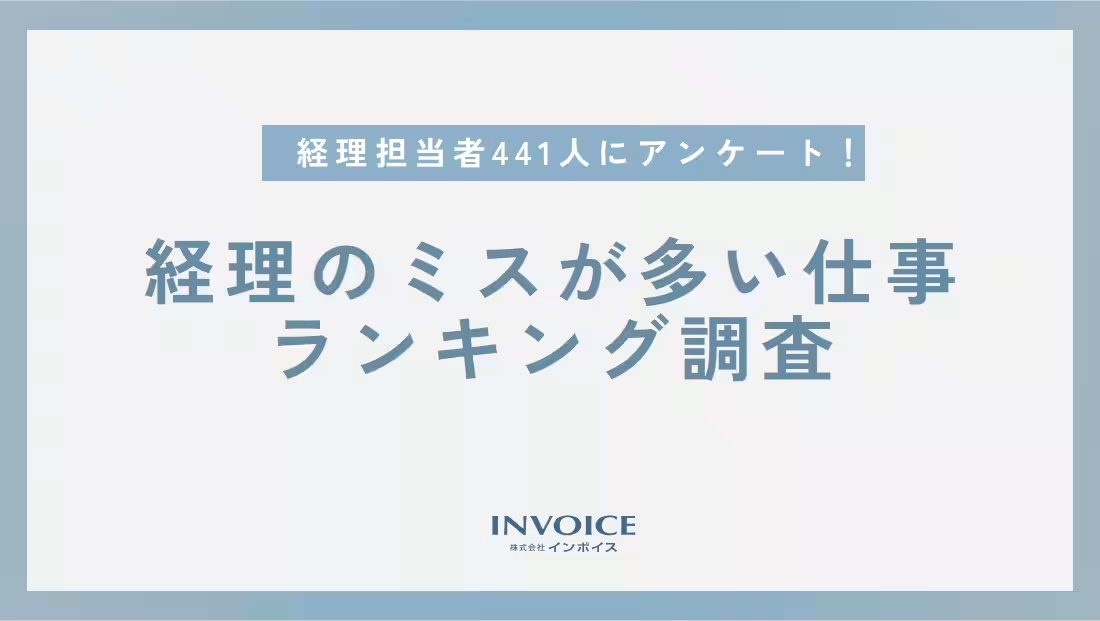
In a recent report, Invoice Corporation, known for its consolidated billing services such as "Gi Communication" and "OneVoice Public," unveiled findings from a survey involving approximately 441 accounting professionals. The purpose of this study was to identify and rank the most common mistakes encountered in accounting tasks, shedding light on their root causes. By focusing on these errors, Invoice Corporation aims to help companies build better systems and automation processes that reduce the risk of mistakes stemming from simple oversights and data entry errors.
Key Findings from the Report
Most Common Mistake: Invoice Processing Errors
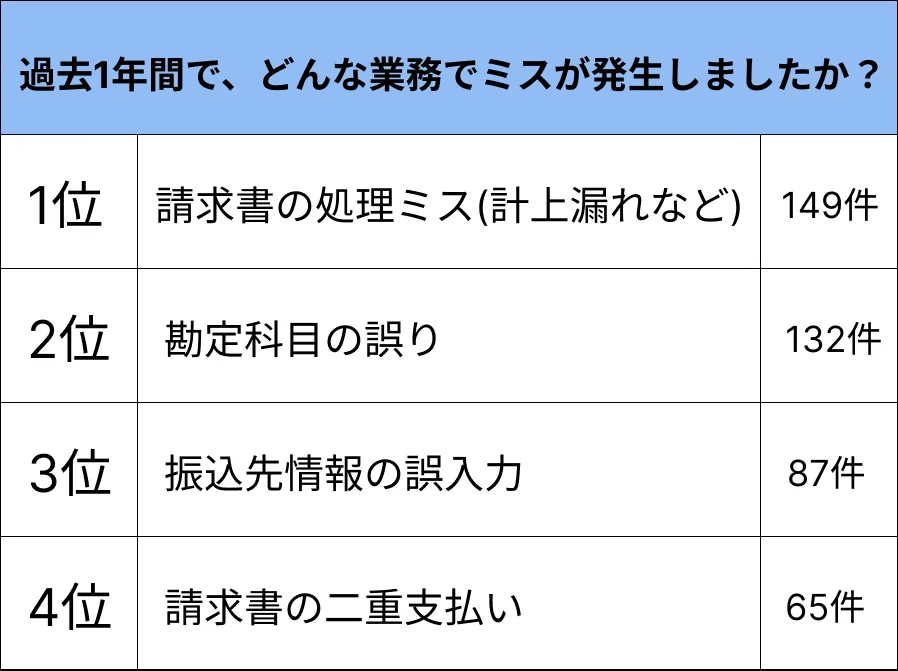
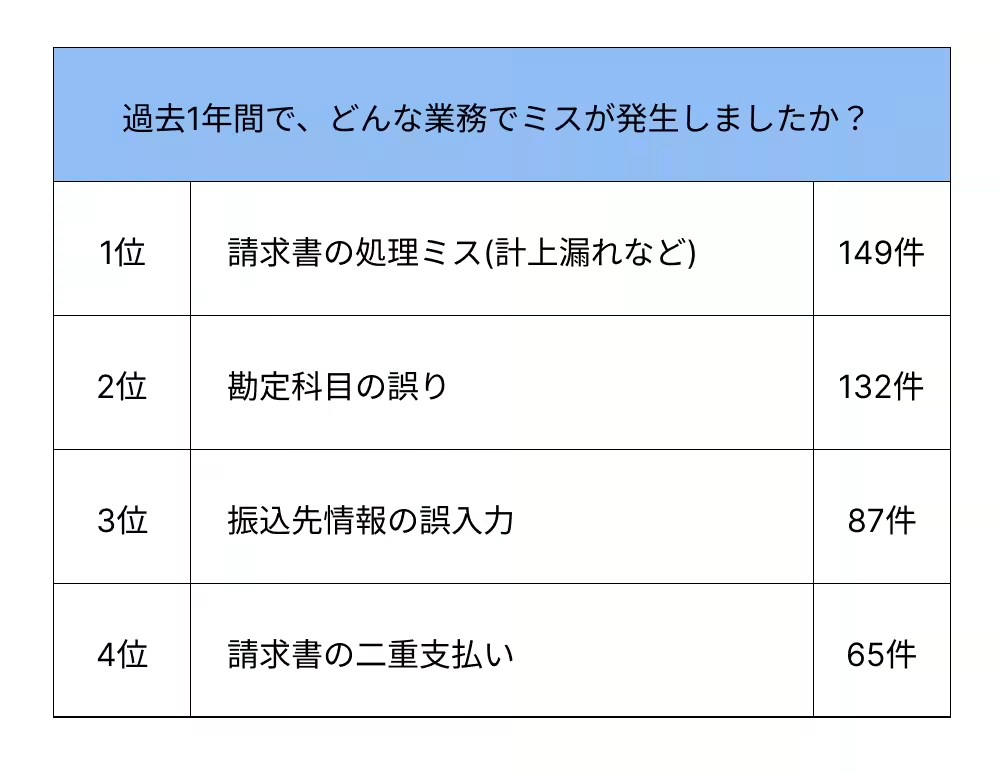
According to the report's findings, the most prevalent mistake in accounting is related to invoice processing, amounting to 149 incidents over the past year. This includes missed entries and misclassifications. Following this, errors in account classifications were recorded at 132 instances, while mistakes in inputting transfer information reached 87 occurrences.
In the case of invoice processing errors, missed entries are often attributed to a lack of verification, while misclassifications stem from insufficient knowledge and judgment regarding appropriate account categories. This indicates that different types of errors lead to varied implications in accounting.
Main Cause: Analog Operations
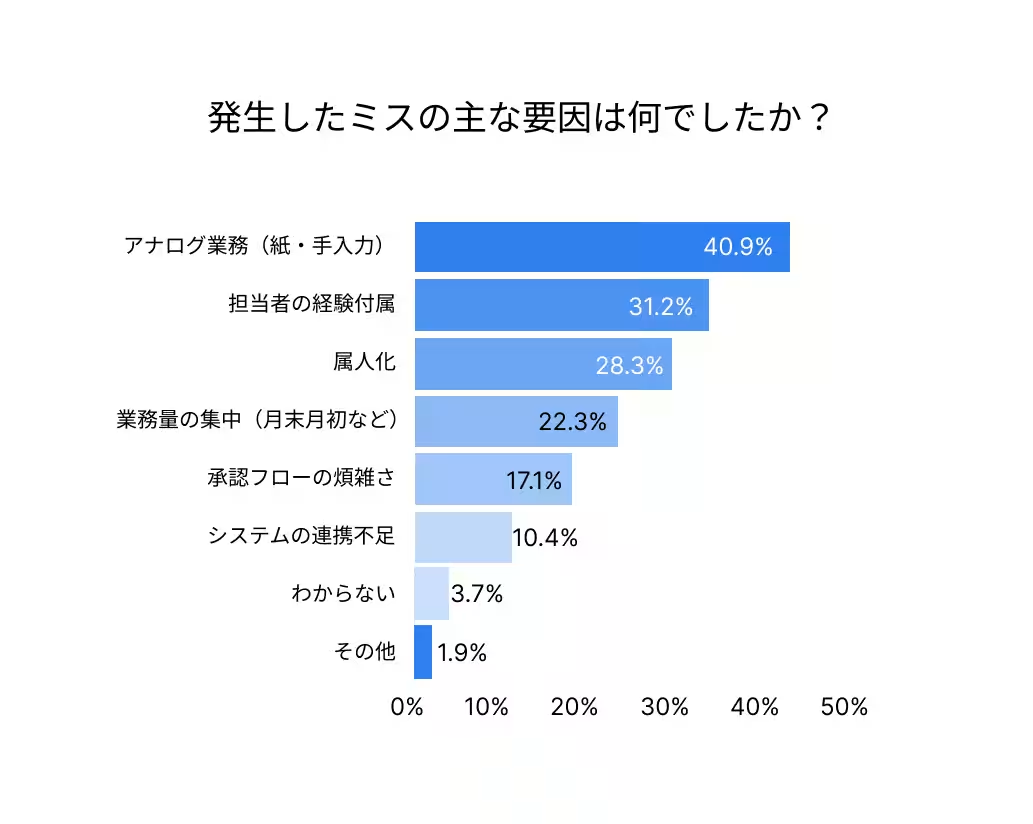
The report reveals that a staggering 40.9% of the mistakes reported were due to analog operations involving paper and manual input. Following this, 31.2% were attributed to inadequate experience of personnel, and 28.3% stemmed from a lack of standardized practices. The findings showcase a paradox; despite advancements in digitization, many tasks still rely on manual processing, which remains a predominant source of errors.
Staff inexperience highlights the inadequacy of training programs for new employees, poorly maintained manuals, and the variability of accounting rules across different businesses. Moreover, the prevalent concentration of tasks among a handful of professionals, particularly at month-end or beginning of the month, signifies a challenge particularly unique to the accounting domain.
Interestingly, despite the swift transition to digital frameworks necessitated by the Invoice System and Electronic Document Preservation Law, many accounting professionals still regard manual practices as a significant contributor to errors.
Understanding the Data
In addition to the highlighted statistics, the report includes a range of other relevant data that illustrates common pitfalls encountered by accounting departments and their causes.
The ultimate goal of this report is to pinpoint vulnerabilities in accounting practices, allowing organizations to actively improve their procedures and minimize the likelihood of errors during financial operations.
Organizations are encouraged to utilize the insights gained from this report to identify potential weaknesses within their accounting tasks and to foster enhanced practices aimed at reducing mistakes.
For further exploration of the data and detailed insights, please refer to the original report here: Access the Report
About Invoice Corporation
Established in 1992, Invoice Corporation became a subsidiary of Fuyo General Lease Co., Ltd. in October 2018. The company is dedicated to enhancing its services focused on consolidated billing for corporate utilities, including communication and energy expenses, while providing BPO services tailored for accounting, general administration, and information systems departments.
Contact Information
For inquiries related to this report:
Invoice Corporation
Marketing Promotions Department
Invoice Comprehensive Research Institute
Director: Ken Tajima
Phone: 03-5275-7241
Email: [email protected]
Topics Business Technology)
【About Using Articles】
You can freely use the title and article content by linking to the page where the article is posted.
※ Images cannot be used.
【About Links】
Links are free to use.