



Exploring the Challenges of Food Festival Management and the Role of AI with FestOS
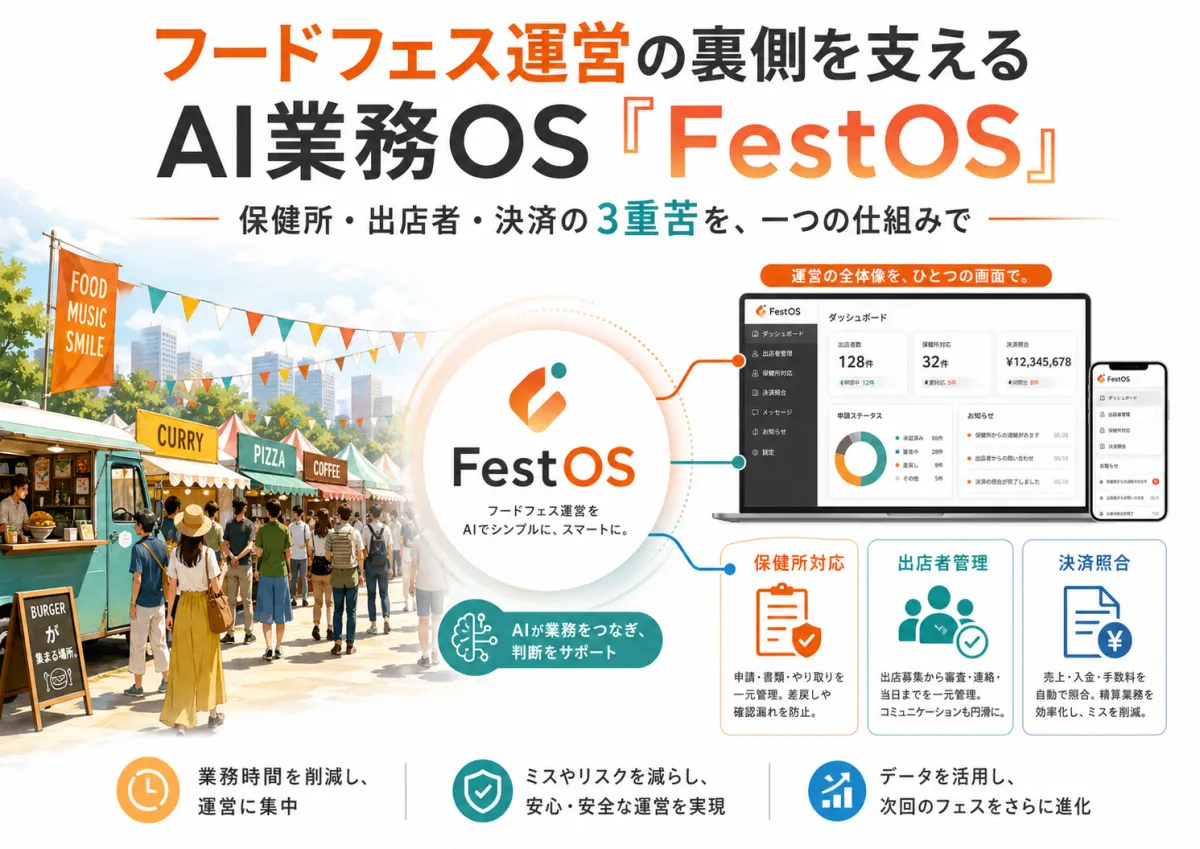
In recent years, the popularity of food festivals has surged, especially post-pandemic, as communities seek to revive outdoor dining experiences. However, as demand soars, the operational framework supporting these events has remained largely static, resulting in a significant gap in efficiency. Leach, a Tokyo-based company headed by CEO Takuya Tominaga, is addressing these operational challenges through their innovative AI business operating system, known as FestOS.
The rising interest in food events, such as festivals, farmer’s markets, and street food fairs, is particularly notable in the wake of COVID-19. Local governments are increasingly sponsoring these events as part of their tourism initiatives. Three primary trends drive this growth:
1. Recovery of Inbound Demand: Foreign tourists view Japanese cuisine as a primary attraction, making food festivals, which showcase local culinary culture, highly desirable.
2. Increase in Regional Festivals: Events focused on local agricultural products are on the rise. However, many organizers struggle with limited manpower and lack the operational knowledge required for successful future events.
3. Rapid Growth of Food Truck Businesses: The low entry barrier for food trucks has led to a surge in individual operators wanting to participate in food festivals, which further strains the already stretched resources of event organizers.
While audiences enjoy vibrant culinary displays at these festivals, the back-end operations are complex and time-consuming. Organizers typically manage over a hundred vendors and must handle differing local health department regulations along with multiple payment methods. Often, only a small team of 3-5 individuals is managing these multifaceted tasks, leading to burnout and inefficiencies.
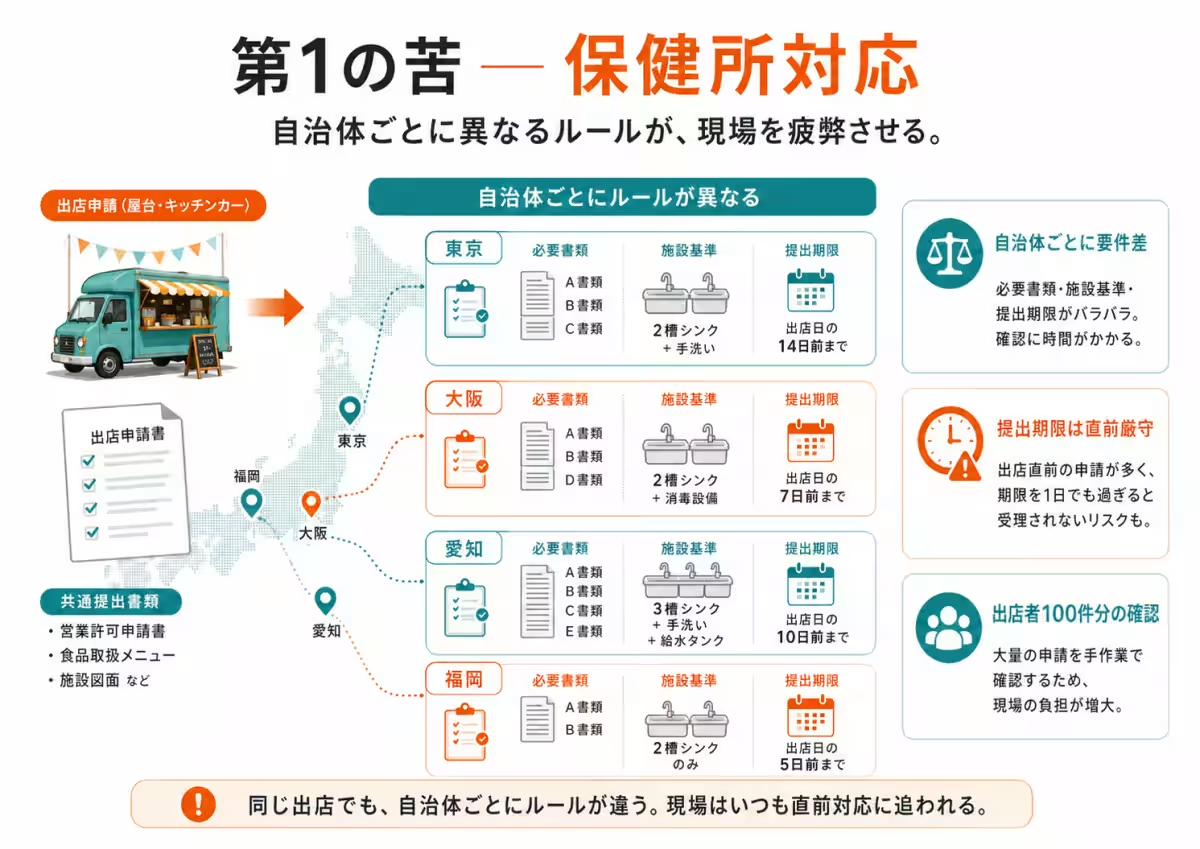
Event organizers need to navigate local health department rules, which vary significantly by region. Following the amendments to food safety laws in 2021, discrepancies remain in how permits are issued, which complicates compliance.
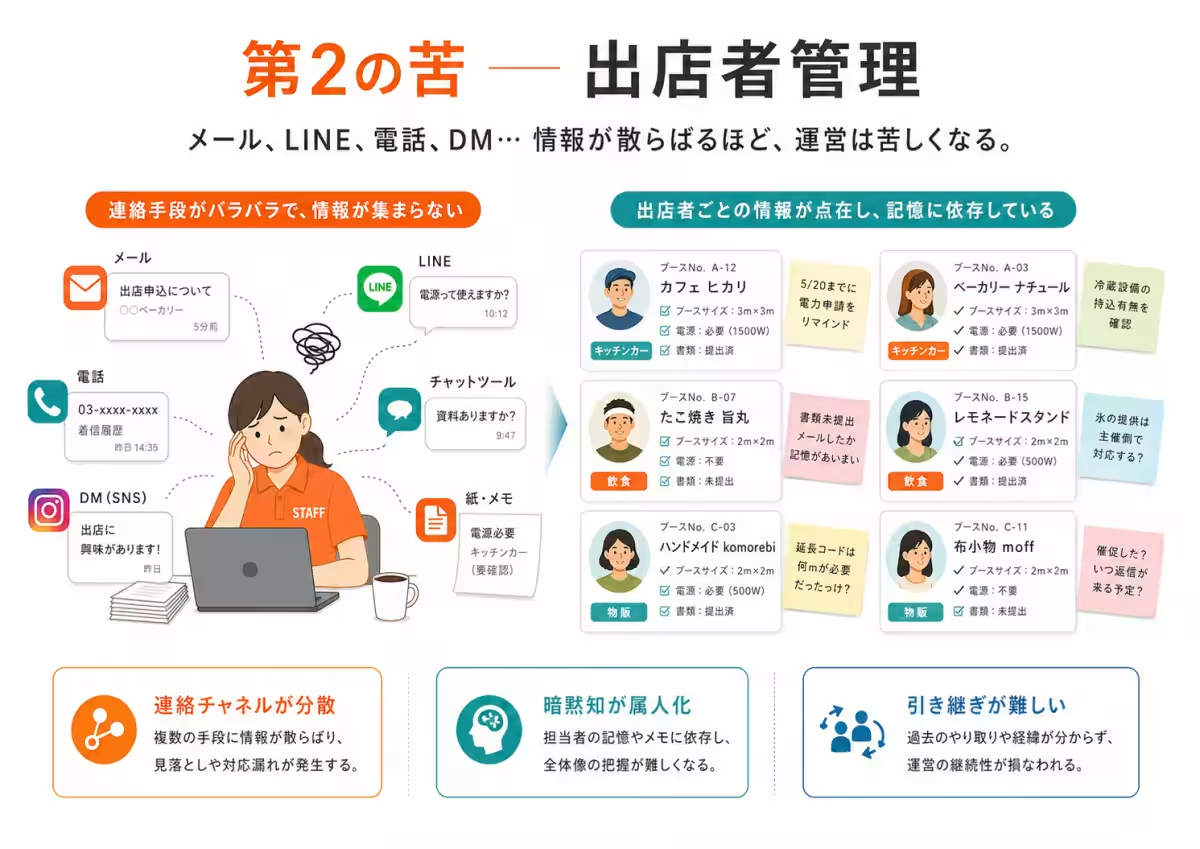
Managing a diverse array of vendors is no small feat. Different communication channels such as email, LINE, and social media complicate the information dissemination process, leading to potential mismanagement or confusion about essential event logistics.
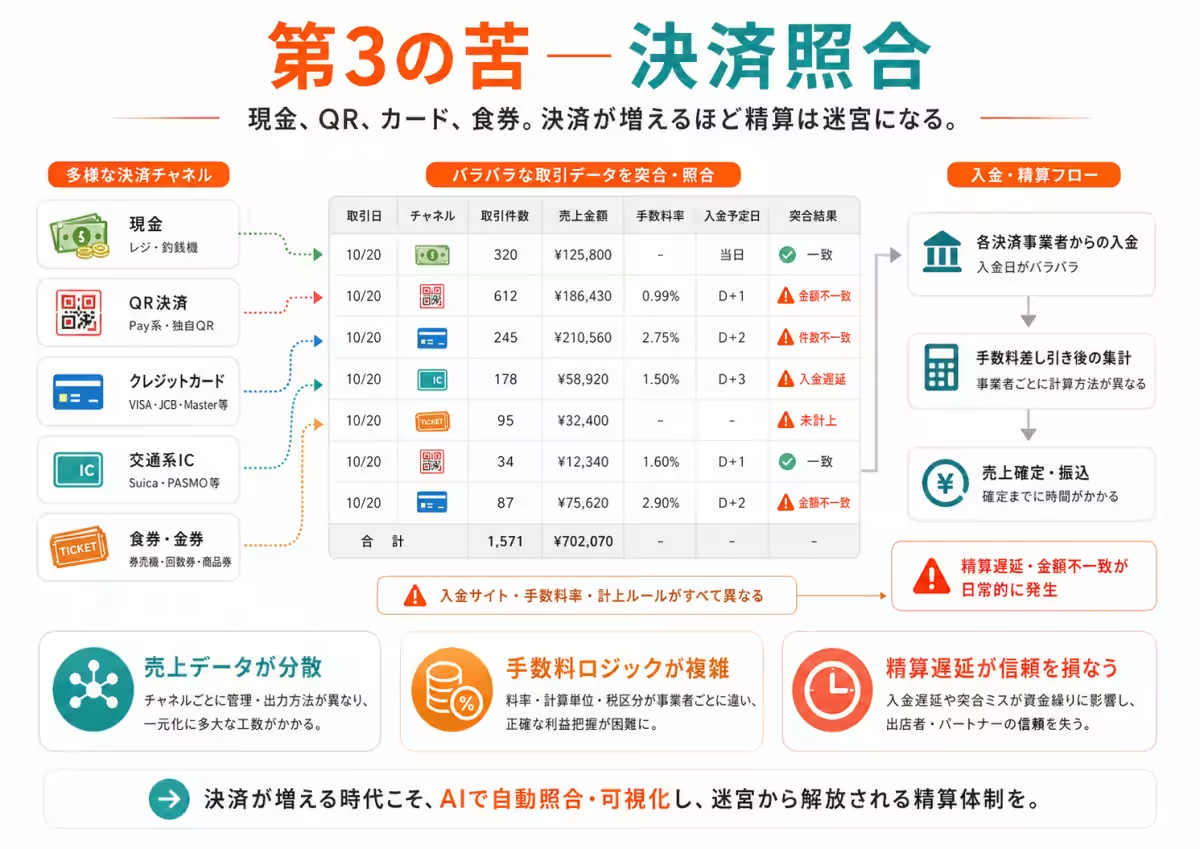
With various payment options available, including cash, QR codes, and credit cards, the complexity of reconciling sales figures post-event increases.
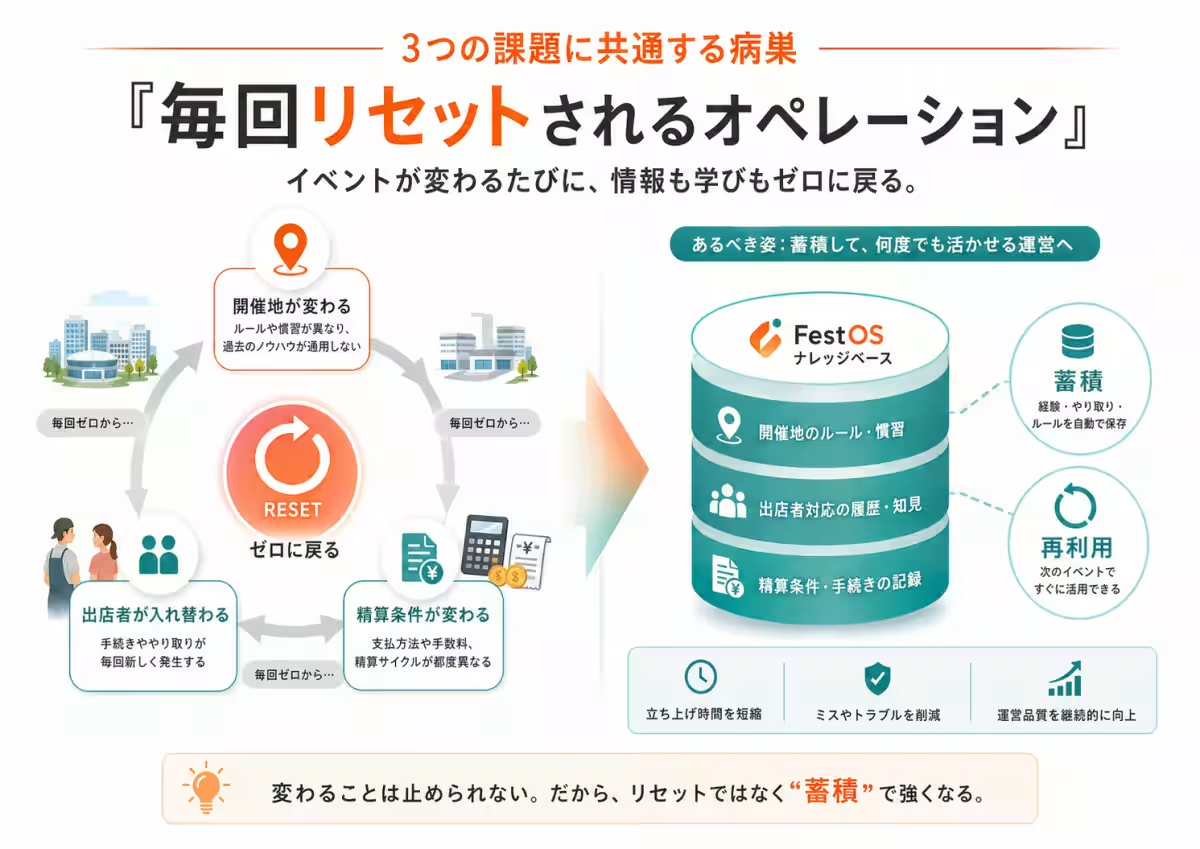
All three issues stem from the inability to build on past experiences. Health compliance, vendor management, and payment processes reset with each event, leading to inefficient practices.
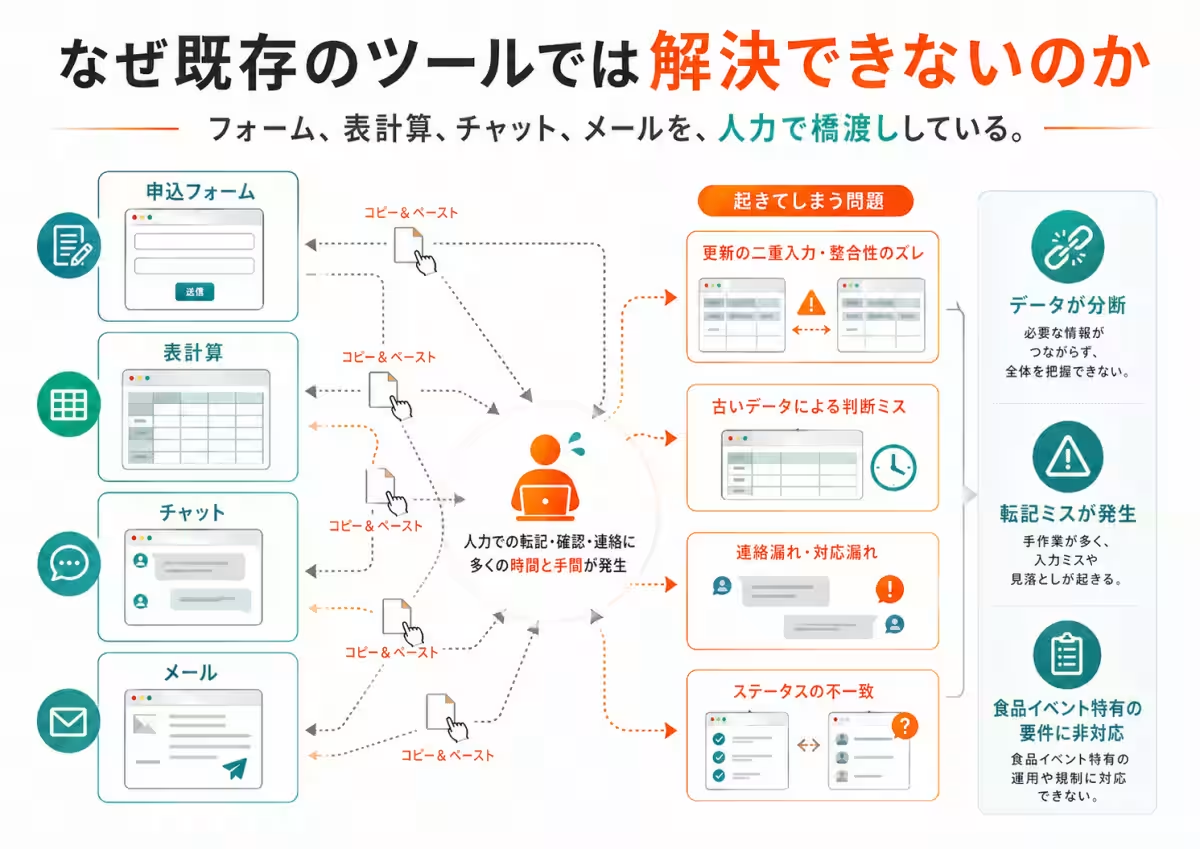
Current management tools, such as Google Forms or spreadsheets, fail to address the unique requirements of food festival operations, often resulting in inconsistent and incomplete data.
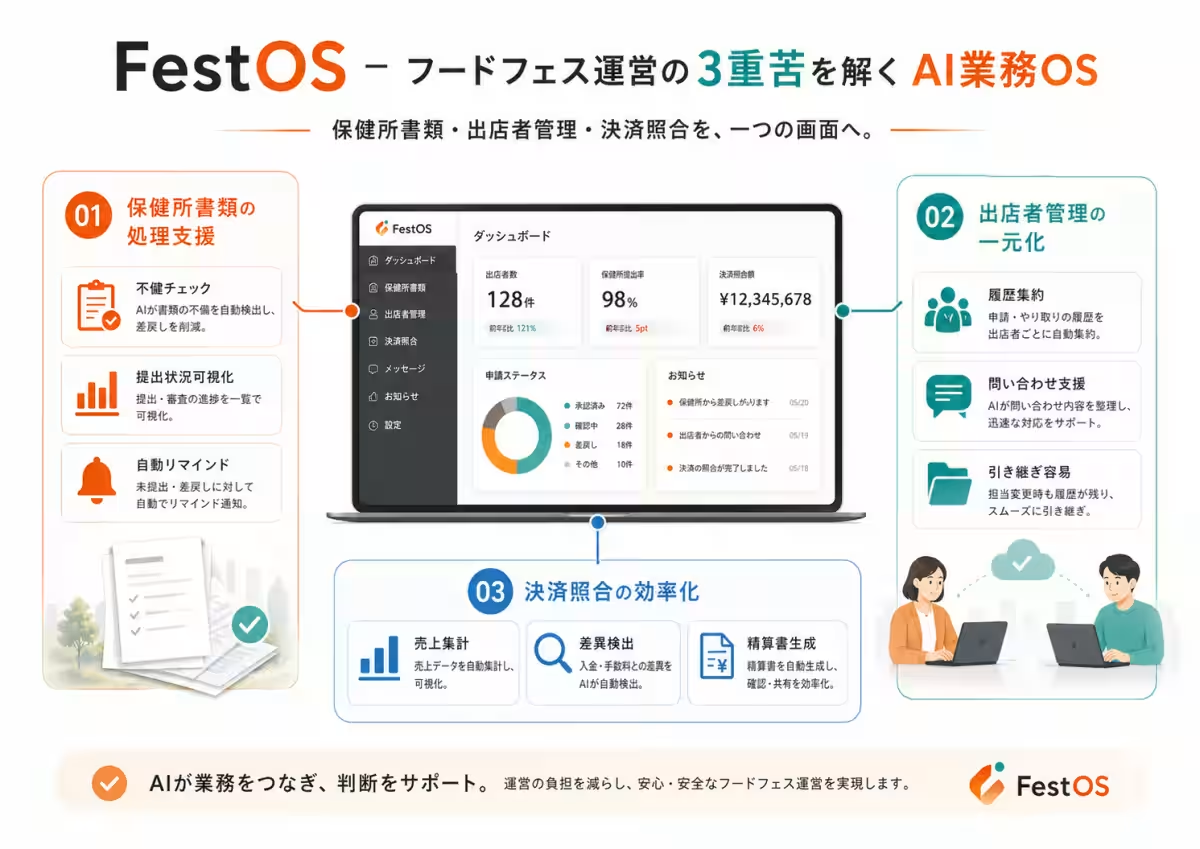
Amid these demands, FestOS is designed to fortify food festival operations by unifying management tasks onto a single platform. It assists in:
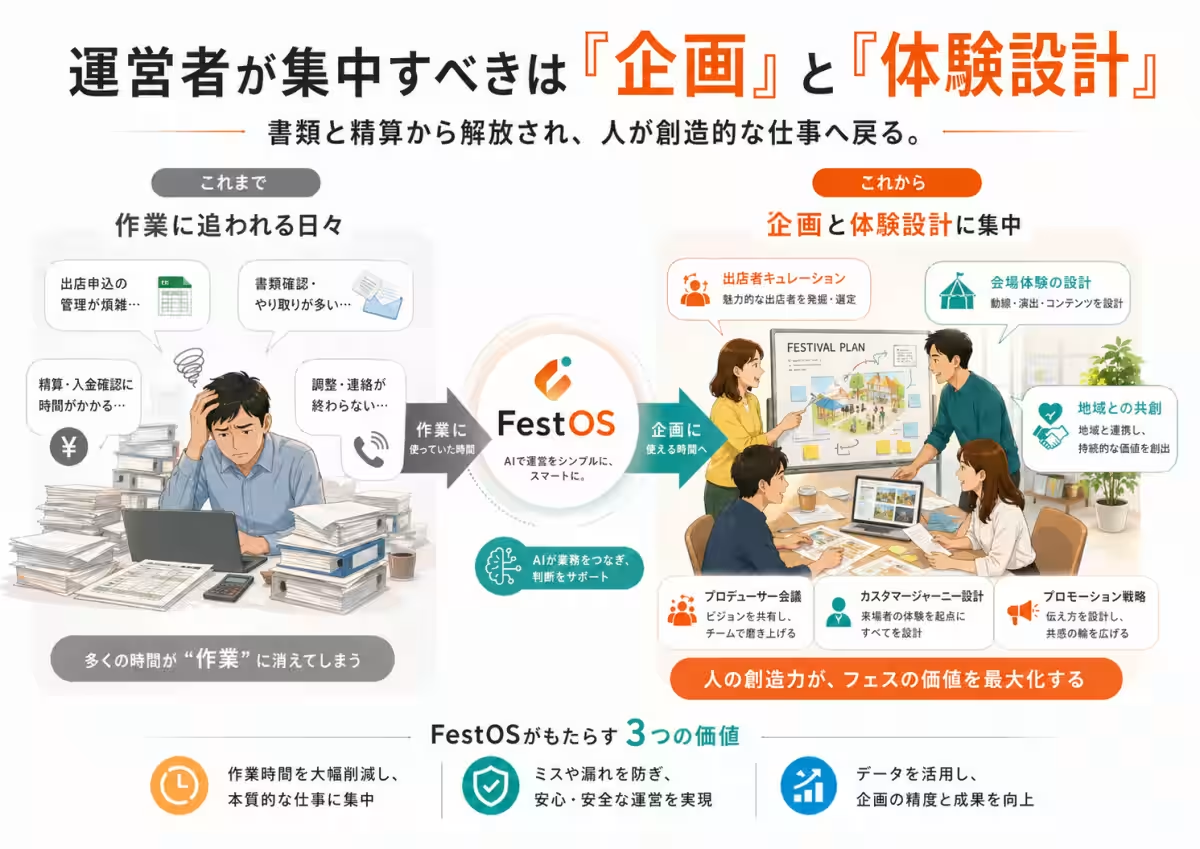
Ultimately, FestOS aims to free festival organizers from tedious administrative work, allowing them to concentrate on event curation and enhancing attendee experience.
In the quest for more effective event management, FestOS represents an important advancement. It addresses the operational challenges faced by the food festival industry today, ensuring safety, efficiency, and better vendor relationships. As food festivals continue to evolve, leveraging such innovative technologies will be crucial in creating enjoyable and memorable experiences for all stakeholders involved.
The Food Event Market’s Expansion
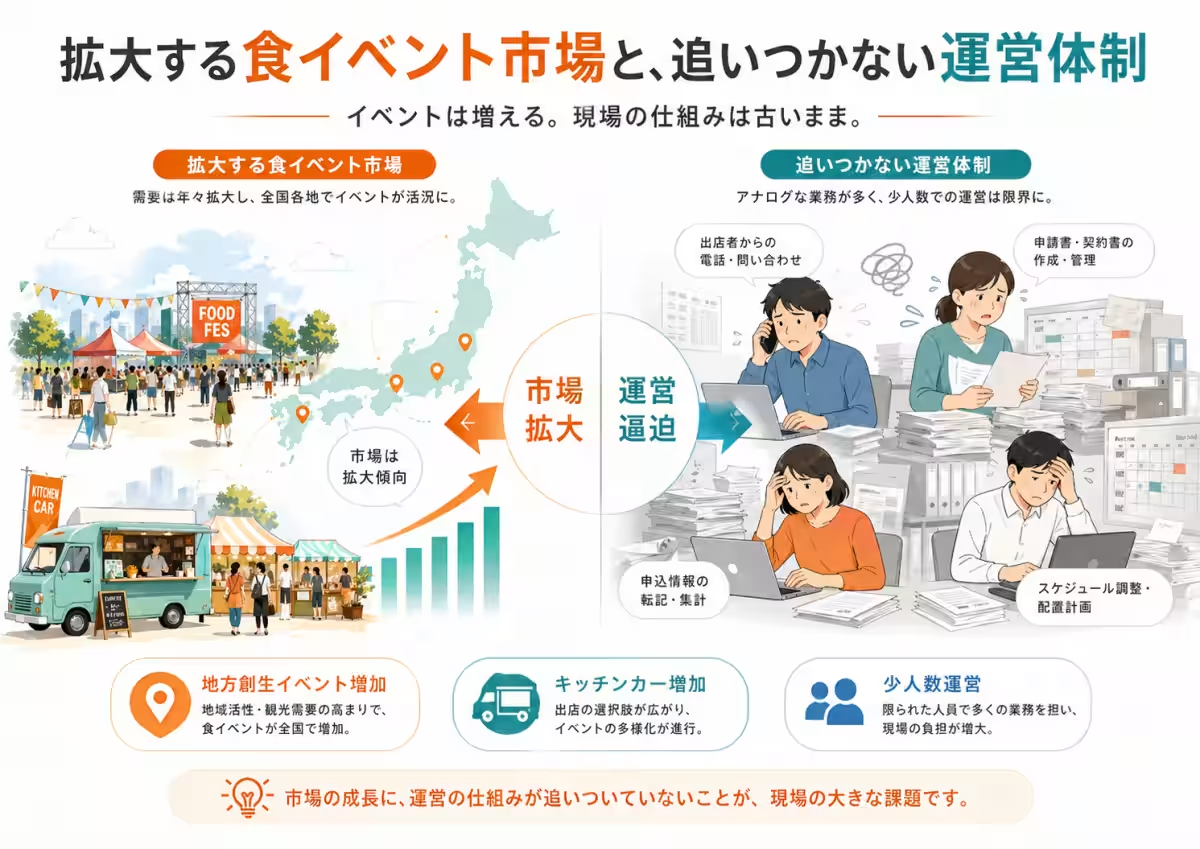
The rising interest in food events, such as festivals, farmer’s markets, and street food fairs, is particularly notable in the wake of COVID-19. Local governments are increasingly sponsoring these events as part of their tourism initiatives. Three primary trends drive this growth:
1. Recovery of Inbound Demand: Foreign tourists view Japanese cuisine as a primary attraction, making food festivals, which showcase local culinary culture, highly desirable.
2. Increase in Regional Festivals: Events focused on local agricultural products are on the rise. However, many organizers struggle with limited manpower and lack the operational knowledge required for successful future events.
3. Rapid Growth of Food Truck Businesses: The low entry barrier for food trucks has led to a surge in individual operators wanting to participate in food festivals, which further strains the already stretched resources of event organizers.
Hidden Operational Burdens
While audiences enjoy vibrant culinary displays at these festivals, the back-end operations are complex and time-consuming. Organizers typically manage over a hundred vendors and must handle differing local health department regulations along with multiple payment methods. Often, only a small team of 3-5 individuals is managing these multifaceted tasks, leading to burnout and inefficiencies.
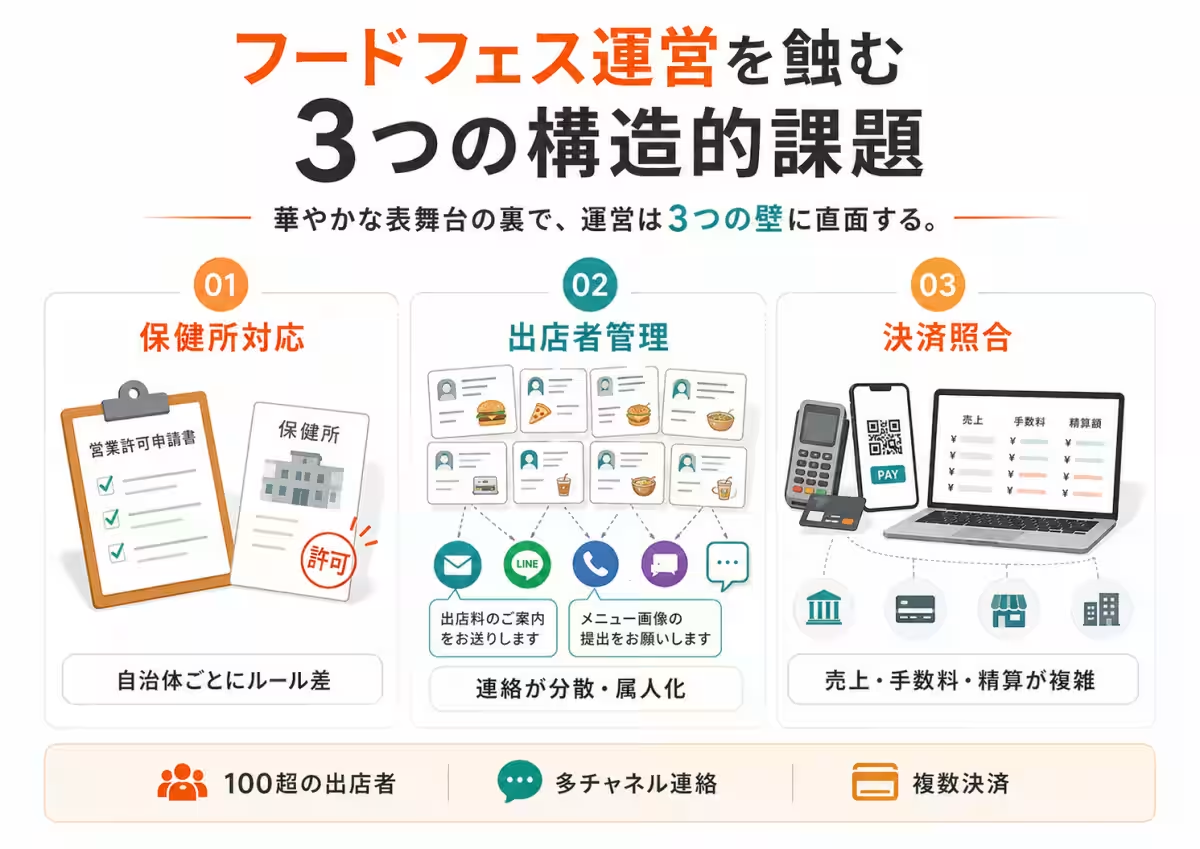
Three Major Challenges in Food Festival Management
1. Health Department Compliance
Event organizers need to navigate local health department rules, which vary significantly by region. Following the amendments to food safety laws in 2021, discrepancies remain in how permits are issued, which complicates compliance.
- - Application Process: Many health departments require applications to be submitted weeks in advance, creating challenges for event organizers when vendor information changes close to the event date.
2. Vendor Management
Managing a diverse array of vendors is no small feat. Different communication channels such as email, LINE, and social media complicate the information dissemination process, leading to potential mismanagement or confusion about essential event logistics.
- - Knowledge Loss: Experienced staff often hold crucial informal knowledge that can be lost if they leave, leaving subsequent staff at a disadvantage.
3. Payment Reconciliation
With various payment options available, including cash, QR codes, and credit cards, the complexity of reconciling sales figures post-event increases.
- - Trust Issues: Delays in payment reconciliation can damage trust with vendors, who rely on timely payments to finance future operations.
The Common Underlying Issue: Resetting Operations Every Time
All three issues stem from the inability to build on past experiences. Health compliance, vendor management, and payment processes reset with each event, leading to inefficient practices.
Why Existing Tools Fall Short
Current management tools, such as Google Forms or spreadsheets, fail to address the unique requirements of food festival operations, often resulting in inconsistent and incomplete data.
The Birth of FestOS: An AI-Powered Solution
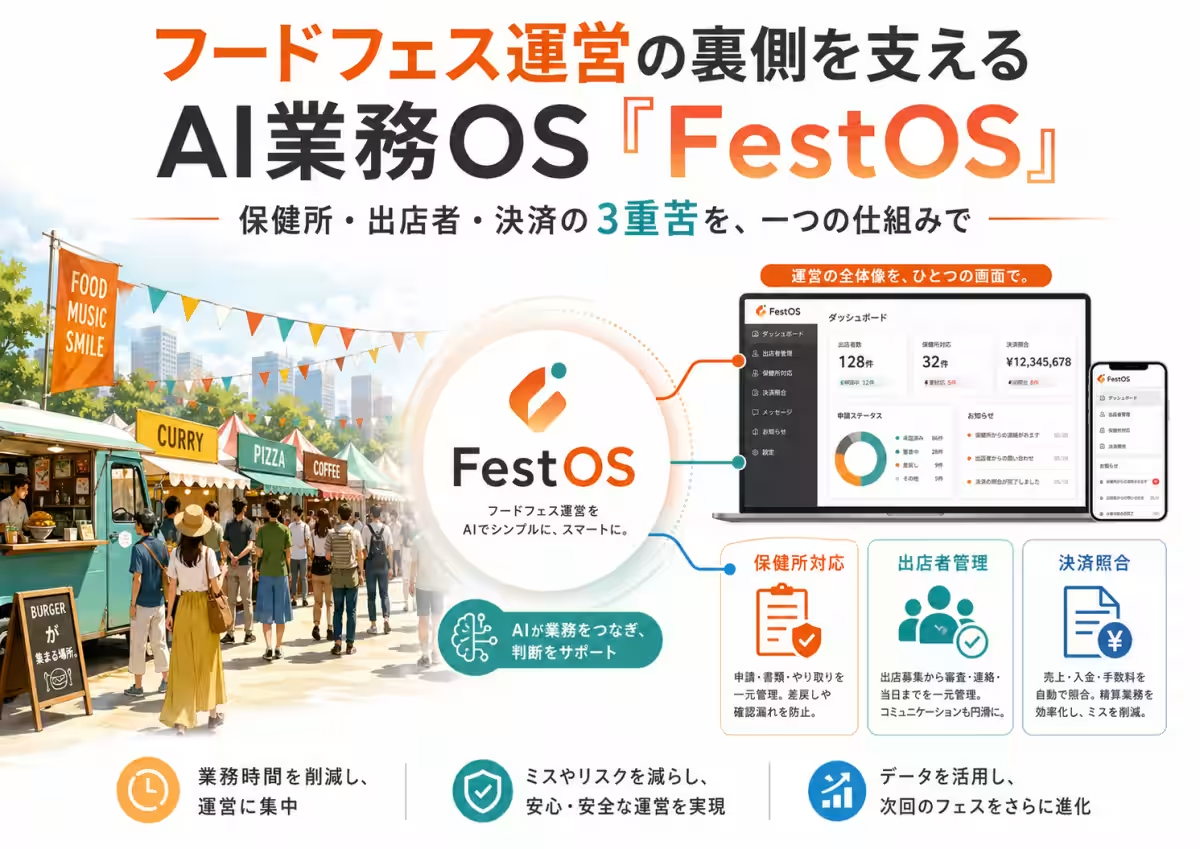
Amid these demands, FestOS is designed to fortify food festival operations by unifying management tasks onto a single platform. It assists in:
- - Health Department Documentation: FestOS simplifies necessary paperwork, helping vendors meet compliance requirements efficiently.
- - Vendor Management: By centralizing communication, the system allows for better tracking and management of vendor interactions.
- - Payment Reconciliation: FestOS streamlines payment processes, offering clarity and consistency in financial transactions.
Focus on Core Competencies
Ultimately, FestOS aims to free festival organizers from tedious administrative work, allowing them to concentrate on event curation and enhancing attendee experience.
Conclusion
In the quest for more effective event management, FestOS represents an important advancement. It addresses the operational challenges faced by the food festival industry today, ensuring safety, efficiency, and better vendor relationships. As food festivals continue to evolve, leveraging such innovative technologies will be crucial in creating enjoyable and memorable experiences for all stakeholders involved.
Topics Consumer Products & Retail)



【About Using Articles】
You can freely use the title and article content by linking to the page where the article is posted.
※ Images cannot be used.
【About Links】
Links are free to use.