



Understanding Early Employee Turnover: Insights from IKUSA's Research on Young Professionals
Exploring the Causes of Early Employee Turnover Among Young Professionals
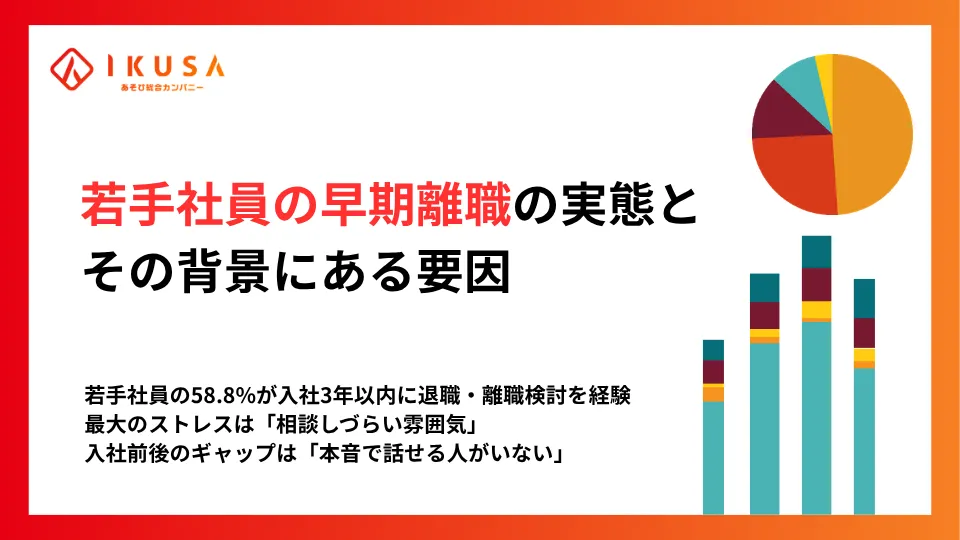
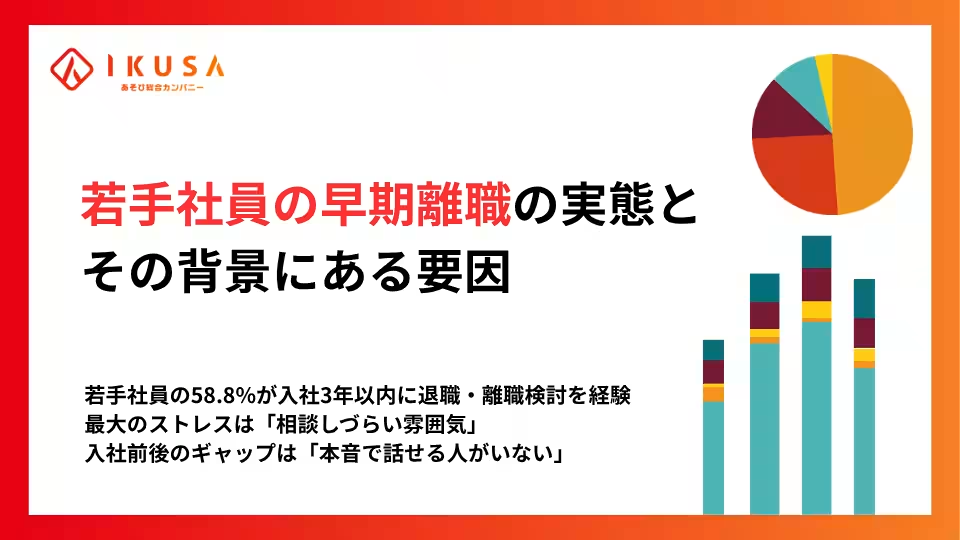
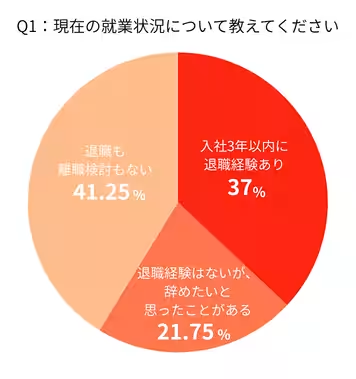
In a significant revelation, IKUSA Inc. has released the findings from its recent survey that sheds light on the pressing issue of early employee turnover among young professionals. The survey, targeting recent graduates with one to three years of work experience, highlights alarming statistics, with 58.8% of respondents indicating they have either considered or experienced employer departure shortly after joining their organizations. This statistic mirrors trends observed in previous reports from the Ministry of Health, Labour and Welfare, showing that the risk of turnover among young employees remains critically high.
Key Findings from the Survey
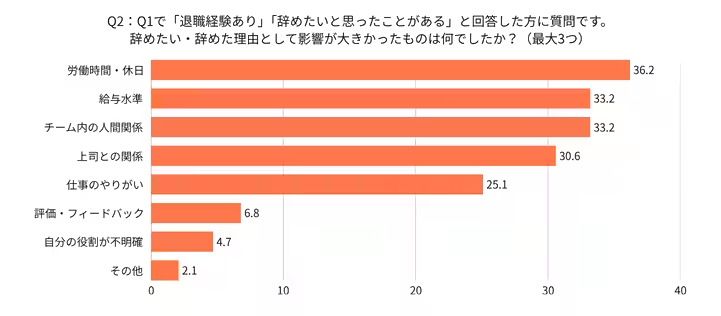
The survey, which analyzed responses from 400 young professionals, pointed out that the primary reasons behind their dissatisfaction and subsequent desire to leave their jobs were related to the work environment rather than solely financial incentives. Specifically, the findings spotlight two critical dimensions:
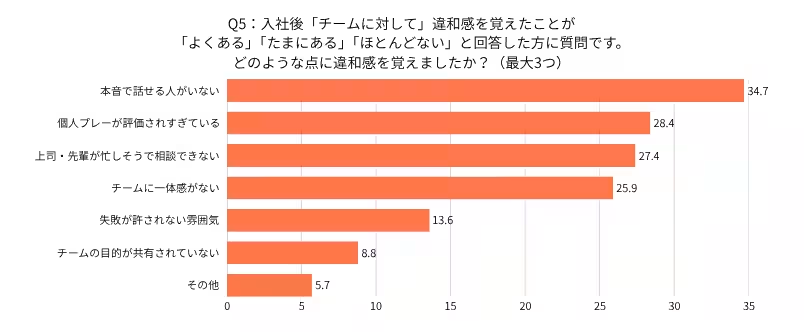
1. Team Dynamics: A significant portion of respondents noted that interpersonal relationships within their teams played a substantial role in their decision to leave or consider leaving their positions. Many attributed their dissatisfaction to factors such as team relationships, supervisor interactions, and overall workplace culture. Notably, 34.7% expressed a lack of individuals they could confide in within their teams, highlighting a resistant team atmosphere that hampers open communication.
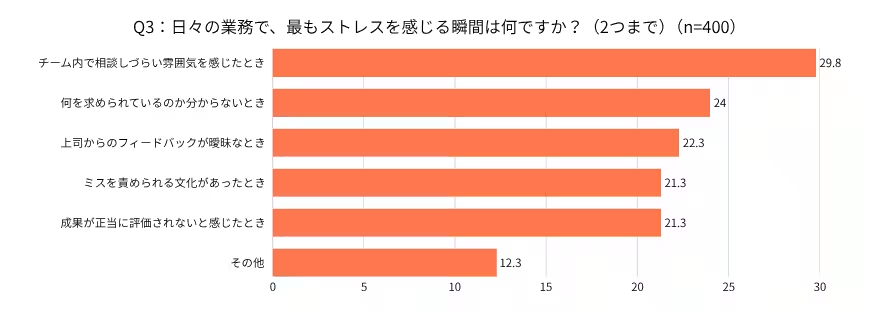
2. Work-Life Balance: Although considerations related to salary and work hours were substantial, they were not the only deterrents. The stress caused by the inability to communicate effectively with team members and the ambiguous expectations set forth by management surfaced as recurring themes in the responses. Interestingly, 29.8% of participants reported their highest stress levels arose from experiencing a culture that felt unapproachable for discussions or feedback.
Factors Mitigating Turnover Intentions
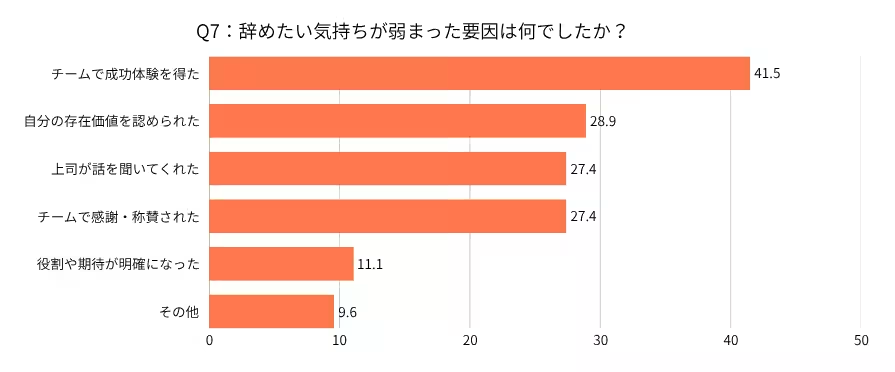
On a more positive note, the survey revealed some effective strategies attributed to easing turnover intentions. A notable 41.5% of participants mentioned that experiencing success as part of a team significantly alleviated feelings of wanting to leave. Recognition through tangible accomplishments can impact employee sentiment, enhancing their values within their teams and boosting morale.
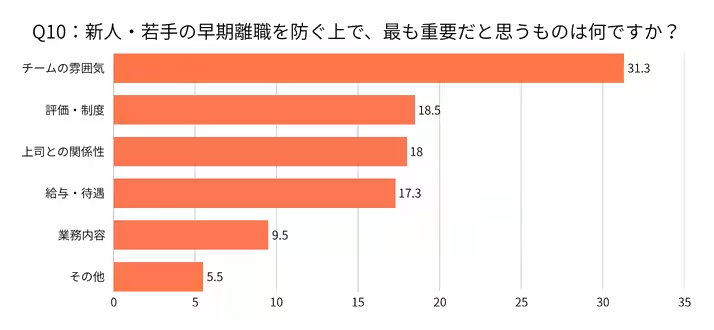
These insights signify that creating a positive team atmosphere is crucial for retention. An overwhelming 31.3% of respondents indicated that the team environment was the most vital factor in preventing early turnover, overshadowing salary and other benefits.
Recommended Focus on Team Environment
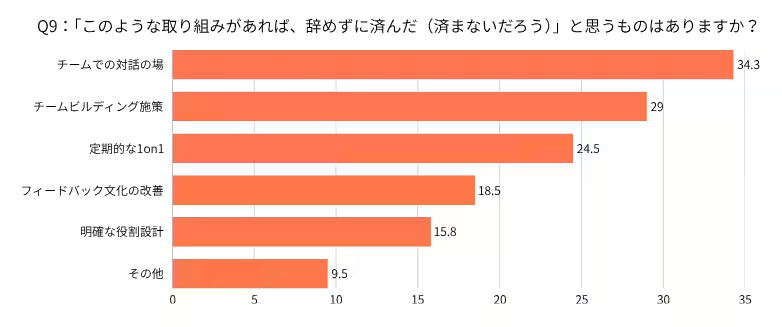
In light of these discoveries, IKUSA advocates for companies to prioritize enhancing team dynamics as a mitigation strategy against turnover. The core concept lies in fostering an environment where young employees feel psychologically safe to express their thoughts and concerns. Experiential activities, such as team-building exercises, have shown promise in bridging gaps and facilitating rapport among team members.
The survey indicates that team-building initiatives contribute not only to improving morale but also to reinforcing employees' sense of belonging, reducing turnover rates. Companies should consider implementing regular social events, training sessions, and feedback-oriented gatherings that aim to strengthen teamwork and communication.
Conclusion: The Path Forward for Employers
Employers, particularly those who hire a younger workforce, should heed these findings as a call to action. Addressing turnover through salary adjustments is necessary, but without a focus on improving team relationships, such efforts may prove to be ineffective. As IKUSA’s research suggests, creating an environment conducive to communication, engagement, and recognition establishes a strong foundation for employee retention while boosting overall workplace satisfaction. Companies are encouraged to explore more interpersonal activities that encourage dialogue and collaboration as vital elements of their retention strategies.
Investing in the social fabric of workplaces can yield enhanced employee loyalty, ultimately contributing to organizational success and stability in an increasingly competitive job market.
Topics People & Culture)


【About Using Articles】
You can freely use the title and article content by linking to the page where the article is posted.
※ Images cannot be used.
【About Links】
Links are free to use.