



Transforming Organizations for Resilience: A Seminar on Leader EQ Amid Bankruptcy Surge
Transforming Organizations for Resilience: A Seminar on Leader EQ Amid Bankruptcy Surge
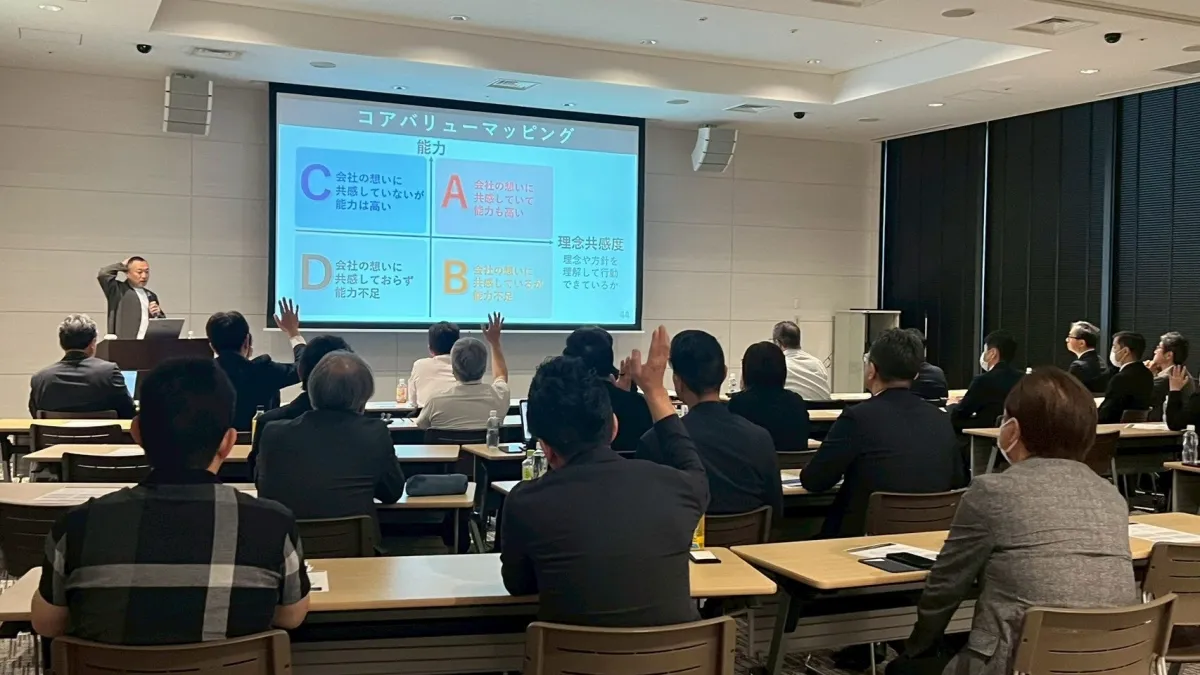
On May 13, 2026, Imajina Inc., a branding company, hosted a transformative seminar for executives and HR leaders at the Tokyo Convention Hall. This event aimed to address the alarming rise in corporate bankruptcies, reported by Teikoku Databank, showcasing the highest figures in a decade for April 2026.
The Bankruptcy Crisis: A Deeper Look
According to Teikoku Databank's latest statistics released that day, Japanese corporations experienced 899 bankruptcies in April 2026, a staggering 8.8% increase compared to the previous year. This marks the worst record for April in the past ten years. The core issue is not merely financial mismanagement; rather, it is the “supply constraints” caused by a lack of manpower, even amidst market demand. In fact, the number of bankruptcies due to labor shortages reached a record 441 cases in the 2025 fiscal year.
More than 90% of companies identified ‘strengthening human resources’—encompassing recruitment, retention, and development—as their primary management concern. Clearly, people-related issues are bottlenecks in organizational leadership. However, Japan's management education ranks shocking 60th out of 64 countries, highlighting a significant dysfunction in management practices that adversely affects employee engagement and can lead to what is termed “employee turnover triggers.”
A Call for Change: Updating Leadership EQ
During the seminar, Imajina's CEO, Sekino, presented a radical approach: moving away from traditional management education rooted in ‘gut feelings’ and ‘experience’ to instill a global standard of human capability—referred to as Leadership EQ—in organizations.
Leadership EQ, as defined by Imajina, goes beyond mere interpersonal skills. It combines self-awareness and understanding of others, media literacy, and a sense of contributing to society, thus embodying an irreplaceable humanism necessary in the age of AI.
Key Components of Leadership EQ
1. Building Psychological Safety: Leaders who control their emotions and adapt their engagement to their subordinates' needs can significantly enhance their organizations' psychological safety.
2. Transforming Organizational Culture with Common Values: By elevating company values from lofty ideals to practical decision-making criteria, employees are empowered to act autonomously. Organizations that successfully implement planned succession and executive training enjoy more than fourfold revenue growth compared to those that do not.
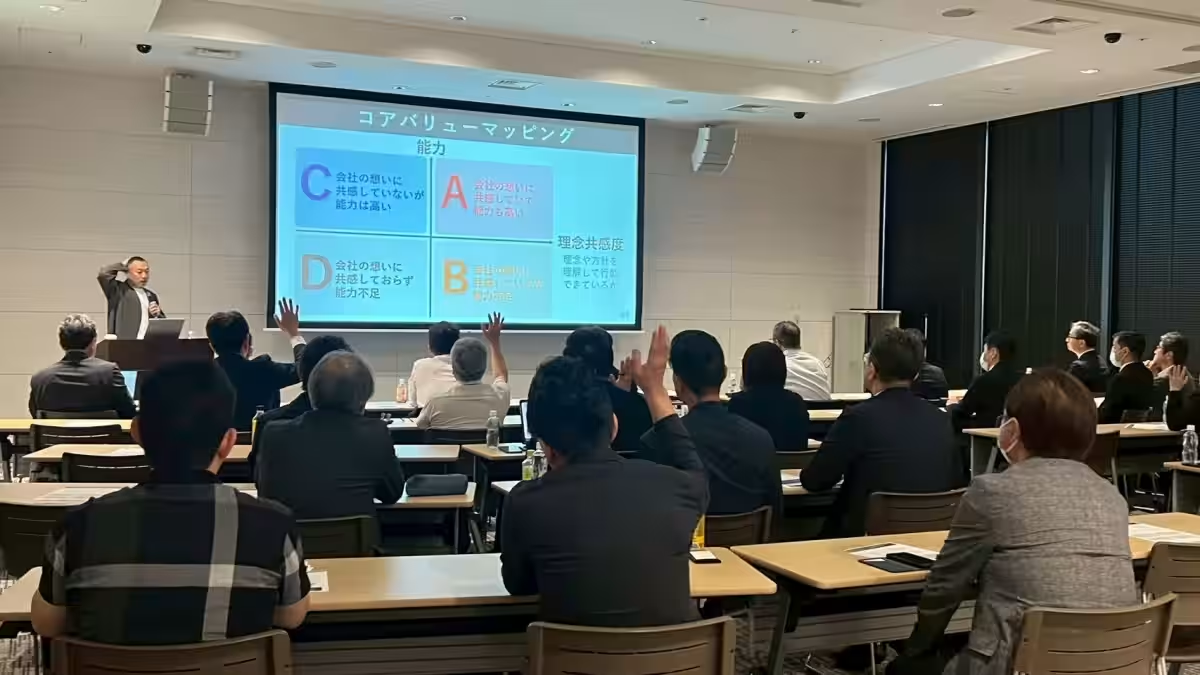
3. Quantifying Value Infusion: Imajina has developed a methodology to visualize the organizational state through four phases—understanding, action, empathy, and diffusion. This approach scientifically identifies where alignment falters and clarifies actionable steps.
Seminar Outcomes and Ongoing Support
The seminar attracted executives eager for solutions to the growing crisis. Attendees expressed enthusiasm, commenting on breakthroughs such as overcoming the perception of management education as a 'punishment' and understanding the structural reasons why ideals fail to penetrate the workplace.
To support participants post-seminar, a range of “selectable individual consultation sessions” were provided, covering:
- - General Business Consultation: Crafting a second growth curve to overcome bankruptcy risks.
- - Training and Development Consultation: Practical methods to embed Leadership EQ within teams.
- - Recruitment Consultation: Developing a values-driven recruitment structure that does not depend on wage competition.
- - PR and Communication Consultation: Strategies for transforming human charm into brand value.
Moving forward, Imajina is committed to fostering a society where investing in human resources becomes the norm, thereby unlocking the true strength of Japanese companies.
Topics Business Technology)
【About Using Articles】
You can freely use the title and article content by linking to the page where the article is posted.
※ Images cannot be used.
【About Links】
Links are free to use.