



Introducing the World's First Portable Laparoscopic Training Device: PivotOne
Revolutionizing Surgical Training: Meet PivotOne
In a significant advancement in surgical training technology, Japanese Polymer Research Co., led by CEO Masashi Inoue, has partnered with Professor Noriyuki Inaki from Kanazawa University to unveil a cutting-edge compact training device named PivotOne. This groundbreaking tool is designed for laparoscopic suturing training and is portable enough to fit in a bag, making it easily accessible for medical professionals on the go.
The Unique Dual-Training Structure of PivotOne
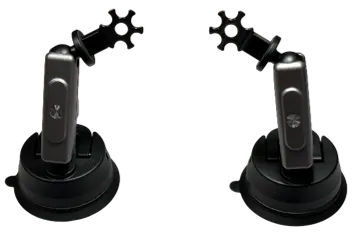
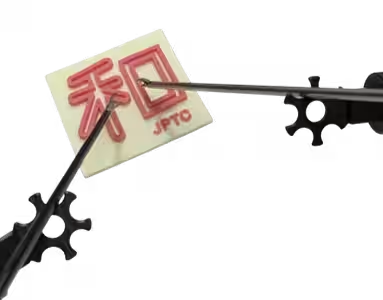
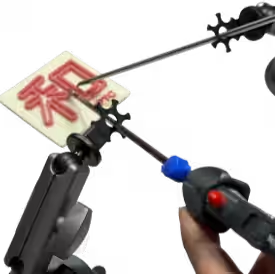
PivotOne is the only device in the world capable of performing both hand tremor correction training and regular suturing training through its unique dual-functionality design. Surgeons can switch between modes quickly by placing forceps in one of five grooves to mitigate hand tremors, or by using the central device hole for standard suturing practice. This aspect allows for a convenient training experience that can be quickly set up at home, in hospitals, or even during trips. The product will be available starting December 6 at a price of 24,000 yen for a set of two (not including shipping and tax).
Addressing the Training Needs of Surgeons
Surgeons often juggle a multitude of responsibilities, including outpatient care, surgeries, conferences, presenting at academic meetings, and writing papers. Despite the demand for continuous training in laparoscopic surgery—a discipline that requires advanced skills—surgeons frequently find themselves limited by time constraints, needing to travel to specific training locations to practice. This reality poses a significant barrier to honing their skills.
Recognizing this challenge, Inaki and Inoue collaborated to develop PivotOne, enabling physicians to engage in laparoscopic suturing training anytime, anywhere. With such accessibility, the stress and burden of traditional training methods can be considerably reduced, facilitating consistent improvement in surgical skills.
PivotOne Features and Operation
PivotOne's portability is one of its key features. It allows for suturing training regardless of location—be it at home, in the medical office, or during night shifts. This dual-purpose device effectively combines:
1. Hand Tremor Correction Training
2. Standard Suturing Training
Hand tremors during laparoscopic procedures can occur when forceps are lifted from their pivot point. The risk increases with the diameter differences between the instruments and ports, along with the subtle tremors caused by muscle tension. PivotOne addresses this by introducing a semi-circular design for the grooves where the forceps are placed, promoting awareness of the manipulation pivot while training.
Training Methodology
The training process with PivotOne can be easily integrated into daily practice through these three steps:
1. Standard Suturing Training (5-10 minutes): Use the central device hole to perform regular suturing procedures, taking note of any hand tremors and transitioning to step 2 if necessary.
2. Hand Tremor Correction Training (5-10 minutes): Pressing the forceps against one of the grooves while maintaining contact will help develop a sense of stable operation, learning to perform suturing slowly and steadily.
3. Revisit Standard Suturing Training (5-10 minutes): After completing the tremor correction exercise, returning to the standard suturing practice should yield a notably different level of stability.
The Lasting Impact of Training
By practicing these steps over a span of ten days, a month, or even two, surgeons will internalize the focus on the grooves, resulting in more stable suturing techniques. This progression is expected to improve suturing speed, offering a significant achievement for medical professionals.
PivotOne exemplifies innovative solutions tailored for busy surgeons striving to refine their skills effectively within limited timeframes. Additionally, research at Kanazawa University continues to validate the effectiveness of this device, promising to share developments at various academic conferences.
About the Collaborators
Kanazawa University is at the forefront of this initiative, specifically the Medical Science Division, focusing on gastrointestinal and breast surgery under Professor Noriyuki Inaki, an esteemed expert in minimally invasive procedures.
Japanese Polymer Research Co., established in April 2004, specializes in the development and sale of training devices for endoscopic procedures and works closely with various academic institutions to enhance surgical education.
For inquiries regarding PivotOne, please contact:
Japanese Polymer Research Co.
Location: 3-2-14 Nihonbashi, Chuo-ku, Tokyo, Japan
CEO: Masashi Inoue
URL: jptc.co.jp
Email: [email protected]
The launch of PivotOne marks a pivotal moment in surgical training, providing practitioners with the tools needed to advance their skills efficiently and effectively.




Topics Health)
【About Using Articles】
You can freely use the title and article content by linking to the page where the article is posted.
※ Images cannot be used.
【About Links】
Links are free to use.