



Consumer Awareness on Food Waste Reduction in Japan and Expiration Dates
Understanding Consumer Perspectives on Food Waste and Expiration Dates
In recent years, there has been a significant increase in consumer awareness regarding food waste and the intricacies of expiration dates. A comprehensive survey conducted by Nihon Information Co., a leading marketing research firm based in Tokyo, has shed light on these evolving attitudes among Japanese consumers. The survey, carried out online from April 18 to April 21, 2025, included responses from 1,006 individuals aged 16 to 69.
Key Findings
1. Awareness of Food Waste on the Rise
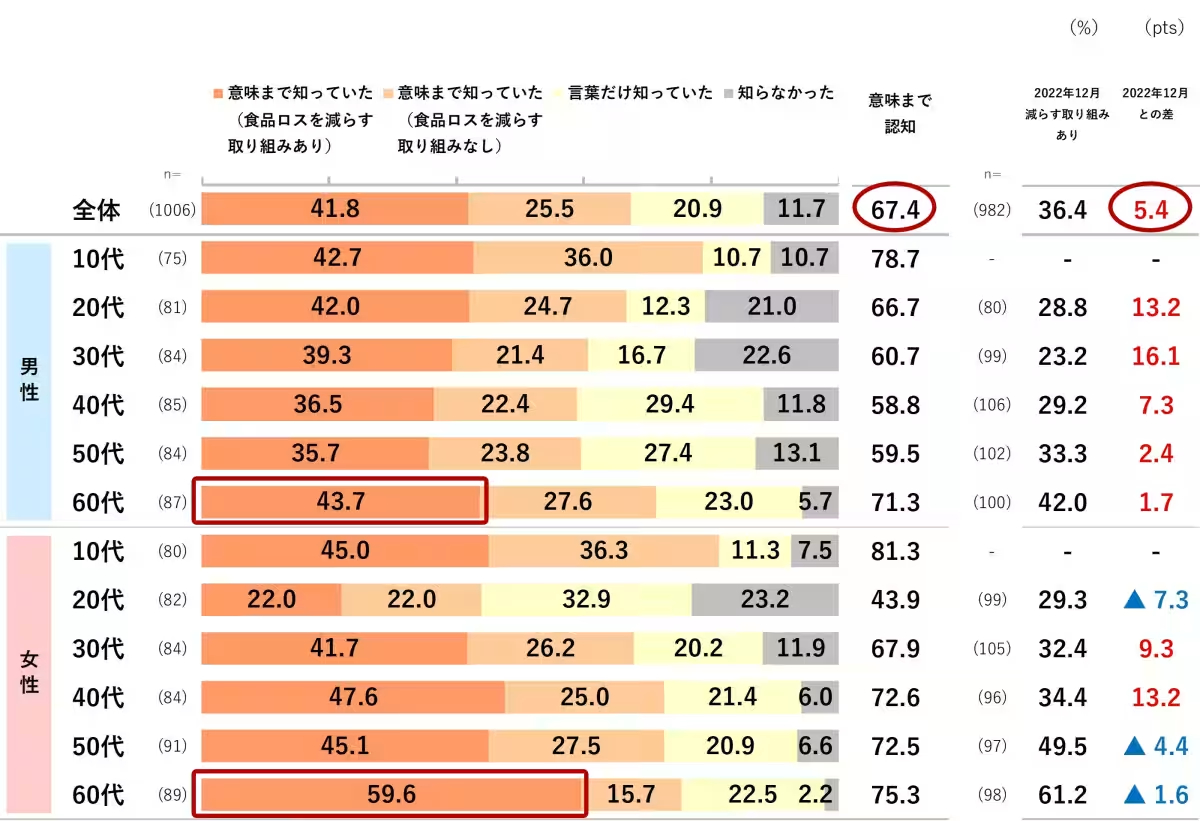
Approximately 70% of respondents acknowledged the issue of food waste, with this awareness showing an upward trend compared to a similar study conducted in December 2022. Notably, individuals in their 60s exhibited the highest level of awareness. Furthermore, there has been a 5.4% increase in the number of people actively working to reduce food waste, indicating a growing interest in sustainable consumption practices.
2. Attitudes Toward Expired Food Products
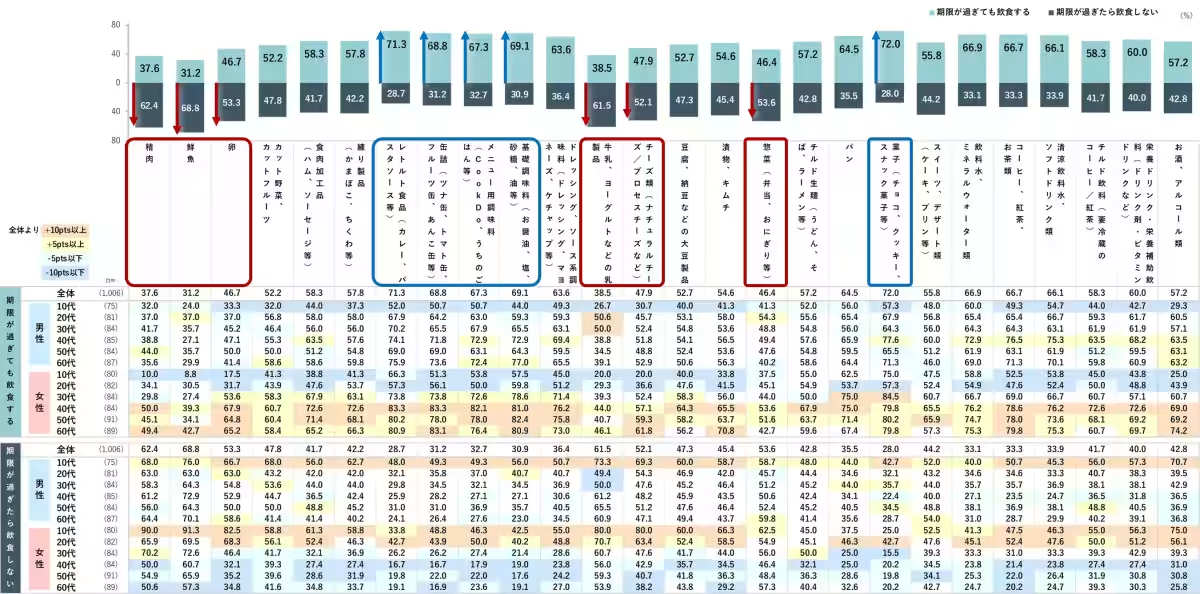
Respondents displayed a cautious approach toward consuming expired products, particularly for fresh items such as seafood, meat, dairy products (like milk and yogurt), prepared dishes, eggs, and cheese. Although these products typically bear a 'best before' label, they are often treated with the same caution as those with a 'consume by' date.
3. Support for Extended Expiration Guidelines
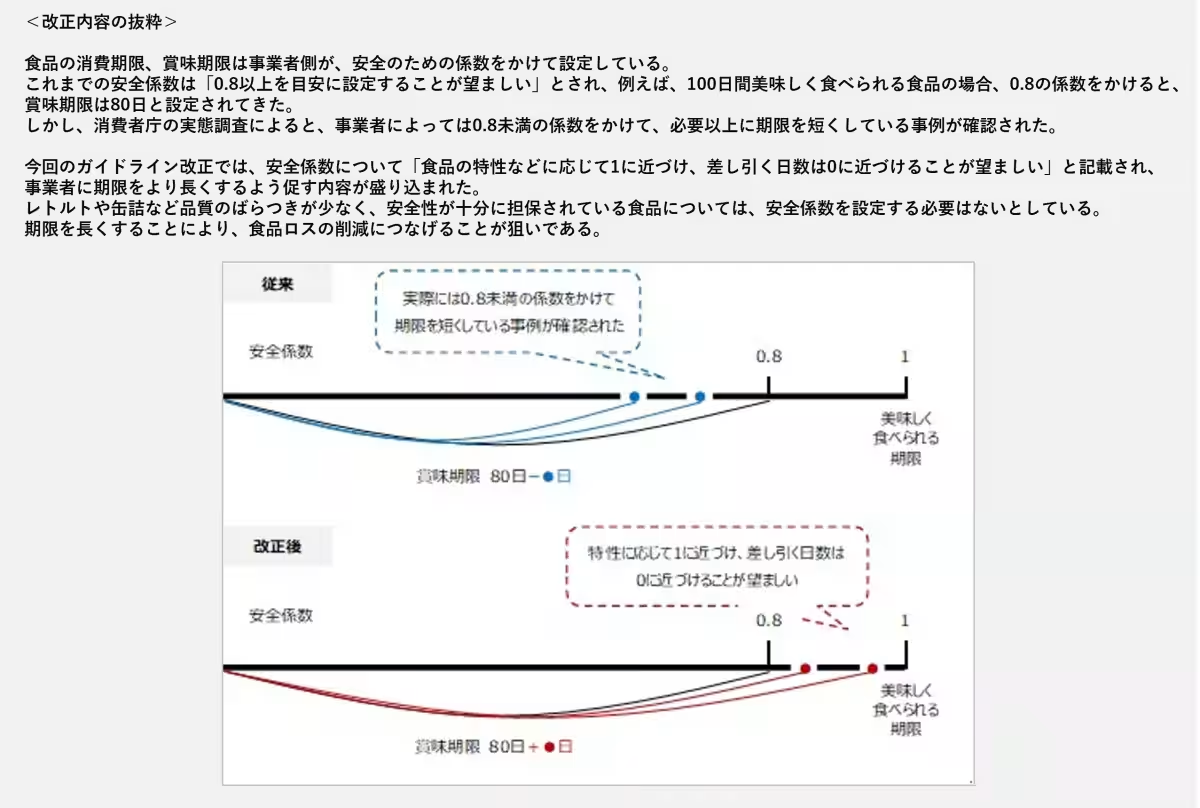
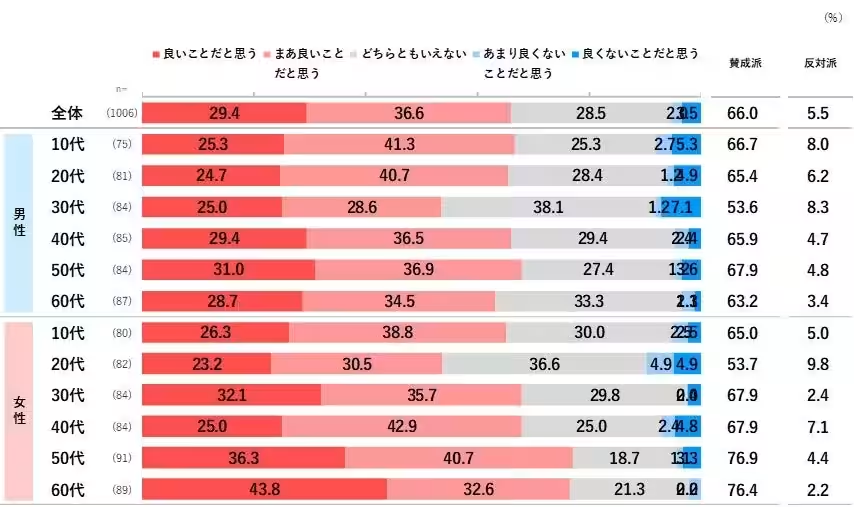
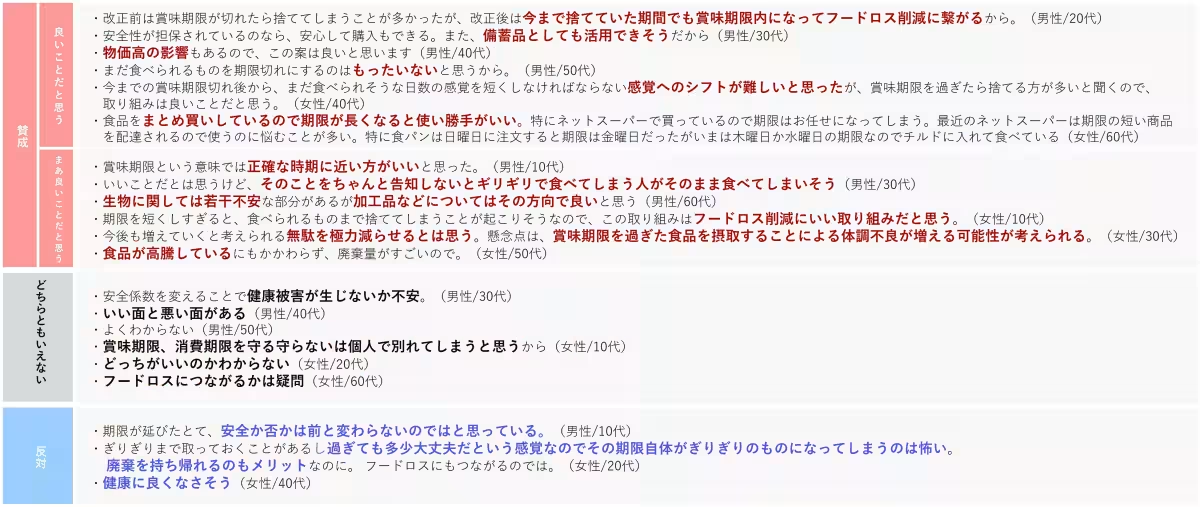
Interestingly, 70% of survey participants expressed support for guidelines that promote extending expiration dates to mitigate food waste. Only a small fraction (less than 10%) opposed this initiative, while around 30% remained neutral. The predominant reasons for support included the potential for reducing food waste, mitigating the impact of rising prices, and facilitating better food storage practices.
4. Concerns About Changing Perceptions
While many respondents welcomed the idea of longer shelf lives, some raised concerns about the psychological shift that might accompany such changes. There were fears of inadvertently consuming expired products due to the extended dates. Respondents emphasized the need for manufacturers and retailers to communicate clearly about these changes to ensure consumer safety and confidence.
5. Varied Comfort Levels with Different Foods
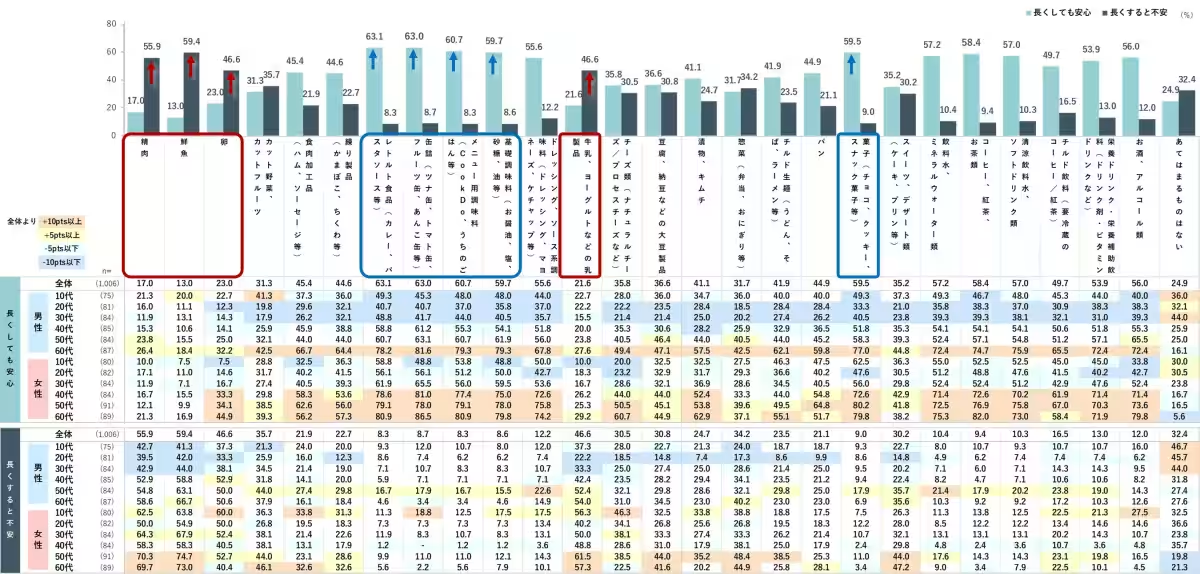
The survey also unearthed differing comfort levels relating to various food items and their expiration dates. For products such as seafood, meat, eggs, and dairy, consumers felt uneasy about extended durations. In contrast, many felt at ease with longer expiration dates for items like ready-to-eat meals, canned goods, condiments, and snacks, where they perceive quality changes to be less acute.
The recent survey findings highlight a significant shift in consumer attitudes towards food waste and expiration dates, with the majority advocating for changes that could bolster sustainability. However, concerns about health implications and consumer behavior remain prevalent, suggesting that clear communication from producers and sellers is crucial.
Conclusion
In conclusion, the responses gathered from this recent survey offer valuable insights into how consumers in Japan are increasingly engaging with the concept of food waste and expiration guidelines. With over 70% of respondents supporting the initiative to extend expiration dates, it is clear that there exists a collective desire to reduce food waste. However, this also necessitates a concerted effort from industry stakeholders to ensure the public is well-informed and comfortable with these changes. As we continue to navigate the complexities of food safety and sustainability, open dialogue between consumers and producers remains vital.
For those interested in a detailed report of the survey findings, which includes additional questions, demographic analyses, and cross-tabulation data, please feel free to reach out for access to the full materials.


Topics Consumer Products & Retail)
【About Using Articles】
You can freely use the title and article content by linking to the page where the article is posted.
※ Images cannot be used.
【About Links】
Links are free to use.