



Understanding the Impact of Commuting Crowds on Body Odor and Sweat during Summer
Introduction
Commuting during the hot summer months can be an uncomfortable experience, especially when squeezed into crowded public transport. A recent survey reveals the reality many face regarding perspiration and body odor during these rides. With 300 participants, insights were gathered to understand the primary concerns and solutions people employ.
Key Findings
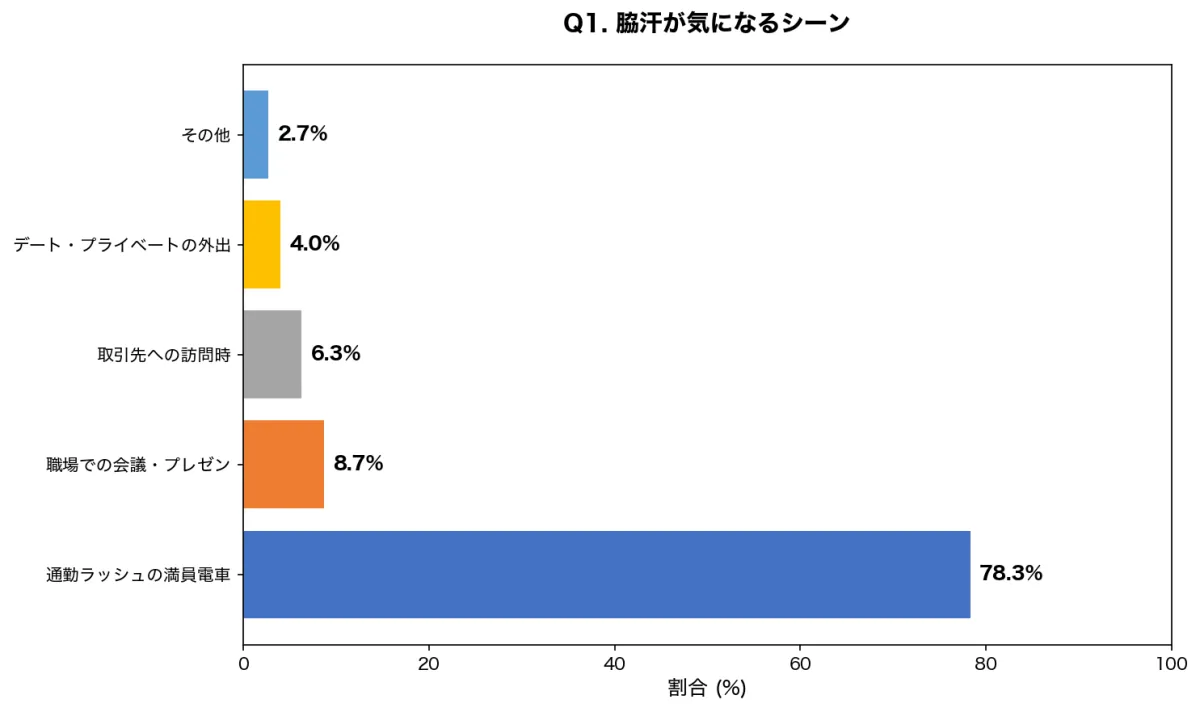
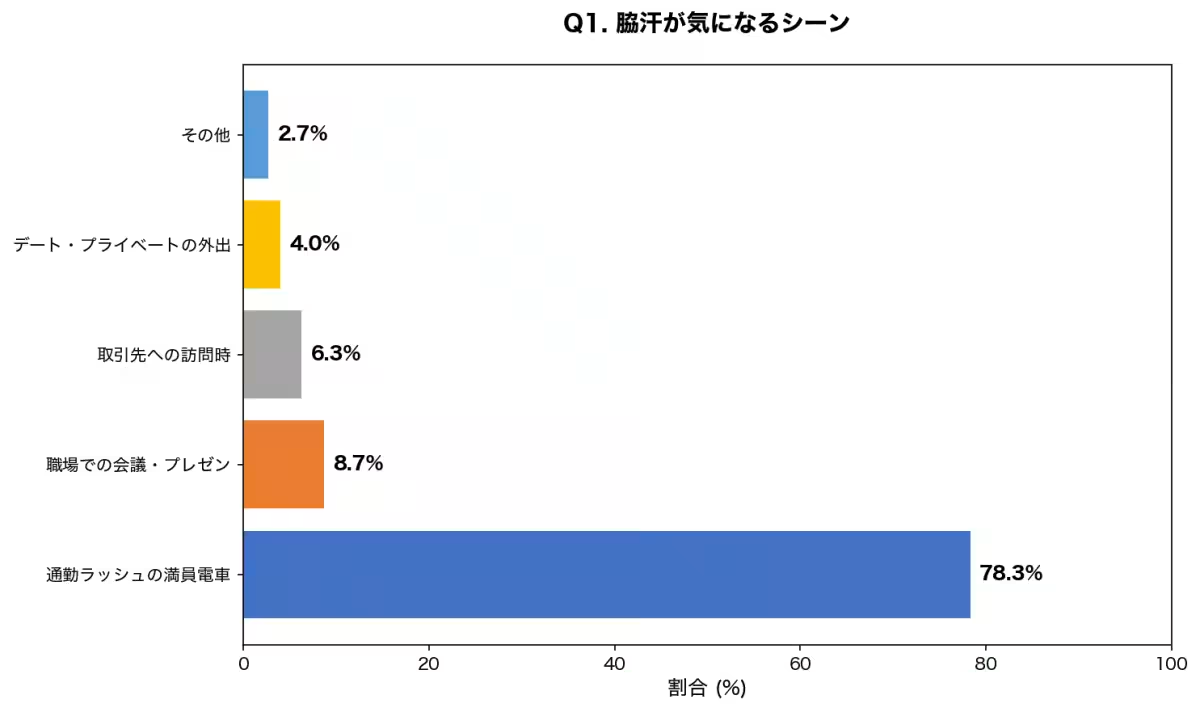
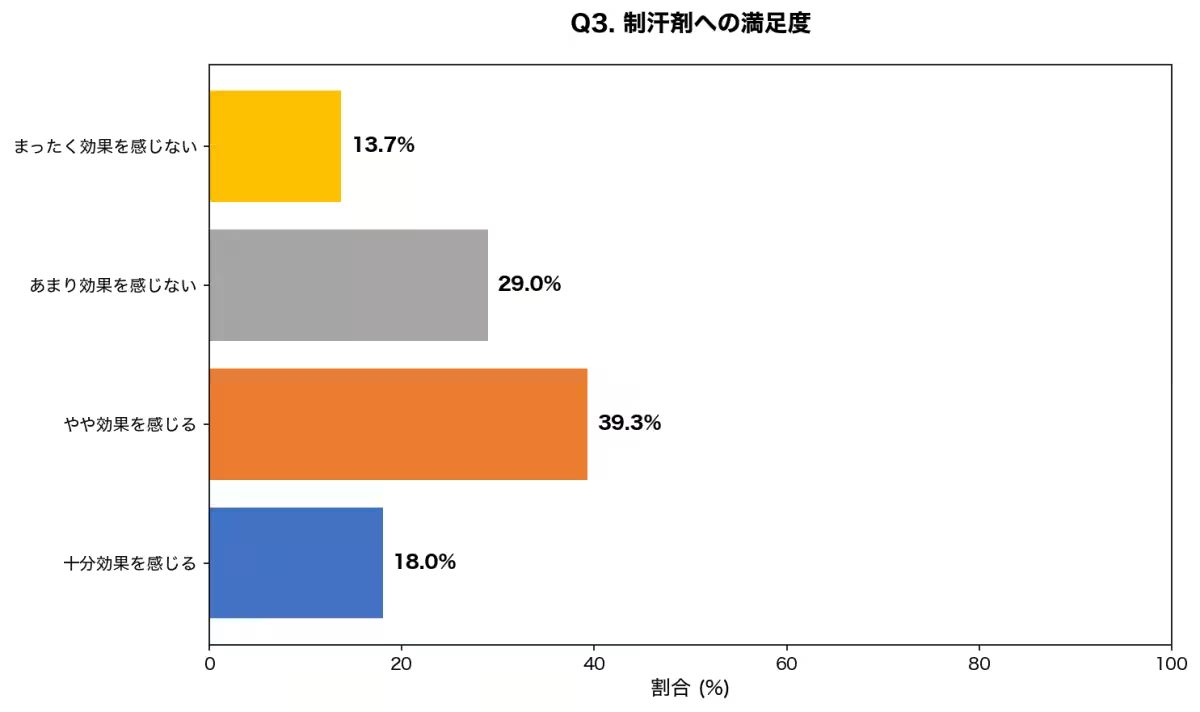
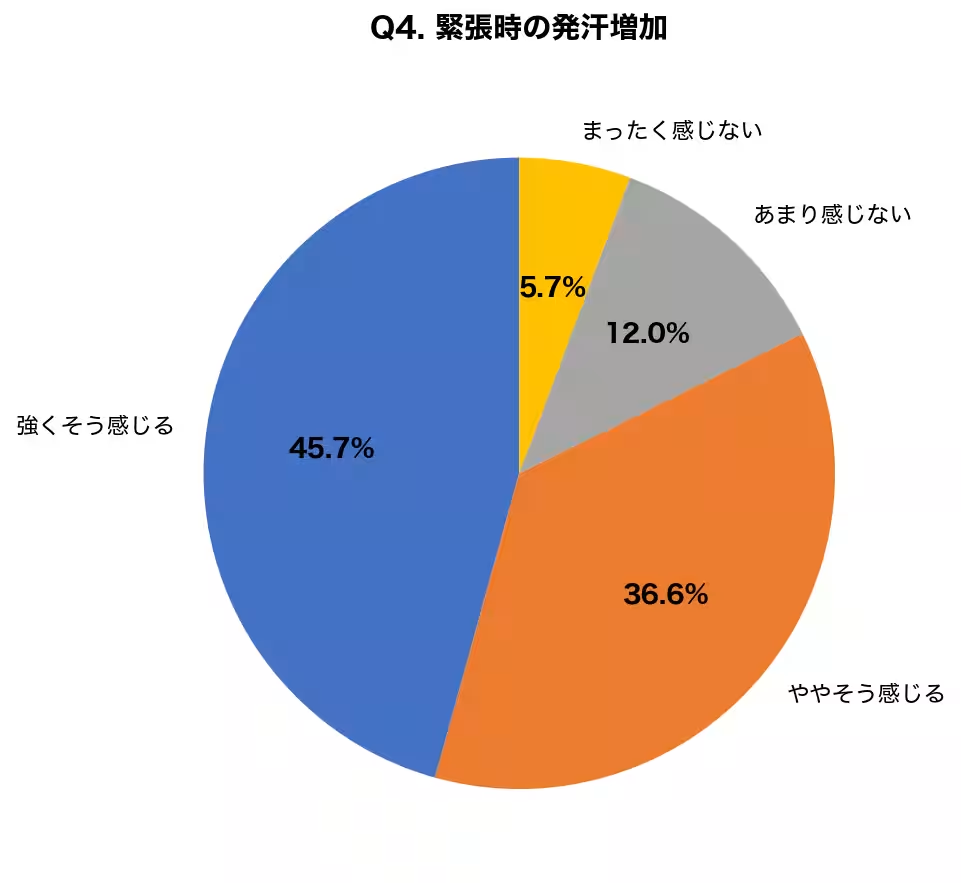
According to the survey, over 78.3% of respondents indicated that they feel anxious about their armpit sweat and body odor during the morning rush hour. Despite the usage of antiperspirants, about 42.7% of those surveyed reported dissatisfaction with their effectiveness. Furthermore, a staggering 87.0% recognized that their anxiety increases sweating, yet many remain unsatisfied with their current solutions.
The Problem
Commuters often find themselves in a double bind; they want to maintain a professional appearance but also feel a pressing need to mitigate body odor and excessive sweating. Factors such as heat, confined spaces, and mental stress due to social interaction in these crowded situations can exacerbate these issues.
Understanding Sweating Types
Psychogenic Sweating
One of the main concerns noted was psychogenic sweating, which occurs due to mental stress and is distinct from regular perspiration meant for thermoregulation. This type of sweat often emerges in the armpits, palms, and soles, triggered by heightened sympathetic nervous activity. The psychological impact of crowded commuting can lead to an increase in this type of sweating, creating a cycle of embarrassment and anxiety.
Introduction to Miradry
To address severe cases of sweating, options like Miradry have gained traction. This FDA-approved treatment employs microwave technology to target and eliminate sweat glands with precision, without the need for surgical incision. The long-term results can significantly enhance the quality of life as the treated glands do not regenerate.
Primary Axillary Hyperhidrosis
A medical condition known as primary axillary hyperhidrosis affects roughly 5.75% of the population. Patients may experience overwhelming sweat in the armpits without any underlying health conditions to attribute it to. Positive outcomes are frequently observed with appropriate treatments, further validating the medical approach.
Survey Analysis
The survey conducted by AICHI Clinic on individuals aged 20 to 50 examined perceptions and treatments for summer perspiration and body odor. Here are the essential points:
- - Target Group: Adults between 20-50 utilizing public transportation.
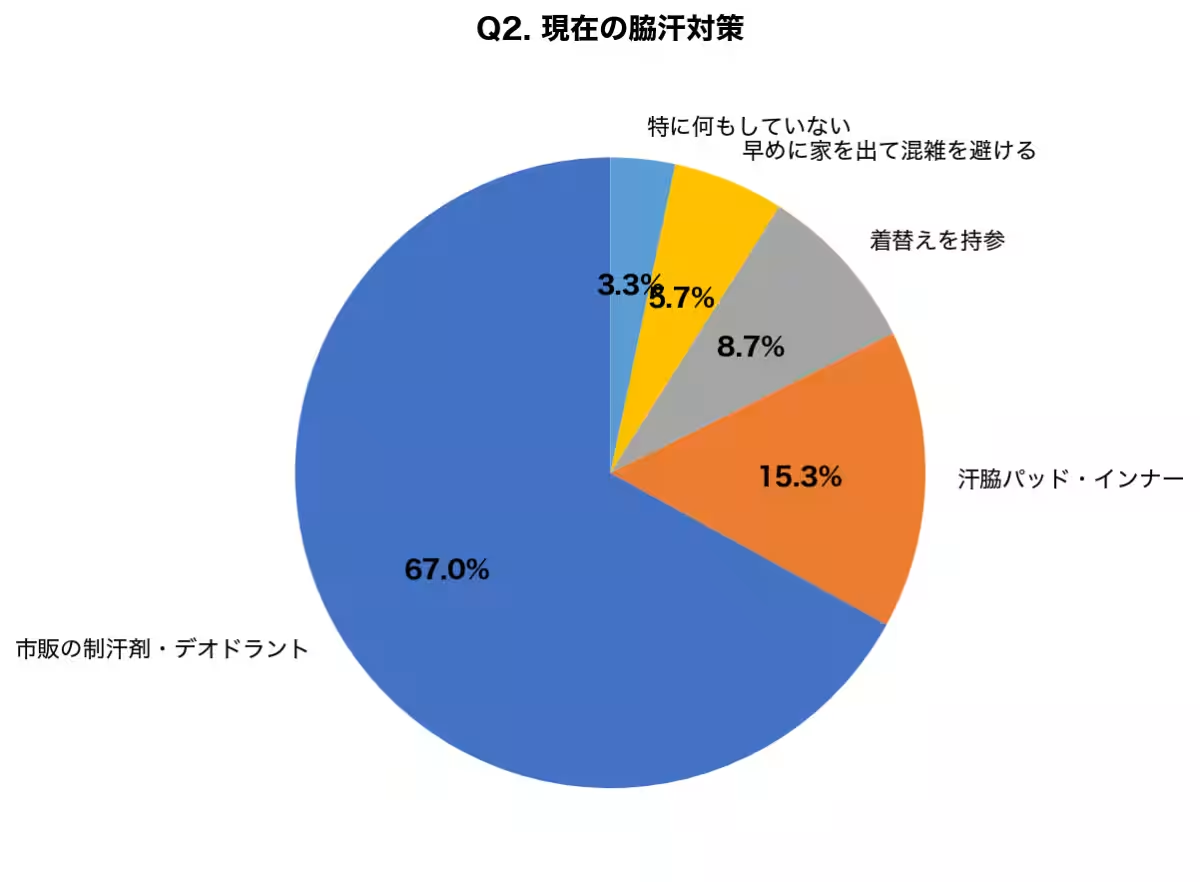
- - Satisfaction with Antiperspirants: Despite being the most common solution, only a fraction expresses satisfaction, with many acknowledging limited effectiveness.
- - Anxiety-Driven Sweating: Nearly 82.3% reported an increase in sweating during stressful situations, particularly in the queue during rush hour.
Limitations of Current Solutions
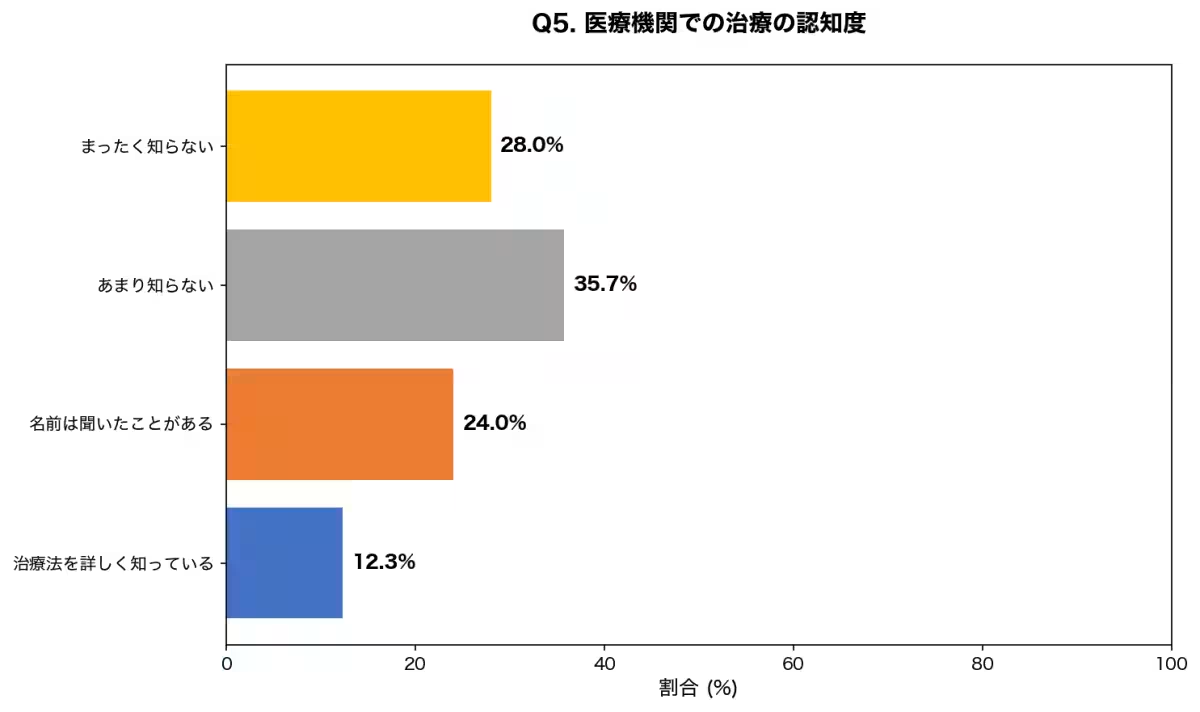
Interestingly, while many rely on commercial antiperspirants, over 63.7% of respondents were not aware of potential medical solutions. This lack of awareness may inhibit individuals from seeking out more effective treatment options like Botox or Miradry, especially for those who experience significant distress.
Recommendations
To combat perspiration and odor effectively:
1. Apply Antiperspirants at Night: Research indicates that applying antiperspirant before sleeping is more effective, allowing the active ingredients to work better overnight.
2. Choose Breathable Fabrics: Opt for materials that allow air circulation and are quick-drying.
3. Consult Medical Professionals: Those struggling with excessive sweating despite daily antiperspirant use should consider consulting a dermatologist for other treatments, especially if sweating interferes with daily activities.
Conclusion
Riding in packed trains during the summer not only raises concerns about body odor and sweat but also impacts psychological well-being. The findings of this survey highlight the need for increased awareness regarding effective treatments, such as Miradry, and the importance of recognizing when professional medical intervention may be necessary. By addressing underlying issues and applying practical solutions, individuals can regain confidence and comfort in public settings.
Topics Health)
【About Using Articles】
You can freely use the title and article content by linking to the page where the article is posted.
※ Images cannot be used.
【About Links】
Links are free to use.