



Growing Customer Harassment Incidents in Japanese Call Centers: 2026 Survey Insights
Insights into Customer Harassment in Call Centers
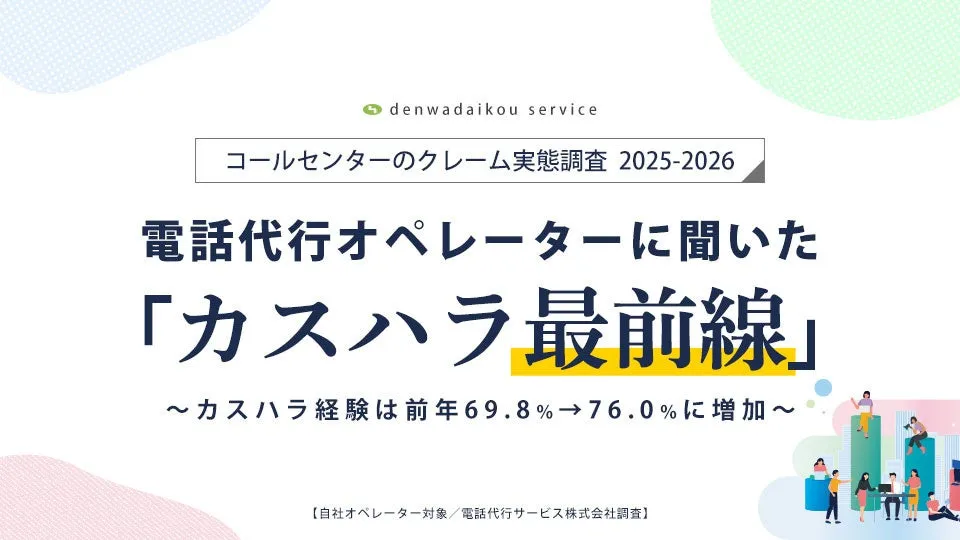
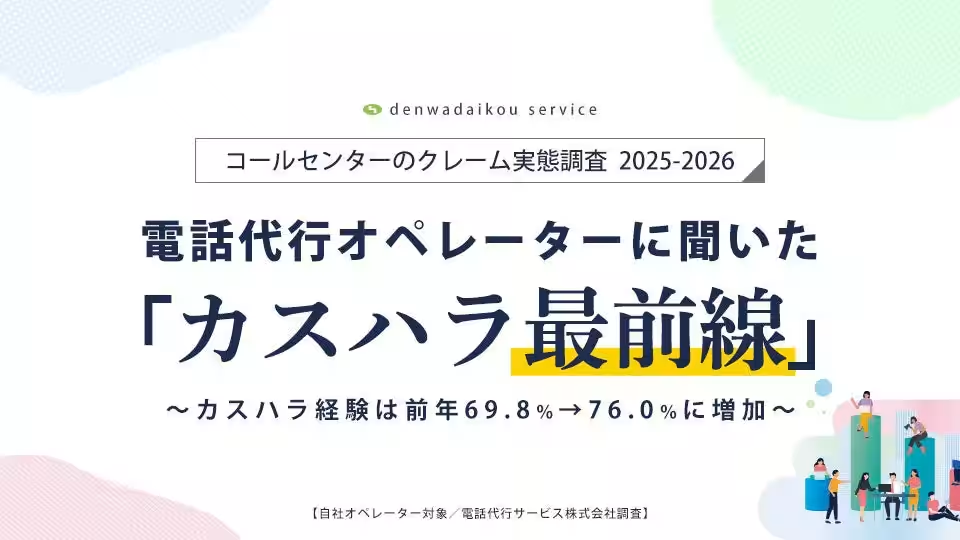
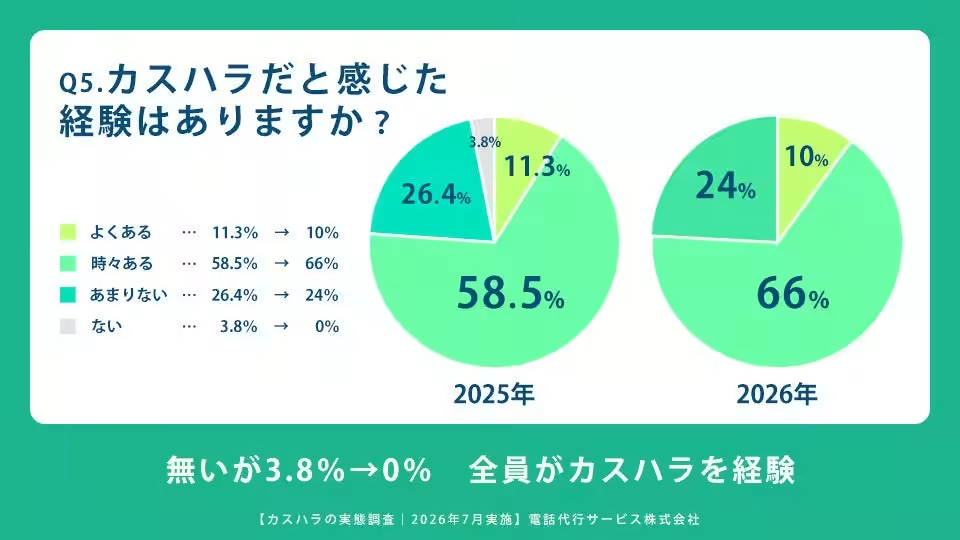
A recent survey conducted by Denwa Daiko Service Co., targeting call center operators, has shed light on the troubling rise of customer harassment incidents in Japan. This study serves as a follow-up to their 2025 survey, with results indicating a marked increase in the experiences of harassment among operators. Specifically, the rates climbed from 69.8% in 2025 to 76.0% in 2026, illustrating a growing challenge faced by those in the customer service sector.
Survey Overview
The survey, carried out from July 17 to July 26, 2026, through online questionnaires, included 50 operators from Denwa Daiko Service Co. The primary focus was on the realities of complaints and instances of customer harassment—termed 'Kasuhara' in Japanese—which are becoming ever more prevalent in the call center environment.
Key Findings
- - Increase in Customer Harassment: The experience of harassment rose significantly from 69.8% to 76.0%, marking an increase of 6.2 percentage points compared to the previous year.
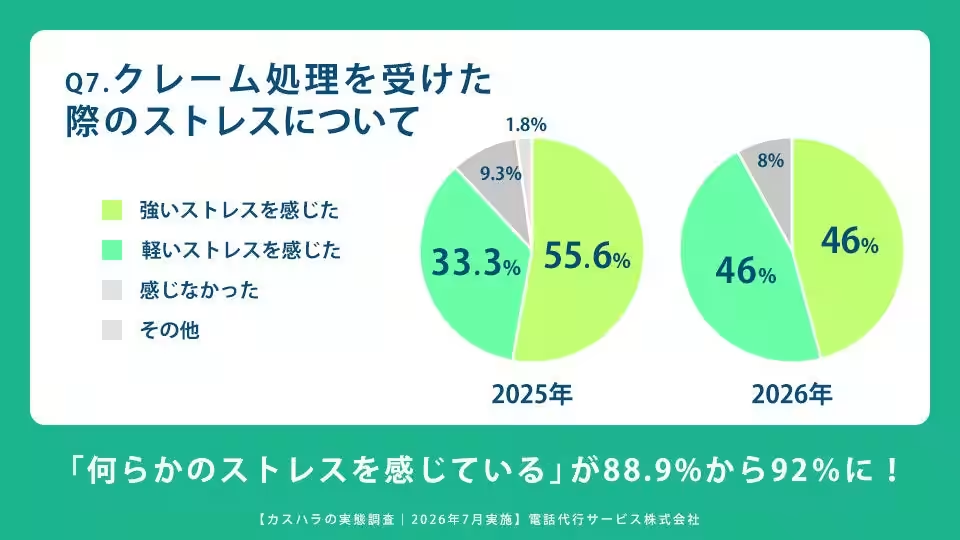
- - Stress Levels Escalate: The stress associated with handling complaints also increased, with the percentage feeling stressed rising from 88.9% to 92.0%.
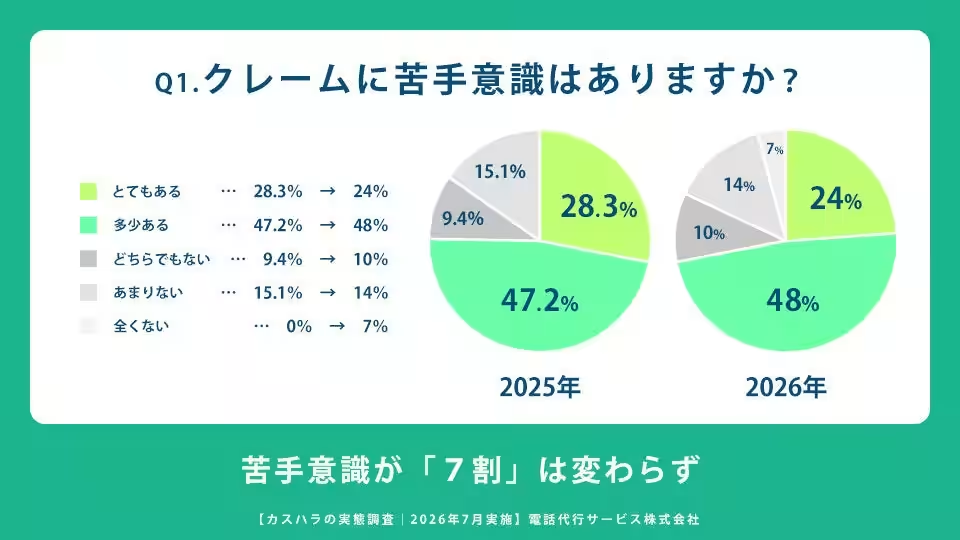
- - Continuous Pressure: For two consecutive years, over 70% of operators reported feeling uncomfortable dealing with complaints.
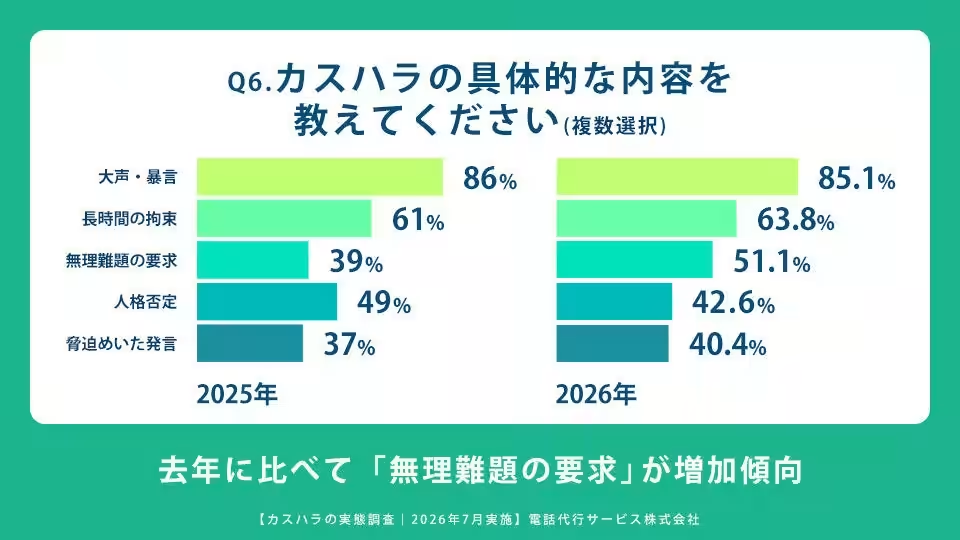
- - Demanding Requests: The percentage of operators encountering unreasonable demands rose from 39.0% to 51.1%.
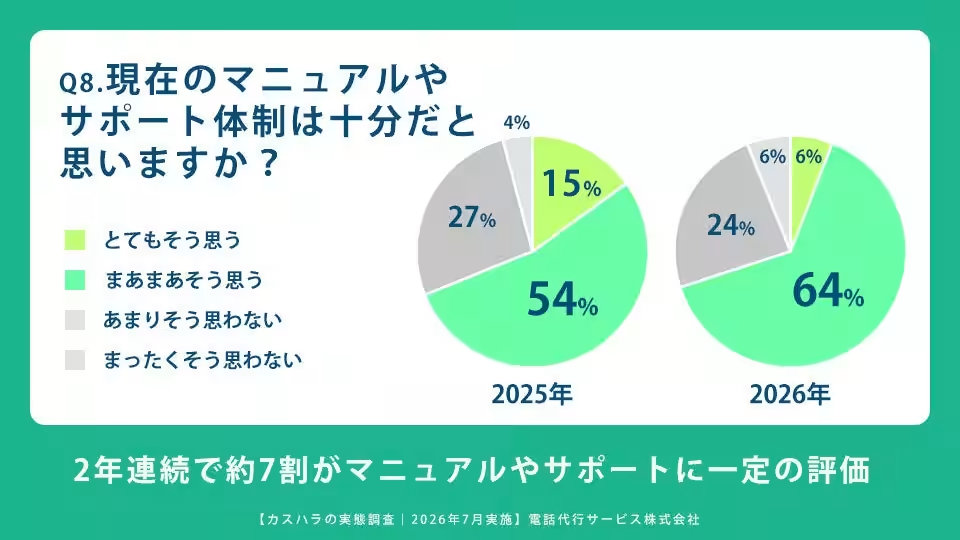
- - Positive Support Structures: Approximately 70% acknowledged a supportive evaluation of their guidelines and protocols, though concerns about the adequacy of these measures remain apparent.
Understanding the Pressure of Complaints
A persistent trend emerging from the findings is the psychological challenge operators face when interacting with difficult customers. In response to the question about their discomfort with complaints, 72% affirmed they experience some degree of anxiety surrounding these interactions. Although there was a slight drop from 75.5% in the previous year to 72%, the sheer volume of operators feeling stressed highlights an ongoing struggle in the industry.
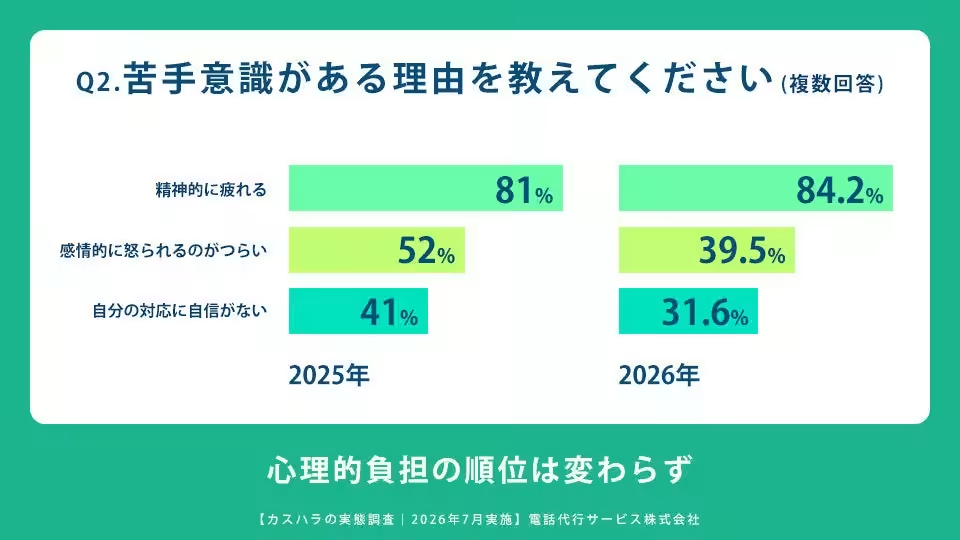
Among the reasons behind this stress, 84.2% attributed it to emotional fatigue following a call with an upset customer. Comparatively, the feelings of inadequacy in dealing with such calls decreased from 41% to 31.6%, indicating a possible heightening of competence among some operators despite overall anxiety.
Who are the Complainants?
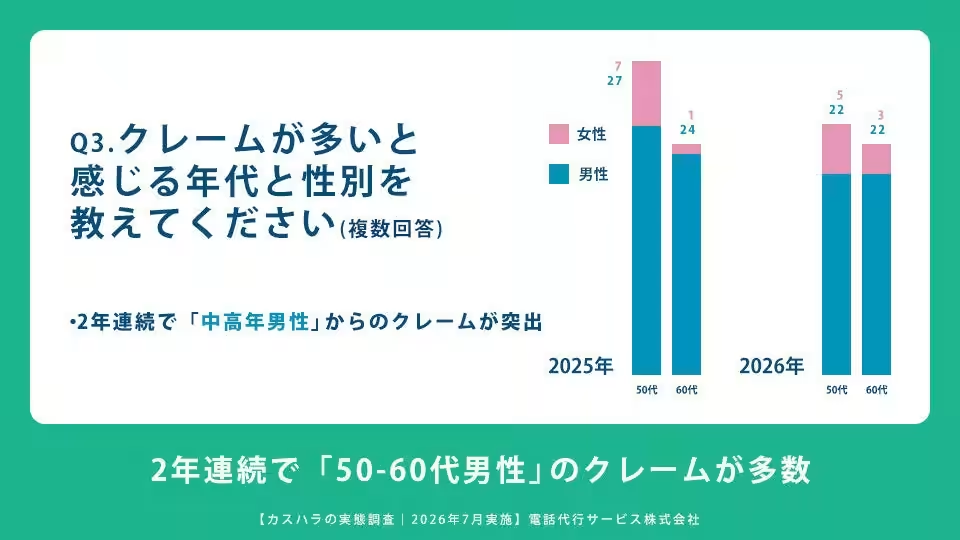
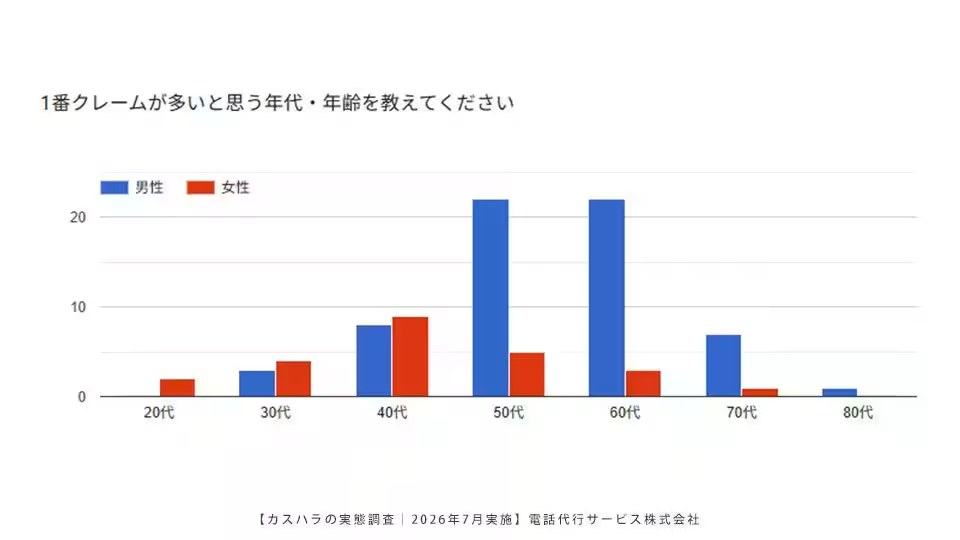
The demographics of customers submitting complaints were also analyzed, with a consistent trend identifying middle-aged male customers, particularly those in their 50s and 60s, as the most frequent offenders. The call center operators identified these demographics as problematic over two consecutive years, highlighting a potential pattern in the types of interactions customer service representatives face.
Increasing Complexity in Industries
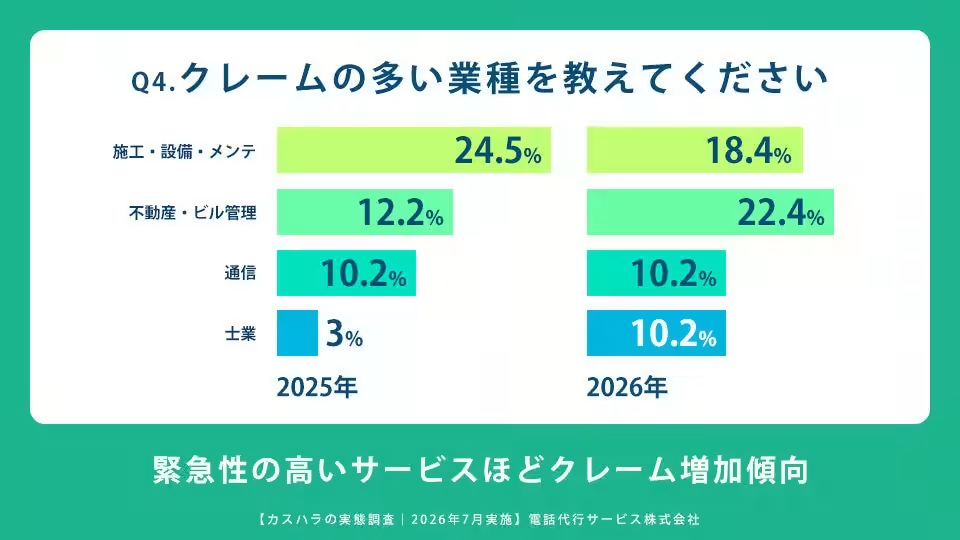
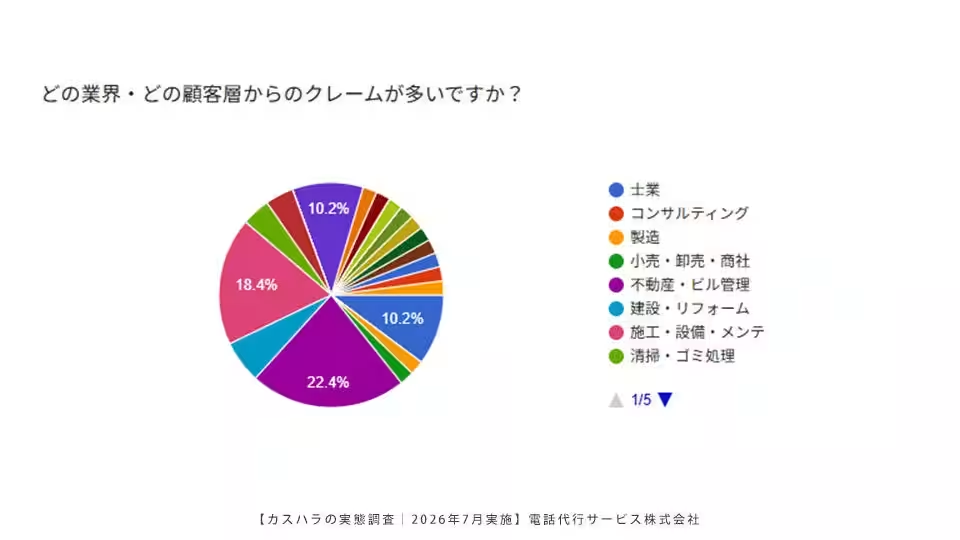
The findings also pointed to evolving trends across various industries. Notably, the real estate and building management sectors saw complaints escalate dramatically. From just 12.2% the previous year, complaints from this sector surged to 22.4% in 2026, while the construction and maintenance industries dropped from the top spot to 18.4%.
Specifics of Customer Harassment
When it comes to the nature of customer harassment reported, the most common forms were vocal aggression, with 85.1% of operators reporting instances of yelling and abusive language. Additionally, unreasonable demands exceeded half of the total responses, marking a considerable rise from previous rates.
Mental Health Considerations
Roughly 92% of the surveyed operators reported experiencing some levels of stress while handling complaints, evidencing a severe impact on their mental health. Interestingly, cases of extreme stress seemed to lessen slightly, suggesting potential improvements in support or coping mechanisms at play.
Denwa Daiko Service Co. takes these findings seriously, emphasizing the importance of fostering supportive environments for operators to ensure they do not bear the brunt of stress alone. Their commitment to internal policies, regular mental health checks, and external support resources indicates that the challenges faced are being addressed from multiple angles.
Conclusion
The increased incidence of customer harassment, alongside the associated stress levels reported by call center operators, necessitates a robust framework of support within organizations. As call center functions expand and the customer service landscape evolves, prioritizing the well-being of employees while effectively managing customer relationships will be paramount for any successful business strategy moving forward.

Topics Consumer Technology)
【About Using Articles】
You can freely use the title and article content by linking to the page where the article is posted.
※ Images cannot be used.
【About Links】
Links are free to use.